
In an increasingly data-driven world, the pursuit of optimal health and fitness has seen a significant shift towards technology-enabled solutions. Gone are the days of manual food diaries and cumbersome calculations; today, individuals can leverage sophisticated digital tools to gain precise insights into their nutritional needs. Among these, the “how many calories should I be eating calculator” stands out as a fundamental utility, transforming complex dietary science into accessible, actionable data. This article delves into the technological underpinnings, diverse functionalities, and future trajectory of these invaluable digital companions, firmly situating them within the evolving landscape of health tech. From intricate algorithms to seamless app integrations, these calculators are more than mere arithmetic tools—they are critical components of a personalized digital wellness ecosystem.
The Core Technology Behind Calorie Calculators
At its heart, any calorie calculator is a piece of software designed to process user-specific data through a set of predefined algorithms, ultimately outputting an estimated caloric requirement. The accuracy and utility of these tools are directly proportional to the sophistication of their underlying technology and the comprehensiveness of their data input mechanisms. Understanding these core technological principles is key to appreciating the power and potential of these digital aids.
Algorithmic Foundations: BMR, TDEE, and Activity Levels
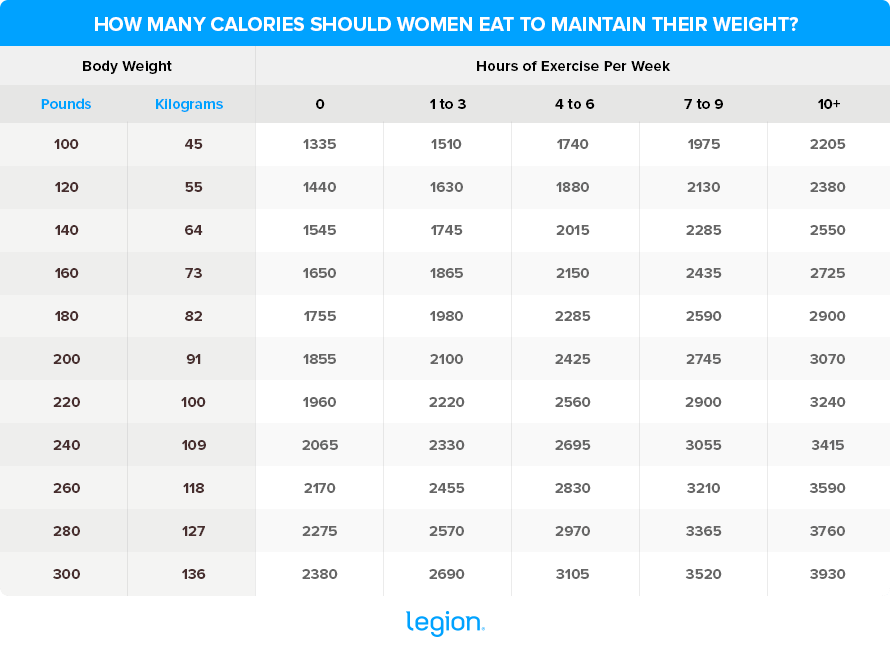
The fundamental calculation for daily caloric needs relies on two primary metrics: Basal Metabolic Rate (BMR) and Total Daily Energy Expenditure (TDEE). BMR represents the number of calories your body burns at rest to maintain basic physiological functions (breathing, circulation, cell production). TDEE, on the other hand, accounts for BMR plus the calories burned through physical activity, digestion, and other non-resting energy expenditures.
Technologically, calculators employ established scientific formulas to compute BMR, most commonly the Mifflin-St Jeor equation or the Revised Harris-Benedict equation. These algorithms take into account user inputs such as age, gender, height, and weight. For TDEE, the calculated BMR is then multiplied by an activity factor, which is another user input representing their typical level of physical activity (e.g., sedentary, lightly active, moderately active, very active, extra active). More advanced calculators may integrate the Non-Exercise Activity Thermogenesis (NEAT) factor, which accounts for calories burned during everyday movements not considered structured exercise. The precision of these algorithms, and the way they interpret and apply user-provided data, forms the bedrock of their scientific accuracy and technological efficacy.
Data Input and Personalization: User-Centric Design
The interface through which users provide their data is a crucial aspect of a calculator’s design. Modern calorie calculators prioritize intuitive, user-friendly interfaces that guide individuals through the necessary inputs. This often involves:
- Guided Questionnaires: Step-by-step prompts for age, gender, height, weight, and activity level.
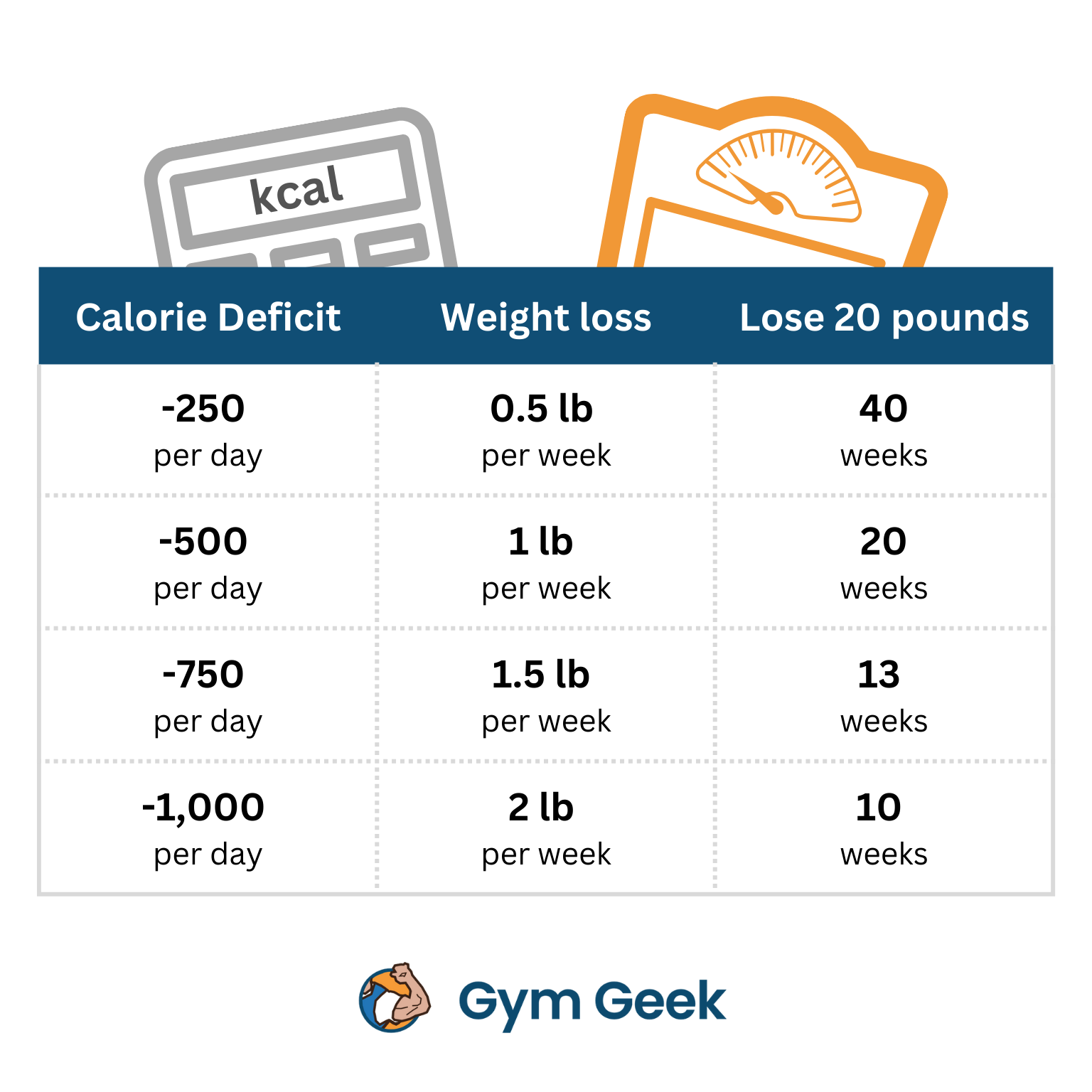
- Goal Setting: Users can often specify a goal—weight loss, weight gain, or maintenance—which the calculator then uses to adjust the caloric recommendation by creating a deficit or surplus.
- Dietary Preferences and Restrictions: More sophisticated tools allow for input on dietary preferences (e.g., vegetarian, vegan, ketogenic) or restrictions (e.g., allergies), although this often moves beyond a simple calorie calculation into meal planning features.
- Dynamic Adjustments: Some calculators offer the ability to dynamically adjust inputs and immediately see how changes (e.g., increasing activity level) impact caloric recommendations, providing an interactive user experience.
The emphasis on user-centric design ensures that even complex physiological calculations are rendered accessible and understandable, empowering users to interact effectively with the underlying algorithms.
Integration with Wearables and Health Apps
A significant technological leap for calorie calculators has been their integration capabilities. Standalone web calculators are useful, but their power multiplies when connected to broader digital health ecosystems. Many modern health apps feature built-in calorie calculators that leverage data from connected devices.
- Wearable Technology: Fitness trackers (e.g., smartwatches, dedicated bands) continuously monitor heart rate, steps taken, and estimated activity levels. When integrated with a calorie calculator, this real-time data can provide a more accurate and dynamic assessment of TDEE than a static user input for activity level. API (Application Programming Interface) connections enable seamless data exchange between wearables and health apps, ensuring that calorie recommendations are based on up-to-the-minute physiological data.
- Food Logging Apps: Many calorie calculators are embedded within comprehensive nutrition tracking applications. These apps allow users to log their food intake, and the calculator then compares consumed calories against recommended daily targets. This synergy creates a powerful feedback loop, allowing users to see the immediate impact of their dietary choices.
- Cloud-Based Synchronization: Data from various sources (wearables, food logs, user profiles) is often synchronized to a cloud-based server. This ensures data consistency across multiple devices and platforms, allowing users to access their personalized calorie recommendations whether they are on their phone, tablet, or computer.
This level of integration transforms a simple calculator into a sophisticated component of a holistic digital health management system, leveraging the power of interconnected technologies to provide a more personalized and precise user experience.
Types of Calorie Calculators and Their Features
The technological sophistication of calorie calculators varies widely, from basic web-based tools that perform a singular function to advanced mobile applications that offer a comprehensive suite of health and nutrition features. Each type caters to different user needs and technological comfort levels.
Basic Web-Based Tools
These are the most common and accessible forms of calorie calculators. They typically exist as free tools on health and fitness websites. Their technological footprint is generally light, relying on client-side scripting (like JavaScript) to perform the calculations based on the standard BMR and TDEE formulas.
- Simplicity and Speed: Their primary advantage is ease of use and quick results. Users enter a few data points and receive an immediate caloric estimate.
- Limited Customization: They usually offer minimal customization beyond the core inputs. There’s often no data storage, profile creation, or integration with other services.
- Broad Accessibility: Being web-based, they are accessible from any device with an internet browser, making them a go-to for quick checks.
While basic, these tools serve as an excellent entry point for individuals seeking an initial understanding of their caloric needs without the commitment of downloading an app or setting up an extensive profile.
Advanced Mobile Applications with AI
At the higher end of the spectrum are mobile applications that embed calorie calculation within a rich ecosystem of health and wellness features. These apps leverage more advanced technologies, including artificial intelligence (AI) and machine learning (ML).
- Predictive Analytics: AI algorithms can analyze user historical data (food intake, activity levels, weight changes) to refine caloric recommendations over time, predicting how certain dietary changes might impact progress towards a goal.
- Personalized Meal Planning: Beyond just calculating calories, many apps use AI to generate personalized meal plans that adhere to the recommended caloric intake, taking into account dietary preferences, allergies, and nutrient goals (macros).
- Food Recognition Technology: Some apps incorporate image recognition or barcode scanning technology to simplify food logging, using AI to identify foods and automatically populate nutritional data, greatly enhancing user convenience.
- Behavioral Coaching: AI-driven chatbots or intelligent notification systems can provide nudges, encouragement, and educational content, acting as a virtual nutrition coach, adapting advice based on user engagement and progress.
These advanced applications represent a significant technological leap, transforming a simple calculation into a dynamic, intelligent, and interactive health management platform.
Specialized Calculators (e.g., for Specific Diets, Athletes)
Beyond general-purpose tools, specialized calorie calculators cater to niche populations or specific dietary approaches. These tools incorporate algorithms and data sets tailored to particular requirements.
- Athletic Performance: Calculators for athletes might consider factors like training volume, intensity, and specific sports, integrating more complex energy expenditure models that account for recovery and performance optimization. They often focus on macronutrient ratios (protein, carbs, fats) in addition to overall calories.
- Specific Diets: Tools for diets like ketogenic, paleo, or veganism don’t just calculate calories but also ensure macronutrient distribution aligns with the chosen dietary framework, often drawing from specialized food databases.
- Medical Conditions: Some highly specialized tools, often found in clinical settings or developed in conjunction with healthcare providers, might adjust caloric needs based on specific medical conditions, recovery post-surgery, or pregnancy, requiring careful validation and regulation.
These specialized calculators highlight the adaptability of the underlying technology to address a wide range of unique nutritional needs, demonstrating the potential for hyper-personalization in digital health.
Benefits and Limitations of Using Digital Calorie Calculators
While calorie calculators offer undeniable technological advantages in personal health management, it’s crucial to understand both their strengths and inherent limitations. Like any powerful tool, their efficacy is maximized when used judiciously and with an understanding of their operational boundaries.
Empowering Informed Dietary Choices
The primary benefit of digital calorie calculators lies in their ability to demystify nutrition and empower users with quantifiable data.
- Objective Data: They provide an objective baseline for caloric intake, removing guesswork and providing a tangible number to work towards.
- Goal Setting and Tracking: By offering personalized recommendations for weight loss, maintenance, or gain, they facilitate concrete goal setting and provide a benchmark against which progress can be tracked, often visually within apps.
- Educational Value: Many calculators and associated apps offer insights into the relationship between food, activity, and energy balance, educating users on fundamental nutritional principles.
- Accessibility: By making complex calculations instantly available, they democratize access to personalized nutritional guidance that might otherwise require consultation with a professional.
This data-driven approach fosters a greater understanding of personal energy needs, allowing users to make more informed and deliberate dietary choices.
Potential for Misinterpretation and Over-reliance
Despite their sophistication, digital calorie calculators are not infallible and come with potential pitfalls, primarily stemming from user interpretation and over-reliance.
- Input Accuracy: The “garbage in, garbage out” principle applies; if a user provides inaccurate data (e.g., underestimates activity level, misjudges portion sizes), the caloric recommendation will be flawed.
- Estimates, Not Exacts: All formulas for BMR and TDEE are estimates. Individual metabolic rates can vary, and environmental factors, stress, and hormonal fluctuations are rarely accounted for in standard algorithms.
- Nutrient Focus: Basic calculators focus solely on calories, often overlooking the quality of those calories. 1500 calories of highly processed food are not nutritionally equivalent to 1500 calories of whole foods, a nuance most basic tools don’t address.
- Risk of Orthorexia or Disordered Eating: Over-reliance on numerical targets can sometimes lead to an unhealthy obsession with food tracking, fostering anxiety around eating and potentially contributing to orthorexia or other forms of disordered eating, especially in vulnerable individuals. The digital nature can abstract the act of eating into a purely numerical pursuit.
Recognizing these limitations is essential for using the technology responsibly and maintaining a balanced perspective on nutrition.
The Role of Human Expertise and Customization
While technology offers incredible capabilities, it often functions best as an adjunct to human expertise, rather than a complete replacement. For highly personalized or complex nutritional needs, human insight remains paramount.
- Professional Guidance: Registered dietitians and nutritionists can interpret calculator results within the broader context of an individual’s health history, lifestyle, psychological factors, and specific medical conditions, providing tailored advice that no algorithm can fully replicate.
- Behavioral Support: Human coaches offer empathy, motivation, and accountability, addressing the behavioral and emotional aspects of eating that technology cannot adequately capture.
- Addressing Edge Cases: Algorithms are designed for general populations. Individuals with rare metabolic conditions, severe allergies, or highly specialized athletic demands will benefit more from personalized, expert assessment than from a generic calculator.
The most effective approach often involves using digital calorie calculators as a foundational tool for data and tracking, while seeking professional human guidance for interpretation, advanced customization, and holistic support.
Future Trends in Nutritional Technology
The rapid advancements in artificial intelligence, sensor technology, and data analytics promise an even more sophisticated future for nutritional tools, pushing the boundaries of personalization and proactive health management.
AI-Powered Predictive Analytics and Recommendations
The next generation of calorie calculators and nutritional apps will leverage AI not just for analysis, but for sophisticated prediction and dynamic recommendation.
- Proactive Adjustments: AI will move beyond reacting to logged data to proactively suggest caloric and macronutrient adjustments based on predicted activity levels, sleep patterns, stress indicators, and even upcoming life events.
- Personalized “What If” Scenarios: Users could explore hypothetical scenarios, with AI predicting the impact of different dietary or exercise regimens on their health goals over time.
- Reinforcement Learning: As users interact with the app, the AI’s models will continuously learn and adapt, making recommendations increasingly accurate and relevant to individual responses, creating a truly adaptive personal nutritionist.
This predictive capability will transform these tools from simple calculators into intelligent, foresightful health advisors.
Hyper-Personalization and Genetic Data Integration
The ultimate frontier in personalized nutrition lies in integrating biological markers far beyond standard demographic data.
- Genetic Profiling: The integration of an individual’s genetic data (e.g., from DNA testing services) could allow calculators to recommend optimal macronutrient ratios, identify predispositions to certain food sensitivities, or suggest specific vitamin/mineral needs based on genetic markers.
- Microbiome Analysis: Future tools might incorporate data from gut microbiome analysis, tailoring dietary recommendations to foster a healthy gut ecosystem, which has profound impacts on metabolism and overall health.
- Real-time Biometric Feedback: Advanced sensors, possibly integrated into smart toilets or continuous glucose monitors, could provide real-time feedback on nutrient absorption, metabolic responses to food, and hydration status, allowing for immediate, data-driven dietary adjustments.
This level of hyper-personalization, driven by deep biological data, will redefine precision nutrition.
Enhanced Gamification and User Engagement
Beyond raw data and complex algorithms, future nutritional technology will increasingly focus on keeping users engaged and motivated through innovative interfaces and gamified experiences.
- Augmented Reality (AR) Food Logging: Imagine using AR to scan a plate of food, with the app instantly recognizing items, estimating portions, and logging calories and macros with minimal manual input.
- Interactive Virtual Coaches: More lifelike and responsive AI coaches will offer conversational interfaces, motivational challenges, and virtual rewards, making the journey to nutritional health more engaging and less monotonous.
- Community and Social Integration: Enhanced social features will allow users to share progress, participate in challenges, and receive support from virtual communities, leveraging the power of collective motivation.
By blending advanced technology with engaging user experiences, future calorie calculators will not only provide accurate data but also foster sustainable behavioral change.
In conclusion, the “how many calories should I be eating calculator” has evolved from a simple mathematical tool into a sophisticated component of the digital health ecosystem. Driven by advancements in algorithms, data integration, AI, and user interface design, these technologies empower individuals with unparalleled insight into their nutritional needs. While current iterations offer significant benefits, future developments promise even greater personalization, predictive capabilities, and engaging experiences, solidifying their role as indispensable tools in the ongoing quest for optimal health through technology.
aViewFromTheCave is a participant in the Amazon Services LLC Associates Program, an affiliate advertising program designed to provide a means for sites to earn advertising fees by advertising and linking to Amazon.com. Amazon, the Amazon logo, AmazonSupply, and the AmazonSupply logo are trademarks of Amazon.com, Inc. or its affiliates. As an Amazon Associate we earn affiliate commissions from qualifying purchases.