
Understanding your individual caloric needs is a cornerstone of effective health, fitness, and weight management. For decades, the process involved generalized formulas, rough estimates, and a fair amount of guesswork. However, in the rapidly evolving digital age, technology has revolutionized how we approach this fundamental aspect of nutrition. From sophisticated apps to advanced wearables and even AI-driven insights, pinpointing your exact energy requirements is becoming increasingly precise and personalized. This article delves into the technological tools and trends that empower individuals to accurately determine their caloric intake, moving beyond one-size-fits-all advice to truly tailored solutions.
The Foundation of Calorie Calculation: Beyond Basic Formulas
Before diving into the high-tech solutions, it’s crucial to understand the foundational principles of calorie estimation. Even with advanced technology, these core concepts remain relevant, often serving as the baseline for digital tools.
Understanding Basal Metabolic Rate (BMR) and Total Daily Energy Expenditure (TDEE)
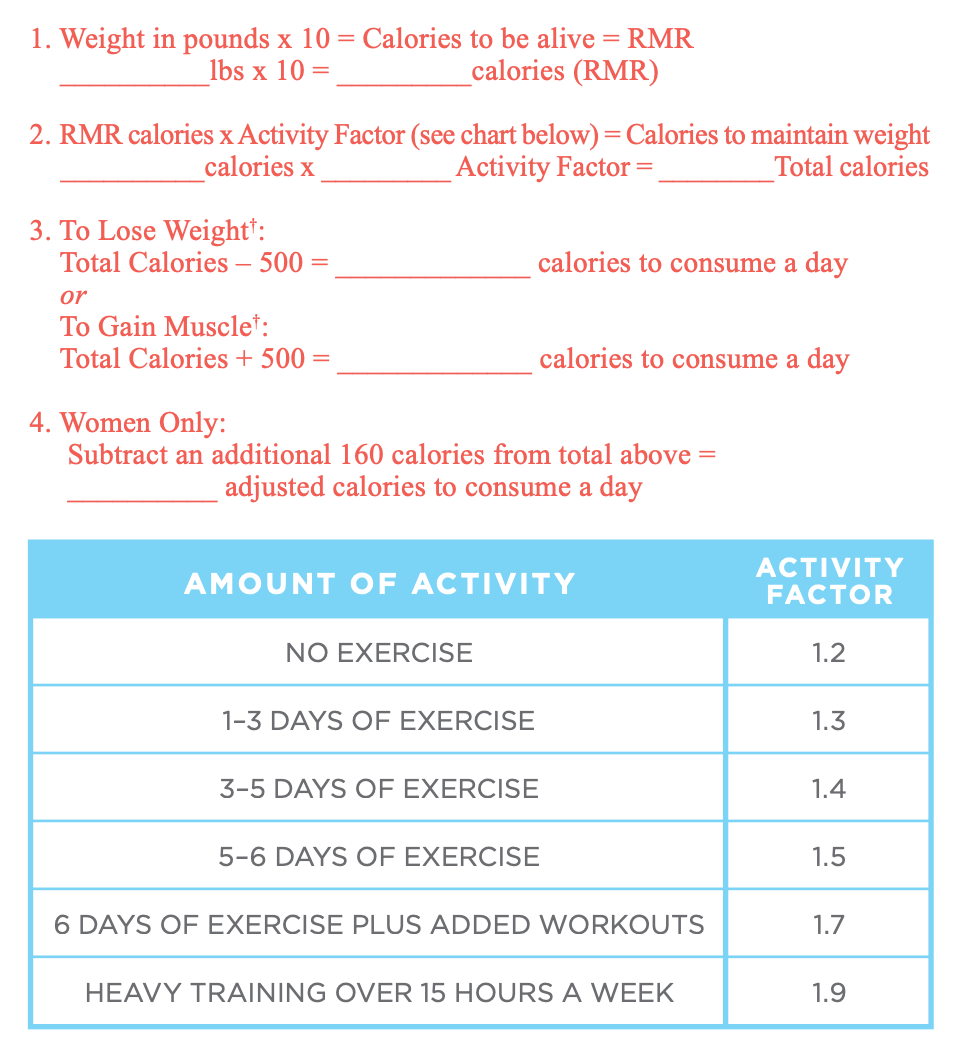
At the heart of calorie calculation lies the Basal Metabolic Rate (BMR). This figure represents the number of calories your body burns at rest to perform basic life-sustaining functions like breathing, circulation, and cell production. It’s the minimum energy required to keep you alive and functioning. Several traditional formulas, such as the Mifflin-St Jeor equation or the Harris-Benedict equation, use factors like age, gender, height, and weight to estimate BMR.
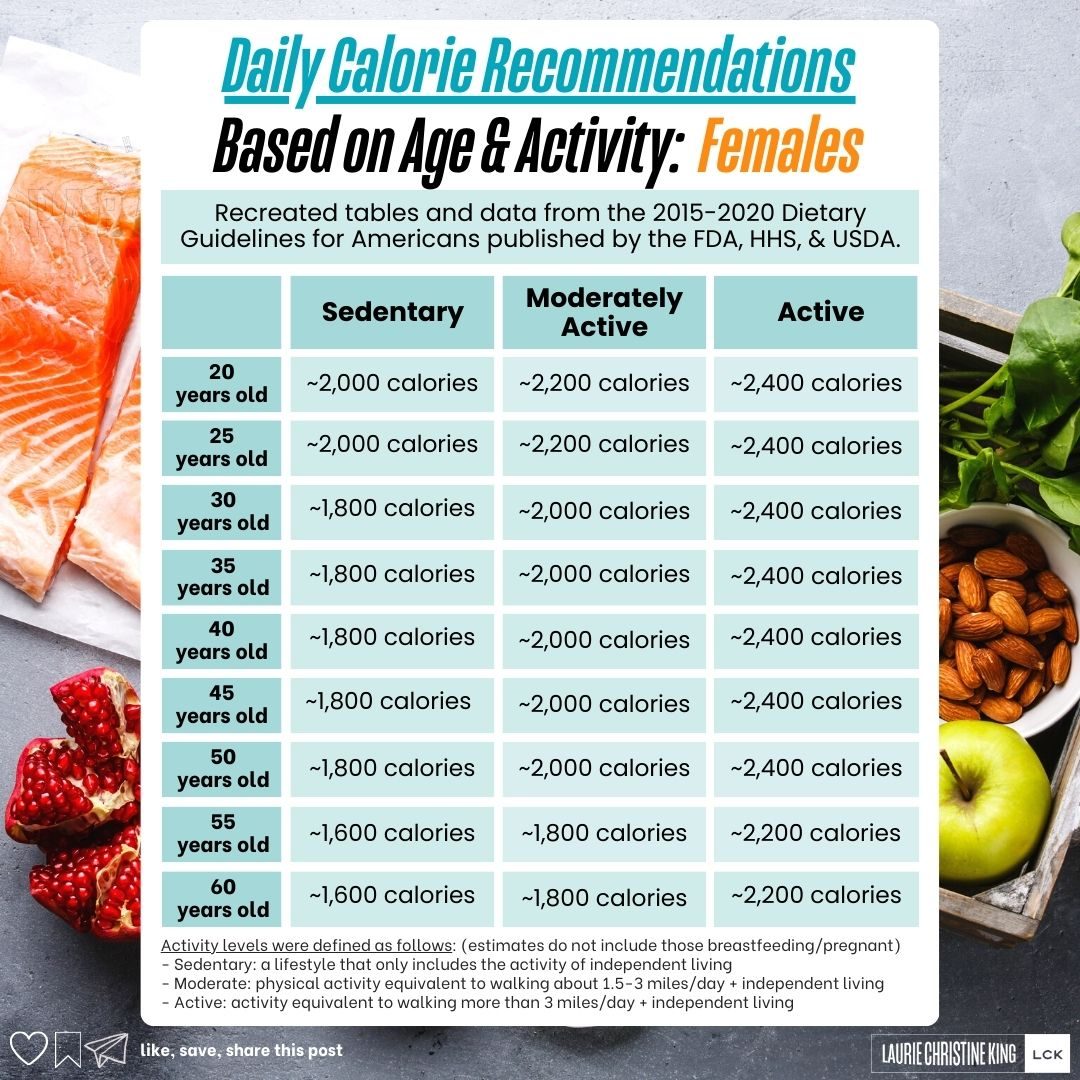
Building upon BMR is the Total Daily Energy Expenditure (TDEE). TDEE accounts for your BMR plus the calories burned through physical activity and the thermic effect of food (TEF), which is the energy expended during digestion. The more active you are, the higher your TDEE will be. Traditional methods often apply activity multipliers (e.g., sedentary, lightly active, moderately active, very active) to your BMR to arrive at an estimated TDEE.
Limitations of Traditional Calculations and the Need for Personalization
While traditional formulas provide a useful starting point, they come with significant limitations. They are population-based averages, meaning they don’t account for individual physiological differences, metabolic efficiency, body composition (muscle-to-fat ratio), genetic predispositions, or even daily fluctuations in activity and stress levels. Two people with identical age, height, and weight can have vastly different BMRs and TDEEs due to variations in lean muscle mass, hormonal profiles, and metabolic adaptations. This inherent imprecision often leads to frustration and limited progress for individuals relying solely on these generalized figures. The modern quest for personalized health demands a more nuanced approach, one that technology is increasingly equipped to provide.
Wearable Technology: Your Digital Health Companion
The advent of wearable technology has perhaps been the most transformative development in personal health monitoring, offering unprecedented insights into daily energy expenditure and activity levels.
Smartwatches and Fitness Trackers: Estimating Activity Levels and Calorie Burn
Smartwatches and dedicated fitness trackers (e.g., Apple Watch, Garmin, Fitbit, Whoop) have become ubiquitous, moving beyond simple step counting to sophisticated physiological monitoring. These devices integrate a suite of sensors—accelerometers, gyroscopes, optical heart rate monitors, and even GPS—to track a wide array of metrics. They can accurately measure steps taken, distance covered, calories burned during exercise, sleep patterns, and continuous heart rate.
By continuously monitoring heart rate zones during activities and estimating metabolic equivalents (METs) based on motion, these devices provide a much more dynamic and personalized estimate of calorie expenditure than static activity multipliers. They can differentiate between light walking and intense cardio, adjusting calorie burn estimates in real-time. Many also offer features like VO2 Max estimation (a measure of cardiovascular fitness), which can further refine metabolic rate calculations. While not perfectly accurate, the continuous, individualized data they collect represents a substantial leap forward from traditional “activity level” categories.
The Role of Biometric Data in Refining Calorie Needs
Beyond activity, modern wearables are increasingly incorporating more sophisticated biometric data to refine calorie estimates. Devices capable of measuring heart rate variability (HRV), skin temperature, and even blood oxygen levels provide a more holistic view of your body’s physiological state. For instance, a lower HRV might indicate stress or overtraining, which can impact metabolic rate. Changes in sleep patterns, also tracked by wearables, can influence hormone levels (like ghrelin and leptin) that regulate appetite and metabolism.
Some advanced wearables even offer “recovery scores,” which combine various biometric inputs to assess your body’s readiness for activity. When your body is in a state of stress or poor recovery, its metabolic demands can shift. Integrating this rich, real-time biometric data allows for a more adaptive and personalized understanding of your daily energy needs, moving beyond just what you eat and how much you move, to how your body is actually functioning at a deeper level.
Nutrition Apps and Software: Your Pocket Dietitian
While wearables monitor expenditure, nutrition apps and software focus on intake, making the once-tedious task of food logging efficient and insightful.
Food Logging and Database Integration for Accurate Intake Tracking
The core functionality of most nutrition apps (e.g., MyFitnessPal, Cronometer, Lose It!) lies in their extensive food databases and intuitive logging interfaces. Users can quickly search for foods, scan barcodes, or even use AI-powered photo recognition to log their meals. These apps break down food intake into macronutrients (carbohydrates, proteins, fats) and micronutrients, providing a comprehensive view of dietary composition.
Many apps allow for custom food entries, recipe creation, and even integration with restaurant menus, ensuring accuracy and convenience. By consistently logging food, individuals gain a clear picture of their actual caloric intake, which can then be compared against their estimated needs (often calculated by the app based on user profiles or integrated wearable data). This practical application of data helps bridge the gap between theoretical knowledge and real-world eating habits.
AI-Powered Recommendations and Meal Planning
The next frontier for nutrition apps is the integration of Artificial Intelligence. AI algorithms can analyze your logged food intake, activity levels (often synced from wearables), body weight trends, and stated goals to provide personalized recommendations. Instead of just showing you how many calories you’ve consumed, AI can suggest specific foods, meal plans, or dietary adjustments to help you meet your targets.
For example, if the AI detects you’re consistently low on protein or certain micronutrients, it might suggest high-protein snack ideas or nutrient-dense meal options. Some platforms use machine learning to understand your food preferences and dietary restrictions, generating meal plans that are not only nutritionally sound but also enjoyable and sustainable for you. This moves the app from a mere tracking tool to an active nutritional coach, providing actionable insights derived from vast datasets and your personal patterns.
Integration with Wearables for a Holistic View
The true power of modern nutrition technology emerges when wearables and nutrition apps integrate seamlessly. Data from your smartwatch about your daily activity and calorie burn can be automatically fed into your nutrition app, dynamically adjusting your caloric target for the day. This creates a feedback loop: you log your food intake, your wearable tracks your expenditure, and the integrated platform provides a real-time assessment of your caloric balance.
This holistic approach helps to overcome the inaccuracies of isolated data points. If a wearable estimates 2500 calories burned, and you log 2000 calories consumed, the app can show a 500-calorie deficit. Over time, correlating this with weight changes provides invaluable personalized feedback, allowing individuals and their coaches to make data-driven adjustments to diet and exercise.
Emerging Technologies: The Future of Personalized Nutrition
Beyond current mainstream tools, several cutting-edge technologies are poised to redefine how we understand and manage our caloric and nutritional needs.
Genetic Testing and Nutrigenomics for Tailored Dietary Advice
Genetic testing, particularly in the field of nutrigenomics, is emerging as a powerful tool for hyper-personalizing dietary recommendations. By analyzing an individual’s DNA, scientists can identify genetic variations that influence metabolism, nutrient absorption, satiety signals, fat storage, and even susceptibility to certain dietary-related conditions.
For instance, genetic tests can reveal if you have a variant that makes you more or less sensitive to carbohydrates, or if your body metabolizes caffeine slowly. While still a nascent field with ongoing research, the promise of nutrigenomics is to move beyond general dietary guidelines (e.g., “eat less fat”) to recommendations tailored to your unique genetic blueprint (e.g., “you may thrive on a diet with slightly lower saturated fat due to XYZ gene variation”). This level of insight could dramatically refine personalized calorie and macronutrient targets for optimal health and performance.
Continuous Glucose Monitors (CGMs) and Real-Time Metabolic Feedback
Traditionally used by individuals with diabetes, Continuous Glucose Monitors (CGMs) are now gaining traction in the general wellness space. These small devices, worn on the arm, continuously measure glucose levels in interstitial fluid, providing real-time data on how different foods, exercise, stress, and sleep impact blood sugar.
For determining calorie needs, CGMs offer unprecedented real-time metabolic feedback. You can immediately see how a particular meal affects your glucose levels, identifying foods that cause rapid spikes and crashes versus those that promote stable energy. While not directly measuring calories, understanding how your body processes different fuel sources provides critical insights into metabolic health and efficiency. This feedback can help optimize meal timing, macronutrient composition, and overall dietary choices, indirectly guiding caloric intake towards better metabolic control and sustained energy.
Virtual Coaches and AI-Driven Behavioral Change Platforms
The future of personalized nutrition isn’t just about data; it’s about action and adherence. Virtual coaches and AI-driven behavioral change platforms are designed to translate complex data into practical, sustainable habits. These platforms leverage AI to not only analyze your nutritional and activity data but also to understand your motivations, challenges, and behavioral patterns.
They can offer dynamic coaching prompts, celebrate milestones, provide gentle nudges, and even adapt their communication style based on your responses. Some are integrating cognitive behavioral therapy (CBT) principles to help users overcome common hurdles in diet and exercise. By combining intelligent data analysis with personalized psychological support, these platforms aim to create long-term behavioral changes that make adhering to personalized caloric needs and health goals more achievable and enjoyable.
Navigating the Digital Nutrition Landscape: Best Practices and Pitfalls
While technology offers incredible advantages, it’s crucial to approach the digital nutrition landscape with a discerning eye.
Data Accuracy and Privacy Concerns
The efficacy of these technologies hinges on data accuracy. Wearables, while improved, still have margins of error in calorie expenditure estimation. Food logging can be inaccurate if users don’t correctly measure portions or choose the right database entries. It’s essential to understand these limitations and view the data as highly informative estimates rather than absolute truths.
Furthermore, privacy is a significant concern. These devices and apps collect highly sensitive personal health data. Users must be diligent in understanding privacy policies, choosing reputable platforms, and being aware of how their data is stored, shared, and utilized. The convenience of personalized insights should not come at the cost of personal data security.
The Importance of Professional Guidance Alongside Technology
Technology is a powerful tool, but it is not a replacement for professional human expertise. Registered dietitians, nutritionists, and certified health coaches possess the knowledge and experience to interpret the vast amounts of data generated by these tools. They can help contextualize insights, address underlying health conditions, correct misconceptions, and provide tailored advice that goes beyond what an algorithm can offer. Technology can inform and empower, but a professional can guide, educate, and provide accountability in a way that truly understands the complexities of human health and behavior.
Fostering a Healthy Relationship with Technology and Food
Finally, while technology can be incredibly helpful in understanding calorie needs, it’s vital to foster a healthy relationship with both the tools and with food itself. Excessive reliance on calorie counting can sometimes lead to orthorexia (an unhealthy obsession with healthy eating) or disordered eating patterns. It’s important to remember that food is not just fuel; it’s also culture, pleasure, and social connection. Technology should serve as an aid to empower informed choices, not as an oppressive monitor that dictates every bite. A balanced approach uses technology for insight and awareness, while maintaining flexibility, intuition, and enjoyment in eating.
In conclusion, knowing how many calories you need has evolved from a generalized estimate to a sophisticated, data-driven science, largely thanks to advancements in technology. Wearables, nutrition apps, AI, and emerging fields like nutrigenomics are providing unprecedented levels of personalization and insight. By embracing these tools responsibly, and ideally in conjunction with professional guidance, individuals can unlock a deeper understanding of their body’s energy requirements, paving the way for more effective, sustainable, and personalized health journeys.
aViewFromTheCave is a participant in the Amazon Services LLC Associates Program, an affiliate advertising program designed to provide a means for sites to earn advertising fees by advertising and linking to Amazon.com. Amazon, the Amazon logo, AmazonSupply, and the AmazonSupply logo are trademarks of Amazon.com, Inc. or its affiliates. As an Amazon Associate we earn affiliate commissions from qualifying purchases.