
Understanding your yearly salary is more than just knowing the number that appears on your annual tax form; it’s the cornerstone of effective personal finance management. From budgeting for daily expenses to planning for major life milestones like buying a home or retirement, an accurate grasp of your income is indispensable. Yet, for many, the concept can seem shrouded in a little mystery, tangled up in deductions, benefits, and varying pay structures. This article aims to demystify the process, providing a comprehensive guide to accurately calculating your yearly salary and understanding its broader implications for your financial well-being. By dissecting the components of your compensation and exploring various calculation methods, you’ll gain the clarity needed to take full control of your financial future.
Understanding the Basics: Gross vs. Net Salary
Before diving into calculations, it’s crucial to distinguish between two fundamental terms: gross salary and net salary. These aren’t interchangeable, and mistaking one for the other can lead to significant budgeting errors.
What is Gross Salary?
Your gross yearly salary is the total amount of money your employer pays you before any deductions are taken out. It represents your raw earning power and is the figure typically quoted when discussing job offers or annual compensation. Gross salary usually includes:
- Base Pay: Your fundamental wage, whether it’s an hourly rate multiplied by standard working hours, a weekly wage, or a fixed monthly amount.
- Bonuses: One-time or recurring payments based on individual or company performance.
- Commissions: Earnings based on sales or targets achieved, common in sales roles.
- Overtime Pay: Additional wages for hours worked beyond the standard workweek.
- Allowances: Payments for specific expenses, such as travel, housing, or mobile phone usage, that are considered part of your taxable income.
For instance, if your job offer states a “salary of $70,000 per year,” that refers to your gross yearly salary. This figure is critical for understanding your potential earning capacity and for various tax calculations, but it’s not the amount that lands in your bank account.
What is Net Salary?
Your net yearly salary, often referred to as “take-home pay,” is the amount of money you actually receive after all mandatory and voluntary deductions have been subtracted from your gross salary. This is the figure you should use for your personal budget and daily spending. The journey from gross to net involves several key deductions:
- Federal Income Tax: The largest deduction for most, varying based on your income level, filing status, and W-4 elections.
- State and Local Income Taxes: Depending on where you live and work, you might also have state and/or local income taxes withheld.
- Social Security and Medicare Taxes (FICA): These federal taxes fund Social Security and Medicare programs and are mandatory for most employees.
- Retirement Contributions: Deductions for 401(k), 403(b), or other employer-sponsored retirement plans.
- Health Insurance Premiums: Your share of the cost for health, dental, and vision insurance coverage.
- Other Voluntary Deductions: These might include deductions for life insurance, disability insurance, flexible spending accounts (FSAs), health savings accounts (HSAs), or union dues.
Understanding your net salary is paramount because it dictates your real disposable income. Budgeting based on your gross salary is a common pitfall that can lead to overspending and financial strain.
The Impact of Payroll Deductions
The myriad of deductions can significantly shrink the gap between your gross and net pay. While some, like FICA taxes, are fixed percentages, others, like income tax, are progressive and vary based on your earnings and withholding elections. Contributions to retirement accounts and health insurance premiums, while reducing your take-home pay, are often smart financial moves that offer long-term benefits or tax advantages. Regularly reviewing your pay stub will help you keep track of these deductions and ensure they are accurate.
Methods for Calculating Your Yearly Salary
The way you calculate your yearly salary will depend largely on how you are paid. Whether you’re an hourly employee, receive a fixed monthly salary, or have variable income, there’s a straightforward method to arrive at your annual figure.
From Hourly Wage
If you’re paid an hourly wage, your yearly salary calculation needs to account for the number of hours you typically work.
- Standard Calculation:
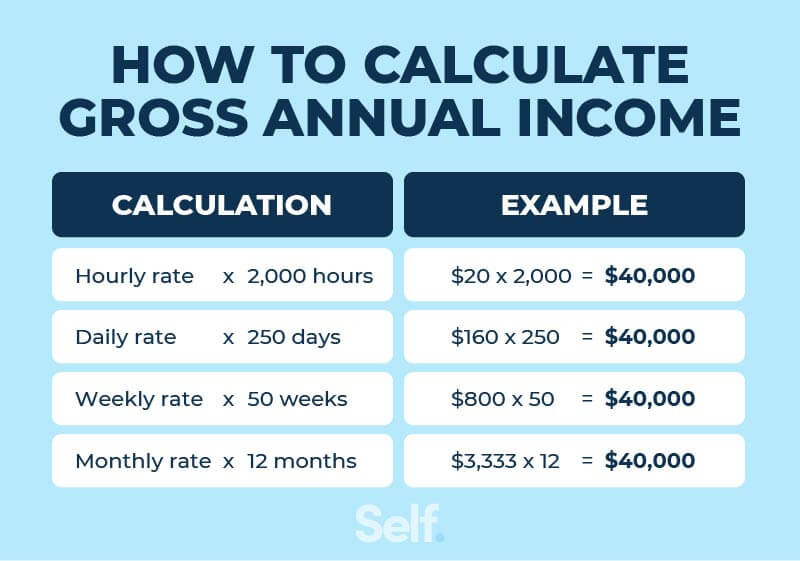
Hourly Rate × Hours Worked Per Week × 52 Weeks = Gross Yearly Salary- Example: If you earn $25 per hour and work a standard 40-hour week: $25/hour × 40 hours/week × 52 weeks/year = $52,000 gross yearly salary.
- Accounting for Variability: This calculation assumes a consistent work schedule. If your hours fluctuate, consider using an average number of hours per week or factoring in potential overtime and unpaid leave to get a more realistic estimate.
From Bi-Weekly or Bi-Monthly Paychecks
Many employers pay on a bi-weekly (every two weeks) or bi-monthly (twice a month) basis.
- Bi-Weekly Pay: Since there are 52 weeks in a year, you’ll receive 26 paychecks.
Bi-Weekly Paycheck Amount × 26 Pay Periods = Gross Yearly Salary
- Bi-Monthly Pay: This means you receive 24 paychecks per year.
Bi-Monthly Paycheck Amount × 24 Pay Periods = Gross Yearly Salary
From Monthly Salary
If you receive a consistent monthly salary, this is the most straightforward calculation.
Monthly Salary Amount × 12 Months = Gross Yearly Salary
Accounting for Variable Income
For individuals whose income isn’t fixed, such as those earning significant commissions, bonuses, or engaged in freelance work, estimating a yearly salary requires a different approach.
- Commissions and Bonuses: Look at past performance. If these are regular, average them over a period (e.g., the last 12 months) and add them to your base salary. If they are irregular, consider a conservative estimate or exclude them from your “guaranteed” income for budgeting purposes.
- Freelance/Gig Economy Income: Sum up all your earnings from different clients over a year. If you’re new, project based on your current rate and workload, but always factor in potential downtime or client acquisition challenges.
- Seasonal Work: If your income varies seasonally, sum up all earnings over a full 12-month cycle to get an accurate yearly figure.
Utilizing Pay Stubs and Tax Documents
The most accurate and reliable sources for determining your yearly salary are your official documents:
- Pay Stubs: Each pay stub usually shows your “Year-to-Date (YTD)” gross and net earnings. Simply check your final pay stub of the year (or extrapolate from your current YTD figure if it’s mid-year) to find your exact numbers.
- W-2 Form: Your W-2 form, provided by your employer for tax purposes, clearly states your total gross wages for the year in Box 1. This is the definitive source for your taxable gross income.
- 1099 Forms: If you’re a freelancer or independent contractor, you’ll receive 1099 forms from clients, which report your gross earnings from them. Summing these up will give you your total freelance income.
Beyond the Paycheck: Total Compensation Package
While your yearly salary is a critical number, it rarely tells the whole story of your financial compensation. A comprehensive understanding requires evaluating your entire “total compensation package,” which includes the monetary value of various benefits and perks.
The Value of Employee Benefits
Many employers offer a suite of benefits that add substantial value to your overall compensation, even if they don’t appear in your take-home pay. These can represent thousands or even tens of thousands of dollars annually.

- Health Insurance: Employer contributions to health, dental, and vision insurance premiums are a significant benefit. Compare the cost of an individual plan on the open market to your employer’s contribution to appreciate its value.
- Life and Disability Insurance: Company-provided life insurance and short-term or long-term disability coverage offer crucial financial protection.
- Paid Time Off (PTO): Vacation days, sick leave, and paid holidays have a direct monetary value, allowing you to maintain income while not working.
Retirement Contributions and Matching
Employer contributions to your retirement accounts are often one of the most valuable, yet sometimes overlooked, parts of your compensation.
- 401(k)/403(b) Matching: Many companies offer to match a percentage of your contributions to these retirement plans. This “free money” is essentially part of your salary, deferred for retirement. For example, a 50% match on contributions up to 6% of your salary means your employer adds an additional 3% of your salary to your retirement fund.
- Pension Plans: While less common today, some companies still offer defined-benefit pension plans, which guarantee a specified monthly payment upon retirement.
Other Perks and Non-Cash Benefits
Beyond the standard, many employers provide additional perks that enhance your work-life balance and financial standing.
- Stock Options/Grants: The opportunity to buy or receive company stock, which can grow significantly in value.
- Profit Sharing: A portion of the company’s profits distributed to employees.
- Tuition Reimbursement: Financial assistance for continuing education or professional development.
- Wellness Programs: Gym memberships, health stipends, or on-site fitness facilities.
- Commuter Benefits: Subsidies for public transportation or parking.
- Company Car/Phone: Provided equipment or vehicles that save you personal expenses.
Why Total Compensation Matters
Considering your total compensation package is vital for several reasons:
- True Earning Power: It provides a more accurate picture of your overall financial gain from employment.
- Negotiation: When evaluating job offers or negotiating a raise, always consider the full spectrum of benefits, not just the base salary. A lower base salary with excellent benefits (e.g., high 401(k) match, comprehensive health plan) might be financially superior to a higher base salary with minimal benefits.
- Financial Planning: Understanding the value of these benefits helps you plan for future expenses (e.g., knowing your health insurance deductible) and long-term goals (e.g., projecting retirement savings).
Tools and Resources to Help You Calculate and Compare
Fortunately, you don’t have to navigate the complexities of salary calculation alone. A variety of tools and resources are available to help you accurately determine your yearly salary and understand its market value.
Online Salary Calculators
Numerous websites offer free online salary calculators that can estimate your net pay based on your gross income, location, and various deductions. These tools are particularly useful for:
- Net Pay Estimates: Input your gross salary, state, number of dependents, and other relevant information to get an estimated take-home pay.
- “What If” Scenarios: Experiment with different income levels or deduction amounts to see their impact on your net pay.
- Common Calculators: ADP, PaycheckCity, and various state government websites offer reliable payroll calculators.
Payroll Portals and HR Systems
Most employers use online payroll portals or Human Resources Information Systems (HRIS) where employees can access their pay stubs, view year-to-date earnings, and manage their benefits and tax withholdings. These are your most accurate real-time sources for income data.
Tax Software and Accountants
During tax season, tax preparation software (like TurboTax, H&R Block) or a professional accountant can help you reconcile your annual income from all sources (W-2s, 1099s, etc.) and understand the full picture of your yearly earnings, including taxable and non-taxable components. They can also offer insights into optimizing your withholdings for the coming year.
Industry Benchmarking Websites
To ensure your salary is competitive and to inform salary negotiations, consider using industry benchmarking websites:
- Glassdoor, Salary.com, LinkedIn Salary: These platforms allow you to search for average salaries based on job title, location, experience level, and industry. They often provide insights into total compensation, including bonuses and benefits, giving you a powerful tool for career progression.
- Bureau of Labor Statistics (BLS): For official government data on wages across various occupations and industries.
The Importance of Knowing Your Yearly Salary for Financial Planning
Knowing your yearly salary is not just an academic exercise; it’s a foundational element of sound financial planning. Every major financial decision you make will be influenced by your income.
Budgeting and Expense Tracking
Your net annual salary forms the basis of your personal budget. Without an accurate understanding of your take-home pay, creating a realistic budget that balances income with expenses is nearly impossible. It helps you:
- Allocate Funds: Decide how much to spend on housing, food, transportation, entertainment, and savings.
- Identify Overspending: Pinpoint areas where expenses exceed your income, allowing for adjustments.
- Achieve Financial Control: Move from reactive spending to proactive financial management.
Setting Financial Goals
Whether you’re saving for a down payment on a house, funding a child’s education, or building a retirement nest egg, accurate income figures are essential for setting achievable financial goals. You can project how long it will take to reach your targets and adjust your savings rate accordingly.
Debt Management
Understanding your income helps you create a strategic debt repayment plan. You can determine how much extra you can afford to put towards high-interest debts, accelerating your path to becoming debt-free. It also informs your decisions about taking on new debt, ensuring you don’t overextend yourself.
Tax Planning
Your gross yearly salary is the starting point for estimating your annual tax liability. Knowing this figure allows you to:
- Adjust Withholdings: Avoid underpaying or overpaying taxes throughout the year.
- Maximize Deductions and Credits: Work with tax professionals to identify opportunities to reduce your taxable income.
- Plan for Major Life Changes: Understand how changes in income, marriage, or having children will impact your tax situation.

Career Progression and Negotiation
Armed with accurate information about your current salary, total compensation, and market rates, you are in a much stronger position to negotiate raises, promotions, or new job offers. It empowers you to advocate for fair compensation, ensuring your skills and contributions are valued appropriately.
In conclusion, understanding how to figure out your yearly salary, both gross and net, and appreciating your total compensation package, is a fundamental skill for financial literacy. It’s a proactive step that empowers you to budget effectively, set ambitious financial goals, manage debt strategically, optimize tax planning, and confidently navigate your career path. Make it a habit to regularly review your income and compensation to maintain a clear picture of your financial standing and continually work towards a more secure financial future.
aViewFromTheCave is a participant in the Amazon Services LLC Associates Program, an affiliate advertising program designed to provide a means for sites to earn advertising fees by advertising and linking to Amazon.com. Amazon, the Amazon logo, AmazonSupply, and the AmazonSupply logo are trademarks of Amazon.com, Inc. or its affiliates. As an Amazon Associate we earn affiliate commissions from qualifying purchases.