
Understanding your total annual income is arguably the single most critical piece of information for effective personal finance management. It’s the bedrock upon which all other financial decisions are built – from budgeting and saving to investing and planning for retirement. Yet, for many, a clear, consolidated picture of their annual earnings remains elusive. Beyond a simple paycheck, income can flow from numerous sources, each requiring careful consideration to arrive at an accurate yearly sum. This article will guide you through the process of comprehensively calculating your annual earnings, highlight its profound importance, and introduce the tools that can simplify this essential financial task, all within the purview of prudent money management.

Unpacking Your Annual Income: Beyond the Obvious Paycheck
The term “income” often conjures images of a regular salary, but in today’s dynamic economic landscape, annual earnings are frequently a mosaic of various contributions. A true understanding of how much you make in a year necessitates looking beyond your primary employment.
Gross vs. Net Income: The Fundamental Distinction
Before delving into diverse income streams, it’s vital to differentiate between gross and net income. This foundational distinction impacts everything from your spending power to your tax obligations.
- Gross Income: This is your total earnings before any deductions are taken out. For salaried employees, it’s your annual salary before taxes, health insurance premiums, 401(k) contributions, and other pre-tax deductions. For self-employed individuals, it’s the total revenue generated by their business before operating expenses and taxes. This figure is crucial for understanding your earning potential and for tax purposes, as many income thresholds and calculations are based on gross income.
- Net Income (Take-Home Pay): This is the money you actually receive and have available to spend or save after all mandatory and voluntary deductions have been applied. It’s your gross income minus federal, state, and local income taxes, Social Security and Medicare taxes (FICA), health insurance premiums, retirement contributions, and any other pre-tax or post-tax deductions. While gross income paints a picture of your overall earning capacity, net income is what truly dictates your day-to-day budget and financial flexibility.
When calculating your annual income for financial planning, it’s beneficial to track both figures. Your gross income offers insight into your overall financial standing and potential, while your net income is the practical figure for everyday budgeting.
Incorporating All Income Streams
A holistic annual income calculation must account for every source of money flowing into your accounts over a 12-month period. Overlooking even seemingly small or irregular income can skew your financial picture significantly.
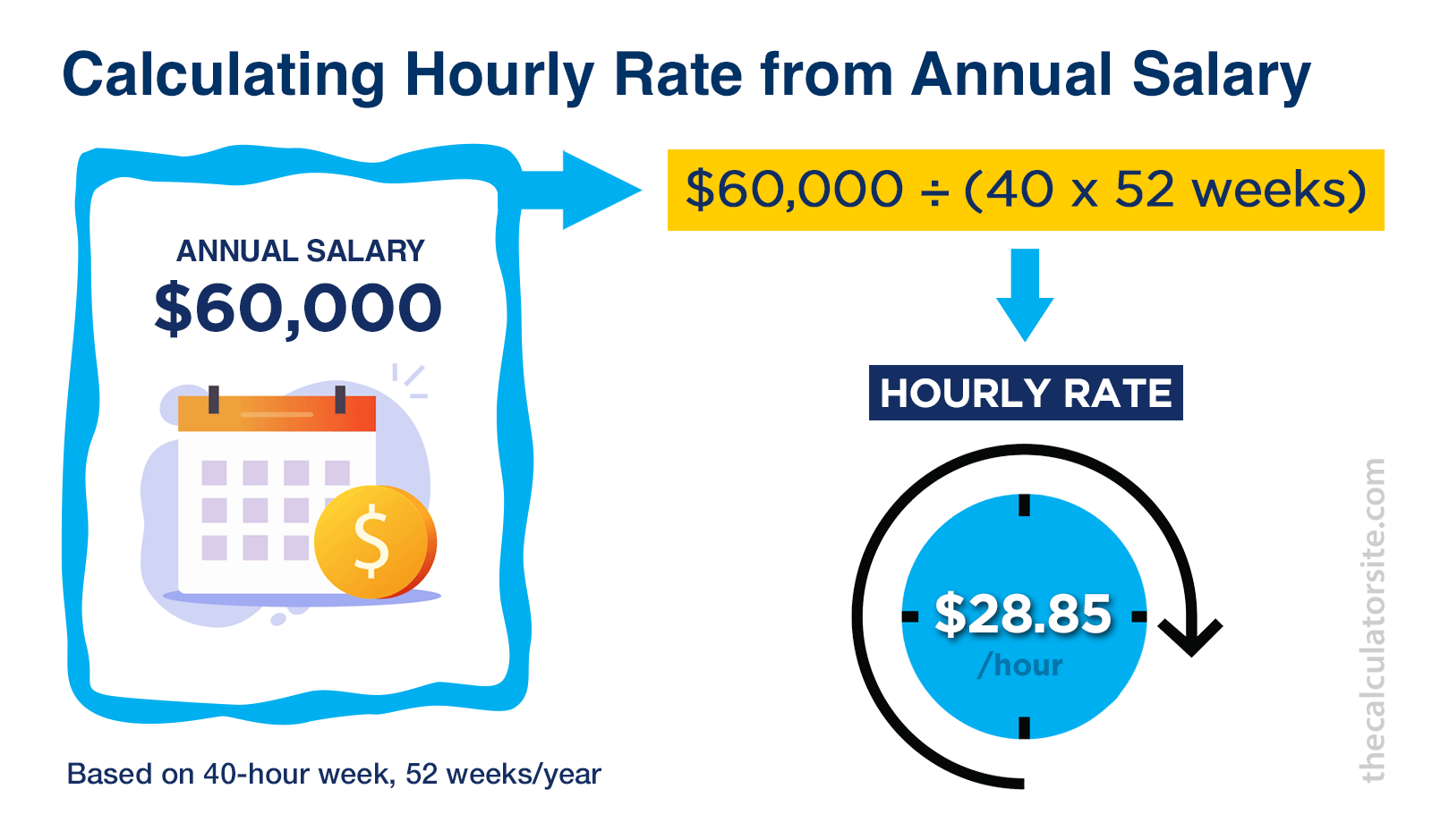
- Primary Employment Income: For most, this is the largest component. If salaried, it’s a straightforward annual figure. If hourly, multiply your hourly rate by the average number of hours worked per week, then by 52 weeks. Don’t forget to include any regular overtime pay, bonuses, or commissions.
- Side Hustle and Gig Economy Earnings: In an era of burgeoning online income opportunities, many supplement their primary earnings through freelancing, consulting, ride-sharing, food delivery, selling goods online, or creative pursuits. These irregular earnings can add up substantially and must be meticulously tracked, especially as they often involve self-employment taxes.
- Investment Income: This includes dividends from stocks, interest from savings accounts, CDs, bonds, and capital gains from selling investments. While often passive, this income contributes to your annual total and is taxable.
- Rental Income: If you own property and lease it out, the net income (rent received minus associated expenses like mortgage interest, property taxes, maintenance) forms part of your annual earnings.
- Benefits and Pensions: Social Security benefits, disability payments, alimony, child support, and pension distributions are all forms of income that contribute to your annual total.
- Royalty Income: For creators, authors, musicians, or inventors, royalties can be a recurring source of income.
- Business Income (for Entrepreneurs): If you own a business, your personal annual income from the business is typically derived from the profits after all business expenses are paid, often in the form of owner’s draws or salary.
Thoroughly cataloging all these sources provides a complete and accurate representation of your financial inflow for the year.
The Indispensable Value of Accurate Annual Income Calculation
Knowing precisely how much you make in a year isn’t just an academic exercise; it’s the foundation for sound personal finance, investing strategies, and long-term wealth building. Without this clarity, financial planning becomes guesswork, and critical decisions can be made on incomplete information.
Financial Planning and Budgeting
Your annual income is the cornerstone of any effective budget. It dictates how much you can realistically allocate to living expenses, savings, and debt repayment. An accurate annual income calculation allows you to:
- Create a Realistic Budget: By knowing your total income, you can set spending limits that prevent overspending and ensure you live within your means. This forms the basis for the 50/30/20 rule (50% needs, 30% wants, 20% savings/debt repayment) or any other budgeting method you prefer.
- Set Attainable Savings Goals: Whether saving for a down payment, a child’s education, or an emergency fund, your annual income determines how much you can comfortably set aside regularly.
- Manage Debt Effectively: Understanding your income empowers you to determine how much you can allocate to debt payments beyond the minimum, accelerating your path to becoming debt-free.
- Plan for Major Purchases: From buying a car to a home, lenders will assess your annual income to determine your borrowing capacity. Internally, you can use it to gauge affordability and plan your savings timeline.
Tax Implications and Planning
Taxes are an unavoidable component of earning income, and an accurate annual income calculation is paramount for tax planning and compliance.
- Estimate Tax Liability: Knowing your total gross income helps you estimate your annual federal, state, and local income tax liabilities. This is particularly crucial for self-employed individuals who often need to make quarterly estimated tax payments.
- Identify Tax Deductions and Credits: Your income level can impact your eligibility for certain tax deductions, credits, and government benefits. Knowing your exact annual income allows you to proactively identify opportunities to reduce your taxable income.
- Avoid Surprises: By understanding your total income throughout the year, you can adjust your tax withholdings or estimated payments to avoid a large tax bill or penalty come tax season, or conversely, ensure you don’t overpay and receive a smaller refund than desired.
Goal Setting and Progress Tracking
Financial goals, whether short-term or long-term, are meaningless without a clear understanding of your earning capacity.
- Quantify Financial Goals: Whether it’s saving $10,000 in a year, increasing your retirement contributions, or hitting a specific net worth target, these goals are directly tied to your income. An accurate annual income helps you set realistic, measurable goals.
- Track Progress: Regular monitoring of your annual income allows you to track your financial growth. Are you earning more than last year? Are your side hustles paying off? This insight fuels motivation and informs decisions about career advancement or exploring new income streams.
- Assess Financial Health: A consistent review of your annual income alongside your expenses and savings provides a comprehensive snapshot of your overall financial health, allowing for timely adjustments and strategic shifts.
Tools and Methods for Calculating Your Annual Income
While the concept of calculating annual income is simple, the practical execution can involve numerous figures and varying frequencies. Fortunately, a range of tools and methods exist to streamline this process, from manual worksheets to sophisticated online financial applications.
Manual Calculation Worksheets
For those who prefer a hands-on approach or have relatively few income sources, a simple worksheet can be highly effective.
- Spreadsheet Columns: Create columns for each income source (e.g., “Primary Salary,” “Freelance Project A,” “Investment Dividends,” “Rental Income”).
- Monthly Aggregation: For each source, list the monthly income received. For irregular income, average it over a few months or record each instance.
- Annual Summation: Sum all monthly incomes for each category, then add these annual sums together to get your total gross annual income. Don’t forget to account for annual bonuses or one-time payments.
- Net Income Calculation: On a separate section, list all annual deductions (taxes, insurance, retirement) and subtract them from your gross income to arrive at your net annual income.
This method provides granular control and a clear visual breakdown, making it easy to identify where your money comes from.
Spreadsheet Templates (Excel/Google Sheets)
Leveraging spreadsheet software takes manual calculation to the next level by introducing automation through formulas and organization.
- Pre-built Templates: Many free templates are available online for budgeting and income tracking. These often come with pre-configured formulas for annual calculations.
- Customization: You can easily customize a spreadsheet to fit your specific income streams and deduction categories.
- Formulas for Automation: Use SUM functions to automatically total columns and rows. You can set up formulas to calculate percentages (e.g., percentage of income saved) or averages for irregular income.
- Visualizations: Spreadsheets allow for charts and graphs, offering a visual representation of your income distribution and growth over time, which can be highly insightful.
Google Sheets is particularly useful for its accessibility from any device and easy sharing capabilities if you’re working with a financial advisor or partner.
Online Income Calculators and Financial Apps
For maximum convenience and integration, online tools and financial management apps offer sophisticated solutions.
- Dedicated Income Calculators: Many financial websites offer free “salary calculators” or “income calculators.” You input your hourly wage or salary, and the calculator estimates your annual, monthly, or weekly gross and net pay, often factoring in common deductions based on your location and filing status.
- Budgeting Apps (e.g., Mint, YNAB, Personal Capital): These apps connect directly to your bank accounts, credit cards, and investment accounts. They automatically categorize transactions, track income, and provide real-time updates on your financial standing. While their primary function is budgeting, they often offer robust reporting features that summarize your total income over specified periods (e.g., annually).
- Tax Software Integration: Some advanced financial planning tools and tax preparation software (e.g., TurboTax, H&R Block) allow you to import income data directly from employers or financial institutions, automatically aggregating it for tax purposes and providing a comprehensive annual income overview.
- Advantages: These tools offer unparalleled convenience, accuracy (especially with direct data feeds), and often provide additional insights into spending habits and investment performance that are hard to glean manually.
The best tool for you will depend on the complexity of your income situation and your preference for automation versus manual control. However, consistently tracking your income is more important than the specific tool you choose.
Beyond the Numbers: Strategies for Maximizing Your Annual Earnings
Understanding how much you make is the first step; the next is strategically working towards increasing that figure. Within the realm of personal finance, maximizing your annual earnings is a powerful lever for achieving financial independence and security.
Identifying Opportunities for Growth (Raises, Promotions)
Your primary employment is often the most direct path to increasing your annual income. Proactive engagement with your career can yield significant results.
- Skill Development: Invest in acquiring new skills or refining existing ones that are in high demand within your industry. Certifications, advanced degrees, or specialized training can justify higher compensation.
- Performance Excellence: Consistently exceeding expectations and delivering measurable results provides strong leverage for salary negotiations. Keep a record of your accomplishments throughout the year.
- Strategic Negotiations: Don’t shy away from negotiating your salary when taking a new role or during annual reviews. Research industry benchmarks for your position and location to present a compelling case.
- Pursue Promotions: Actively seek out opportunities for advancement. Promotions often come with significant salary increases and expanded responsibilities. Understand the requirements for the next level in your career path and work towards them.
Exploring Side Hustles and Passive Income
The internet has democratized income generation, making it easier than ever to supplement your primary earnings through various ventures.
- Leverage Existing Skills: Offer your professional skills as a freelancer (e.g., writing, graphic design, web development, consulting) on platforms like Upwork, Fiverr, or LinkedIn.
- Gig Economy Participation: Driving for ride-sharing services, delivering food, or running errands can provide flexible income on your own schedule.
- E-commerce and Online Sales: Selling products (handmade goods, dropshipped items, vintage finds) through platforms like Etsy, Shopify, or eBay can generate substantial supplementary income.
- Content Creation: Blogging, vlogging, podcasting, or creating online courses can eventually lead to significant passive income through advertising, sponsorships, or direct sales.
- Passive Investment Income: While requiring initial capital, investments in dividend stocks, REITs, high-yield savings accounts, or even peer-to-peer lending can generate income with minimal ongoing effort. The goal is to make your money work for you.
- Rental Income: If feasible, investing in rental properties can provide a consistent passive income stream after initial setup and management.
Diversifying your income sources not only boosts your annual earnings but also provides a buffer against economic downturns or job insecurity.

The Role of Financial Education
Perhaps the most underestimated strategy for maximizing annual earnings is continuous financial education. The more you understand about personal finance, investing, and economic trends, the better equipped you are to make informed decisions that impact your income.
- Market Awareness: Stay informed about salary trends in your industry and the broader job market. This knowledge empowers you during salary negotiations.
- Investment Knowledge: Understanding different investment vehicles, risk management, and market cycles allows you to make smarter investment decisions that grow your wealth and generate passive income.
- Tax Planning Acumen: Knowledge of tax laws, deductions, and credits can help you legally optimize your income and retain more of what you earn.
- Entrepreneurial Skills: If pursuing side hustles or starting a business, knowledge of marketing, sales, and business finance is critical for success and maximizing profitability.
In conclusion, knowing “how much do I make in a year” is more than just a number; it’s the gateway to financial literacy, strategic planning, and wealth accumulation. By diligently tracking all your income sources, utilizing appropriate financial tools, and actively seeking opportunities to increase your earnings, you empower yourself to achieve your financial goals and build a secure future.
aViewFromTheCave is a participant in the Amazon Services LLC Associates Program, an affiliate advertising program designed to provide a means for sites to earn advertising fees by advertising and linking to Amazon.com. Amazon, the Amazon logo, AmazonSupply, and the AmazonSupply logo are trademarks of Amazon.com, Inc. or its affiliates. As an Amazon Associate we earn affiliate commissions from qualifying purchases.