
In the realm of personal wellness and self-care, a professional massage stands out as a sanctuary for relaxation, stress relief, and physical rejuvenation. However, alongside the myriad benefits comes a common query that often leaves clients pondering: “What should I tip for a massage?” This seemingly simple question delves into a broader discussion about industry standards, professional appreciation, personal finance, and even the subtle interplay of modern technology and individual branding. Understanding the nuances of massage tipping isn’t just about adhering to etiquette; it’s about acknowledging the skill and effort of the therapist, contributing to their livelihood, and making informed financial decisions as a consumer of wellness services.
For many, a massage is a deliberate investment in their physical and mental well-being, yet the financial etiquette surrounding it can feel ambiguous. Unlike a restaurant bill where tip percentages are widely understood, the massage industry sometimes presents a less clear-cut scenario. This guide aims to demystify the practice of massage tipping, providing a thorough breakdown that considers various factors, from the type of service and location to the payment methods available through modern technology, and how your approach to tipping can even reflect on your personal brand as a conscientious client. By the end, you’ll be equipped with the knowledge to tip confidently, ensuring your gesture is both appropriate and appreciative, aligning with principles of sound personal finance and respectful engagement with service professionals.
The Core Etiquette of Massage Tipping: Why, When, and How Much?
Tipping, at its heart, is a gesture of gratitude and an acknowledgment of excellent service. In the massage industry, it forms a significant portion of a therapist’s income, making it not just a bonus but an expected and vital component of their compensation. Navigating this landscape requires understanding the underlying reasons for tipping, the generally accepted financial guidelines, and how these practices adapt to different service environments.
Understanding the “Why”: More Than Just a Number
The act of tipping transcends mere obligation; it’s a direct way to communicate appreciation for the therapist’s skill, effort, and personalized attention. Massage therapists undergo extensive training, often carrying student debt, and continually invest in professional development to hone their craft. They pour physical and emotional energy into each session, aiming to alleviate pain, reduce stress, and promote healing for their clients. Many therapists are paid an hourly rate or a commission per massage, which doesn’t always fully reflect the demanding nature of their work or the time spent preparing for and cleaning up after each client.
From a personal finance perspective, budgeting for a massage should always include the tip. Viewing the tip as an optional extra can inadvertently devalue the service provided. Instead, consider it an integral part of the total cost of your wellness investment. By tipping appropriately, you contribute to a sustainable ecosystem where skilled professionals are fairly compensated, encouraging them to continue providing high-quality care. This support also fosters a positive relationship between client and therapist, which can lead to more personalized and effective treatments in the future.
The Golden Rule: Standard Tipping Percentages
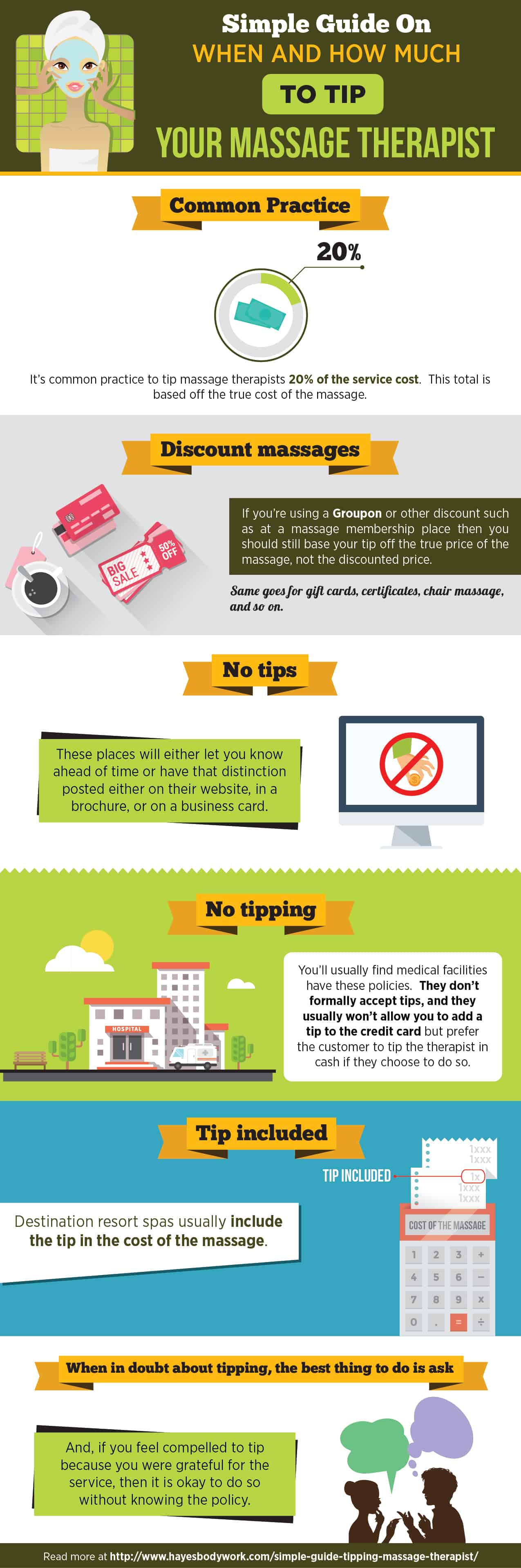
When it comes to the practical question of “how much,” the massage industry generally aligns with tipping norms found in other service sectors. The most widely accepted guideline suggests tipping between 15% and 20% of the service’s original price. This percentage serves as a reliable baseline for good to excellent service.
- 15%: This is typically considered the minimum for satisfactory service. If the massage was good, met your expectations, and the therapist was professional, 15% is a polite and acceptable tip.
- 18%: This often represents a strong average for very good service. The therapist went above and beyond, showed particular attentiveness, or demonstrated exceptional skill.
- 20% or More: Reserved for truly exceptional experiences. If the massage was outstanding, transformative, or if the therapist provided extraordinary care that significantly improved your condition or mood, a 20% tip (or even slightly more) is a powerful way to express your profound gratitude.
It’s crucial to calculate this percentage based on the full price of the service, even if you received a discount, used a gift certificate, or had a package deal. The therapist’s effort and skill remain the same regardless of what you personally paid. Tipping on the discounted price would mean the therapist receives less for the same amount of work, which can be an oversight for many budget-conscious clients.
Navigating Different Scenarios: Spa, Independent Therapist, and Discounts
The context in which you receive your massage can subtly influence tipping norms, though the 15-20% rule largely holds across the board.
- Full-Service Spas and Salons: In these environments, tips are generally expected. Your tip usually goes directly to your therapist, but sometimes a small portion might be shared with support staff (like attendants who prepare the room). If you’re unsure, it’s always acceptable to ask how tips are distributed. When booking online or through a spa’s proprietary app (a tech integration), observe if a service charge or gratuity is automatically added; if so, you might adjust your tip accordingly, or add extra for exceptional service.
- Independent Practitioners/Home Offices: When visiting a therapist who operates their own business from a private studio or home office, tipping is still highly appreciated. While they might set their own prices to cover overhead, the tip directly supplements their income and acknowledges their direct provision of service. In these cases, your tip might feel even more personal and impactful.
- Mobile Massage Therapists: For therapists who travel to your home or office, consider the additional effort involved in transport, setup, and breakdown. A slightly higher tip might be warranted to account for their added logistics and time. This is especially true if their fee doesn’t explicitly include a travel charge.
- Discounted Services and Gift Certificates: As mentioned, always tip on the original, pre-discounted price. Whether you purchased a deal through an online platform (like Groupon, a common example of consumer tech facilitating services) or received a gift certificate, the therapist performed the same service. Your tip ensures they are fairly compensated.
Beyond the Basics: Factors Influencing Your Tip and Financial Considerations
While the standard percentages provide a solid foundation, several other elements can and should factor into your final tipping decision. These considerations allow for a more personalized and equitable approach, aligning with both the value of the service received and your personal financial planning.
Service Quality and Therapist Expertise: Rewarding Excellence
The most significant variable in determining your tip should be the quality of the massage itself and the expertise demonstrated by your therapist. This isn’t just about technique; it encompasses the entire client experience:
- Skill and Technique: Did the therapist effectively address your problem areas? Was their pressure appropriate and consistent? Did they use a variety of techniques to achieve your desired outcome?
- Professionalism and Communication: Was the therapist punctual, courteous, and attentive? Did they listen to your concerns, clearly explain their approach, and check in on your comfort during the session? Good communication fosters trust and enhances the therapeutic experience.
- Personalized Attention: Did the therapist tailor the massage to your specific needs and preferences, rather than delivering a generic routine? Did they offer post-massage advice or stretches?
- Environment and Ambiance: While not solely the therapist’s responsibility, a clean, comfortable, and relaxing environment contributes to the overall experience. If the therapist went out of their way to ensure your comfort within that setting, it’s worth noting.
Conversely, if the service was subpar—the therapist was late, seemed disengaged, or didn’t meet basic professional standards—it might influence your tip downwards. However, before withholding a tip entirely, consider addressing your concerns with the spa management first. A zero tip should be reserved for truly egregious service failures, and even then, direct feedback is often more constructive.
Location, Duration, and Type of Massage: Adjusting Your Expectations
The cost of a massage can vary significantly based on where you are and what kind of treatment you’re receiving. These factors, in turn, can subtly impact your tipping strategy.
- Geographic Location: Massage prices, and consequently tip amounts, tend to be higher in major metropolitan areas or affluent regions due to higher costs of living and business operations. Be mindful of local customs and expected service industry wages in your area.
- Duration: A 90-minute massage requires more of a therapist’s time and physical exertion than a 30-minute session. Your tip should reflect this increased investment of their effort, generally scaling with the service cost.
- Type of Massage: Specialized massages (e.g., deep tissue, hot stone, prenatal, lymphatic drainage) often require additional training, specific tools, and more intense physical application from the therapist. While these are typically priced higher, reflecting the added expertise, consider if the specific demands of the modality warrant a tip at the higher end of the standard percentage range, particularly if the therapist excelled in delivering the specialized technique.
Budgeting for Wellness: Integrating Self-Care into Your Financial Plan
For many, massage therapy is not a one-off luxury but an integral part of their ongoing health and wellness routine. Integrating these expenses, including tips, into your personal financial plan is a smart approach.

- Allocate a Wellness Budget: Just as you budget for groceries, utilities, and entertainment, create a specific line item for self-care services like massages. This helps you understand how much you can realistically spend without impacting other financial goals. Many modern financial tools and apps (like Mint, YNAB, or even simple spreadsheet software) allow for detailed category tracking, making this easy.
- Consider Packages and Memberships: Many spas and independent therapists offer discounted packages for multiple sessions or monthly memberships. While these save you money on the base price, remember to budget for a tip on each session’s original value. These options can be a smart financial strategy, providing predictable costs for regular wellness maintenance.
- Emergency Fund for Self-Care: If you rely on massage for chronic pain management or stress relief, consider having a small portion of your emergency fund or a dedicated savings pot for these essential wellness services. This ensures you can access care when needed, even if unexpected expenses arise elsewhere.
- Cash vs. Card for Tipping: While most establishments accept card payments for tips, bringing cash can sometimes be beneficial. It ensures the therapist receives their tip immediately and in full, without any processing fees or potential delays that might occur with card tips being processed through a salon’s payroll system. This flexibility in payment options is a modern financial convenience.
The Digital Edge: Tipping in the Modern Age with Tech and Brand in Mind
The evolution of technology has profoundly impacted how we interact with service industries, including massage therapy. From booking appointments to making payments, digital tools have streamlined processes, but they also introduce new considerations for tipping and how our actions reflect on both our personal financial habits and our “brand” as a client.
Navigating Payment Methods: Cash, Card, and Digital Wallets
Technology has diversified the ways we can pay for services, and consequently, how we tip.
- Credit/Debit Card: Most spas and clinics allow you to add a tip when paying by card at the front desk. Point-of-Sale (POS) systems, which are sophisticated software solutions, often prompt you with suggested tip percentages (e.g., 15%, 18%, 20%) or an option to enter a custom amount. This is convenient but remember that the therapist might not receive their tip until payday, and the business might incur a small processing fee.
- Digital Payment Apps (Venmo, PayPal, Zelle, Square): For independent therapists, especially those who operate their own businesses, direct digital payment apps are increasingly common for tips. Platforms like Venmo or PayPal allow for instant, peer-to-peer transfers, ensuring the therapist receives their tip immediately and often without fees (if using bank accounts rather than credit cards). Some therapists also use Square or other mobile POS systems that allow for seamless card processing and tip addition on their own devices. This embrace of digital financial tools is a significant tech trend in small businesses.
- Cash: As mentioned earlier, cash remains a universally appreciated method for tipping. It’s direct, immediate, and ensures the therapist receives the full amount without any deductions or delays. If you prefer to pay for the service with a card, consider having cash on hand specifically for the tip.
When deciding, think about the convenience for you versus the benefit for the therapist. A thoughtful approach considers both.
Online Booking and Review Platforms: Tech’s Role in Transparency and Reputation
Technology platforms play a crucial role in shaping the client experience and therapist’s professional standing, indirectly influencing tipping.
- Online Booking Systems: Websites and apps (like Mindbody, Vagaro, or a spa’s proprietary app) allow clients to easily find, schedule, and sometimes even pre-pay for massage services. These platforms often display pricing clearly, allowing clients to budget for the total cost, including the expected tip, before their appointment. This transparency, facilitated by tech, empowers clients to make informed financial decisions.
- Review Platforms (Google, Yelp, Spa-Specific Sites): Post-massage, clients often turn to online review platforms to share their experiences. Exceptional service, which often correlates with a generous tip, can translate into glowing reviews. These reviews are vital for a therapist’s personal brand and a spa’s corporate identity and reputation. Positive reviews attract new clients, potentially increasing a therapist’s income and their value within an organization. A thoughtful client understands that their tip, combined with a positive review, amplifies the appreciation and professional recognition for the therapist. Conversely, a poor review can significantly harm a therapist’s brand and client acquisition.
Building Your Personal Brand as a Client: The Value of Thoughtful Tipping
While we often think of “branding” in terms of businesses or professionals, clients too can cultivate a personal brand through their interactions with service providers. Being known as a considerate and appreciative client offers intangible benefits.
- Fostering Strong Relationships: Therapists, like any service professional, remember clients who are respectful and show appreciation, including through fair tipping. This can lead to a more personalized experience in future sessions, with the therapist remembering your preferences, needs, and progress. It contributes to a positive client-therapist dynamic that enhances the long-term value of your wellness investment.
- Reputation and Reciprocity: In smaller communities or within specific wellness circles, word can travel. Being known as a good tipper contributes to a positive client reputation. While not the primary motivation, this can subtly enhance your experience, as professionals are often more invested in going the extra mile for clients who consistently value their work.
- Ethical Consumerism: Aligning with modern values of ethical consumerism, fair tipping is part of supporting local businesses and independent professionals. It’s a small financial act that contributes to the broader economic well-being of the service industry, reflecting positively on your brand as a conscientious consumer.
Frequently Asked Questions & Advanced Tipping Scenarios
Even with general guidelines, specific situations can arise that make tipping feel complex. Here are answers to common questions and advice for nuanced scenarios.
What if I have a gift certificate or package deal?
As reiterated, always tip on the original, full price of the massage, not the discounted or gifted amount. The therapist performs the same service regardless of how the session was paid for. Ensure your budget for a gift certificate or package also includes the expected tip.
Should I tip the owner?
This is a common point of confusion. If the owner of the spa or clinic provides your massage, the etiquette can vary. In some smaller, owner-operated establishments, tipping the owner is still customary and appreciated, as they are directly providing the service. In larger spas where the owner is primarily a manager and not actively performing services, tipping the owner is generally not expected unless they directly provided your service. When in doubt, it’s safer to tip the owner as you would any other therapist if they are hands-on.
Is there a difference for mobile massage therapists?
Yes, as mentioned earlier, mobile massage therapists incur additional costs and time for travel, setup, and breakdown. While their base fee might reflect this, a slightly higher tip (perhaps at the higher end of the 20% range) is a thoughtful way to acknowledge their extended effort and convenience they provide by bringing the service to you.
When in doubt: The Power of a Simple Question
If you are ever truly unsure about tipping customs at a particular establishment, or how tips are handled (e.g., if a service charge is already included), don’t hesitate to politely ask the front desk staff or the booking coordinator. A simple question like, “What is the typical tipping etiquette here?” or “Is gratuity included in the price?” is perfectly acceptable and shows you are a thoughtful client. Their guidance can alleviate any anxiety and ensure your tip is appropriate. This direct communication is the simplest financial tool for clarity.

Conclusion: Tipping as an Investment in Wellness and Professionalism
Tipping for a massage is more than just a transaction; it’s a critical component of personal finance, professional recognition, and client-therapist rapport. By understanding the standard percentages, factoring in service quality, and being mindful of the various contexts and payment methods available through modern technology, you can approach the act of tipping with confidence and generosity.
Remember, your tip is a direct financial investment in the skilled professionals who dedicate themselves to your well-being. It acknowledges their expertise, supports their livelihood, and fosters a positive environment for both client and therapist. By integrating thoughtful tipping into your wellness budget and considering its impact on professional reputations and brand, you ensure that your investment in self-care is complete, respectful, and truly appreciative. So, the next time you float out of a massage session, you can do so not only physically rejuvenated but also with the financial peace of mind that you’ve compensated your therapist fairly and thoughtfully.
aViewFromTheCave is a participant in the Amazon Services LLC Associates Program, an affiliate advertising program designed to provide a means for sites to earn advertising fees by advertising and linking to Amazon.com. Amazon, the Amazon logo, AmazonSupply, and the AmazonSupply logo are trademarks of Amazon.com, Inc. or its affiliates. As an Amazon Associate we earn affiliate commissions from qualifying purchases.