
For investors and traders residing on the West Coast of North America, understanding the intricacies of stock market hours, particularly the closing time in Pacific Time (PT), is not merely a matter of curiosity—it’s a critical component of effective financial strategy. The U.S. stock market, primarily represented by the New York Stock Exchange (NYSE) and Nasdaq, operates on Eastern Time (ET), setting a unique rhythm that Pacific Time participants must meticulously follow. This article will demystify the market’s closing bell, delve into extended trading opportunities, shed light on market holidays, and explore the strategic implications for those navigating the financial markets from a Pacific Time zone. By gaining a comprehensive understanding of these operational nuances, investors can optimize their trading decisions, manage risk, and leverage opportunities irrespective of their geographical location.
Understanding Standard Market Hours and Pacific Time Conversion
The U.S. stock market adheres to a standardized schedule, but for anyone outside the Eastern Time zone, a simple conversion is necessary. This section clarifies the official hours and translates them into the Pacific Time framework, highlighting why this geographical awareness is paramount for West Coast investors.
The New York Stock Exchange and Nasdaq: Eastern Time Anchors
The vast majority of U.S. equity trading occurs on two primary exchanges: the New York Stock Exchange (NYSE) and the Nasdaq Stock Market. Both are physically located in New York City, and as such, their operational hours are anchored in Eastern Time (ET). The standard trading session for these markets is from 9:30 AM ET to 4:00 PM ET, Monday through Friday, excluding specific market holidays. This six-and-a-half-hour window is when the bulk of price discovery and trading volume takes place, characterized by continuous auction trading on the NYSE and electronic trading on the Nasdaq. Understanding this foundational ET schedule is the first step in converting it to any other time zone. The concentration of financial institutions, major corporations, and market makers in the Eastern Time zone further solidifies ET as the de facto standard for U.S. market operations, making it essential for all participants to align their clocks to this rhythm.
Direct Conversion: From ET to PT Closing Bells
To determine when the stock market closes in Pacific Time, a straightforward three-hour subtraction from Eastern Time is required. Given the standard closing time of 4:00 PM ET, the U.S. stock market officially closes at 1:00 PM PT. This means that for individuals in California, Oregon, Washington, Nevada, and other areas observing Pacific Time, their window for standard market participation ends shortly after lunch. The market opens at 6:30 AM PT, meaning the entire trading day unfolds for West Coast residents well before the traditional workday begins for many, and concludes while many are still in the midst of their afternoon. This direct conversion is critical for timely order placement, market monitoring, and reaction to intraday news. Missing this window can mean delayed execution, missed opportunities, or an inability to adjust positions based on real-time market dynamics.
Why Geographical Awareness is Crucial for West Coast Investors
For investors situated on the West Coast, precise geographical and temporal awareness is not just an advantage; it’s a necessity for competitive and effective investing. The 1:00 PM PT closing time means that major market-moving news or economic data released in the afternoon on the East Coast will directly impact their portfolios either in the after-hours session or, more significantly, on the opening bell the following day. West Coast investors must develop strategies to account for this temporal lag. For example, a professional working a standard 9-to-5 job in PT might find themselves unable to actively trade during the core market hours, necessitating reliance on pre-market/after-hours trading or strategic use of limit orders. Moreover, early morning market opens at 6:30 AM PT often coincide with personal routines, requiring dedicated effort to monitor initial market reactions. This awareness fosters disciplined planning, from scheduling trading activities to setting up alerts and leveraging brokerage tools that display times in local zones, ensuring they remain synchronized with the market’s heartbeat.
Beyond Standard: Exploring Extended Trading Sessions
The market’s influence doesn’t strictly adhere to the 9:30 AM to 4:00 PM ET window. Extended trading hours—pre-market and after-hours sessions—offer additional opportunities (and risks) for investors to react to news and execute trades outside the standard session. For Pacific Time traders, these periods take on unique significance.
Pre-Market Trading: Getting a Head Start
Pre-market trading allows investors to place trades before the official opening bell. While hours can vary slightly depending on the brokerage, it typically runs from 4:00 AM ET to 9:30 AM ET. For Pacific Time investors, this translates to 1:00 AM PT to 6:30 AM PT. This early window is often characterized by lower liquidity and higher volatility, driven by corporate earnings reports, economic data releases, and global market movements that occur overnight or in the very early morning. For a PT investor, this means waking up extremely early to participate, or at least to monitor, these initial market reactions. Getting a “head start” can involve reacting to news that broke after the previous day’s close, adjusting positions before the main market opens, or taking advantage of initial price swings. However, the reduced volume during these hours means wider bid-ask spreads and potential for significant price gaps once the regular session begins.
After-Hours Trading: Reacting to Late-Breaking News
After-hours trading picks up where the regular session leaves off, typically running from 4:00 PM ET to 8:00 PM ET. For Pacific Time traders, this period spans 1:00 PM PT to 5:00 PM PT. This session is crucial for reacting to news that breaks immediately after the market closes, such as quarterly earnings announcements, analyst upgrades/downgrades, or unforeseen geopolitical developments. For a PT investor, this means they can react to post-market news without waiting until the next trading day. While it extends the trading day, after-hours trading, like pre-market, comes with its own set of challenges, including lower liquidity, increased volatility, and the potential for larger price swings on relatively small trading volumes. It’s an environment for nimble traders comfortable with heightened risk, particularly for those looking to capitalize on immediate reactions to fresh information.
The Strategic Importance of Extended Hours for Pacific Time Traders
For Pacific Time traders, extended hours are not just an option but often a strategic necessity. Given the standard market’s early close at 1:00 PM PT, the after-hours session becomes the only immediate avenue to react to significant news that breaks during their afternoon. Similarly, the pre-market session, starting at 1:00 AM PT, allows for early engagement with global market shifts and overnight news cycles. This means PT traders might find themselves needing to be active outside typical personal or professional hours.
Strategically, extended hours can be used to:
- Gain an Edge: React to breaking news before the broader market has a chance to fully digest it during regular hours.
- Manage Risk: Adjust positions or exit trades if adverse news is released after the market closes in PT.
- Capitalize on Volatility: High volatility can mean significant profit opportunities, though it also carries substantial risk.
However, PT traders must exercise caution due to lower liquidity, which can lead to larger price discrepancies and difficulty in executing large orders at desired prices. Understanding these dynamics is paramount for integrating extended-hours trading effectively into a comprehensive investment strategy.
Navigating Market Holidays and Early Closures
Beyond the daily grind, the stock market also observes specific holidays and occasional early closures, impacting all investors regardless of time zone. For Pacific Time investors, knowing these dates is crucial for uninterrupted planning and avoiding missed opportunities or unexpected portfolio movements.
Recognizing Official Stock Market Holidays

The U.S. stock market observes several federal holidays throughout the year, during which all trading is suspended. These include New Year’s Day, Martin Luther King, Jr. Day, Presidents’ Day, Good Friday, Memorial Day, Juneteenth National Independence Day, Independence Day, Labor Day, Thanksgiving Day, and Christmas Day. The exact dates can shift slightly year to year, especially for holidays that fall on a weekend, in which case the market might close on the preceding Friday or following Monday. For Pacific Time investors, these full-day closures mean absolutely no trading activity from 1:00 AM PT to 5:00 PM PT on those specific days, impacting strategy adjustments or emergency trades. It’s essential for investors to mark these dates on their calendars and check the official NYSE or Nasdaq websites for the most up-to-date schedule to avoid making trading assumptions on non-trading days.
Early Closures: Specific Circumstances and Their Impact
In addition to full holidays, the stock market occasionally observes early closures, typically on the day before or after certain holidays. For instance, the market often closes early at 1:00 PM ET (10:00 AM PT) on the day after Thanksgiving (Black Friday) and sometimes on Christmas Eve. These shortened trading sessions can catch unprepared investors off guard. For Pacific Time investors, an early closure at 10:00 AM PT means their trading window is significantly truncated, ending just as many on the West Coast might be settling into their morning. These half-days can see reduced trading volumes and increased volatility as participants rush to close out positions or react to news within a condensed timeframe. The impact includes less time for market analysis, reduced liquidity, and potentially wider spreads, making precise execution more challenging. Being aware of these exceptions is vital for managing orders, especially for day traders or those with time-sensitive strategies.
Planning Your Trading Around Non-Standard Days
Effective financial planning for Pacific Time investors must incorporate an awareness of all market holidays and early closures. This involves more than just knowing when the market is shut; it’s about strategically adjusting your trading behavior.
Before a Holiday: Consider reducing exposure or closing out short-term positions to avoid being at the mercy of overnight news or global market movements while the U.S. market is closed.
During Early Closures: Be prepared for heightened volatility and lower liquidity. If you need to make trades, do so early in the session and prioritize limit orders over market orders to control execution prices.
Utilize Economic Calendars: Keep a close eye on economic calendars and news feeds. Major announcements or earnings reports scheduled for non-trading days could lead to significant gaps in prices upon market reopening.
Review Your Portfolio: Use non-trading days as an opportunity to conduct thorough portfolio reviews, research new investment opportunities, or reassess your long-term strategy without the distraction of active trading. By proactively planning around these non-standard days, Pacific Time investors can mitigate risks and ensure their strategies remain robust and responsive to market realities.
The Strategic Implications of Time Zones for Investors
Navigating the financial markets from the Pacific Time zone presents a unique set of advantages and challenges. The temporal shift can influence everything from real-time news digestion to the execution of complex trading strategies. Understanding these implications is key to optimizing investment performance.
Advantages and Challenges for Pacific Coast Investors
The three-hour time difference between the West Coast and the East Coast presents a dual-edged sword for PT investors.
Advantages:
- Morning News Digest: PT investors often have a several-hour head start to digest overnight news from Asian and European markets, and pre-market U.S. corporate announcements, before the U.S. market opens at 6:30 AM PT. This allows for a more considered reaction rather than a rushed one.
- Extended Morning Prep: The early market open means PT investors can often complete a significant portion of their market analysis and trading decisions before their workday officially begins, offering dedicated focus without workplace distractions.
Challenges: - Afternoon News Lag: Major economic data or corporate news released during the East Coast afternoon (e.g., Fed announcements at 2:00 PM ET) will occur after the PT market has already closed at 1:00 PM PT. This means immediate reactions require after-hours trading, or a wait until the next day, potentially leading to gaps.
- Work-Life Balance: Actively trading during standard market hours (6:30 AM PT to 1:00 PM PT) can be challenging for those with traditional 9-to-5 jobs, limiting direct participation during peak market volatility.
- Limited Direct Oversight: The early close means less direct oversight of portfolio performance during the latter half of the traditional workday, requiring reliance on alerts or automated systems.
Managing Risk and Opportunities Across Time Zones
Effective risk management and opportunity capture for PT investors revolve around strategic adaptation.
For Risk Management:
- Utilize Limit Orders: Instead of market orders, which execute at the best available price, limit orders allow you to specify the maximum price you’re willing to pay or the minimum price you’re willing to accept. This is crucial during extended hours or when you cannot actively monitor the market.
- Set Stop-Loss Orders: These automatically sell a security when it reaches a certain price, helping to limit potential losses, especially when the market moves adversely after the 1:00 PM PT close.
- Stay Informed: Implement a robust news monitoring system that delivers real-time alerts, especially for post-market and pre-market news, to inform your extended-hours trading decisions.
For Opportunity Capture: - Leverage Pre-Market Analysis: Use your early morning hours (before 6:30 AM PT) to conduct thorough research and identify potential trades based on overnight developments.
- Strategic Use of After-Hours: If you identify a strong catalyst after the market closes, consider using the after-hours session to initiate a position, but always with awareness of lower liquidity and higher volatility.
- Focus on Long-Term Investing: For investors primarily focused on long-term growth, the intraday time zone differences become less critical, as daily fluctuations have less impact on a multi-year strategy.
Leveraging Technology for Seamless Trading
Modern financial technology has significantly bridged the gap created by time zone differences, making seamless trading more accessible for PT investors.
- Advanced Trading Platforms: Most online brokerages offer robust platforms with customizable dashboards that display local times, real-time quotes, advanced charting tools, and news feeds. These platforms are essential for monitoring market activity.
- Mobile Trading Apps: For investors on the go, mobile apps provide the flexibility to manage portfolios, place trades, and receive alerts from anywhere, which is particularly beneficial for PT investors who might be at work during core market hours.
- Automated Alerts and Notifications: Setting up price alerts, news alerts, and portfolio performance notifications ensures that PT investors are immediately aware of critical market movements or news events, even when not actively watching the market.
- Algorithmic and Automated Trading: For sophisticated traders, algorithmic trading strategies can execute trades based on predefined rules, removing the need for constant manual oversight and effectively managing time zone challenges.
By strategically adopting these technological tools, Pacific Time investors can overcome geographical constraints, maintain active engagement with the market, and execute their financial strategies with greater precision and confidence.
Global Perspective: How Other Markets Influence and Operate
While our focus has been primarily on the U.S. stock market’s closing time in Pacific Time, it’s insightful to briefly consider the broader global financial landscape. International markets operate on their own schedules, creating a near 24-hour trading cycle across different asset classes, which can indirectly influence the U.S. market.
A Glimpse into Major International Markets and Their Hours
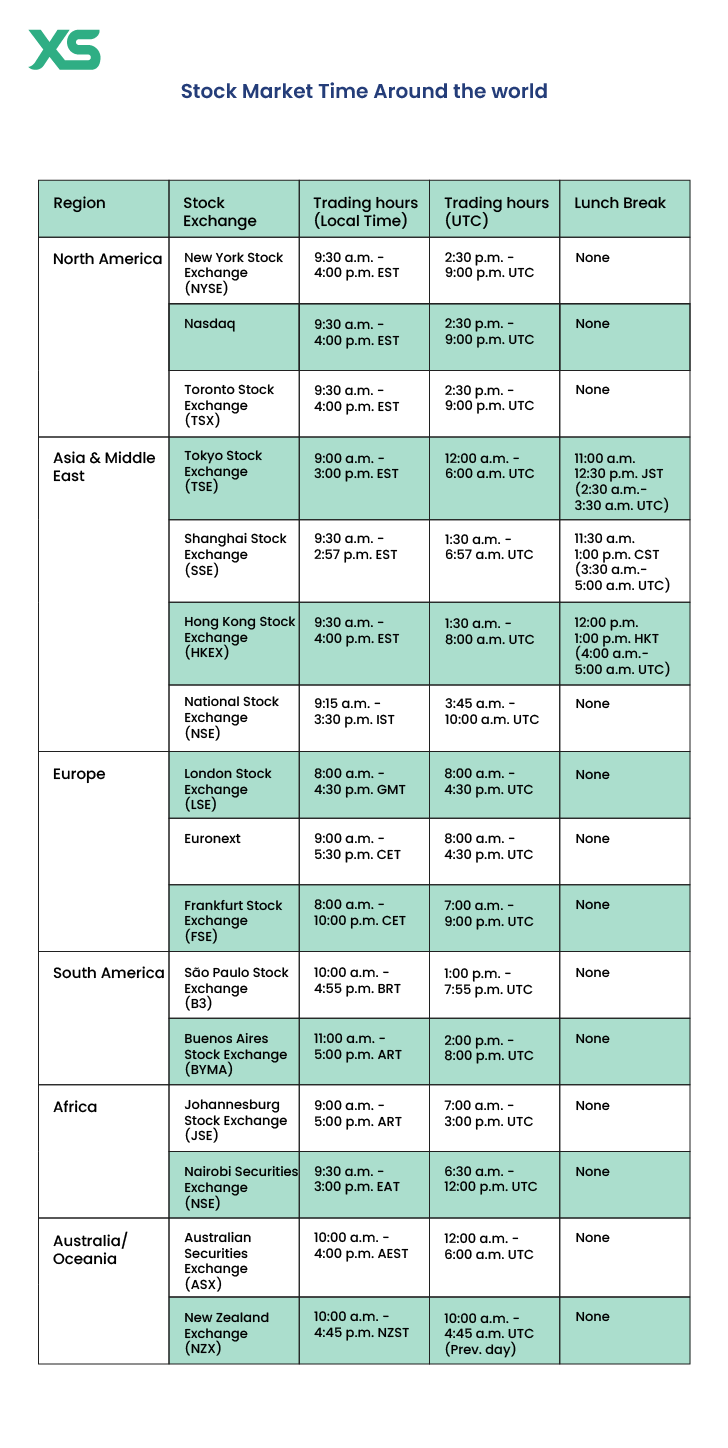
Major stock exchanges around the world operate on their respective local times, creating an overlapping, continuous global market. For example:
- Asian Markets: Tokyo Stock Exchange (TSE) and Shanghai Stock Exchange (SSE) typically open when U.S. markets are closed (e.g., TSE 9:00 AM – 3:00 PM JST, which is 5:00 PM PT – 11:00 PM PT the previous day).
- European Markets: London Stock Exchange (LSE) and Euronext (Paris, Amsterdam, etc.) open when Asian markets are closing and overlap significantly with U.S. pre-market and early regular hours (e.g., LSE 8:00 AM – 4:30 PM GMT, which is 12:00 AM PT – 8:30 AM PT).
Developments in these global markets often set the tone for the U.S. trading day. A significant move in Asian markets overnight, or major economic news from Europe during the U.S. pre-market, can directly influence how the NYSE and Nasdaq open and trade. For PT investors, this means the financial world is active long before their 6:30 AM PT market open, highlighting the importance of monitoring global news feeds.
The 24/5 Nature of Forex and Crypto: A Contrast to Equity Markets
In stark contrast to equity markets, which have defined opening and closing times, the foreign exchange (Forex) market and the cryptocurrency markets operate almost continuously.
- Forex Market: This global decentralized market for trading currencies operates 24 hours a day, five days a week, from Sunday evening ET to Friday evening ET. Trading follows the sun, moving from Asian sessions to European sessions, and then to North American sessions.
- Cryptocurrency Markets: These digital asset markets are truly 24/7, with no official closing times, operating around the clock, every day of the year.
This continuous trading in Forex and crypto highlights a fundamental difference from traditional equity markets. While stocks are tied to specific exchanges with fixed hours, these other asset classes offer constant liquidity and opportunity, albeit with their own unique risk profiles. Understanding this distinction is crucial for investors broadening their financial horizons beyond traditional equities, as the strategies for managing time zones and market access vary significantly across asset classes.

Conclusion
Understanding “when the stock market closes Pacific Time” extends far beyond knowing the single hour of 1:00 PM PT. It encompasses a holistic awareness of standard trading sessions, the strategic opportunities and risks of extended hours, the critical impact of market holidays, and the broader global financial context. For investors on the West Coast, synchronizing their financial activities with the East Coast-centric market requires discipline, proactive planning, and judicious use of technology. By mastering these temporal dynamics, Pacific Time investors can ensure they remain responsive, competitive, and ultimately, more successful in their pursuit of financial goals within the dynamic world of investing.
aViewFromTheCave is a participant in the Amazon Services LLC Associates Program, an affiliate advertising program designed to provide a means for sites to earn advertising fees by advertising and linking to Amazon.com. Amazon, the Amazon logo, AmazonSupply, and the AmazonSupply logo are trademarks of Amazon.com, Inc. or its affiliates. As an Amazon Associate we earn affiliate commissions from qualifying purchases.