
Understanding the operating hours of the stock market is fundamental for any investor, from the novice retail trader to the seasoned institutional professional. While the idea of a continuously trading global market might seem appealing, major stock exchanges adhere to specific schedules that dictate when shares can be bought and sold. These structured hours are designed to ensure fair, orderly, and liquid markets, providing windows for price discovery and capital allocation. Delving into these schedules, including standard, pre-market, and after-hours sessions, is crucial for developing an effective investment strategy and managing risk.
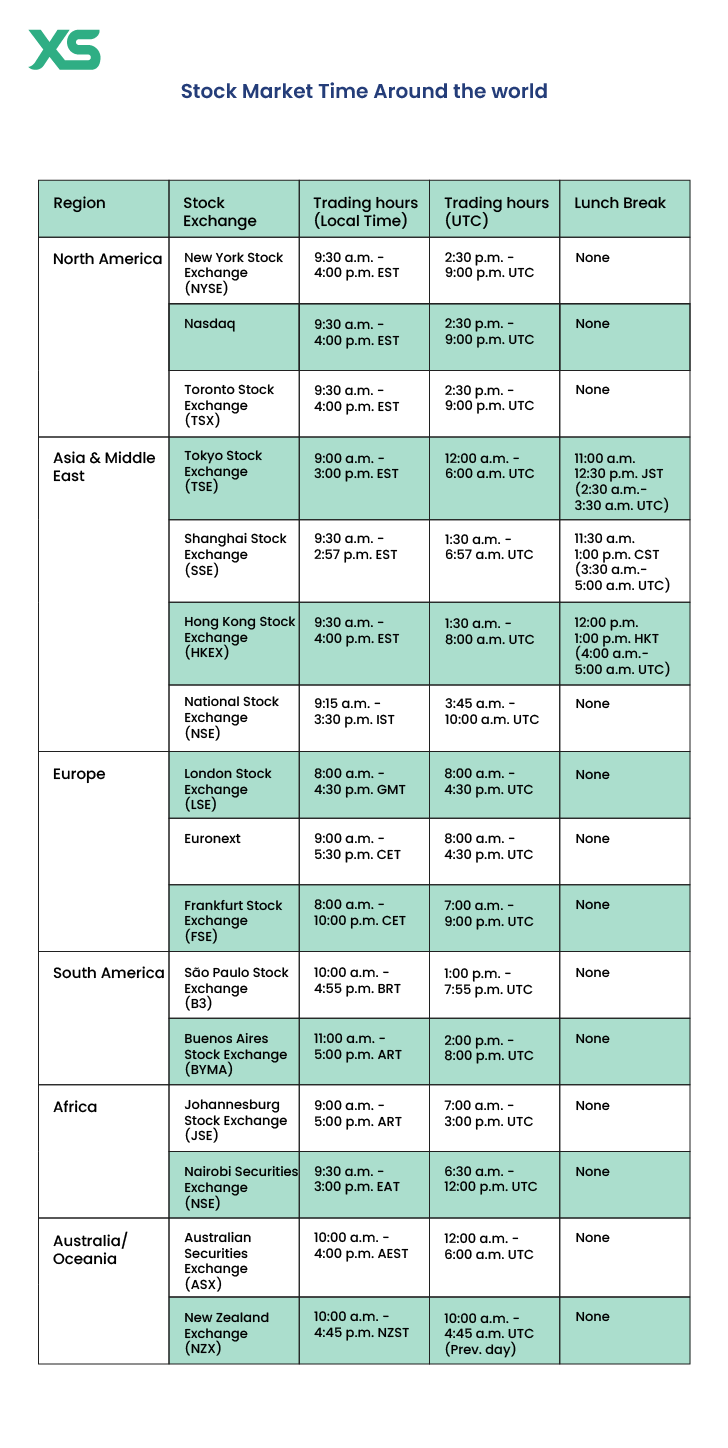
Standard Trading Hours for Major US Exchanges
The core of US stock market activity revolves around the standard trading hours of its two largest exchanges: the New York Stock Exchange (NYSE) and the Nasdaq Stock Market (Nasdaq). These hours are often referred to as “regular market hours” and represent the period of highest liquidity and price efficiency.
The Core NYSE and NASDAQ Schedule
Both the NYSE and Nasdaq operate on the same primary schedule: they open at 9:30 AM Eastern Time (ET) and close at 4:00 PM ET. This 6.5-hour window is when the vast majority of trading volume occurs, attracting the deepest pools of capital and the tightest bid-ask spreads. During these hours, investors benefit from a robust environment where orders are typically filled quickly and at competitive prices, reflecting broad market sentiment and the latest publicly available information. The concentration of trading activity into these specific hours facilitates efficient price discovery, as a multitude of buyers and sellers converge simultaneously, driving the formation of a fair market price for each security. This structured approach helps prevent excessive volatility that might arise from thinly traded periods, ensuring that most participants have equal access to market data and opportunities.
The Impact of Time Zones
While 9:30 AM ET and 4:00 PM ET are the definitive times, investors located in other parts of the United States or globally need to adjust these hours to their local time zones. For instance:
- Central Time (CT): The market opens at 8:30 AM CT and closes at 3:00 PM CT.
- Mountain Time (MT): The market opens at 7:30 AM MT and closes at 2:00 PM MT.
- Pacific Time (PT): The market opens at 6:30 AM PT and closes at 1:00 PM PT.
Understanding these conversions is vital for investors to ensure they are placing orders or monitoring their portfolios during the intended market sessions, especially for those who wish to react promptly to news or market movements at the opening or closing bells.
Weekends and Holidays
The stock market observes a five-day trading week, meaning both the NYSE and Nasdaq are closed on Saturdays and Sundays. Additionally, they are closed on specific federal holidays observed in the United States. These closures are critical for planning investment activities and anticipating potential delays in order execution or settlement. Common market holidays include:
- New Year’s Day
- Martin Luther King, Jr. Day
- Presidents’ Day
- Good Friday
- Memorial Day
- Juneteenth National Independence Day
- Independence Day
- Labor Day
- Thanksgiving Day
- Christmas Day
It’s also important to note that markets may have early closures, often at 1:00 PM ET, on the day before or after certain holidays, such as the day after Thanksgiving or Christmas Eve when it falls on a weekday. These abbreviated sessions still operate with full functionality but offer a condensed trading period. Investors should always consult the official holiday schedules published by the NYSE and Nasdaq well in advance to avoid any surprises.
Beyond Standard Hours: Pre-Market and After-Hours Trading
The concept of market hours extends beyond the conventional 9:30 AM to 4:00 PM ET window. Technological advancements and the global nature of financial news have led to the widespread availability of “extended-hours trading,” encompassing both pre-market and after-hours sessions.
Pre-Market Trading
Pre-market trading allows investors to trade securities before the official market opening. This session typically runs from 4:00 AM ET to 9:30 AM ET. Its primary purpose is to enable market participants to react to news released overnight or early in the morning, such as corporate earnings reports, economic data, or significant geopolitical events, before the regular session begins. Companies often release their quarterly results before the market opens to allow investors time to digest the information.
While pre-market trading offers flexibility and the potential to capitalize on early information, it comes with notable risks. The most significant concern is lower liquidity. Fewer participants are active during these hours, leading to wider bid-ask spreads and potentially larger price swings for a given trade. This reduced liquidity can result in orders being filled at prices significantly different from what an investor might expect during regular hours, or not being filled at all. Volatility can be higher due to the thinner trading volume, and market depth (the number of available buy and sell orders) is typically much shallower.
After-Hours Trading
Similarly, after-hours trading extends beyond the 4:00 PM ET market close, typically running from 4:00 PM ET to 8:00 PM ET. This session allows investors to react to news that breaks after the market closes, such as earnings reports released in the late afternoon or evening, analyst downgrades/upgrades, or breaking macroeconomic announcements. Like pre-market trading, after-hours trading provides a window for immediate response to new information, which can be critical for risk management or capitalizing on sudden shifts in sentiment.
The risks associated with after-hours trading mirror those of pre-market trading: lower liquidity, higher volatility, and wider spreads. Due to the reduced number of active traders, it can be challenging to execute large orders without significantly impacting the price. Retail investors participating in these sessions must exercise caution, using tools like limit orders to specify the exact price at which they are willing to buy or sell, thereby protecting themselves from unfavorable price execution.
Accessing Extended Hours
Most modern retail brokerage platforms offer access to both pre-market and after-hours trading. However, investors typically need to select specific order types, such as “limit orders” with “extended hours” enabled, rather than standard market orders. A market order placed during extended hours might execute at a price far from the current quote due to volatility and low liquidity. Understanding your broker’s specific rules and capabilities for extended-hours trading is essential. It’s generally advised that inexperienced investors or those sensitive to price volatility stick to regular trading hours, where market conditions are typically more stable and predictable.
Global Markets and Their Influence
While the focus is often on US exchanges, the world of investing is inherently interconnected. The “what times” question extends globally, as markets across different time zones impact each other, creating a continuous chain of financial activity.
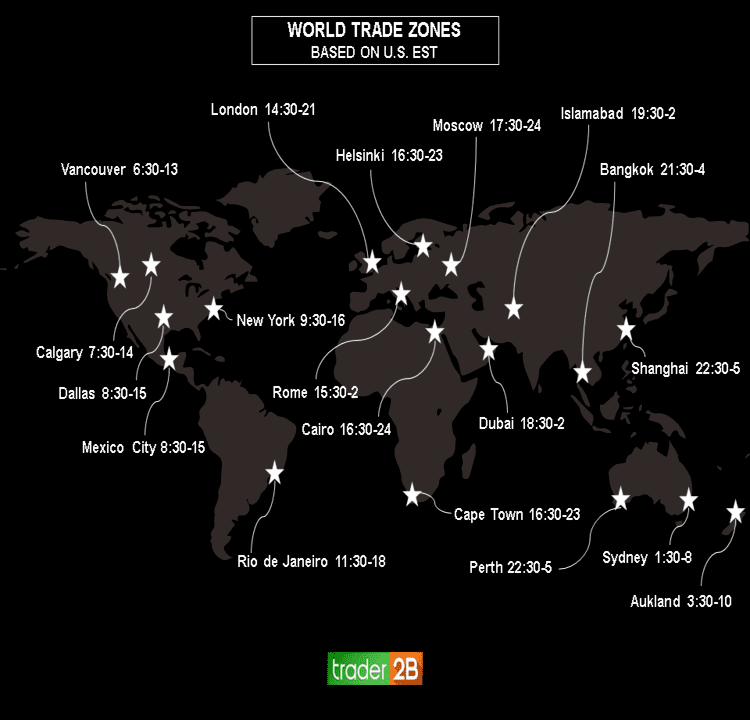
Major International Exchanges
Significant stock exchanges around the world operate on their local business days and hours. For example:
- London Stock Exchange (LSE): 8:00 AM to 4:30 PM GMT
- Tokyo Stock Exchange (TSE): 9:00 AM to 3:00 PM JST (with a lunch break from 11:30 AM to 12:30 PM JST)
- Shanghai Stock Exchange (SSE): 9:30 AM to 3:00 PM CST (with a lunch break from 11:30 AM to 1:00 PM CST)
- Euronext (Paris, Amsterdam, Brussels, Lisbon): 9:00 AM to 5:30 PM CET
These diverse schedules mean that while one major market might be closing, another is opening, creating a near 24/7 global financial news cycle.
The 24/7 Global Economy
Economic developments and corporate news don’t adhere to a single market’s trading hours. An earnings report from a major tech company in Asia, a political development in Europe, or a new economic data release from China can send ripples through global markets. As a result, the sentiment established in Asian markets overnight often influences the opening of European markets, which in turn sets a tone for the US market opening hours later. This global interconnectedness means that even during US market off-hours, significant events can occur that will directly impact US stock prices once trading resumes.
Implications for US Investors
For US investors, monitoring major global indices and news feeds during pre-market hours can provide valuable insights into how the US market might react at its open. A strong rally in Asian markets or a significant decline in European indices can often foreshadow similar movements, or at least increased volatility, in the NYSE and Nasdaq once they begin trading. This constant global financial dialogue underscores the importance of staying informed beyond just local market hours, particularly for investors with international holdings or those sensitive to global economic trends.
The Rationale Behind Defined Trading Hours
The existence of specific trading windows, rather than a continuous 24/7 market for all securities, is not arbitrary. It serves several crucial functions that contribute to the stability and integrity of financial markets.
Ensuring Liquidity and Price Discovery
Concentrating trading activity into defined hours maximizes liquidity. When all market participants converge during the same window, there are more buyers and sellers available for each security. This high volume of trading activity leads to tighter bid-ask spreads, making it cheaper and easier for investors to enter and exit positions. More importantly, concentrated liquidity facilitates efficient price discovery. With a large number of transactions occurring, the market price for a security more accurately reflects all available public information, as the collective wisdom of many participants determines its value. In a perpetually open market, liquidity for specific stocks might become so fragmented that true price discovery is hindered, leading to wider spreads and potentially less fair pricing.
Managing Volatility
Defined trading hours help manage and contain market volatility. By pausing trading overnight and on weekends, markets provide a necessary “cooling-off” period. This allows investors and market participants time to digest new information, process events, and formulate their strategies without the pressure of immediate, continuous trading. While extended hours exist, they are purposefully less liquid, serving as an early indicator rather than the primary mechanism for price setting. The break allows for a more considered response to significant news, potentially preventing panic selling or irrational exuberance from spiraling out of control during low-liquidity periods.
Operational Logistics
From an operational standpoint, defined trading hours are essential for the infrastructure that supports the stock market. Exchanges, clearinghouses, brokers, and regulatory bodies require downtime for system maintenance, data processing, trade reconciliation, and settlement operations. These critical back-end processes ensure the accuracy, security, and integrity of all transactions. While technology has advanced significantly, the immense volume of daily trades still necessitates structured periods for these operations to run efficiently without interrupting live trading.
Practical Considerations for Investors
Understanding market hours is not merely an academic exercise; it has tangible implications for how investors approach their portfolios and execute trades.
Strategic Trading During Core Hours
For most retail investors, focusing primarily on core trading hours (9:30 AM to 4:00 PM ET) is the most prudent strategy. During this period, liquidity is at its peak, bid-ask spreads are typically at their tightest, and price discovery is most efficient. This environment generally leads to better execution prices for trades. Unless an investor has specific reasons and a clear strategy for extended-hours trading, avoiding the lower liquidity and higher volatility of pre-market and after-hours sessions can mitigate unnecessary risk.
Monitoring News and Earnings Reports
Market hours also dictate the optimal times for monitoring news and earnings. Companies strategically release their financial results either before the market opens or after it closes to allow analysts and investors time to process the information. Being aware of these release schedules and understanding how they might impact share prices is crucial. While extended hours offer immediate reaction, observing how a stock moves in response to news during regular hours often provides a more reliable indicator of long-term sentiment.
Using Limit Orders
Regardless of the trading session, but especially critical during extended hours, employing limit orders is a fundamental risk management tool. A limit order specifies the maximum price an investor is willing to pay to buy a security or the minimum price they are willing to accept to sell it. This contrasts with a market order, which instructs a broker to buy or sell immediately at the best available price. During periods of low liquidity or high volatility, a market order can execute at a price far worse than anticipated. Limit orders provide price control, ensuring trades are executed only at or better than the specified price, albeit with the risk that the order may not be filled if the market doesn’t reach that price.
The Psychology of Market Open and Close
The very beginning and end of the trading day are often characterized by heightened volatility. The opening bell can see rapid price movements as traders react to overnight news and pre-market activity, leading to initial surges or drops. Similarly, the closing bell can be volatile as investors adjust positions, execute end-of-day orders, or engage in “window dressing” (buying or selling assets to improve the appearance of a portfolio at year-end or quarter-end). Some experienced day traders specifically target these periods for their increased potential for quick gains, while long-term investors might choose to avoid placing orders during these highly dynamic windows to prevent being caught in sharp, unpredictable swings. Understanding these patterns allows investors to decide whether these volatile periods align with their risk tolerance and trading objectives.
aViewFromTheCave is a participant in the Amazon Services LLC Associates Program, an affiliate advertising program designed to provide a means for sites to earn advertising fees by advertising and linking to Amazon.com. Amazon, the Amazon logo, AmazonSupply, and the AmazonSupply logo are trademarks of Amazon.com, Inc. or its affiliates. As an Amazon Associate we earn affiliate commissions from qualifying purchases.