
The New York Stock Exchange (NYSE), often considered the heartbeat of global finance, operates within specific, meticulously defined hours that dictate the rhythm of the trading world. Understanding these times is paramount for investors, financial professionals, and businesses alike, as market activity, liquidity, and news flow are intricately tied to its schedule. Beyond the regular session, extended hours offer both opportunities and amplified risks, shaping strategies across the investment spectrum.
Understanding the NYSE’s Core Trading Hours
The primary operational window for the New York Stock Exchange is commonly referred to as the regular trading session. This is the period of peak activity, liquidity, and investor participation, where the vast majority of transactions occur and stock prices are most reflective of broad market sentiment. All times are referenced in Eastern Time (ET), as the NYSE is located in New York City.

The Regular Session Unpacked
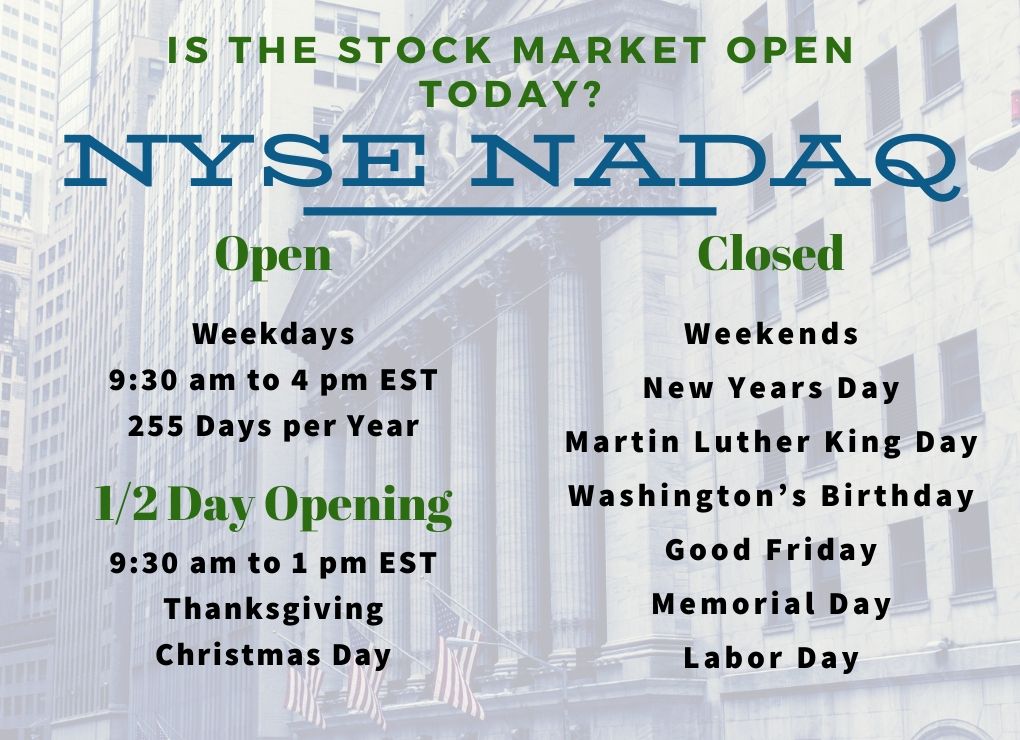
The NYSE opens for its regular trading session at 9:30 AM ET and closes at 4:00 PM ET on weekdays. This six-and-a-half-hour window is characterized by its high volume and dynamic price movements. The opening bell, a ceremonial event often rung by corporate executives or celebrities, signifies the commencement of trading and is typically accompanied by a surge in activity as orders accumulated overnight are processed. Similarly, the closing bell marks the end of the day’s official trading, often leading to another burst of activity as participants rush to execute final trades or adjust positions before the market closes.
During these core hours, institutional investors, hedge funds, mutual funds, and individual traders are actively engaged, contributing to deep liquidity. This high liquidity means there are many buyers and sellers in the market, allowing for efficient execution of trades with minimal price impact. News events, economic data releases, and corporate announcements made during this period can trigger immediate and significant market reactions. The volatility, particularly around the open and close, can be substantial, as traders react to overnight developments or position themselves for the next session. For many long-term investors, monitoring the market’s performance during these core hours provides a clear picture of daily financial trends and broader economic health.
Beyond the Bell: Pre-Market and After-Hours Trading
While the regular session commands the most attention, the financial markets don’t entirely sleep outside of these hours. Electronic communication networks (ECNs) facilitate trading before the official open and after the official close, offering extended opportunities for market participants. These pre-market and after-hours sessions, however, operate under different dynamics, presenting unique advantages and distinct risks that require careful consideration.
Navigating Pre-Market Trading (4:00 AM – 9:30 AM ET)
Pre-market trading typically begins as early as 4:00 AM ET and concludes just before the opening bell at 9:30 AM ET. This period allows investors to react to news that breaks overnight or in the early morning hours, such as international market movements, corporate earnings reports released before the market opens, or significant economic data from other time zones. The primary participants in pre-market trading are often institutional investors, professional traders, and sophisticated retail investors who have access to advanced trading platforms and information sources.
A key characteristic of pre-market trading is significantly lower liquidity compared to the regular session. With fewer participants, the bid-ask spreads – the difference between the highest price a buyer is willing to pay and the lowest price a seller is willing to accept – tend to be much wider. This can lead to greater price volatility and potentially larger price swings on relatively small trading volumes. Executing large orders can be challenging, and prices may not always accurately reflect the broader market’s consensus. Investors participating in pre-market trading often use limit orders to control their execution price, mitigating the risk of adverse price movements due to low liquidity. The allure lies in getting ahead of the curve, but the cost can be increased risk and less favorable execution.
Exploring After-Hours Trading (4:00 PM – 8:00 PM ET)
After-hours trading commences immediately after the closing bell at 4:00 PM ET and can extend as late as 8:00 PM ET. Similar to pre-market trading, this session is driven by the need for investors to react to late-breaking news. A substantial portion of corporate earnings announcements, for instance, are released after the market closes, prompting immediate reactions in after-hours trading. Significant macroeconomic data, political developments, or global events occurring after 4:00 PM ET can also trigger substantial price movements in this window.
Like pre-market, after-hours trading is marked by reduced liquidity and increased volatility. Fewer market participants mean that even modest trading volumes can have a disproportionate impact on stock prices. This environment can present both opportunities for savvy traders to capitalize on immediate reactions to news and significant risks for those less experienced or less informed. Spread discrepancies and potential price gaps between the after-hours close and the next day’s open are common. For companies, managing their news releases around these extended hours is a strategic decision, aiming to control narratives and minimize adverse reactions, while for investors, it’s a window to adjust portfolios in response to critical developments without waiting for the next regular session.
Factors Influencing Trading Hours and Market Dynamics
While the 9:30 AM to 4:00 PM ET window is standard, it’s not immutable. Several factors can alter the NYSE’s schedule, ranging from national holidays to unforeseen market circumstances. Understanding these deviations is crucial for financial planning and avoiding missed opportunities or unexpected portfolio impacts.
Holidays and Early Closures: When the Market Diverges
The NYSE observes a comprehensive calendar of U.S. national holidays, during which it remains completely closed. These typically include:
- New Year’s Day
- Martin Luther King, Jr. Day
- Presidents’ Day
- Good Friday
- Memorial Day
- Juneteenth National Independence Day
- Independence Day
- Labor Day
- Thanksgiving Day
- Christmas Day
In addition to full closures, the NYSE occasionally operates on an abbreviated schedule, typically closing early at 1:00 PM ET. Common instances for early closures include the day after Thanksgiving (Black Friday) and sometimes Christmas Eve. These shortened sessions still see active trading, but the reduced hours can concentrate activity and lead to higher volatility in the limited timeframe. Investors and businesses should always consult the official NYSE calendar well in advance to account for these non-standard operating days, as trading will not be possible, or will be limited, on these dates. Missing a critical trading window due to an overlooked holiday can have significant implications for investment strategies and portfolio management.
The Global Interconnectedness of Financial Markets
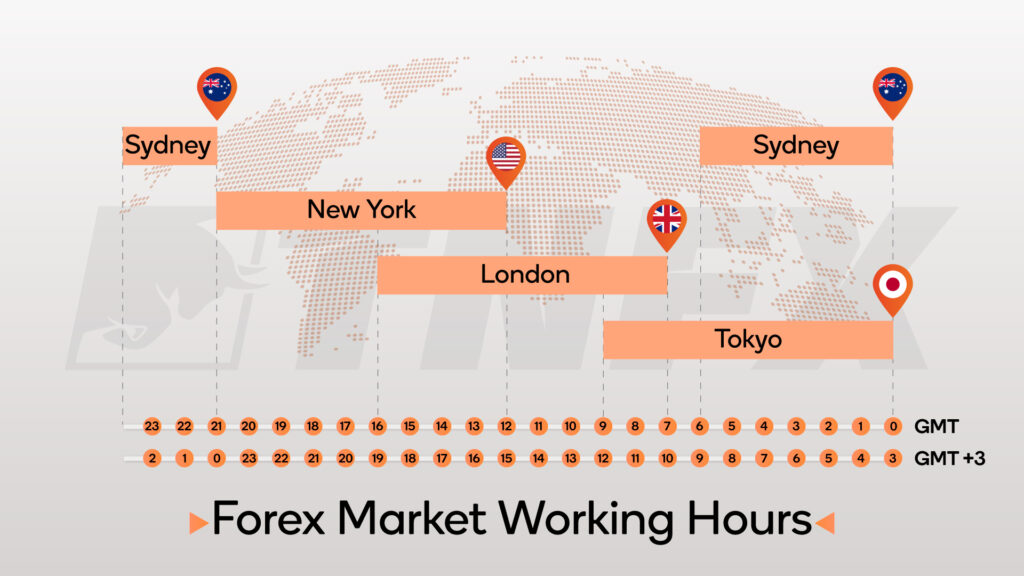
While the NYSE’s schedule dictates trading for U.S.-listed securities, the global financial landscape is a 24-hour ecosystem. Major exchanges in London, Tokyo, Shanghai, Frankfurt, and other financial hubs operate on different time zones, creating a continuous flow of information and market activity that indirectly influences the NYSE even during its closed hours. For instance, a major economic announcement from Europe or a significant market movement in Asia can set the tone for the NYSE’s opening session.
Futures markets, which trade derivatives contracts, often operate almost 24 hours a day, providing a barometer for how U.S. equities might open. The E-mini S&P 500 futures, for example, trade extensively outside of regular NYSE hours, reacting to global news and often signaling the likely direction of the S&P 500 index when the NYSE opens. This global interconnectedness means that even when the NYSE bell hasn’t rung, astute investors are often monitoring international markets and futures to anticipate the day’s trading dynamics. Businesses with international operations also pay close attention to global market hours, timing their financial disclosures or M&A activities to leverage or mitigate impacts from different market reactions.
Strategic Implications for Investors and Businesses
The timing of market operations has profound strategic implications, influencing how investors construct portfolios, manage risk, and how businesses make critical financial decisions. A deep understanding of market hours allows for more informed and disciplined approaches to navigating the financial landscape.
Tailoring Investment Strategies to Market Hours
Different investment strategies inherently interact with market hours in distinct ways. Day traders, for example, thrive on the volatility and liquidity present during the regular 9:30 AM to 4:00 PM ET session, often making multiple trades within the same day. For them, market open and close are crucial, marking periods of heightened activity and potential profit. Long-term investors, conversely, may place less emphasis on intraday movements but still need to be aware of the overall market trend and any significant news breaking outside of core hours that could impact their long-held positions.
For investors participating in pre-market or after-hours trading, advanced strategies are often required. Due to lower liquidity and wider spreads, setting limit orders is almost always advisable to ensure trades are executed at desired prices, rather than accepting potentially unfavorable market prices. Risk management becomes paramount, as rapid price swings can lead to quick losses. News-driven strategies are common in extended hours, where investors seek to capitalize on immediate reactions to earnings reports or other significant corporate announcements. Moreover, understanding how orders are handled and routed during different market hours can be a crucial detail for ensuring optimal execution.
Business Finance and Market Sentiment
For publicly traded companies and those seeking to raise capital, the timing of market hours dictates when and how they communicate with investors. Critical announcements, such as quarterly earnings reports, merger and acquisition details, or significant operational updates, are frequently released after market close or before market open. This strategy allows management to disseminate information when markets are less volatile and gives analysts and investors time to digest the news before the next trading session begins, theoretically leading to a more orderly market reaction. However, as noted, after-hours trading provides an immediate, albeit less liquid, forum for reaction.
Market sentiment at the open and close can significantly impact a company’s valuation and its ability to raise capital. A strong market open can create a positive environment for a secondary stock offering, while a volatile close might prompt a delay in such plans. Furthermore, businesses must consider how global market sentiment during their non-trading hours might affect their stock price once the NYSE opens. Understanding these dynamics is essential for corporate finance teams, investor relations departments, and executives making strategic business decisions that interface with public markets.
Leveraging Financial Tools and Information
In today’s fast-paced financial world, technology plays a pivotal role in helping investors and businesses navigate the complexities of market hours, ensuring access to real-time information and powerful trading capabilities.
Essential Tools for Tracking Market Hours and News
Modern financial tools are indispensable for staying ahead of market schedules and news. Robust trading platforms offered by brokers provide real-time quotes, charts, and often integrate news feeds directly into their interfaces. Many platforms allow investors to set alerts for specific stock prices, news events, or even upcoming earnings reports, ensuring they don’t miss critical information regardless of the time of day. Dedicated financial news websites and apps, such as Bloomberg, Reuters, The Wall Street Journal, and Yahoo Finance, offer comprehensive coverage, market calendars, and analysis that help investors understand global developments and track U.S. market schedules. For those interested in extended-hours trading, platforms that provide access to ECNs and display pre-market and after-hours quotes are essential. Utilizing official exchange calendars and integrating them into personal financial planning is also a fundamental practice for effective capital management.
The Role of Automation and Algorithms
The efficiency of market open and close, particularly the initial surge and final push of orders, is significantly influenced by automated trading systems and algorithms. High-frequency trading (HFT) firms, using sophisticated algorithms, execute millions of trades in milliseconds, especially around market open and close, capitalizing on minuscule price discrepancies. While often controversial, HFT contributes to market liquidity and price discovery. For retail investors, automation comes in the form of advanced order types: stop-loss orders, take-profit orders, and conditional orders that can be set to execute automatically when certain criteria are met, allowing investors to manage risk and participate in market movements even when they are not actively monitoring their screens. The rise of robo-advisors and automated investment platforms also demonstrates how technology helps investors manage their portfolios across various market cycles and trading hours, ensuring adherence to long-term financial goals without constant manual intervention.
aViewFromTheCave is a participant in the Amazon Services LLC Associates Program, an affiliate advertising program designed to provide a means for sites to earn advertising fees by advertising and linking to Amazon.com. Amazon, the Amazon logo, AmazonSupply, and the AmazonSupply logo are trademarks of Amazon.com, Inc. or its affiliates. As an Amazon Associate we earn affiliate commissions from qualifying purchases.