
Understanding when financial markets open and close is fundamental for any investor, from the casual saver to the seasoned day trader. The rhythm of the market, dictated by specific trading hours, significantly influences liquidity, volatility, and the strategic decisions an investor makes. While the concept might seem straightforward, the global nature of finance, coupled with extended trading sessions and various asset classes, presents a complex yet fascinating landscape of opportunity.
Navigating the Core Trading Day: Major US Stock Exchanges
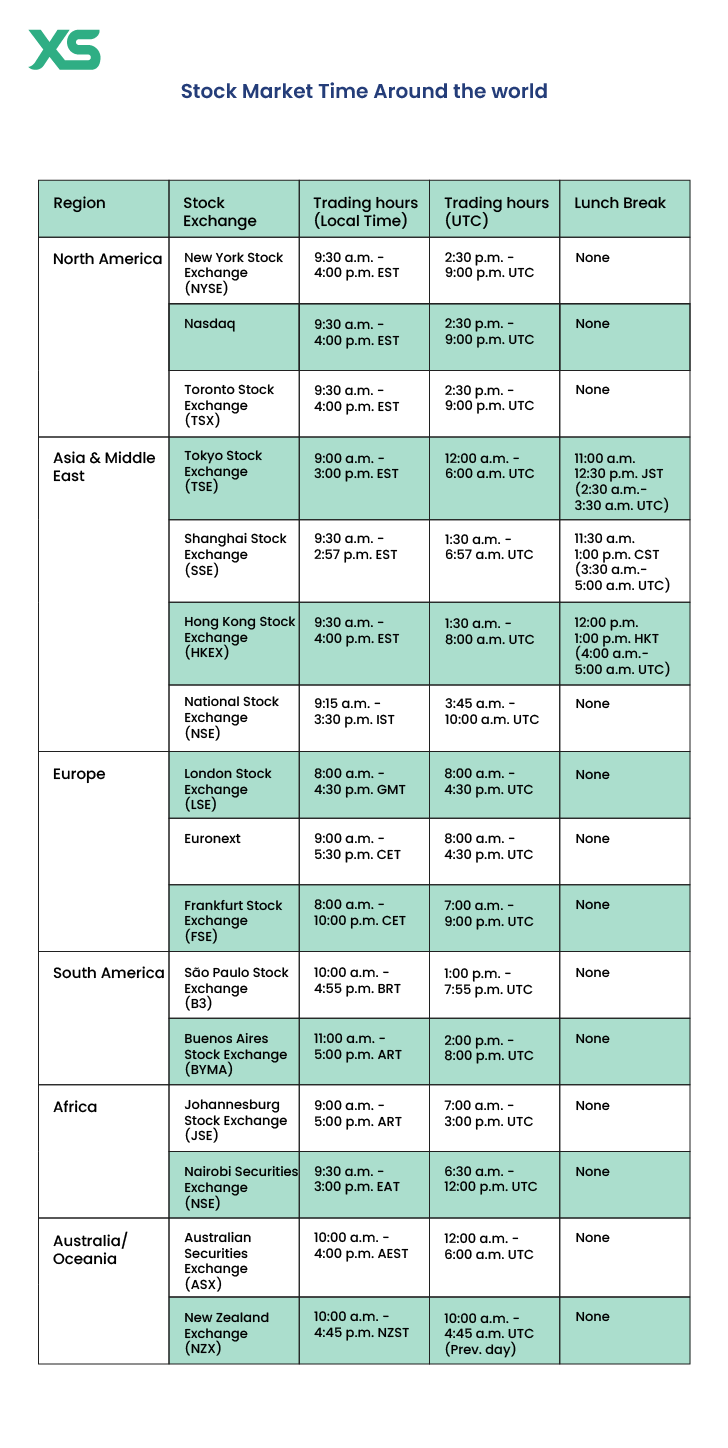
The heart of the American equity market beats to a specific rhythm, primarily defined by the operating hours of its two largest exchanges: the New York Stock Exchange (NYSE) and the NASDAQ. These exchanges are the global benchmarks for stock trading, and their standard hours are crucial for investors worldwide.
New York Stock Exchange (NYSE) and NASDAQ
For most retail investors, the standard trading day for US stocks runs from 9:30 AM to 4:00 PM Eastern Time (ET). This six-and-a-half-hour window is when the vast majority of trading volume occurs, characterized by high liquidity and efficient price discovery. The NYSE, with its iconic trading floor and history, represents many of the world’s largest and oldest companies. In contrast, the NASDAQ, an electronic exchange, is known for listing technology and growth companies. Both adhere to the same core trading hours, Monday through Friday, excluding specific market holidays.
This period is often referred to as “regular market hours” or “cash market hours.” During this time, bid-ask spreads—the difference between the highest price a buyer is willing to pay and the lowest price a seller is willing to accept—are typically tightest, facilitating easier and more predictable order execution. The opening and closing bells are often moments of increased volatility as news and overnight developments are digested, and positions are initiated or closed out.
Impact of Time Zones
While 9:30 AM to 4:00 PM ET is the standard, it’s vital for investors outside the Eastern Time Zone to translate these hours into their local time. For instance, an investor on the West Coast of the United States (Pacific Time) would see the markets open at 6:30 AM PT and close at 1:00 PM PT. This time zone difference is more than just a convenience; it dictates when an investor needs to be actively monitoring their portfolio or making trades. An early morning start for a West Coast trader aligns with the East Coast’s market opening, emphasizing the need for timely information and action regardless of geographical location. This awareness is particularly crucial for those engaging in short-term trading strategies where timely reactions to market movements are paramount.
Extending Beyond the Bell: Pre-Market and After-Hours Trading
The traditional 9:30 AM to 4:00 PM ET window, while dominant, doesn’t encompass all trading activity. Modern electronic trading systems allow for significant price action outside these core hours, known as pre-market and after-hours trading. These extended sessions cater to a different dynamic, driven largely by news, earnings reports, and global market influences.
Pre-Market Trading
Pre-market trading typically occurs from 4:00 AM to 9:30 AM ET. This period allows market participants to react to news, earnings announcements, and economic data released before the official market open. Major corporations often publish their quarterly earnings reports during these early hours, prompting immediate price adjustments as investors digest the information.
However, pre-market trading is characterized by significantly lower liquidity and higher volatility compared to regular hours. Fewer participants are active, leading to wider bid-ask spreads and potentially larger price swings on relatively low volume. Executing large orders can be challenging, and prices may not accurately reflect true market consensus until the regular session begins. Retail investors often have limited access or face higher risks when trading in the pre-market due to these factors.
After-Hours Trading
Conversely, after-hours trading takes place from 4:00 PM to 8:00 PM ET. Similar to pre-market, this session provides an opportunity for investors to react to news that breaks after the market closes, such as late-day earnings reports or unexpected corporate announcements. Companies might strategically release news after the bell to allow for more considered reactions rather than immediate, knee-jerk responses during the regular session.
Like pre-market, after-hours trading also suffers from reduced liquidity and increased volatility. While institutional investors often use Electronic Communication Networks (ECNs) to facilitate these trades, retail access can be more restricted, often requiring specific brokerages or order types. The limited volume means that a small number of trades can have a disproportionate impact on a stock’s price, creating gaps at the next day’s open if the sentiment drastically shifts. Understanding the dynamics of these extended hours is vital for comprehending a stock’s full daily price journey and managing potential overnight risks.
The Global Marketplace: A Symphony of Opening Bells
While US markets are central for many, the world of finance never truly sleeps. As one market closes, another is preparing to open, creating a continuous cycle of trading across different time zones and economies. This global interconnectedness means that events in one region can ripple across continents, influencing market sentiment and asset prices before your local market even opens.
Asian Markets
The trading day effectively kicks off in Asia. Key exchanges like the Tokyo Stock Exchange (TSE), Shanghai Stock Exchange (SSE), and Hong Kong Stock Exchange (HKEX) lead the charge. The TSE typically operates from 9:00 AM to 3:00 PM Japan Standard Time (JST), with a lunch break. In Eastern Time (ET), this translates roughly to 8:00 PM to 2:00 AM the previous day. Shanghai and Hong Kong markets follow similar local timeframes, generally starting an hour or two earlier than Tokyo in local time, which puts them even earlier in ET.
The performance of Asian markets often sets the tone for the subsequent European and American sessions. Major economic data, corporate news, or geopolitical developments out of Asia can influence futures contracts in other regions, offering early indications of market sentiment. Savvy investors monitor these markets to gauge global risk appetite and identify potential catalysts for their own portfolios.
European Markets
As Asian markets wind down, European markets begin to open, bridging the gap between East and West. Major players include the London Stock Exchange (LSE), Euronext (which encompasses exchanges in Paris, Amsterdam, Brussels, and Lisbon), and the Frankfurt Stock Exchange (XTRA). The LSE typically trades from 8:00 AM to 4:30 PM Greenwich Mean Time (GMT), which is 3:00 AM to 11:30 AM ET. Euronext and Frankfurt operate on similar schedules, generally opening an hour earlier than London in local time, putting them at 2:00 AM ET.

European markets are crucial for digesting global news and reacting to overnight developments from Asia before US markets open. Their performance, especially in London, which is a major financial hub, can significantly influence the opening direction of US futures and subsequently, the US cash market. Economic reports from the Eurozone or the UK, central bank policy decisions, and corporate earnings can drive significant movements that impact global portfolios.
The 24/7 Nature of Forex and Crypto
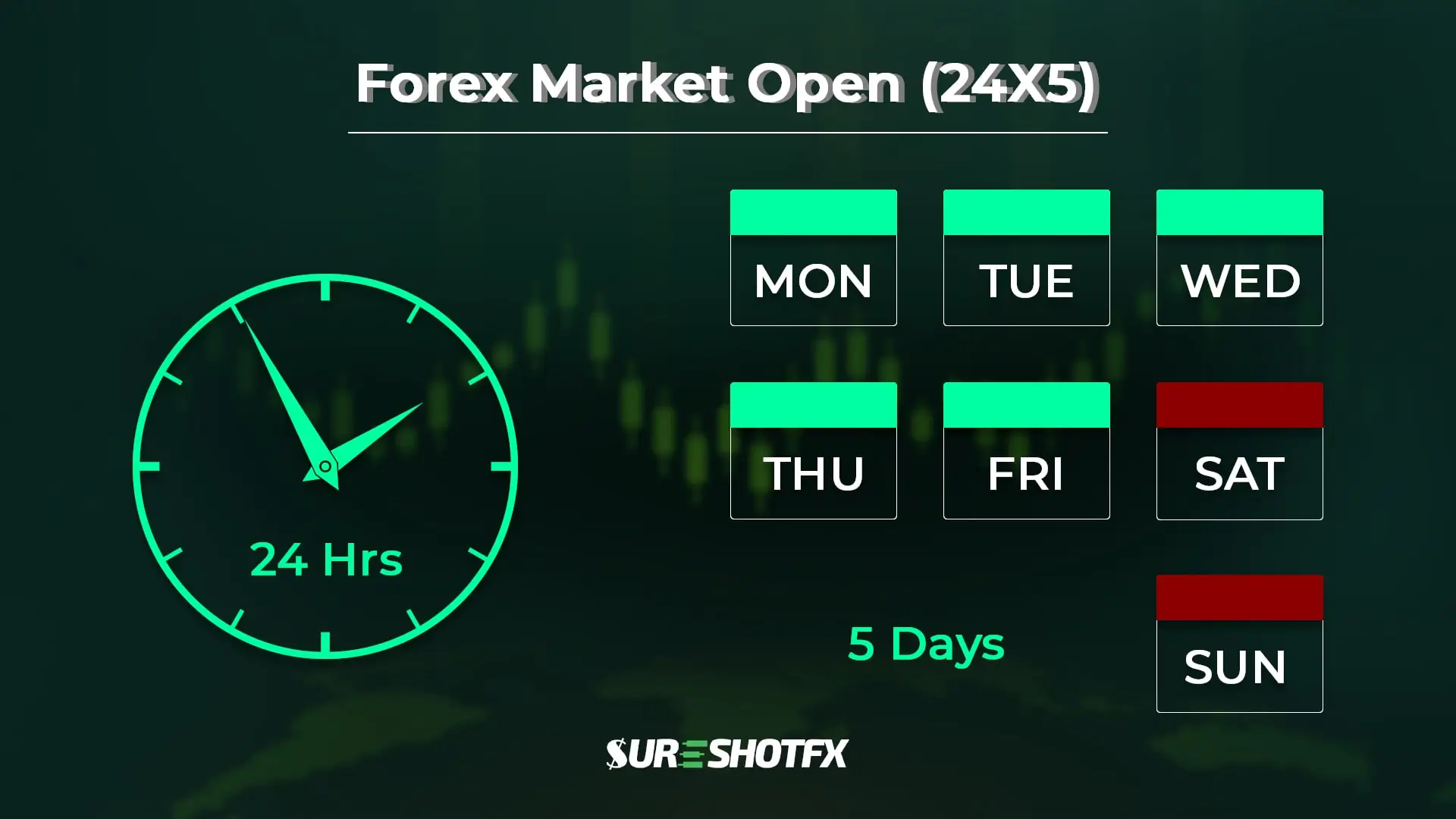
In contrast to traditional stock exchanges with defined hours, the Foreign Exchange (Forex) market and cryptocurrency markets operate virtually 24 hours a day, five to seven days a week, respectively. Forex trading occurs continuously across major financial centers (Sydney, Tokyo, London, New York), moving from one time zone to the next without interruption. This constant liquidity allows traders to react instantly to global events. Similarly, cryptocurrency exchanges operate round the clock, driven by a decentralized, global network of buyers and sellers. This continuous operation offers immense flexibility but also demands constant vigilance, as significant price swings can occur at any time, day or night, unlike the structured breaks found in traditional equity markets.
Beyond Stocks: Other Financial Markets
While stocks often capture the most attention, the financial world is vast, encompassing a range of asset classes, each with its own unique trading hours and market dynamics. Understanding these varying schedules is essential for a comprehensive financial strategy, particularly for investors diversifying across different instruments.
Bond Markets
Bond markets, especially those for government securities like US Treasuries, often have different operating hours than stock exchanges. While there is no single, centralized exchange like the NYSE for all bonds, trading typically occurs over-the-counter (OTC) through a network of dealers. For US Treasuries, the electronic trading platforms and interdealer brokers generally operate from around 8:00 AM to 5:00 PM ET, sometimes extending earlier or later for specific products or large institutional trades. Corporate bonds often follow similar patterns, though liquidity can be much thinner, especially for less actively traded issues. Bond market hours can also be affected by economic data releases, central bank announcements, and fixed-income auctions, which can create periods of increased activity or volatility outside typical stock market hours.
Futures and Options Markets
Futures and options contracts, which derive their value from an underlying asset (like a stock index, commodity, or currency), often boast extended trading hours, sometimes operating nearly 24 hours a day, five days a week. For instance, the CME Group (Chicago Mercantile Exchange), a major player in derivatives, offers electronic trading for many of its products for much longer durations than the stock market. E-mini S&P 500 futures, for example, trade from Sunday evening to Friday afternoon, with only brief daily breaks.
These extended hours allow traders and hedgers to react immediately to global news and market movements, even when the underlying cash equity market is closed. They are crucial for risk management and speculative strategies, offering liquidity and price discovery when traditional markets are dormant. However, like pre-market and after-hours stock trading, liquidity can be lower during off-peak futures and options hours, potentially leading to wider spreads and greater volatility.
Mutual Funds and ETFs
The trading mechanics for mutual funds and Exchange Traded Funds (ETFs) also relate directly to market hours. Mutual funds are priced once a day, at the close of the market (4:00 PM ET), based on their Net Asset Value (NAV). Orders placed throughout the day will be executed at this single, end-of-day price. This means investors cannot react in real-time to market fluctuations within the trading day.
ETFs, on the other hand, trade like individual stocks on exchanges throughout the regular market hours (9:30 AM to 4:00 PM ET). Their prices fluctuate continuously based on supply and demand, allowing investors to buy and sell at prevailing market prices during the trading day. This intraday liquidity is a key distinction from mutual funds and makes ETFs a popular choice for investors who want real-time trading flexibility while still benefiting from diversification.
Strategic Implications for Investors
Understanding the nuances of market opening and closing times, along with extended trading sessions and global market dynamics, is more than just knowing a schedule; it’s a critical component of a robust investment strategy. These timings have direct implications for how investors react to news, manage risk, and execute trades.
News and Market Reactions
News—be it corporate earnings, economic data, or geopolitical events—can be released at any time. When significant news breaks outside of regular market hours, it can lead to “gaps” at the market open. A stock might open significantly higher or lower than its previous day’s close as investors collectively react to the new information. For long-term investors, this might mean absorbing an overnight price adjustment. For short-term traders, it necessitates being aware of news schedules and understanding the potential for extreme volatility at the open, which can present both opportunities and risks. Monitoring global markets can also provide a heads-up on how news is being digested elsewhere, offering an early indication of potential movements in domestic markets.
Liquidity and Volatility
Liquidity and volatility are directly tied to market hours. Regular market hours, especially the first and last hour of trading (often called “power hours”), typically exhibit the highest liquidity and often increased volatility. The opening hour sees a rush of activity as overnight orders are filled and new positions are initiated. The closing hour often involves position squaring, rebalancing, and anticipation of overnight news. During these periods, bid-ask spreads are usually tighter, making it easier to execute trades at desired prices.
Conversely, extended trading sessions (pre-market and after-hours) and the middle of the trading day tend to have lower liquidity and can be more prone to wider spreads and greater volatility relative to volume. This means orders might be executed at less favorable prices, or large orders could significantly move the market against the trader. Investors must adjust their strategies and expectations based on the liquidity conditions of the specific trading window.
Developing a Trading/Investing Strategy
An investor’s strategy should ideally align with market hours. Day traders, by definition, operate exclusively within regular market hours, leveraging intraday price movements. Swing traders might hold positions for a few days, requiring them to monitor overnight developments and pre-market/after-hours news. Long-term investors, while less concerned with minute-by-minute fluctuations, still benefit from understanding when major market catalysts occur to inform their portfolio reviews or rebalancing decisions.
Understanding global market timings is also crucial for investors with diversified international portfolios. Knowing when European or Asian markets are open allows for timely adjustments or reactions to region-specific news that could impact internationally exposed assets. Risk management strategies must also factor in market hours, including the potential for overnight price movements that can occur when one’s local market is closed.
Market Holidays and Early Closes
Finally, it’s important to remember that markets are not open every single weekday. Public holidays (e.g., New Year’s Day, Christmas, Thanksgiving in the US) result in full market closures. Additionally, some holidays see early market closures, often at 1:00 PM ET, such as the day before Independence Day or the day after Thanksgiving. These holidays reduce trading days and can impact trading volumes leading up to and immediately following the closures. Investors should always consult the official exchange calendars to stay informed and plan their trading and investing activities accordingly, avoiding unexpected closures that could affect order execution or access to funds.
aViewFromTheCave is a participant in the Amazon Services LLC Associates Program, an affiliate advertising program designed to provide a means for sites to earn advertising fees by advertising and linking to Amazon.com. Amazon, the Amazon logo, AmazonSupply, and the AmazonSupply logo are trademarks of Amazon.com, Inc. or its affiliates. As an Amazon Associate we earn affiliate commissions from qualifying purchases.