
Understanding when financial markets open and close is fundamental for any investor or trader, irrespective of their experience level. The precise timing of market operations dictates everything from strategy formulation to risk management, liquidity access, and even the type of financial instruments available for trade. While the concept seems straightforward, “trading start time” is far from universal; it varies significantly across different asset classes, exchanges, and global time zones.
This comprehensive guide delves into the intricate world of market hours, exploring the nuances of major stock exchanges, the continuous nature of forex and crypto markets, and the strategic implications of pre-market and after-hours sessions.
Major Market Hours: A Global Perspective
The financial world operates on a decentralized schedule, with various exchanges and markets opening and closing according to their local time zones. For participants engaged in cross-border trading or those managing diverse portfolios, a firm grasp of these schedules is indispensable.
US Stock Markets: NYSE and NASDAQ
The two primary stock exchanges in the United States, the New York Stock Exchange (NYSE) and the NASDAQ, follow a standardized schedule for their regular trading sessions.
- Regular Trading Hours: For both the NYSE and NASDAQ, the standard trading day begins at 9:30 AM Eastern Time (ET) and concludes at 4:00 PM ET, Monday through Friday. During these hours, liquidity is typically highest, and the widest range of order types and participants are active. This period is often characterized by significant price discovery and volume, especially during the opening and closing auctions.
Beyond the regular session, these markets also facilitate trading during extended hours, known as pre-market and after-hours sessions, which we will explore in detail later.
Global Stock Markets: A Snapshot
While the US markets are pivotal, a truly global investor must consider the operational hours of other major international exchanges. These markets each have their own distinct opening and closing times, often creating overlapping windows that can influence global asset prices.
- London Stock Exchange (LSE): Located in London, UK, the LSE operates from 8:00 AM to 4:30 PM Greenwich Mean Time (GMT). Its opening often precedes the US markets and overlaps with European and Asian market activity.
- Tokyo Stock Exchange (TSE): As a major Asian hub, the TSE in Japan has two trading sessions: an morning session from 9:00 AM to 11:30 AM Japan Standard Time (JST) and an afternoon session from 12:30 PM to 3:00 PM JST.
- Euronext (Paris, Amsterdam, Brussels, Lisbon, Dublin, Oslo): This pan-European exchange group generally operates from 9:00 AM to 5:30 PM Central European Time (CET).
- Shanghai Stock Exchange (SSE) & Shenzhen Stock Exchange (SZSE): China’s primary exchanges follow a similar split session model to Tokyo, generally from 9:30 AM to 11:30 AM China Standard Time (CST) and 1:00 PM to 3:00 PM CST.
- Frankfurt Stock Exchange (XETRA): Germany’s primary electronic trading venue operates from 9:00 AM to 5:30 PM CET.
Understanding the interplay of these global schedules is crucial, as news and events impacting one major market can quickly ripple across others, even before their local opening bells.
Forex Market: The 24/5 Global Exchange
Unlike stock markets with fixed opening and closing times, the foreign exchange (forex) market operates almost continuously. It is a decentralized global market for the trading of currencies, running 24 hours a day, five days a week. This “always-on” nature is due to the sequential opening of major financial centers around the world.
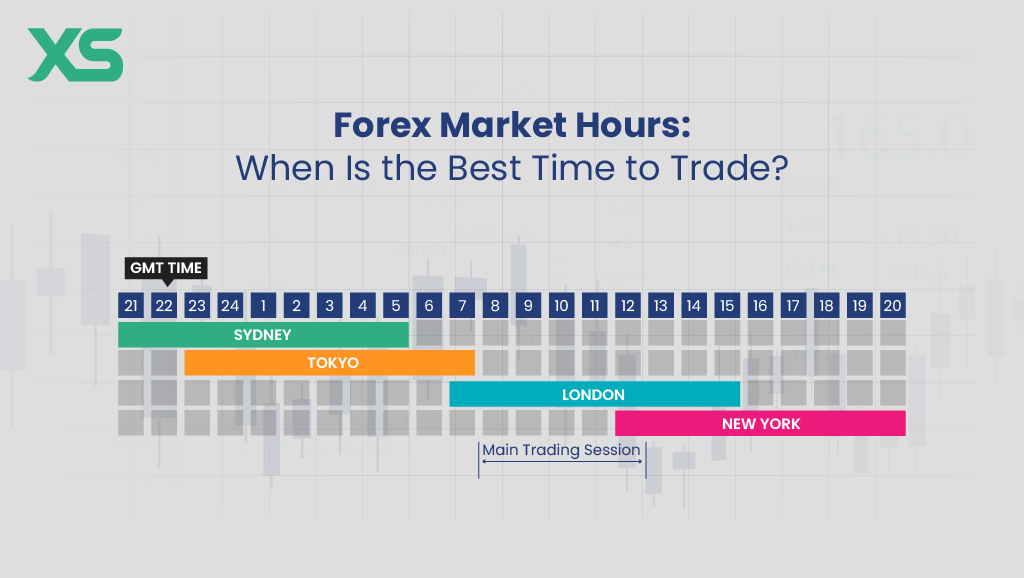
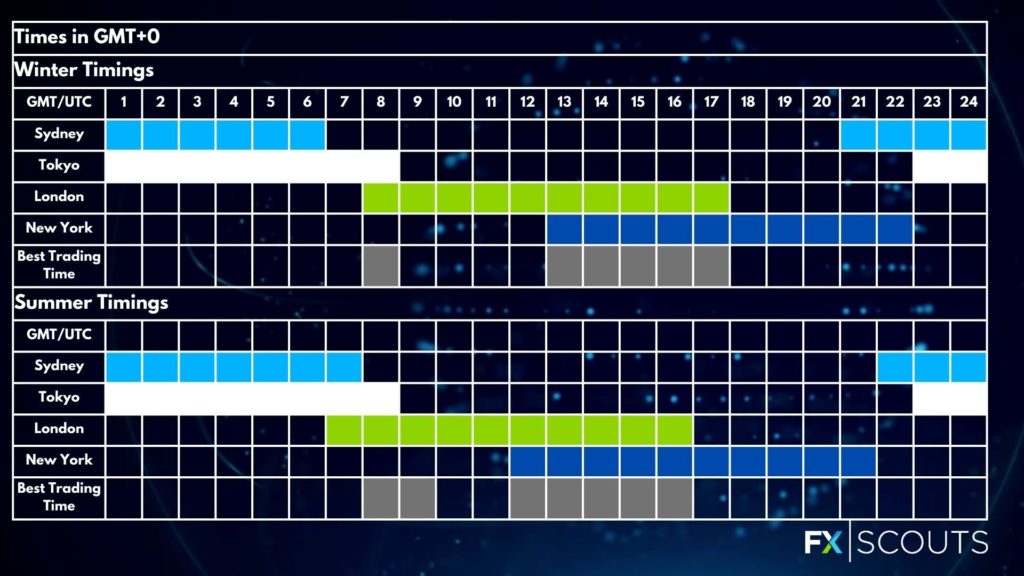
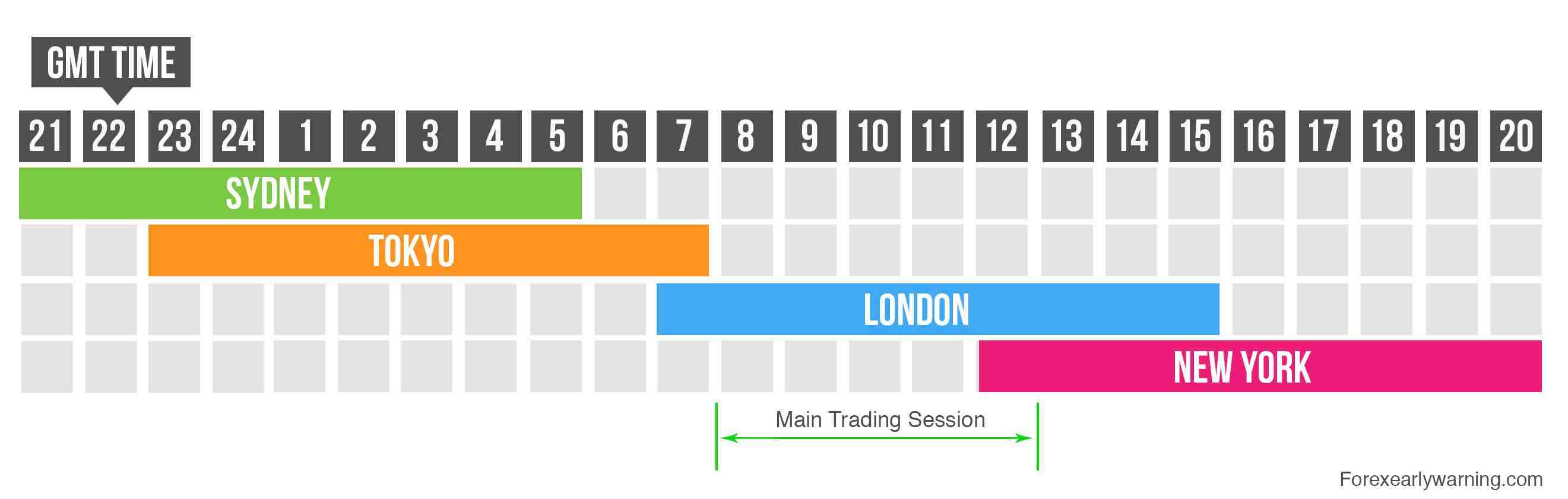
- Major Trading Sessions: The forex market’s 24-hour cycle is typically broken down into four main trading sessions, each named after a major financial hub:
- Sydney Session: Opens first, typically around 5:00 PM ET Sunday.
- Tokyo (Asian) Session: Overlaps with Sydney, generally from 7:00 PM ET to 4:00 AM ET.
- London (European) Session: Overlaps with Tokyo, from 3:00 AM ET to 12:00 PM ET.
- New York (North American) Session: Overlaps with London, from 8:00 AM ET to 5:00 PM ET Friday.
The most active and liquid periods in the forex market often occur during the overlaps between these major sessions, especially the London-New York overlap (8:00 AM ET to 12:00 PM ET), where trading volumes and volatility tend to be highest.
Cryptocurrency Markets: The 24/7 Digital Frontier
The world of cryptocurrencies, exemplified by exchanges like Binance, Coinbase, and Kraken, operates without the traditional market hours found in equities or even forex. Cryptocurrency markets are decentralized and run 24 hours a day, 7 days a week, 365 days a year. There are no “opening bells” or “closing ceremonies” for Bitcoin, Ethereum, or thousands of other digital assets.
This continuous nature has significant implications:
- Constant Volatility: Prices can fluctuate dramatically at any hour, day or night.
- Global Access: Traders from any time zone can participate without being restricted by local market hours.
- Impact of News: News events can trigger price movements immediately, regardless of the time.
While there are no official “start times,” liquidity can vary throughout the day, often influenced by the awakening of major trading hubs and the release of crypto-specific news or broader financial market sentiment.
Commodities Markets: Futures and Options
Commodities like oil, gold, silver, and agricultural products are often traded via futures contracts on exchanges such as the Chicago Mercantile Exchange (CME) Group (which includes NYMEX and COMEX). While some traditional pit trading hours existed in the past, the vast majority of commodities trading now occurs electronically.
- Electronic Trading: Most commodities futures contracts are available for electronic trading for nearly 23 hours a day, five days a week, with a short daily break (e.g., from 5:00 PM ET to 6:00 PM ET for CME Group products). Specific holidays may also affect these hours.
- Example (Crude Oil Futures – CL): Typically trades from 6:00 PM ET Sunday to 5:00 PM ET Friday, with a daily one-hour break.
This extended electronic access provides significant flexibility for traders, allowing them to react swiftly to geopolitical events or supply/demand news that can occur outside conventional business hours.
The Significance of Pre-Market and After-Hours Trading
For US stock markets, the concept of “trading start time” extends beyond the regular 9:30 AM ET bell. Pre-market and after-hours sessions offer opportunities, and risks, that traditional market hours do not.
What They Are
- Pre-Market Trading: This session occurs before the regular market open, typically starting as early as 4:00 AM ET and running until 9:30 AM ET.
- After-Hours Trading: This session takes place after the regular market close, typically from 4:00 PM ET until 8:00 PM ET.
These extended hours are facilitated by Electronic Communication Networks (ECNs) and are primarily utilized by institutional investors and experienced retail traders.
Why Trade Them
- Reacting to News: Major corporate earnings reports, economic data releases, and significant news announcements often occur outside regular trading hours. Pre-market and after-hours sessions allow traders to react to this information immediately, rather than waiting for the next market open.
- Flexibility: They offer flexibility for those who cannot actively trade during standard market hours due to work or other commitments.
- Price Discovery: Trading during these periods can help establish price trends and volatility expectations for the upcoming or following regular session.
Risks Involved
Despite the advantages, trading during extended hours carries amplified risks:
- Lower Liquidity: Fewer participants mean lower trading volumes. This can lead to larger bid-ask spreads, making it more expensive to enter or exit positions.
- Increased Volatility: Lower liquidity can also result in more significant price swings, as even small orders can have a substantial impact on a stock’s price.
- Limited Access: Not all brokers offer extended-hours trading, and some may have restrictions on order types (e.g., only limit orders).
- Competition: Retail traders often compete with institutional desks and sophisticated algorithms, who may have an informational or technological edge.
Factors Influencing Trading Hours and Strategy
The specific timing of market activity profoundly impacts a trader’s approach and potential outcomes. Strategic considerations must align with the operational realities of different markets.
Market Volatility and Liquidity
The start and end of trading sessions are often characterized by heightened volatility and trading volume.
- Opening Bell Frenzy: The first hour of a stock market’s regular session (e.g., 9:30 AM – 10:30 AM ET) often sees a surge in activity as traders react to overnight news, pre-market movements, and opening auction prices. This period can offer significant profit opportunities but also carries higher risk.
- Closing Bell Rush: Similarly, the final hour (e.g., 3:00 PM – 4:00 PM ET) can experience increased volume as institutional investors adjust positions, short-sellers cover, and day traders close out positions.
- Mid-Day Lull: Conversely, the middle hours of a trading day (e.g., 11:00 AM – 2:00 PM ET for US stocks) often exhibit lower liquidity and reduced volatility, making certain strategies less effective.
Economic Data Releases
Scheduled economic reports (e.g., Consumer Price Index, Non-Farm Payrolls, FOMC announcements) have specific release times, often aligned with or just before major market openings. These releases can generate immediate and significant market movements across various asset classes. Traders must be aware of these schedules to either capitalize on the resulting volatility or protect their portfolios.
Time Zone Management for Global Traders
For individuals trading across multiple international markets or participating in the 24/5 forex market, effective time zone management is critical. Utilizing reliable financial calendars that automatically convert event times to your local time zone can prevent missed opportunities or unexpected market shocks. Developing a trading routine that respects your local time while allowing engagement with different market sessions is key to sustainable trading.
Special Trading Days and Market Holidays
Trading schedules are not always uniform throughout the year. Several events can alter standard market hours.
Market Holidays
Financial markets observe various national holidays, during which they may be completely closed or operate on a reduced schedule. Examples include:
- US Markets: New Year’s Day, Martin Luther King, Jr. Day, Presidents’ Day, Good Friday, Memorial Day, Juneteenth National Independence Day, Independence Day, Labor Day, Thanksgiving Day, Christmas Day.
- Global Markets: Each country has its own set of national and religious holidays that impact trading. It’s essential to consult the specific exchange’s holiday calendar.
Early Closures
On certain days preceding a holiday or significant event, markets may operate on a shortened schedule, closing earlier than usual (e.g., 1:00 PM ET for US stock markets on the day before Thanksgiving or Christmas Eve). These half-days can still be active, but liquidity may thin out rapidly towards the early close.
Impact of Rollover and Expiry
For futures and options traders, specific “rollover” dates (when contracts are swapped for the next month) and expiry dates are crucial. These dates often involve significant volume and potential volatility as positions are closed or rolled forward, affecting trading dynamics.
Practical Implications for Traders
The nuanced understanding of “what time trading starts” translates directly into practical decision-making for traders.
Strategy Alignment
- Day Traders: Focus heavily on the opening and closing hours of regular sessions, and potentially active periods in pre-market/after-hours, capitalizing on high volatility and liquidity.
- Swing Traders: May use extended hours to enter or exit positions based on overnight news, but their core strategy typically spans several days, relying less on minute-by-minute market timing.
- Long-Term Investors: While aware of market hours, their strategy is less sensitive to intraday fluctuations and more focused on fundamental analysis over extended periods.
Risk Management
Adjusting stop-loss orders and position sizing is vital, especially during periods of low liquidity or high volatility (like extended hours or opening/closing bells). Wider spreads and sudden price movements can trigger stop-losses prematurely or lead to slippage, eroding capital if not managed effectively.
Technology and Access
Reliable trading platforms, real-time data feeds, and robust internet connectivity are non-negotiable for traders operating across various time zones and during extended hours. Access to pre-market and after-hours trading via your broker is also a practical consideration for those wishing to engage in these sessions.
In conclusion, “what time does trading start” is a multi-faceted question with answers that vary significantly across different asset classes and global regions. For any serious participant in the financial markets, a deep understanding of these schedules, their implications for liquidity and volatility, and how they interact with specific trading strategies is not just beneficial—it is absolutely essential.
aViewFromTheCave is a participant in the Amazon Services LLC Associates Program, an affiliate advertising program designed to provide a means for sites to earn advertising fees by advertising and linking to Amazon.com. Amazon, the Amazon logo, AmazonSupply, and the AmazonSupply logo are trademarks of Amazon.com, Inc. or its affiliates. As an Amazon Associate we earn affiliate commissions from qualifying purchases.