
Understanding the operating hours of the U.S. stock market is fundamental for anyone involved in finance, from seasoned investors and day traders to those simply tracking their retirement accounts. While the core trading hours are widely known, the intricacies of pre-market, after-hours sessions, and holiday schedules offer a more complete picture of when and how financial markets operate. Navigating these various timeframes is crucial for effective strategy, risk management, and staying informed about market-moving news.
The Standard Trading Hours Explained
The backbone of U.S. stock market operations revolves around the standard trading hours of its two largest exchanges: the New York Stock Exchange (NYSE) and the NASDAQ. These hours define the period of highest liquidity, volume, and public participation, making them the most significant timeframe for market activity.
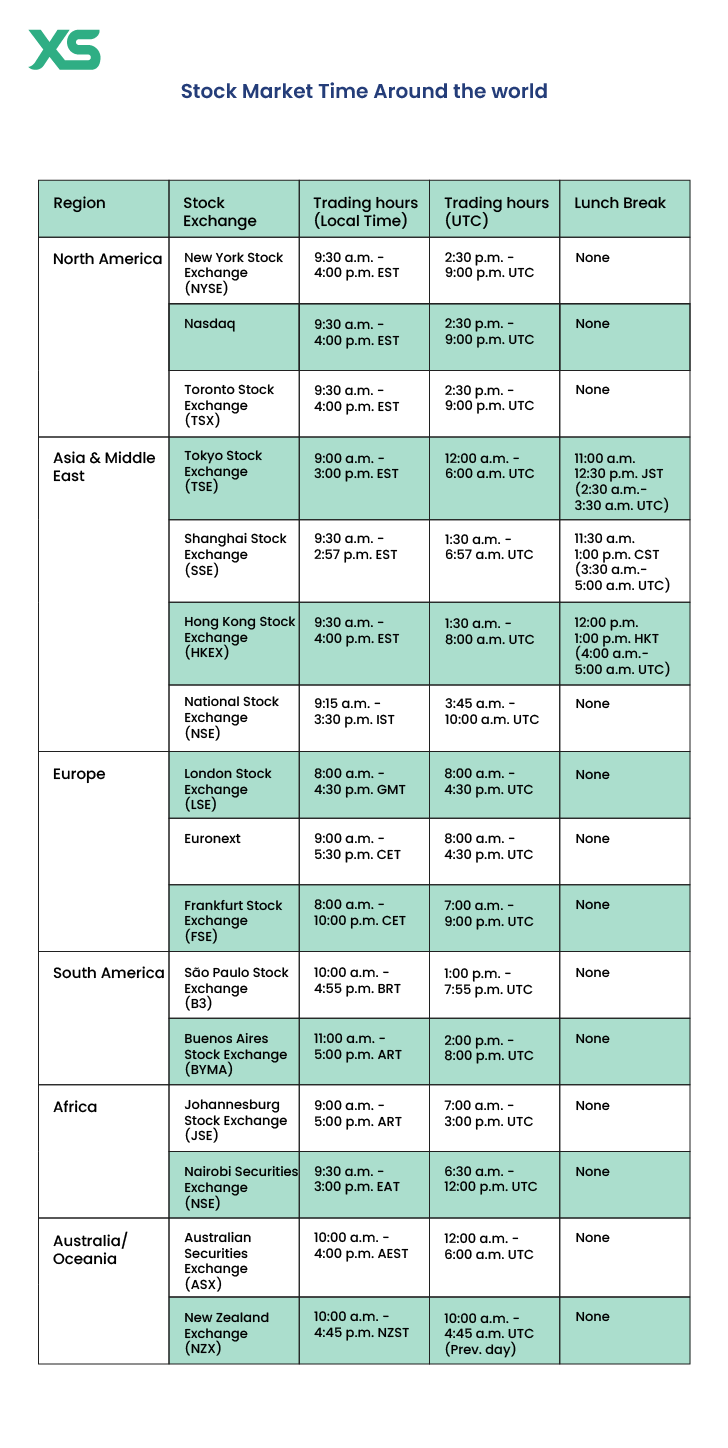
New York Stock Exchange (NYSE) and NASDAQ
Both the NYSE, renowned for its physical trading floor and large-cap industrial companies, and the NASDAQ, a fully electronic exchange known for its technology and growth stocks, adhere to the same official trading schedule. The U.S. stock market opens at 9:30 AM Eastern Time (ET) and closes at 4:00 PM Eastern Time (ET), Monday through Friday. This six-and-a-half-hour window is when the vast majority of stock transactions occur, facilitating billions of dollars in trades daily. During these hours, prices are typically more stable, and the bid-ask spreads (the difference between the highest price a buyer is willing to pay and the lowest price a seller is willing to accept) are generally narrower due to the high volume of participants. The opening and closing moments, marked by the iconic opening and closing bells, are often characterized by heightened volatility and trading volume as market participants react to overnight news or prepare for the next day.
Eastern Time (ET) as the Benchmark
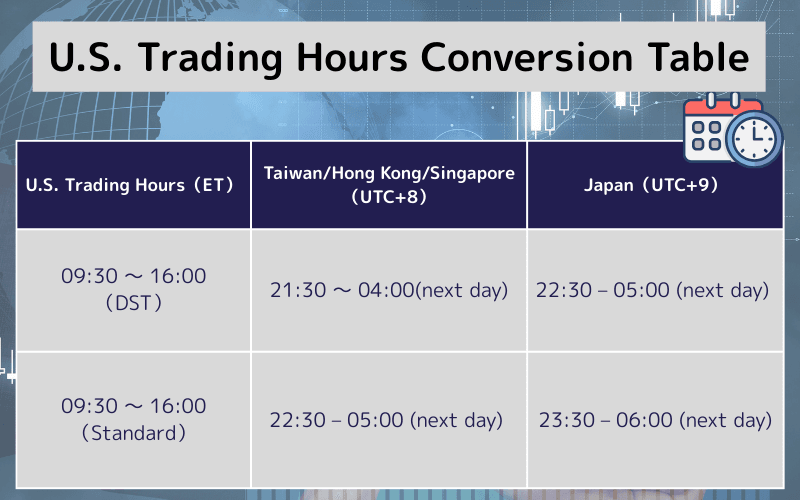
It is critical for investors, particularly those not residing on the East Coast of the United States, to remember that all market times are quoted in Eastern Time (ET). This standardization ensures consistency across all market participants, regardless of their geographical location. For example, an investor on the West Coast (Pacific Time, PT) needs to subtract three hours, meaning the market opens for them at 6:30 AM PT and closes at 1:00 PM PT. Similarly, for those in the Central Time (CT) zone, the market operates from 8:30 AM CT to 3:00 PM CT. Acknowledging and correctly converting these times is essential for timely trade execution, monitoring portfolio performance, and staying abreast of real-time market developments without missing critical junctures.
Beyond Standard Hours: Pre-Market and After-Hours Trading
While the regular 9:30 AM to 4:00 PM ET window defines standard market operations, trading activity extends well beyond these confines. Pre-market and after-hours sessions offer opportunities for investors to react to news released outside of regular hours, but they also come with unique characteristics and elevated risks.
Pre-Market Trading
Pre-market trading refers to the period before the official 9:30 AM ET open. While specific times can vary slightly depending on the brokerage firm, many major electronic communication networks (ECNs) facilitate trading as early as 4:00 AM ET, continuing until the market officially opens. This session is crucial for absorbing and reacting to news that breaks overnight or in the early morning, such as corporate earnings reports, economic data releases, or geopolitical developments. Companies often strategically release their quarterly earnings before the market opens to allow investors time to digest the information, leading to significant price movements in pre-market trading as initial reactions take hold. The primary characteristics of pre-market trading include lower liquidity and wider bid-ask spreads compared to regular hours. This means it can be harder to execute large orders without significantly impacting the price, and the cost of trading (the spread) is higher. Price swings can be more dramatic due to the thinner trading volume, making it a higher-risk environment.
After-Hours Trading
Conversely, after-hours trading takes place after the standard 4:00 PM ET close. This session typically runs from 4:00 PM ET to 8:00 PM ET, though, like pre-market, exact timings can depend on the brokerage and ECNs. After-hours trading serves a similar purpose to pre-market: allowing investors to react to news released after the market closes. Many companies choose to release earnings reports or make significant announcements in the hours following the market close. This also provides an avenue for international investors to participate more actively, aligning with their respective time zones. Similar to pre-market, after-hours sessions are marked by reduced liquidity and increased volatility. Institutional investors and professional traders often dominate these extended sessions, using advanced algorithms to react rapidly to news. Retail investors can participate through most online brokerage platforms, but must be aware of the inherent risks, including rapid price fluctuations, difficulty in finding buyers or sellers, and the potential for substantial price gaps when the market reopens the following day.
Extended Hours vs. Regular Hours: Key Differences
The core distinction between extended hours and regular hours lies in market depth and participation. During regular hours, a vast pool of buyers and sellers ensures robust liquidity, tighter spreads, and more efficient price discovery. Extended hours, by contrast, feature a much smaller pool of participants, leading to less efficient markets. While they offer flexibility and immediate reaction capabilities, they also present challenges related to order execution, significant price movements on relatively small volumes, and increased risk for less experienced traders. Understanding these dynamics is paramount for anyone considering trading outside the standard 9:30 AM to 4:00 PM ET window.
Understanding Market Holidays and Early Closures
While the U.S. stock market typically operates Monday through Friday, there are specific days throughout the year when it remains closed or operates on a shortened schedule. These holidays and early closures are crucial for investors to be aware of, as they can impact trading strategies, settlement periods, and the availability of financial information.
Major U.S. Stock Market Holidays
The U.S. stock market observes several federal holidays, during which all trading ceases for the entire day. These closures are typically aligned with major national holidays, providing a break for market participants and allowing for administrative processes to catch up. Common holidays observed by the NYSE and NASDAQ include:
- New Year’s Day: January 1st
- Martin Luther King, Jr. Day: Third Monday in January
- Presidents’ Day: Third Monday in February
- Good Friday: The Friday before Easter
- Memorial Day: Last Monday in May
- Juneteenth National Independence Day: June 19th
- Independence Day: July 4th
- Labor Day: First Monday in September
- Thanksgiving Day: Fourth Thursday in November
- Christmas Day: December 25th
It’s important to note that if a holiday falls on a weekend, the market typically observes it on the preceding Friday or the following Monday. For instance, if Christmas Day falls on a Saturday, the market may be closed on Friday, December 24th. These closures are publicly announced well in advance by the exchanges, allowing investors and financial institutions to plan accordingly.
Early Closures and Special Circumstances
Beyond full-day holidays, there are instances when the stock market closes earlier than the standard 4:00 PM ET. These shortened trading days are less frequent but equally important to recognize. The most common early closures include:
- The day after Thanksgiving (Black Friday): The market typically closes at 1:00 PM ET.
- Christmas Eve: If December 24th falls on a weekday, the market often closes at 1:00 PM ET.
- Sometimes on other days preceding major holidays: Less common but can occur.
These early closures are designed to allow market participants to observe holidays while still providing a partial trading day. In rare and extreme circumstances, such as national emergencies, severe weather events, or significant infrastructure failures, markets may also face unscheduled closures or delays. While highly infrequent, these events underscore the importance of staying updated with official exchange announcements. Awareness of both planned holidays and potential early closures is vital for managing trade settlements, processing fund transfers, and ensuring that no critical trading opportunities or obligations are missed.
Why Market Hours Matter for Investors
Understanding market hours is more than just knowing when you can buy or sell shares; it deeply impacts investment strategies, risk assessment, and how investors interpret market movements. The dynamics of liquidity, volatility, and information dissemination are intrinsically linked to the time of day.
Impact on Trading Strategy
For day traders, who aim to profit from short-term price fluctuations, regular market hours are paramount. The higher liquidity and volume during these times provide the best conditions for executing trades quickly and efficiently with tighter spreads. They often focus on the opening and closing hours, which tend to be the most volatile and offer the greatest potential for rapid price swings. In contrast, long-term investors are less concerned with intraday price movements but still need to be aware of market hours for placing orders, particularly for new investments or rebalancing portfolios. Major news events released outside regular hours can cause significant price gaps at the next open, impacting the initial value of any open position. For those involved in news-driven trading, the timing of corporate announcements and economic reports relative to market open and close dictates when and how they will execute their trades, often leveraging pre-market and after-hours sessions to react immediately.
Liquidity and Volatility
Liquidity refers to how easily an asset can be converted into cash without affecting its market price. During standard market hours, the sheer volume of buyers and sellers ensures high liquidity, meaning large orders can be placed without significantly moving the price of a stock. This makes it easier to enter and exit positions at desired prices. Outside regular hours, liquidity drastically decreases. This reduction means that even small orders can have a magnified impact on a stock’s price, leading to increased volatility. A stock might trade at a very different price in after-hours than it does at the next open, presenting both opportunities and significant risks. Investors need to be acutely aware that orders placed during extended hours might be filled at prices far from what they anticipated due to this reduced liquidity and higher volatility.
Global Market Influence
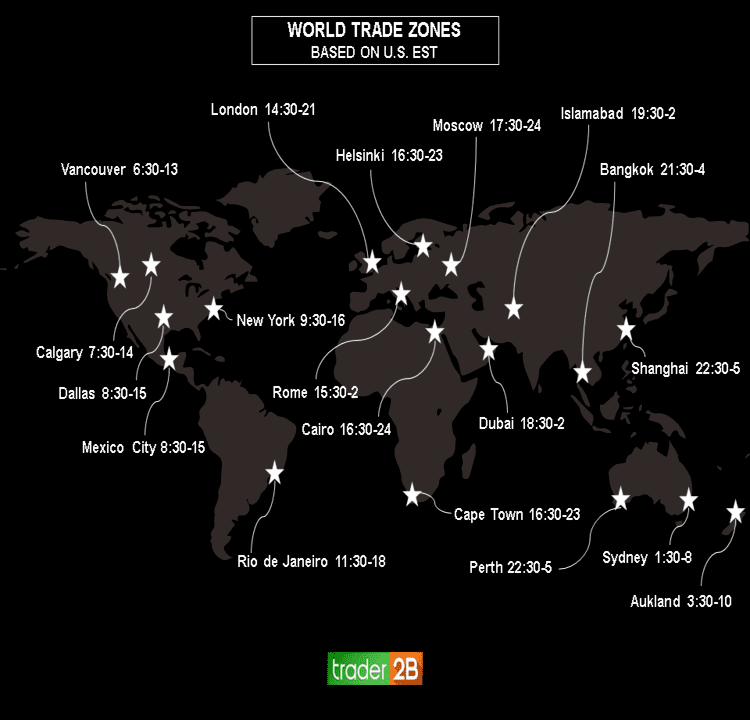
The U.S. stock market does not operate in a vacuum. Its opening and closing times are strategically positioned within the global trading day, allowing it to react to and influence other major financial centers. As the U.S. market opens, it often reflects sentiment and news that has developed in Asian and European markets, which have already been trading for hours. For example, if European markets experience a significant downturn, the U.S. market may open lower in response. Conversely, the U.S. market’s performance, particularly at its close, can set the tone for Asian markets as they begin their trading day. This interconnectedness means that even when the U.S. market is technically closed, global events and trading can still influence the market’s trajectory, often manifesting as price gaps at the U.S. open. Savvy investors monitor global market movements to anticipate potential trends and reactions when the U.S. market resumes trading.
Factors Influencing Market Open and Close Dynamics
The moments of market open and close are often characterized by elevated activity and unique pricing dynamics. Several factors contribute to these patterns, making these periods particularly insightful for observing market sentiment and institutional behavior.
Order Flow and Institutional Activity
The opening and closing bells are not merely ceremonial; they represent periods of intense order matching. At the market open, a significant number of pending orders—from overnight news reactions, institutional portfolio rebalancing, or individual investor decisions made before the open—are executed through an opening auction. This process determines the initial price for many stocks. Similarly, the closing auction facilitates the execution of all buy and sell orders placed to be filled at the closing price. Institutional investors, such as mutual funds, pension funds, and hedge funds, often place large orders during these periods. They might be adjusting their portfolios, hedging positions, or engaging in “window dressing” at quarter-end (buying stocks that have performed well to improve the appearance of their portfolio). This concentrated institutional activity contributes significantly to the higher trading volume and potential for price volatility observed at the market’s start and end. Understanding this order flow provides insight into the underlying sentiment and direction institutions are taking.
Economic Data Releases
Many critical economic data reports and announcements are strategically timed to coincide with or immediately precede market hours. For instance, major U.S. economic indicators like the Consumer Price Index (CPI), unemployment figures, retail sales, or Federal Reserve announcements are frequently released at 8:30 AM ET, a full hour before the market opens, or during the trading day. This timing ensures that the market has time to digest and react to the information, often leading to immediate and significant price movements at the open or throughout the day. Investors, analysts, and algorithmic trading systems are primed to react to these releases, which can shift market sentiment, alter sector performance, and influence individual stock prices within minutes of their disclosure. The anticipation and subsequent reaction to these data points are powerful drivers of market dynamics, especially during the opening minutes.
Corporate Earnings and News
One of the most significant influences on individual stock performance, and often broader market sentiment, is corporate earnings reports and other company-specific news. To allow investors adequate time to process the information without disrupting ongoing trading, companies typically release these announcements either before the market opens (e.g., 7:00 AM – 9:00 AM ET) or after the market closes (e.g., 4:00 PM – 5:30 PM ET). The impact of these releases is then often played out in the pre-market or after-hours trading sessions, and definitively when the market opens the next day. A positive earnings surprise released after hours might cause a stock to “gap up” at the next open, trading significantly higher than its previous close. Conversely, disappointing news can lead to a “gap down.” This strategic timing minimizes trading disruptions but concentrates volatility around the market’s open and close, making these periods crucial for reacting to fundamental company developments.
aViewFromTheCave is a participant in the Amazon Services LLC Associates Program, an affiliate advertising program designed to provide a means for sites to earn advertising fees by advertising and linking to Amazon.com. Amazon, the Amazon logo, AmazonSupply, and the AmazonSupply logo are trademarks of Amazon.com, Inc. or its affiliates. As an Amazon Associate we earn affiliate commissions from qualifying purchases.