
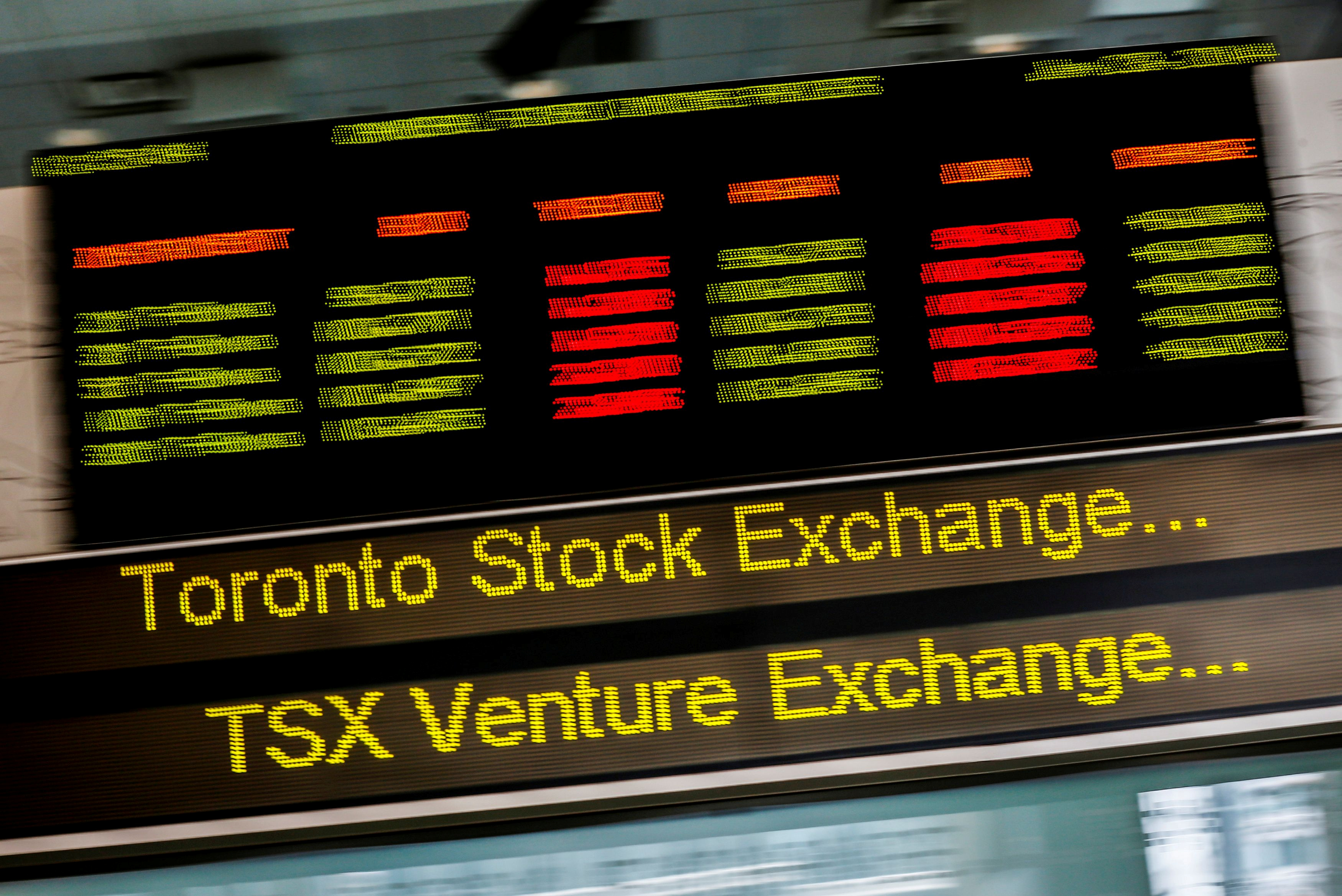
The TSX Stock Exchange, formally known as the Toronto Stock Exchange, stands as the primary stock exchange in Canada and one of the largest in the world by market capitalization. It is a cornerstone of the Canadian financial landscape, facilitating the buying and selling of securities for both domestic and international investors. For anyone interested in Canadian equities, understanding the TSX is not just beneficial, but essential. It serves as a vital platform for companies to raise capital and for investors to participate in the growth and prosperity of Canadian businesses, from budding startups to established multinational corporations. Its robust regulatory framework and diverse array of listed companies make it a significant player on the global financial stage, attracting attention from individual investors, institutional funds, and financial professionals alike.

Understanding the TSX: Canada’s Investment Gateway
The TSX is more than just a marketplace; it’s a sophisticated ecosystem that connects capital with innovation, enabling economic growth and wealth creation across Canada. Its operations are critical to the functioning of the national economy, providing transparency and liquidity for a vast range of financial instruments.
History and Evolution of the Exchange
The roots of the Toronto Stock Exchange trace back to 1852, making it one of the oldest exchanges in North America. Initially, it was a modest gathering of businessmen trading shares in a few local companies. Over the decades, it grew in prominence, especially with the expansion of Canada’s resource and industrial sectors. A pivotal moment in its modern history was the merger with the Montreal Exchange (ME) in 1999, which led to the formation of the TMX Group. This strategic consolidation brought together the equities and derivatives markets under a single umbrella, creating a more efficient and competitive financial market. The TMX Group now operates various marketplaces, with the TSX focusing on senior equities and the TSX Venture Exchange (TSXV) catering to junior equities, predominantly emerging companies with smaller market capitalizations. This tiered structure ensures that companies at different stages of their lifecycle can access public capital, fostering a dynamic environment for both investors and entrepreneurs.
Who Operates the TSX? The TMX Group
The Toronto Stock Exchange is a wholly-owned subsidiary of the TMX Group Limited. The TMX Group is a global exchange operator headquartered in Toronto, Canada. Beyond the TSX and TSXV, the TMX Group also operates the Montreal Exchange (Canada’s derivatives exchange), NGX (a natural gas exchange), and various clearing houses and data services. This broad portfolio underscores the TMX Group’s comprehensive role in the Canadian financial infrastructure, providing listing, trading, clearing, and information services. Its integrated approach ensures the smooth and secure functioning of the Canadian capital markets, upholding integrity and transparency. The TMX Group’s strategic vision extends to fostering innovation, enhancing market efficiency, and promoting Canada as a leading destination for investment and capital formation on the global stage.
Types of Securities Traded
The TSX offers a wide spectrum of investment opportunities through various types of securities. The most common are equities (common and preferred shares) of publicly listed companies. These companies span diverse sectors, from banking and energy to technology and healthcare. Investors can buy shares in established blue-chip companies, which typically offer stability and dividends, or in growth-oriented firms promising higher returns but with potentially higher risk.
Beyond individual stocks, the TSX also lists Exchange Traded Funds (ETFs), which are investment funds traded on stock exchanges, much like individual stocks. ETFs can track various indices (e.g., the S&P/TSX Composite Index), commodities, or specific sectors, offering diversification and lower expense ratios compared to actively managed mutual funds. Real Estate Investment Trusts (REITs) are another popular security, allowing investors to gain exposure to real estate without directly owning properties. Additionally, options and other derivatives are available, primarily through the Montreal Exchange, providing tools for hedging and speculation, though these instruments typically cater to more experienced investors due to their inherent complexity and risk.
The TSX’s Pivotal Role in the Canadian Economy
The TSX is not merely a venue for trading; it plays an indispensable role in the broader Canadian economy, acting as a crucial intermediary between businesses seeking funding and investors seeking returns. Its functions are multi-faceted, contributing significantly to economic development and stability.
Capital Formation for Businesses
One of the primary functions of the TSX is to facilitate capital formation. Public companies list their shares on the exchange to raise capital from a broad base of investors. This capital is vital for funding expansion, research and development, mergers and acquisitions, and other corporate initiatives. By providing a platform for companies to access significant funds, the TSX directly supports job creation, innovation, and economic growth. Without such an efficient mechanism, businesses would find it far more challenging and costly to secure the necessary financing for their operations and ambitious projects, potentially stifling economic progress. The ability to go public also provides an exit strategy for early-stage investors and founders, incentivizing venture capital and private equity investments into promising Canadian firms.
Providing Liquidity for Investors
Liquidity is a cornerstone of any efficient financial market, and the TSX excels in this regard. It ensures that investors can buy or sell their securities relatively quickly and at fair market prices. This liquidity is critical because it gives investors the confidence that they can convert their investments into cash when needed, without significant delays or price distortions. High liquidity on the TSX attracts more investors, further enhancing market depth and stability. It also allows for efficient price discovery, as a continuous flow of buy and sell orders helps to establish the true market value of a security based on supply and demand dynamics. Without robust liquidity, investors would face higher transaction costs, greater price volatility, and reduced confidence, all of which would deter participation.
Price Discovery and Market Efficiency
The TSX is central to the process of price discovery. Through the continuous interaction of buyers and sellers, the market efficiently processes all available information about a company and its prospects, reflecting that information in the security’s price. This ensures that the prices of listed stocks are generally considered fair and reflective of their true value at any given moment. This efficiency is crucial for capital allocation, as it directs investment towards companies that are perceived to offer the best risk-adjusted returns. Furthermore, the transparency inherent in a public exchange means that all participants have access to the same price information, fostering a level playing field and preventing informational asymmetries that could disadvantage certain investors.
How to Invest in the TSX: Pathways for Every Investor
Engaging with the TSX is accessible to a wide range of investors, from beginners to seasoned professionals. The process typically involves a few key steps and understanding the various investment vehicles available.
Opening a Brokerage Account
The first and most fundamental step to investing in the TSX is opening a brokerage account. In Canada, investors can choose between traditional full-service brokers who offer personalized advice and extensive research, or discount online brokers that provide self-directed trading platforms at lower commission rates. Many Canadian banks also offer their own brokerage services. When selecting a broker, consider factors such as fees (commissions, maintenance fees), platform usability, available research tools, customer support, and the types of investments offered. It’s crucial to choose a brokerage that is regulated by the Investment Industry Regulatory Organization of Canada (IIROC) to ensure your investments are protected within industry standards.
Direct Stock Ownership vs. Pooled Investments

Once you have a brokerage account, you can choose to invest directly in individual stocks or opt for pooled investment vehicles. Direct stock ownership involves purchasing shares of specific companies that you have researched and believe have strong growth potential or dividend prospects. This approach requires more active management, research, and a clear understanding of the risks associated with individual company performance.
Alternatively, pooled investments offer a simpler path to diversification. These include ETFs (Exchange Traded Funds) and mutual funds that hold a basket of stocks, often tracking a specific index (like the S&P/TSX Composite Index) or investing in a particular sector. ETFs are generally favored for their low fees, liquidity, and transparency, as they are traded on the exchange like stocks. Mutual funds, managed by professional fund managers, also offer diversification but typically have higher management fees. For many investors, particularly those new to the market, pooled investments provide an excellent way to gain broad market exposure with less individual stock-picking risk.
Understanding Market Orders and Risk Management
When placing trades, investors will encounter different types of orders. A market order instructs the broker to buy or sell a security immediately at the best available price. While ensuring execution, the exact price cannot be guaranteed, especially in volatile markets. A limit order, conversely, allows you to specify the maximum price you’re willing to pay to buy or the minimum price you’re willing to accept to sell. This provides more control over the execution price but doesn’t guarantee the order will be filled.
Risk management is paramount in investing. This involves setting clear investment goals, understanding your risk tolerance, and diversifying your portfolio across different assets, sectors, and geographies to mitigate the impact of poor performance in any single investment. Investors should also avoid investing more than they can afford to lose and regularly review their portfolio to ensure it aligns with their financial objectives. Employing strategies like dollar-cost averaging (investing a fixed amount regularly) can also help reduce the impact of market timing risks.
Key Market Indices and Sectors on the TSX
The TSX is home to thousands of listed companies, making it vital for investors to understand its major indices and the dominant sectors that drive its performance. These indices serve as benchmarks for the overall health and direction of the Canadian stock market.
S&P/TSX Composite Index
The S&P/TSX Composite Index is the headline benchmark for the Canadian equity market. It represents approximately 70% of the total market capitalization of all common shares listed on the Toronto Stock Exchange. This broad-based index is highly diversified, including large-cap, mid-cap, and some small-cap companies across various industries. It is widely used by investors and financial professionals to gauge the performance of the overall Canadian stock market. Movements in the S&P/TSX Composite are closely watched as an indicator of investor sentiment and economic conditions in Canada. Investing in an ETF that tracks this index is a popular way to gain broad exposure to the Canadian market.
S&P/TSX 60 Index
Another significant index is the S&P/TSX 60 Index, which represents 60 of the largest and most liquid companies listed on the Toronto Stock Exchange. These are Canada’s blue-chip companies, often recognized global leaders in their respective fields. Given its focus on large-cap stocks, the S&P/TSX 60 provides a snapshot of the performance of the most influential corporations in Canada. It’s often favored by institutional investors and those seeking exposure to the most stable and well-established Canadian companies. While less diversified than the Composite Index, its components have a substantial impact on the Canadian economy.
Dominant Sectors on the TSX
The TSX is distinctive in its sectoral composition compared to other major global exchanges. Historically, it has been heavily influenced by a few dominant sectors:
- Financials: This sector, comprising major banks, insurance companies, and investment firms, consistently holds the largest weighting on the TSX. Canada’s banking system is known for its stability and resilience, making financial stocks a cornerstone of many Canadian portfolios.
- Energy: Given Canada’s vast natural resources, the energy sector (oil, gas, pipelines, and related services) is another significant component. Its performance is often tied to global commodity prices, introducing a unique dimension of volatility and opportunity for investors.
- Materials: This sector includes mining companies (gold, copper, nickel, etc.), forestry products, and chemical producers. Like energy, it is highly sensitive to global commodity cycles and demand.
- Industrials, Information Technology, and Healthcare: While traditionally smaller, these sectors have been growing in prominence. The technology sector, in particular, has seen significant expansion with the rise of Canadian tech innovation, attracting more investor interest and diversifying the TSX’s overall profile.
Understanding these sector weightings is crucial for investors, as it highlights the inherent strengths and potential vulnerabilities of the Canadian market and helps in making informed diversification decisions.
Navigating Risks and Opportunities on the TSX
Investing in the stock market, including the TSX, inherently involves both risks and opportunities. A clear understanding of these aspects is fundamental for making informed investment decisions and achieving long-term financial goals.
Market Volatility and Economic Factors
The TSX, like all stock exchanges, is subject to market volatility. Share prices can fluctuate significantly due to a myriad of factors, including company-specific news, sector trends, national economic indicators (e.g., interest rates, inflation, GDP growth), and global geopolitical events. Economic slowdowns or recessions can lead to broad market declines, while periods of strong economic growth typically support rising stock prices. Investors must be prepared for these fluctuations and understand that short-term dips are a normal part of the investment cycle. A long-term perspective and a well-diversified portfolio can help buffer the impact of short-term volatility.
Geopolitical Influences and Commodity Prices
Given Canada’s resource-rich economy, the TSX is particularly sensitive to global commodity prices, especially for oil, natural gas, and various metals. Geopolitical events, such as conflicts in resource-producing regions, shifts in global demand, or trade disputes, can have a profound impact on the energy and materials sectors, subsequently affecting the overall performance of the TSX. For example, a surge in global oil prices will generally benefit Canadian energy companies, while a downturn can weigh heavily on the index. Therefore, investors in the TSX often need to keep an eye on international affairs and commodity market dynamics.
Diversification Strategies and Long-Term Investing
One of the most effective strategies to manage risk on the TSX, or any stock market, is diversification. This involves spreading your investments across various types of assets, industries, and geographical regions to avoid over-reliance on any single investment. For instance, rather than putting all your capital into one energy stock, you might invest in a mix of financials, technology, and healthcare stocks, or utilize ETFs that provide broad market exposure.
Furthermore, adopting a long-term investment horizon is crucial. Historically, stock markets have trended upwards over extended periods, despite short-term downturns. By investing for the long haul, typically 5-10 years or more, investors can ride out periods of volatility and benefit from the compounding of returns. Regular contributions to your investment portfolio, regardless of market conditions (dollar-cost averaging), can also help mitigate the risk of timing the market incorrectly. Patience and discipline are key attributes for successful investing on the TSX.
In conclusion, the TSX Stock Exchange is a sophisticated and accessible platform for investing in the Canadian economy. By understanding its structure, key functions, investment pathways, and the inherent risks and opportunities, investors can strategically participate in the growth of Canadian businesses and work towards their financial objectives with confidence.
aViewFromTheCave is a participant in the Amazon Services LLC Associates Program, an affiliate advertising program designed to provide a means for sites to earn advertising fees by advertising and linking to Amazon.com. Amazon, the Amazon logo, AmazonSupply, and the AmazonSupply logo are trademarks of Amazon.com, Inc. or its affiliates. As an Amazon Associate we earn affiliate commissions from qualifying purchases.