
The term “stock market crash” frequently conjures images of panicked traders, plummeting ticker tapes, and fortunes vanishing overnight. While these dramatic portrayals are not entirely without basis, understanding the precise definition and implications of a stock market crash requires a more nuanced perspective. Far from being a mere downturn, a crash represents a severe, sudden, and often unexpected drop in stock prices across a significant portion of the market, typically within a short period. It’s a phenomenon that can ripple through economies, reshaping financial landscapes and challenging the resilience of investors and institutions alike.

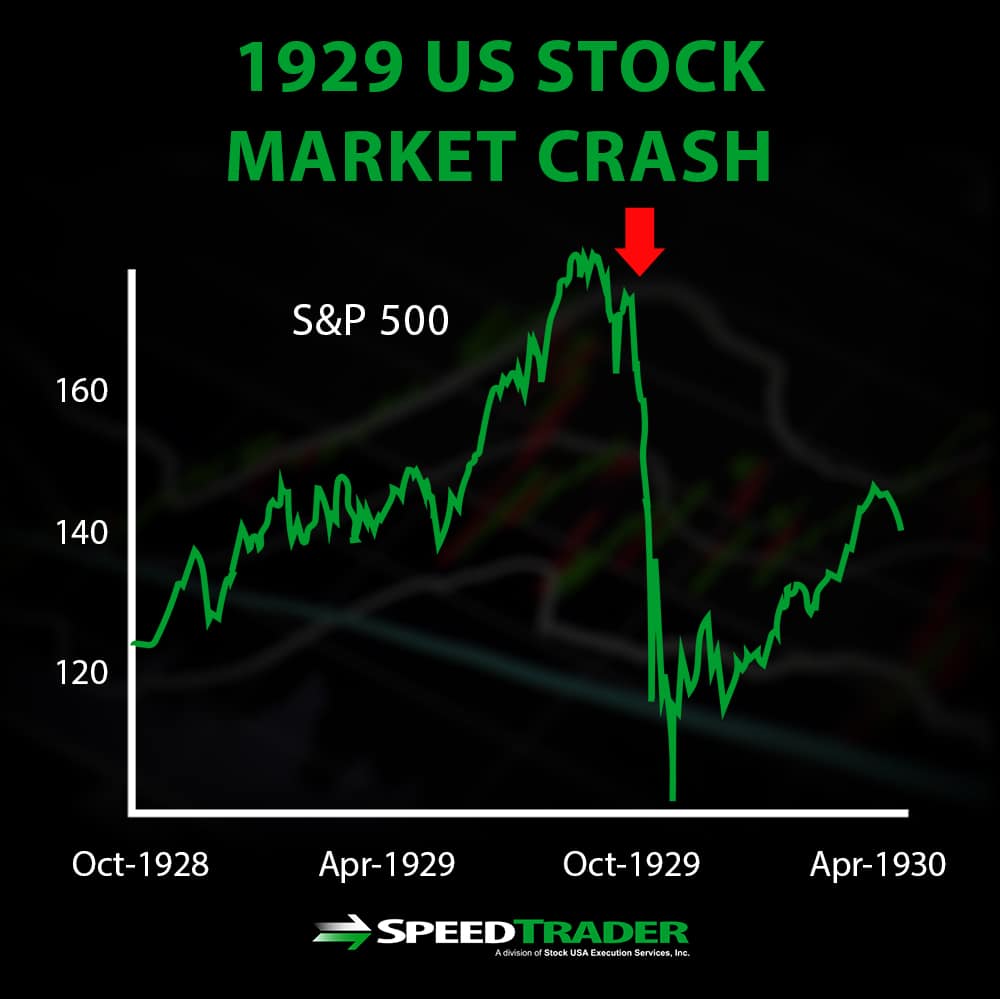
At its core, a stock market crash is characterized by a rapid, often double-digit percentage decline in a major stock market index, such as the S&P 500, Dow Jones Industrial Average, or NASDAQ Composite. While there isn’t one universally agreed-upon numerical threshold, most financial experts consider a drop of 10% or more within a few days or weeks, coupled with widespread panic and selling pressure, to be indicative of a crash. This swift descent distinguishes a crash from more gradual market corrections or bear markets, though it often precedes or exacerbates such extended downturns. Understanding its definition is the first step towards comprehending its causes, consequences, and how investors might navigate such turbulent waters.
Understanding the Anatomy of a Market Downturn
To truly grasp what constitutes a stock market crash, it’s essential to differentiate it from other forms of market volatility and understand the key indicators that signal its onset. The financial world is replete with terminology describing market movements, and distinguishing between them is crucial for accurate analysis and informed decision-making.
Defining a Stock Market Crash
A stock market crash is not just any bad day on Wall Street; it’s a cataclysmic event marked by an extremely sharp, often unforeseen, and rapid decline in stock prices. The critical elements are speed and magnitude. A significant benchmark index might fall 10% or more in a single day, or experience multiple steep declines over a concentrated period of days or weeks. This suddenness often triggers widespread panic selling, as investors, driven by fear, race to liquidate their holdings, further exacerbating the downward spiral. Unlike a slow bleed, a crash feels like an acute shock to the system, characterized by high trading volumes as shares rapidly change hands at increasingly lower valuations.
Differentiating Crashes, Corrections, and Bear Markets
While often used interchangeably by the uninformed, “crash,” “correction,” and “bear market” describe distinct phenomena:
- Correction: A market correction is a short-term reversal in the price of an asset or market index, typically a decline of 10% or more from its most recent peak. Corrections are a normal part of healthy market cycles, often providing opportunities for investors to buy assets at lower prices. They tend to be relatively brief, lasting from a few days to a few months, and don’t usually involve the same level of widespread panic as a crash.
- Bear Market: A bear market is a more prolonged and significant downturn, defined by a broad market index falling 20% or more from its recent high. Unlike a correction, a bear market can last for several months or even years. It’s characterized by sustained negative sentiment, lower investor confidence, and often coincides with economic recessions. While a crash can initiate a bear market, a bear market itself is a longer-term trend of declining prices.
- Crash: As defined, a crash is a sudden and severe drop, often triggering or occurring within a bear market. Its defining feature is the speed and intensity of the decline. A crash can be a single dramatic day (like Black Monday 1987) or a series of rapid plunges over a short period.
Key Indicators and Triggers
Identifying the precise triggers of a crash is often easier in hindsight, but common precursors include:
- Economic Shocks: Unexpected recessions, sudden interest rate hikes, or geopolitical crises (wars, pandemics).
- Asset Bubbles: Periods of irrational exuberance where asset prices detach from their intrinsic value, often fueled by speculation, leading to an eventual bursting.
- Systemic Risk: Fragilities within the financial system, such as excessive leverage, complex derivatives, or interconnectedness among institutions, which can amplify a downturn.
- Investor Sentiment: Widespread fear, loss of confidence, and herd mentality leading to indiscriminate selling.
- Technological Malfunctions: Though rare, significant technical glitches in trading systems can also contribute to flash crashes.
Historical Precedents and Their Lessons
History provides invaluable insights into the nature and impact of stock market crashes. By examining past events, we can identify recurring patterns, understand the unique circumstances that contribute to each crisis, and learn how markets and regulations have evolved in response.
Famous Crashes: Black Monday (1987), Dot-Com Bubble (2000), Global Financial Crisis (2008)
- Black Monday (October 19, 1987): The Dow Jones Industrial Average plummeted by 22.6% in a single day, the largest one-day percentage drop in history. There was no clear preceding news event, making its suddenness particularly shocking. It highlighted issues with program trading and market circuit breakers.
- Dot-Com Bubble Burst (2000-2002): Following years of speculative investment in internet-related companies, many of which had no clear path to profitability, the NASDAQ Composite fell by nearly 78% from its peak. This was a more prolonged decline rather than a single-day crash, but it began with rapid drops that wiped out trillions in market value. It taught lessons about valuation and sustainable business models.
- Global Financial Crisis (2008): Triggered by the collapse of the subprime mortgage market, this crisis led to widespread bank failures, credit freezes, and significant declines in global stock markets. The S&P 500 fell by over 50% from its peak. This crisis underscored the dangers of unregulated financial innovation, excessive leverage, and systemic risk in an interconnected global economy.
Common Themes and Unique Circumstances
Despite their distinct triggers and timelines, common themes emerge across these historical crashes:
- Prior Speculative Bubbles: Most significant crashes are preceded by periods of irrational exuberance and asset bubbles, where valuations become detached from fundamentals.
- Leverage: The use of borrowed money (leverage) amplifies both gains and losses, often accelerating market declines when margin calls force liquidation.
- Herding Behavior: Fear and panic selling spread rapidly, often overpowering rational analysis.
- Information Asymmetry/Lack of Transparency: Opaque financial products or incomplete information often contribute to investor uncertainty and erosion of confidence.
However, each crash also has unique circumstances. Black Monday was largely a technical, liquidity-driven event; the Dot-Com bust was about overvaluation of a nascent industry; and 2008 was a systemic banking crisis fueled by complex derivatives and housing market failures.
Regulatory Responses and Market Evolution
Each major crash has spurred significant regulatory changes aimed at preventing future crises or mitigating their impact:
- Circuit Breakers (Post-1987): Introduced to halt trading temporarily during extreme market declines, giving investors time to absorb information and curb panic selling.
- Sarbanes-Oxley Act (Post-Dot-Com): Aimed at improving corporate governance and accountability to restore investor confidence.
- Dodd-Frank Wall Street Reform and Consumer Protection Act (Post-2008): A comprehensive overhaul of financial regulation designed to prevent another financial meltdown, focusing on systemic risk, consumer protection, and bank supervision.
These responses demonstrate an ongoing effort to make financial markets more resilient, though the dynamic nature of finance means new challenges inevitably arise.
The Causes and Catalysts of a Crash

Understanding what a stock market crash is only half the battle; comprehending why they occur is essential for both policy makers and investors. Crashes are rarely attributable to a single factor but rather a confluence of economic forces, investor psychology, and systemic vulnerabilities.
Economic Factors: Recessions, Interest Rate Hikes, Geopolitical Events
- Recessions: A significant and sustained economic contraction, leading to lower corporate earnings, higher unemployment, and reduced consumer spending, is a primary driver of market downturns. The stock market often acts as a leading indicator, anticipating economic weakness.
- Interest Rate Hikes: Central banks raise interest rates to combat inflation. While necessary, higher rates increase borrowing costs for businesses and consumers, can dampen economic growth, and make bonds more attractive relative to stocks, causing equity prices to fall.
- Geopolitical Events: Wars, terrorist attacks, political instability, and major international trade disputes can create immense uncertainty, disrupt supply chains, and erode investor confidence, leading to rapid market sell-offs. The COVID-19 pandemic in 2020 served as a recent example of a global health crisis triggering a sharp, albeit short-lived, crash.
Investor Behavior: Panic Selling, Speculative Bubbles, Herd Mentality
- Panic Selling: Fear is a powerful motivator. When prices begin to fall, individual and institutional investors, driven by a desire to avoid further losses, may engage in indiscriminate selling, irrespective of a company’s fundamentals. This panic exacerbates the downward spiral.
- Speculative Bubbles: These occur when asset prices rise dramatically and rapidly, driven by investor enthusiasm and speculation rather than underlying value. Examples include the Dutch Tulip Mania, the Dot-Com Bubble, and the US housing bubble. The “greater fool theory” (buying an overpriced asset hoping to sell it to an even greater fool) prevails until the bubble inevitably bursts.
- Herd Mentality: Humans are social creatures, and this extends to financial markets. Investors often follow the crowd, buying when others buy and selling when others sell, rather than conducting independent analysis. This “herding” can inflate bubbles and intensify crashes.
Systemic Risks: Financial Interconnectedness, Derivatives, Algorithmic Trading
- Financial Interconnectedness: Modern global financial markets are deeply intertwined. A crisis in one sector (e.g., real estate) or country can quickly spread to others through complex credit relationships, cross-border investments, and interbank lending. The 2008 crisis showcased this vividly.
- Derivatives: While serving legitimate risk-hedging functions, complex financial derivatives (e.g., credit default swaps, collateralized debt obligations) can also amplify risks. Their opaque nature and potential for massive leverage can lead to unexpected losses and systemic contagion if underlying assets falter.
- Algorithmic Trading: High-frequency trading algorithms, designed to execute trades at lightning speed, can exacerbate market volatility during periods of stress. While efficient under normal conditions, a cascade of selling orders triggered by algorithms can lead to “flash crashes” where prices plummet momentarily, sometimes with no fundamental cause.
The Far-Reaching Impact of a Market Crash
A stock market crash is never an isolated financial event; its repercussions spread across various facets of the economy and society, affecting individuals, businesses, and government policy. The true definition of a crash includes not just the immediate price drop, but also its broader implications.
Economic Consequences: Wealth Destruction, Business Contraction, Unemployment
- Wealth Destruction: A primary and immediate consequence is the destruction of wealth. Individuals’ retirement savings, investment portfolios, and college funds can significantly diminish in value. This loss of wealth directly impacts consumer confidence and spending, which in turn slows economic growth.
- Business Contraction: Companies find it harder to raise capital through stock issuance, and the general economic downturn reduces consumer demand. This often leads to reduced corporate profits, scaling back of expansion plans, and ultimately, layoffs.
- Unemployment: As businesses cut costs and reduce operations, unemployment rates typically rise. Job losses further depress consumer spending and can create a vicious cycle of economic contraction.
- Credit Crunch: Banks, facing losses on their investments and an uncertain economic outlook, often tighten lending standards, making it harder for businesses and individuals to access credit, further stifling investment and growth.
Psychological Impact on Investors and Consumers
Beyond the economic figures, crashes take a significant psychological toll.
- Loss of Confidence: Investors who experience substantial losses may lose faith in the stock market and financial institutions, leading to prolonged disengagement from investing or a shift towards ultra-conservative, low-return assets.
- Fear and Uncertainty: The pervasive sense of fear and uncertainty can paralyze consumers, leading them to save more and spend less, further dampening economic activity.
- Mental Health: Financial stress can contribute to increased anxiety, depression, and other mental health challenges among affected individuals.
Opportunities for Resilient Investors
While devastating, crashes also present unique opportunities for long-term, resilient investors:
- “Buy Low”: For those with capital and a long-term perspective, a crash offers the chance to acquire high-quality assets and fundamentally sound companies at significantly reduced prices.
- Rebalancing Portfolios: Crashes provide an opportune time to rebalance portfolios, selling off overvalued assets (if any survived the crash relatively intact) and accumulating undervalued ones.
- Innovation and Restructuring: Downturns often force companies to become more efficient, innovate, and shed non-essential operations, leading to stronger, more resilient businesses in the long run. New industries can also emerge from the ashes of old ones.
Navigating Volatility: Strategies for Investors
Given the inevitability of market volatility, including the possibility of future crashes, prudent investors develop strategies to protect their capital and even capitalize on downturns. The goal isn’t to avoid crashes entirely—which is impossible—but to build resilience.
Diversification and Asset Allocation
One of the most fundamental principles of investing is diversification. Spreading investments across various asset classes (stocks, bonds, real estate, commodities), different industries, geographic regions, and company sizes helps mitigate risk. When one sector or asset performs poorly, others may hold steady or even gain, cushioning the overall portfolio. Asset allocation, the process of determining the appropriate mix of these assets based on an investor’s risk tolerance, time horizon, and financial goals, is equally critical. A well-diversified and properly allocated portfolio can significantly reduce the impact of a crash.
Long-Term Perspective and Dollar-Cost Averaging
A crucial strategy during volatile times is maintaining a long-term perspective. Stock market history shows that over extended periods, markets tend to recover from crashes and continue their upward trajectory. Investors who panic and sell during a crash often lock in their losses and miss out on the subsequent recovery.
Dollar-cost averaging is a powerful technique for long-term investors. It involves investing a fixed amount of money at regular intervals, regardless of market fluctuations. When prices are high, fewer shares are bought; when prices are low (during a crash), more shares are bought. This strategy averages out the purchase price over time, reducing the risk of making a large, ill-timed investment at a market peak and allowing investors to benefit from buying more during dips.
Maintaining Liquidity and Emergency Funds
Having adequate liquidity is vital, especially during a market downturn. An emergency fund, typically 3-6 months’ worth of living expenses held in easily accessible, low-risk accounts (like savings accounts or money market funds), prevents investors from being forced to sell their depreciated assets at a loss to cover unexpected expenses. This separation of “safe money” from “investment money” allows the investment portfolio to weather the storm without forced liquidation.
The Role of Financial Advisors
For many, navigating the complexities of financial markets, particularly during a crash, can be overwhelming. A qualified financial advisor can provide objective guidance, help create a personalized financial plan, ensure proper diversification, and, crucially, offer emotional support during periods of heightened fear. An advisor can help prevent impulsive decisions driven by panic and keep investors focused on their long-term objectives, tailoring strategies to individual risk profiles and life stages.
In conclusion, a stock market crash is more than just a dip; it’s a severe and sudden market event with profound economic and psychological ramifications. While they are an inherent, albeit painful, part of market cycles, understanding their definition, historical context, causes, and impacts empowers investors to prepare, adapt, and even find opportunities amidst the chaos. By adhering to principles of diversification, maintaining a long-term outlook, ensuring liquidity, and seeking professional advice when needed, investors can build resilience and navigate the turbulent waters of a stock market crash with greater confidence.
aViewFromTheCave is a participant in the Amazon Services LLC Associates Program, an affiliate advertising program designed to provide a means for sites to earn advertising fees by advertising and linking to Amazon.com. Amazon, the Amazon logo, AmazonSupply, and the AmazonSupply logo are trademarks of Amazon.com, Inc. or its affiliates. As an Amazon Associate we earn affiliate commissions from qualifying purchases.