
The news hits like a tidal wave. A friend’s mom, a figure of comfort, wisdom, and love, has cancer. In that moment, a knot forms in your stomach, a mix of sorrow for your friend and a profound sense of helplessness. What do you say? What do you do? The fear of saying the wrong thing, of sounding trite or intrusive, can be paralyzing, often leading to silence or avoidance – the very things your friend needs least. This isn’t just about crafting perfect sentences; it’s about showing up authentically, offering meaningful support, and leveraging every available resource, including modern technology, thoughtful communication strategies, and an understanding of the often-unseen financial burdens.

This guide aims to cut through the uncertainty, providing a roadmap for heartfelt and effective support. It’s about more than just words; it’s about understanding the journey, recognizing the practicalities, and cultivating a supportive presence that truly makes a difference in one of life’s most challenging moments.
Navigating the Initial Shock: Words and Presence
When someone you care about receives such devastating news, their world shrinks. They might be reeling, numb, angry, or desperately sad. Your immediate instinct might be to fix it, to offer solutions, or to share stories. But often, what they truly need in the initial phase is far simpler: a safe space for their emotions and the reassurance that they are not alone.
The Power of Simple, Sincere Sentiments
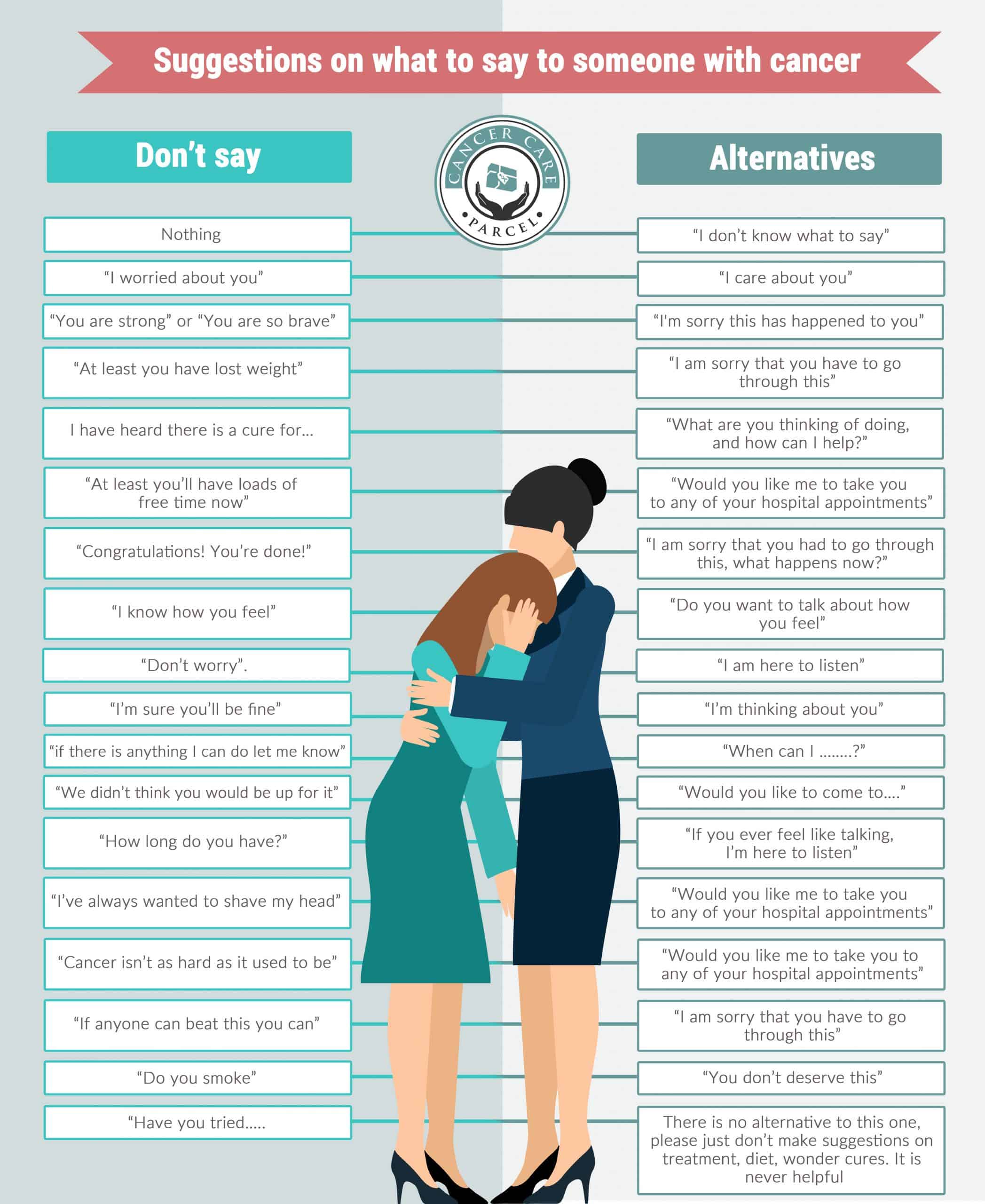
Forget the clichés and the pressure to have all the answers. The most impactful words are often the most direct and honest.
- “I’m so sorry this is happening.” This validates their pain without trying to explain it away. It acknowledges the gravity of the situation.
- “I don’t know what to say, but I’m thinking of you and your mom.” Honesty about your own discomfort can be disarming and relatable. It shows genuine care without false bravado.
- “This must be incredibly difficult. How are you doing, really?” This opens a door for them to share, but also respects their decision if they’re not ready. It’s an invitation, not a demand.
- “I love you, and I’m here for you.” If appropriate for your relationship, expressing affection and commitment is powerful. Love is a cornerstone of support.
- “I’m keeping your mom in my thoughts/prayers.” If you share a similar spiritual or belief system, this can be comforting.
Avoid phrases that minimize their experience (“It could be worse”), offer unsolicited medical advice, or make them feel responsible for your comfort (“Stay strong for your mom”). Your goal isn’t to cheer them up or find a silver lining, but to acknowledge their reality and offer solidarity.
Beyond Words: The Gift of Presence and Active Listening
Sometimes, the most profound support comes without a single word spoken. Being physically present, offering a hug, or simply sitting in silence can communicate more than any eloquent speech. Active listening is paramount here. When they do speak, give them your full attention. Let them vent, cry, or talk about mundane things if that’s what they need.
- Listen without interrupting or offering solutions. Your role is to hear, not to fix.
- Validate their feelings. Phrases like, “That sounds incredibly hard,” or “It’s completely understandable you feel that way,” affirm their emotional experience.
- Observe non-verbal cues. Are they withdrawn? Overwhelmed? Their body language might tell you more than their words.
- Don’t force conversation. Let them lead. If they want to talk about the weather, follow their lead. If they want to talk about cancer, be ready.
Your presence communicates: “I see you. I’m with you. And whatever you’re feeling, it’s okay.”
Practical Support in a Digital Age: Leveraging Tech for Care
Beyond emotional presence, tangible support can be a lifeline. In today’s interconnected world, technology offers a myriad of tools to organize, communicate, and provide practical help, transforming what used to be a fragmented effort into a coordinated network of care. This is where the principles of efficient “Tech” integration meet the human need for compassion.
Orchestrating Support Networks with Digital Tools
The burden of coordinating meals, rides to appointments, or even just keeping friends updated can fall heavily on the primary caregiver. Digital platforms can alleviate this stress significantly.
- CaringBridge and Lotsa Helping Hands: These dedicated platforms allow individuals to create a centralized hub for updates, prayer requests, and a volunteer calendar. Friends and family can sign up for specific tasks – bringing a meal, offering a ride, or grocery shopping – without overwhelming the affected family with individual calls and texts. This minimizes the “brand” of unsolicited, uncoordinated offers of help and instead presents a unified, actionable support system.
- Meal Train and Take Them a Meal: These services streamline meal delivery. Someone can create a schedule, list dietary preferences, and friends can sign up for dates, ensuring the family has regular, thoughtful meals without having to manage individual deliveries.
- Shared Calendars (Google Calendar, Cozi): For closer circles, a shared digital calendar can help coordinate appointments, visitor schedules, and other caregiving duties. This clarity can prevent miscommunication and ensure important tasks are covered.
- Group Messaging Apps (WhatsApp, Signal): A designated group chat for close friends and family can be invaluable for quick updates, sharing important information (with permission), and offering real-time support without burdening the primary contact with repetitive explanations. Setting clear communication guidelines within these groups is important to maintain privacy and prevent information overload.
Streamlining Communication: From Text to Telehealth
Technology can bridge distances and ensure information flows smoothly, but it’s crucial to use it thoughtfully.

- Mindful Messaging: Text messages can be a gentle way to check in without demanding an immediate response. A simple, “Thinking of you today, no need to reply,” shows care without adding pressure. Avoid rapid-fire questions or demands for updates.
- Video Calls for Distant Support: For friends or family living far away, video calls (Zoom, FaceTime) can offer a much-needed sense of connection. Seeing a familiar face and sharing a virtual space can be incredibly comforting, especially if physical visits aren’t possible.
- AI Tools for Drafting Thoughtful Messages (with Caveats): While genuine human emotion is irreplaceable, sometimes finding the right words is hard. AI tools like ChatGPT can help draft a starting point for messages or cards, especially when you’re feeling emotionally drained. However, it’s critical to personalize these suggestions heavily, injecting your authentic voice and specific memories. Never send an AI-generated message unedited; its “brand” would be inauthentic and potentially hurtful. Use it as a springboard, not a substitute for your own empathy.
- Understanding Telehealth Integration: While not directly for friends, being aware that your friend’s mom might be utilizing telehealth for consultations can inform your understanding of their schedule and the new ways medical care is being delivered.
Digital Comfort and Distraction: Aiding Mental Well-being
Amidst the chaos, moments of respite are vital. Technology can offer valuable distractions and tools for self-care.
- Streaming Services and Entertainment: Offering to share passwords to streaming services, curating a playlist of comforting music, or suggesting lighthearted podcasts can provide much-needed mental breaks.
- Meditation and Mindfulness Apps: Apps like Calm or Headspace can offer guided meditations and relaxation exercises, helping both the patient and their caregivers manage stress and anxiety.
- Online Communities and Forums: For some, connecting with others experiencing similar situations can be incredibly validating. Discreetly sharing links to reputable online support groups (e.g., American Cancer Society forums) can offer a space for shared experiences, but always respect their choice to engage or not.
The Brand of Compassion: Cultivating Your Role as a Supporter
In the realm of personal relationships, our actions and communications build a “brand” – how others perceive us and what they come to expect. When supporting a friend through such a crisis, cultivating a brand of compassion means consistently showing up as reliable, empathetic, and respectful. It’s about strategic communication and thoughtful engagement, mirroring principles often applied in corporate “Brand Strategy” but applied to the deeply personal.
Building Trust: Consistency and Reliability
Just as a strong brand is built on consistent quality and trustworthiness, your support needs to be reliable.
- Follow Through on Offers: If you say you’ll bring dinner, bring dinner. If you offer to pick up groceries, do it. Empty promises erode trust and add to their burden. Your actions are your brand ambassadors.
- Regular Check-ins: A sporadic text once a month might not convey sustained support. Regular, non-demanding check-ins – a weekly text, an occasional call – establish a steady presence, communicating, “I haven’t forgotten you.”
- Understand Long-Term Needs: Cancer treatment is a marathon, not a sprint. The initial outpouring of support often wanes. Your “brand” of compassion becomes truly powerful when it endures weeks, months, or even years after the initial diagnosis. Be prepared for the long haul.
Strategic Communication: Being Proactive and Empathetic
Effective communication in a crisis isn’t just about what you say, but how and when you say it.
- Proactive Offers of Specific Help: Instead of “Let me know if you need anything” (which puts the burden on them), offer specific, actionable help: “Can I bring over a meal on Tuesday?” “Would you like me to walk your dog this week?” “I’m heading to the grocery store; can I pick anything up for you?” This demonstrates initiative and makes it easier for them to accept. This proactive approach builds a “brand” of helpfulness, not just passive sympathy.
- Respecting Boundaries and Privacy: Understand that your friend might not always want to talk, or might not want to share all the details. Respect their privacy and their need for space. Don’t press for information they’re unwilling to give. Your brand as a supporter should be one of respectful discretion.
- Adapting Your Approach: Their needs and emotional state will fluctuate. What was helpful one week might be overwhelming the next. Be flexible and attuned to their cues. Your communication strategy needs to be agile, just like any good corporate brand adapts to market changes.
- Managing Your Own Emotions: Supporting someone through cancer is emotionally taxing. Don’t burden your friend with your own anxiety or sadness about their situation. Find your own support system for processing these feelings, maintaining your “brand” as a pillar of strength for them.
Respecting Boundaries and Managing Expectations
A crucial aspect of maintaining your compassionate “brand” is understanding the unspoken rules and managing both your and their expectations. This means recognizing that their primary focus is their mom and their family, and your role is supplementary.
- Don’t Take It Personally: If they’re distant, irritable, or don’t respond, it’s likely not about you. They are overwhelmed.
- No Pressure for Reciprocity: Don’t expect them to return favors or maintain the same level of friendship during this period. Your support is a gift, given freely.
- Educate Yourself (Respectfully): A basic understanding of cancer and its treatments (from reputable sources) can help you communicate more intelligently and empathetically, avoiding insensitive questions or suggestions. This shows you’ve invested in understanding their world, enhancing your “brand” as an informed and thoughtful friend.
Addressing the Unspoken: Financial Realities and Long-Term Commitment
While emotional support is paramount, the practical realities of a cancer diagnosis often involve significant financial strain. This “Money” aspect is frequently overlooked or considered too delicate to discuss, yet it can be a crushing burden for families. Addressing it, even indirectly, can be one of the most impactful forms of support, requiring careful consideration and sensitivity.
Acknowledging Financial Strain: Discreet Offers of Help
Cancer treatment, even with insurance, can lead to astronomical out-of-pocket expenses, lost income due to caregiving, and indirect costs like travel, specialized diets, and home modifications.
- Offer Practical Monetary Support (Discreetly): Direct cash gifts can be awkward, but gift cards for groceries, gas, restaurant delivery services, or even a local cleaning service can be incredibly helpful and less direct. Frame it as “a small gesture to help lighten your load” or “one less thing to worry about.”
- Contribute to Crowdfunding Initiatives: If the family has set up a GoFundMe or similar platform, contributing, even a small amount, and sharing the link with your network can multiply the impact. This leverages the “tech” of online fundraising and harnesses the power of collective “money” pooling.
- Organize a “Care Package” Fund: Instead of individual gifts, suggest to a close group of friends that you collectively contribute to a fund for specific needs – e.g., a fund for childcare, a meal delivery service subscription, or a gas card for hospital visits. This can be less intrusive than direct cash and ensures the funds go towards tangible relief.
- Help with Administrative Tasks: Sometimes the financial burden isn’t just about money, but the time and effort required to manage bills, insurance claims, and financial aid applications. If you have relevant skills (e.g., organization, research), offering to help navigate these complex systems, with permission and strict confidentiality, can free up invaluable time for your friend.
Sustaining Support Over Time: The Marathon of Caregiving
The financial and emotional toll of cancer care doesn’t end with treatment. Recurrence, long-term side effects, and ongoing monitoring mean the journey often continues for years. Your commitment to support must also reflect this long-term reality.
- Recognize the Ongoing Costs: Even after active treatment, there are follow-up appointments, rehabilitation, and sometimes ongoing medications. The financial “burn rate” might decrease but rarely disappears entirely. Your long-term “brand” as a friend means understanding this sustained pressure.
- Offer Seasonal or Occasional Financial Relief: Consider sending a gift card around holidays, birthdays, or specific anniversaries (like the end of treatment) to alleviate some financial pressure. This shows you’re thinking of them beyond the immediate crisis.
- Be Mindful of Their Time and Resources: Invitations for expensive outings or events might inadvertently create financial stress or add to their logistical challenges. Suggesting more affordable or home-based activities can be more considerate.
- Advocacy and Information: Staying informed about resources for cancer patients and caregivers – whether government programs, non-profits, or support groups – and gently sharing relevant information can be an indirect form of financial support by helping them access aid they might not know about. This aligns with a “brand” of informed and proactive assistance.
In conclusion, supporting a friend whose mom has cancer is a journey of empathy, practical action, and sustained commitment. It’s about more than just finding the “right words”; it’s about showing up, listening actively, leveraging the organizational power of technology, cultivating a personal brand of unwavering compassion, and understanding the often-hidden financial stresses. Perfection isn’t the goal; genuine presence and thoughtful, consistent care are. By integrating these elements, you can provide an invaluable source of strength and comfort, helping your friend navigate one of the most challenging chapters of their life.
aViewFromTheCave is a participant in the Amazon Services LLC Associates Program, an affiliate advertising program designed to provide a means for sites to earn advertising fees by advertising and linking to Amazon.com. Amazon, the Amazon logo, AmazonSupply, and the AmazonSupply logo are trademarks of Amazon.com, Inc. or its affiliates. As an Amazon Associate we earn affiliate commissions from qualifying purchases.