
The allure of the share market is undeniable. It’s a dynamic arena where fortunes can be made, companies grow, and individuals participate directly in economic progress. For many, it represents a potent pathway to building wealth, achieving financial independence, and securing a comfortable future. However, for those new to the game, the share market can appear intimidating – a complex web of jargon, charts, and seemingly unpredictable movements.
This guide aims to demystify the process of entering the share market, providing aspiring investors with a clear, actionable roadmap. It’s crucial to understand that investing is not a get-rich-quick scheme; rather, it’s a marathon that demands patience, continuous learning, and disciplined decision-making. By equipping yourself with the right knowledge and strategy, you can confidently navigate the market and leverage its power to work towards your financial goals.
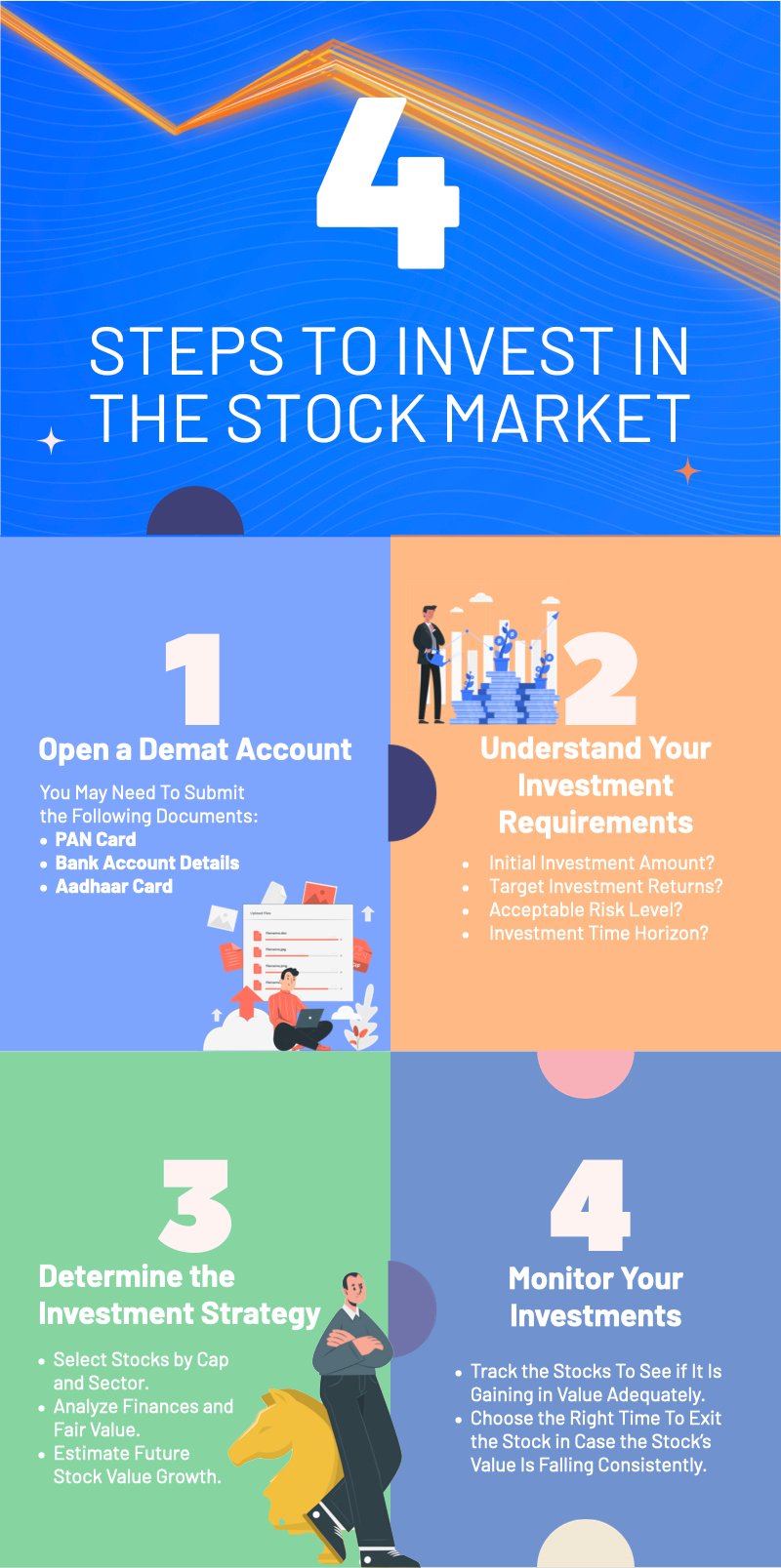
Laying the Foundation: Understanding the Basics Before You Invest
Before you even consider placing your first trade, it’s imperative to grasp the fundamental concepts that govern the share market. Building a solid understanding will serve as your bedrock, enabling you to make informed decisions and approach investing with a strategic mindset rather than pure speculation.
What is the Share Market?
At its core, the share market (also known as the stock market or equity market) is a global marketplace where individuals and institutions buy and sell shares of publicly traded companies. When you buy a share, you are essentially purchasing a tiny piece of ownership in that company.
Companies issue shares primarily for two reasons: to raise capital for expansion, research, or debt repayment (in the primary market, through Initial Public Offerings or IPOs), and to allow existing shareholders to trade their holdings (in the secondary market, which is where most day-to-day trading occurs). The price of these shares fluctuates based on supply and demand, company performance, industry trends, economic news, and investor sentiment. Understanding this fundamental mechanism is the first step in appreciating the market’s dynamics.
Why Invest in Shares?
The primary motivations for investing in shares revolve around wealth creation and participation in economic growth.
- Potential for Capital Appreciation: As a company grows, becomes more profitable, or gains a larger market share, the value of its shares can increase. If you sell your shares at a higher price than you bought them, you realize a capital gain. This is often the most significant driver for long-term investors.
- Dividends: Many profitable companies share a portion of their earnings with shareholders in the form of dividends. These payments, usually quarterly, provide a steady stream of income and can significantly boost overall returns, especially for income-focused portfolios.
- Inflation Hedge: Over the long term, equity investments have historically outperformed inflation, helping to preserve and grow your purchasing power. Unlike cash, which erodes in value due to inflation, well-chosen stocks can appreciate faster than the cost of living.
- Participation in Economic Growth: By investing in companies, you are directly participating in their success and, by extension, the broader economy. As innovative companies thrive and economies expand, your investments can grow alongside them.
Key Concepts and Terminology
The share market comes with its own lexicon. Familiarizing yourself with common terms will enhance your understanding and confidence.
- Stocks/Shares/Equities: All refer to units of ownership in a company.
- Bulls and Bears: A “bull market” signifies rising prices and investor optimism, while a “bear market” indicates falling prices and pessimism. Investors are often characterized as “bullish” (expecting prices to rise) or “bearish” (expecting prices to fall).
- Bid/Ask Price: The “bid” is the highest price a buyer is willing to pay for a stock, and the “ask” (or offer) is the lowest price a seller is willing to accept. The difference is the “spread.”
- Market Capitalization (Market Cap): The total value of a company’s outstanding shares (share price multiplied by the number of shares). Companies are often categorized by market cap (e.g., small-cap, mid-cap, large-cap).
- Diversification: The strategy of spreading investments across various asset classes, industries, and geographies to minimize risk. This is a cornerstone of prudent investing.
- Risk Tolerance: Your individual comfort level with potential financial losses in exchange for higher potential returns. Understanding your risk tolerance is crucial for building a suitable portfolio.
Preparing for Your Investment Journey: Essential Pre-Requisites
Jumping into the share market without adequate preparation is akin to sailing into a storm without a compass. A robust financial foundation and a clear understanding of your personal investment profile are non-negotiable for success.
Assess Your Financial Health and Goals
Before allocating funds to the share market, ensure your personal finances are in order. This involves a critical self-assessment and strategic planning.
- Establish an Emergency Fund: This is paramount. Before investing, you should have 3-6 months’ worth of living expenses saved in an easily accessible, liquid account (like a high-yield savings account). This fund protects you from needing to sell investments prematurely during market downturns to cover unexpected expenses.
- Clear High-Interest Debt: Debts like credit card balances often carry interest rates far higher than typical investment returns. Paying off high-interest debt should be a priority, as it guarantees a significant “return” in saved interest payments.
- Define Investment Goals and Time Horizon: What are you investing for? Retirement? A down payment on a house? Your children’s education? Each goal might have a different time horizon (short-term, medium-term, long-term), which will influence your investment choices and risk appetite. A longer time horizon generally allows for more risk, as there’s more time to recover from market fluctuations.
- Determine Your Risk Tolerance: This is deeply personal. Are you comfortable with significant fluctuations in your portfolio value for the chance of higher returns, or do you prefer more stable (albeit potentially lower-returning) investments? Your risk tolerance should align with your investment goals and psychological comfort.
Education is Your Best Asset
Knowledge is power, especially in the share market. The more you learn, the better equipped you will be to make sound decisions and avoid common pitfalls.
- Immerse Yourself in Learning Resources: Read reputable books on investing, follow established financial news outlets, explore educational content from brokerage firms, and consider online courses. Start with foundational concepts of economics and business.
- Understand Fundamental vs. Technical Analysis: Briefly, fundamental analysis involves evaluating a company’s intrinsic value by examining its financial statements, management, industry, and economic factors. Technical analysis, on the other hand, involves studying price charts and volume data to predict future price movements. While many investors lean towards one, a basic understanding of both can be beneficial.
- Stay Informed: Keep abreast of market news, economic indicators (like interest rates, inflation, GDP growth), and geopolitical events. These factors can significantly influence market performance and individual stock prices.
Choose Your Investment Approach
There are various philosophies and strategies for investing. Understanding them will help you choose an approach that suits your goals and personality.
- Active vs. Passive Investing: Active investing involves frequently buying and selling securities with the goal of outperforming market benchmarks. It requires significant research and time. Passive investing, often through index funds or ETFs, aims to replicate the performance of a broad market index rather than beat it. It’s generally lower cost, less time-intensive, and often outperforms active strategies over the long term for individual investors.
- Value Investing: Buying stocks that appear to be trading for less than their intrinsic value, often based on fundamental analysis (e.g., Warren Buffett’s approach).
- Growth Investing: Investing in companies that are expected to grow at an above-average rate compared to the overall market, often regardless of their current valuation.
- Income Investing: Focusing on stocks that provide regular dividends or other forms of income, rather than just capital appreciation.
Opening Your Investment Account and Making Your First Trade
Once you’ve done your homework and solidified your financial foundation, the next practical step is to open an investment account and prepare to execute your first trade. This is where theory translates into action.
Selecting a Brokerage Account
A brokerage account is your gateway to the share market. It’s an account with a financial firm that allows you to buy and sell securities.
- Full-Service vs. Discount Brokers: Full-service brokers offer personalized advice, research, and a wide range of services, but come with higher fees. Discount brokers provide a platform for self-directed investing with lower fees, making them popular for new investors. Online discount brokers are typically the choice for beginners.
- Factors to Consider:
- Fees and Commissions: Compare trading commissions, account maintenance fees, and any other charges. Many brokers now offer commission-free trading for stocks and ETFs.
- Research Tools and Educational Resources: Look for platforms that offer robust research reports, analytical tools, screeners, and educational content.
- Customer Service: Good customer support is invaluable, especially when you’re starting out.
- Platform Usability: A user-friendly interface is crucial for ease of trading and portfolio management.
- Investment Options: Ensure the broker offers access to the types of investments you’re interested in (stocks, ETFs, mutual funds, etc.).
- Types of Accounts: Consider whether you want a taxable brokerage account or a tax-advantaged retirement account (like an IRA or 401(k) if applicable in your region), which offer tax benefits but have withdrawal restrictions.
Funding Your Account
Once your brokerage account is open, you’ll need to deposit funds. Most brokers offer several ways to do this:
- Linking Bank Accounts: The most common method, allowing electronic transfers (ACH).
- Wire Transfers: Faster but often incur fees.
- Check Deposits: Slower but an option.
- Understanding Minimum Deposits: Some brokers have minimum deposit requirements to open an account or to access certain features. Start with an amount you are comfortable with, ideally one that won’t strain your emergency fund or affect your ability to pay essential bills.
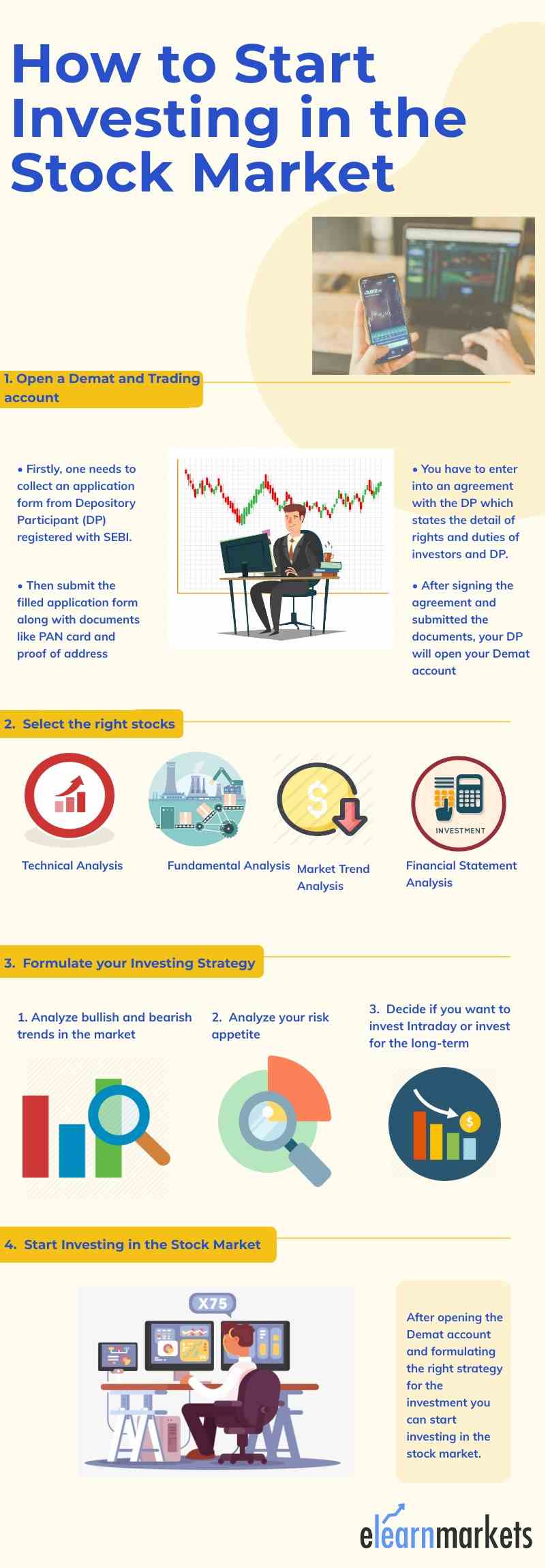
Placing Your First Order
Your first trade should be approached with caution and a clear understanding of order types.
- Market Order vs. Limit Order:
- Market Order: Instructs your broker to buy or sell a stock immediately at the best available current price. While quick, the execution price might be slightly different than what you saw moments ago, especially in volatile markets.
- Limit Order: Specifies the maximum price you’re willing to pay to buy or the minimum price you’re willing to accept to sell. Your order will only be executed if the stock reaches your specified price or better. Limit orders give you more control over the price, but there’s no guarantee of execution.
- Start Small and Simple: For your first foray, consider investing in a well-known, large-cap company (a “blue-chip” stock) or an Exchange Traded Fund (ETF) that tracks a broad market index. This allows you to gain experience without taking on excessive risk. Don’t be afraid to start with small sums; the goal is to learn and build confidence.
Building and Managing Your Portfolio: Strategies for Long-Term Success
Entering the share market is just the beginning. The real work lies in consistently building, managing, and optimizing your investment portfolio over time. This requires a strategic mindset and disciplined execution.
The Power of Diversification
Diversification is perhaps the most crucial risk management strategy in investing. The old adage, “Don’t put all your eggs in one basket,” holds immense truth in the share market.
- Spread Your Investments: Distribute your capital across different companies, industries (e.g., tech, healthcare, finance, consumer goods), asset classes (e.g., stocks, bonds, real estate), and even geographical regions.
- Utilize ETFs and Mutual Funds: For instant diversification, especially for new investors with limited capital, Exchange Traded Funds (ETFs) and mutual funds are excellent choices. An ETF or mutual fund holds a basket of many different stocks or bonds, meaning your investment is automatically diversified across potentially hundreds or thousands of securities.
Regular Investing: Dollar-Cost Averaging
One of the most effective strategies for long-term investors is dollar-cost averaging.
- Invest a Fixed Amount Regularly: This involves investing a predetermined amount of money into the market at regular intervals (e.g., monthly or quarterly), regardless of whether prices are high or low.
- Reduces Market Timing Risk: By investing consistently, you buy more shares when prices are low and fewer when prices are high, effectively averaging out your purchase price over time. This removes the emotional temptation to try and “time the market,” which is notoriously difficult even for professionals.
Monitoring and Rebalancing Your Portfolio
Your investment journey isn’t a “set it and forget it” process. Regular monitoring and occasional adjustments are vital.
- Regularly Review Performance: Periodically (e.g., annually), review your portfolio’s performance against your initial goals. Assess if your investments are still aligned with your risk tolerance and time horizon.
- Rebalancing: Over time, some assets in your portfolio may grow faster than others, causing your asset allocation to drift from your target. Rebalancing involves selling some of the assets that have performed well and reallocating funds to underperforming assets or those that have fallen below their target weight. This helps maintain your desired risk level and can be a disciplined way to “buy low and sell high.”
- Avoid Emotional Decisions: Market fluctuations are normal. Resist the urge to panic sell during downturns or chase “hot” stocks during boom periods. Stick to your long-term plan.
Understanding Taxes on Investments
Taxes are an inevitable part of investing. Understanding how they apply to your investments is essential for financial planning.
- Capital Gains Tax: When you sell an investment for a profit, that profit is considered a capital gain. The tax rate on capital gains can vary based on how long you held the investment (short-term vs. long-term) and your income bracket.
- Dividend Tax: Dividends received from stocks are generally taxable income.
- Consult a Tax Professional: Tax laws are complex and can vary significantly by jurisdiction. It’s always advisable to consult with a qualified tax advisor to understand your specific obligations and optimize your tax strategy.
Common Pitfalls and How to Avoid Them
The path to successful investing is often riddled with common mistakes that can derail even the most well-intentioned investors. Being aware of these pitfalls and actively working to avoid them is crucial.
Chasing Hot Stocks and FOMO (Fear of Missing Out)
One of the biggest temptations, especially for new investors, is to jump on the bandwagon of rapidly rising stocks or speculative assets.
- Emphasize Research Over Hype: Resist the urge to invest based on tips, social media trends, or news headlines alone. Always do your own thorough research (due diligence) before committing capital.
- Stick to Your Investment Plan: Your predetermined investment strategy, based on your goals and risk tolerance, should guide your decisions, not the fear of missing out on someone else’s perceived gains. Many “hot” stocks cool down quickly, leaving latecomers with losses.
Lack of Patience and Over-Trading
Investing, particularly in the share market, is a long-term endeavor. Short-term thinking often leads to poor outcomes.
- Adopt a Long-Term Perspective: Most significant wealth accumulation through the share market occurs over years, even decades. Focus on the long game rather than daily fluctuations.
- Transaction Costs Erode Returns: Frequent buying and selling (over-trading) generates significant transaction fees and potential taxes on short-term gains, which can severely eat into your returns.
Ignoring Risk Management
Underestimating or ignoring the inherent risks of the share market is a recipe for disaster.
- Never Put All Eggs in One Basket: Reiterate the importance of diversification. A concentrated portfolio can lead to substantial losses if a single investment performs poorly.
- Understand Potential for Loss: While the share market offers substantial growth potential, it also carries the risk of losing capital. Only invest money you can afford to lose, without jeopardizing your basic financial security.
Investing Money You Can’t Afford to Lose
This point cannot be overstressed. The foundation of secure investing is a stable personal financial situation.
- Reinforce Emergency Fund and Debt-Free Concepts: As mentioned earlier, ensure your emergency fund is robust and high-interest debts are cleared. Investing borrowed money or funds needed for immediate necessities is extremely risky and ill-advised. The share market should be for surplus capital intended for long-term growth.
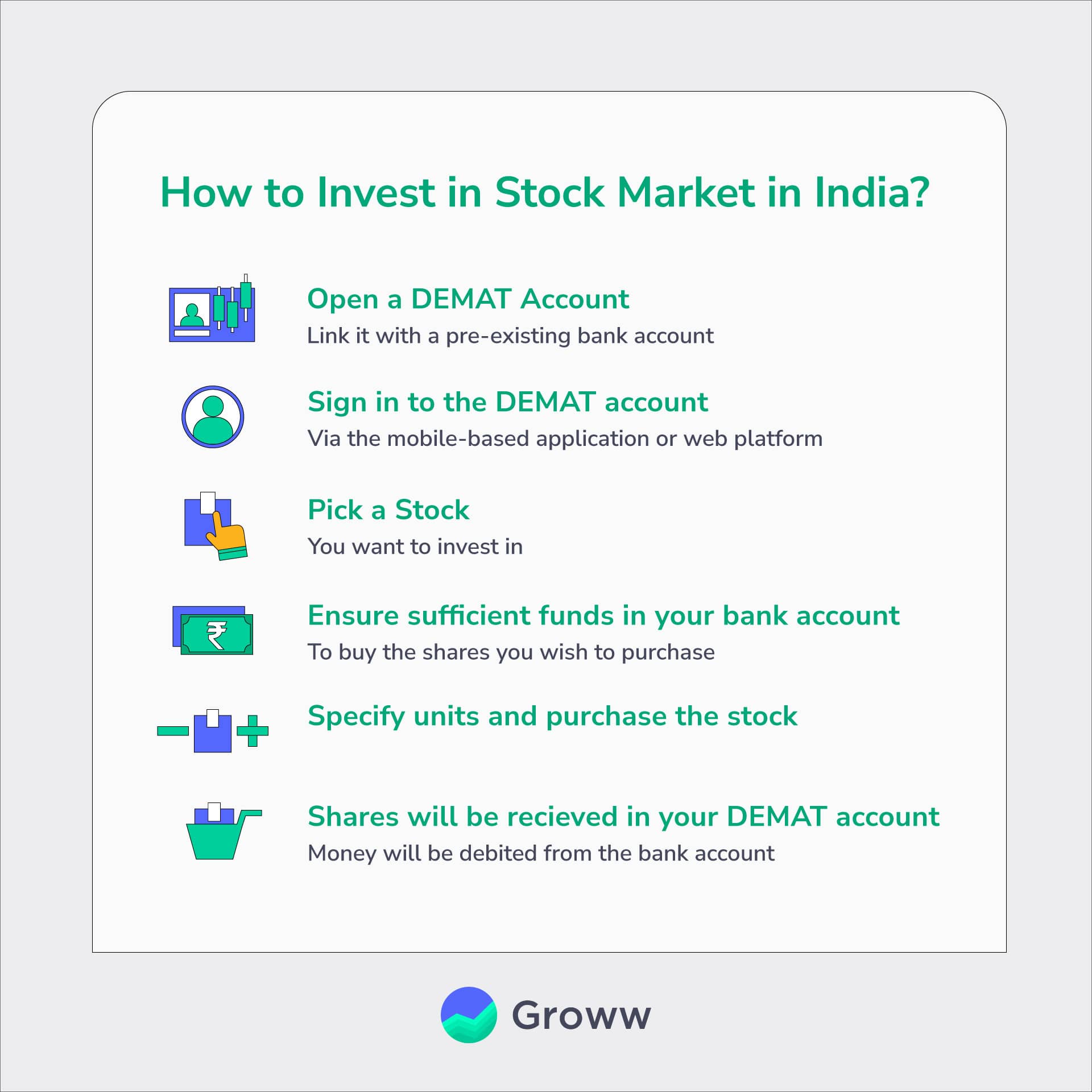
Conclusion
Getting into the share market is a journey, not a sprint. It’s a powerful tool for wealth creation and financial independence, offering you the opportunity to grow your capital and participate in the success of the world’s most innovative companies. However, success hinges on a commitment to education, discipline, and a long-term perspective.
Start by understanding the fundamentals, prepare your personal finances, carefully choose a brokerage, and make your initial investments strategically. Embrace the power of diversification and dollar-cost averaging, and diligently monitor and rebalance your portfolio. Most importantly, learn from market movements, avoid emotional decisions, and stay patient. The share market can be a rewarding arena for those who approach it with knowledge, prudence, and a steady hand. Begin your journey today, start small, and commit to continuous learning – your future self will thank you.
aViewFromTheCave is a participant in the Amazon Services LLC Associates Program, an affiliate advertising program designed to provide a means for sites to earn advertising fees by advertising and linking to Amazon.com. Amazon, the Amazon logo, AmazonSupply, and the AmazonSupply logo are trademarks of Amazon.com, Inc. or its affiliates. As an Amazon Associate we earn affiliate commissions from qualifying purchases.