
Investing in the stock market can seem like a daunting prospect, especially for newcomers. The world of finance is often perceived as complex, filled with jargon and high-stakes decisions. However, understanding how to buy stocks and shares is a fundamental step towards building wealth and securing your financial future. This comprehensive guide will demystify the process, providing you with the knowledge and steps needed to confidently navigate the market and begin your investment journey. Far from being an exclusive club, stock market investing is accessible to nearly anyone willing to learn and commit to a long-term strategy. By breaking down the concepts and practical steps, we aim to equip you with the insights necessary to make informed decisions and transform your savings into growing assets.

Understanding the Basics: What are Stocks and Shares?
Before you can buy them, it’s crucial to understand what stocks and shares actually represent. These terms, often used interchangeably, are the bedrock of equity investing and signify a slice of ownership in a company.
Demystifying Stocks: Ownership in a Company
When you buy a stock, you are purchasing a tiny fraction of a company. This makes you a shareholder, meaning you own a piece of that business. As an owner, you gain certain rights, which typically include the right to vote on corporate matters (like electing the board of directors) and a claim on a portion of the company’s earnings and assets. The value of your stock fluctuates based on market perception, the company’s performance, industry trends, and broader economic conditions. If the company performs well and its prospects look good, demand for its stock may increase, driving up its price. Conversely, poor performance or negative outlooks can cause the stock price to fall.
The Difference Between Stocks and Shares (and why it often doesn’t matter)
In common usage, particularly in North America, the term “stock” is generally used to refer to ownership units in a company. In the UK, Australia, and other Commonwealth countries, “shares” is the more prevalent term. Functionally, they refer to the exact same thing: a unit of ownership in a corporation. You might own 100 “shares” of Apple stock, or you might say you own “stock” in Apple. For most individual investors, the distinction is purely semantic and does not impact the investment process or underlying asset. What matters is understanding that you are acquiring an ownership stake.
Why Invest in Stocks? Potential for Growth and Income
People invest in stocks primarily for two reasons: capital appreciation and income generation. Capital appreciation occurs when the value of your stock increases over time, allowing you to sell it for more than you paid. This is a common goal for growth investors. Income generation comes from dividends, which are regular payments made by some companies to their shareholders from their profits. Not all companies pay dividends, but for those that do, they can provide a steady stream of passive income, often reinvested to compound returns. Historically, over long periods, the stock market has offered higher returns compared to other asset classes like bonds or savings accounts, making it a powerful tool for wealth accumulation, especially when considering the impact of inflation on purchasing power.
Preparing for Your Investment Journey: Setting Yourself Up for Success
Jumping into the stock market without preparation is akin to sailing into unknown waters without a map. A well-thought-out strategy and foundational financial stability are paramount for successful investing.
Define Your Financial Goals and Risk Tolerance
Before you invest a single penny, articulate why you are investing. Are you saving for retirement, a down payment on a house, your child’s education, or simply long-term wealth growth? Your goals will influence your investment timeline and the types of investments you choose. Equally important is understanding your risk tolerance. How comfortable are you with the possibility of your investment losing value? High-growth stocks can offer substantial returns but come with higher volatility, while more established companies might offer slower but more stable growth and potentially dividends. Your risk tolerance should align with your investment choices; don’t invest in highly volatile assets if you’ll lose sleep over every market fluctuation.
Build an Emergency Fund First
This is a non-negotiable step. Before you allocate funds to investments, ensure you have a robust emergency fund in a high-yield savings account, typically covering three to six months’ worth of essential living expenses. This fund acts as a financial safety net, protecting you from having to sell your investments at an inopportune time (e.g., during a market downturn) if unexpected expenses arise, like job loss or medical emergencies. Investing should be done with money you don’t need in the short term.
Open a Brokerage Account: The Gateway to the Market
To buy stocks, you’ll need a brokerage account. This is an investment account with a financial institution that acts as an intermediary between you and the stock exchange. There are two main types of brokers:
- Discount Brokers: These offer lower fees and commissions but provide less personalized advice. They are ideal for self-directed investors comfortable with making their own investment decisions. Many online platforms fall into this category.
- Full-Service Brokers: These offer a wider range of services, including personalized financial advice, portfolio management, and research, but at a higher cost. They might be suitable for investors who prefer professional guidance.
You’ll need to provide personal information, including your Social Security number, and potentially link a bank account for funding. Most reputable brokers are regulated by financial authorities, ensuring the safety of your assets within certain limits.
Funding Your Account: Getting Ready to Invest
Once your brokerage account is open, the next step is to deposit funds into it. Common methods include electronic transfers (ACH), wire transfers, or mailing a check. Be aware of any minimum deposit requirements set by the broker and the time it takes for funds to clear and become available for trading. It’s wise to start with an amount you are comfortable losing, especially as you learn the ropes, even though the long-term goal is growth, not loss. Begin with a sum that allows you to buy a diversified set of assets, rather than just one or two shares.
Choosing Your Investment Path: How to Buy
With your account set up and funded, you’re ready to make your first purchase. There are several avenues to consider, each with its own advantages.
Direct Stock Purchase Plans (DSPPs) – Less Common, but an Option
Some companies offer direct stock purchase plans (DSPPs), allowing you to buy shares directly from the company itself, often bypassing a traditional broker. These plans can be attractive for buying shares of a specific company without commission fees and often allow for small, recurring investments. However, not all companies offer DSPPs, and they limit your diversification to a single company. They are generally less flexible than using a brokerage account for broader market access.
Using a Brokerage Account: The Most Popular Route
For most individual investors, buying stocks through a brokerage account is the most straightforward and flexible method.
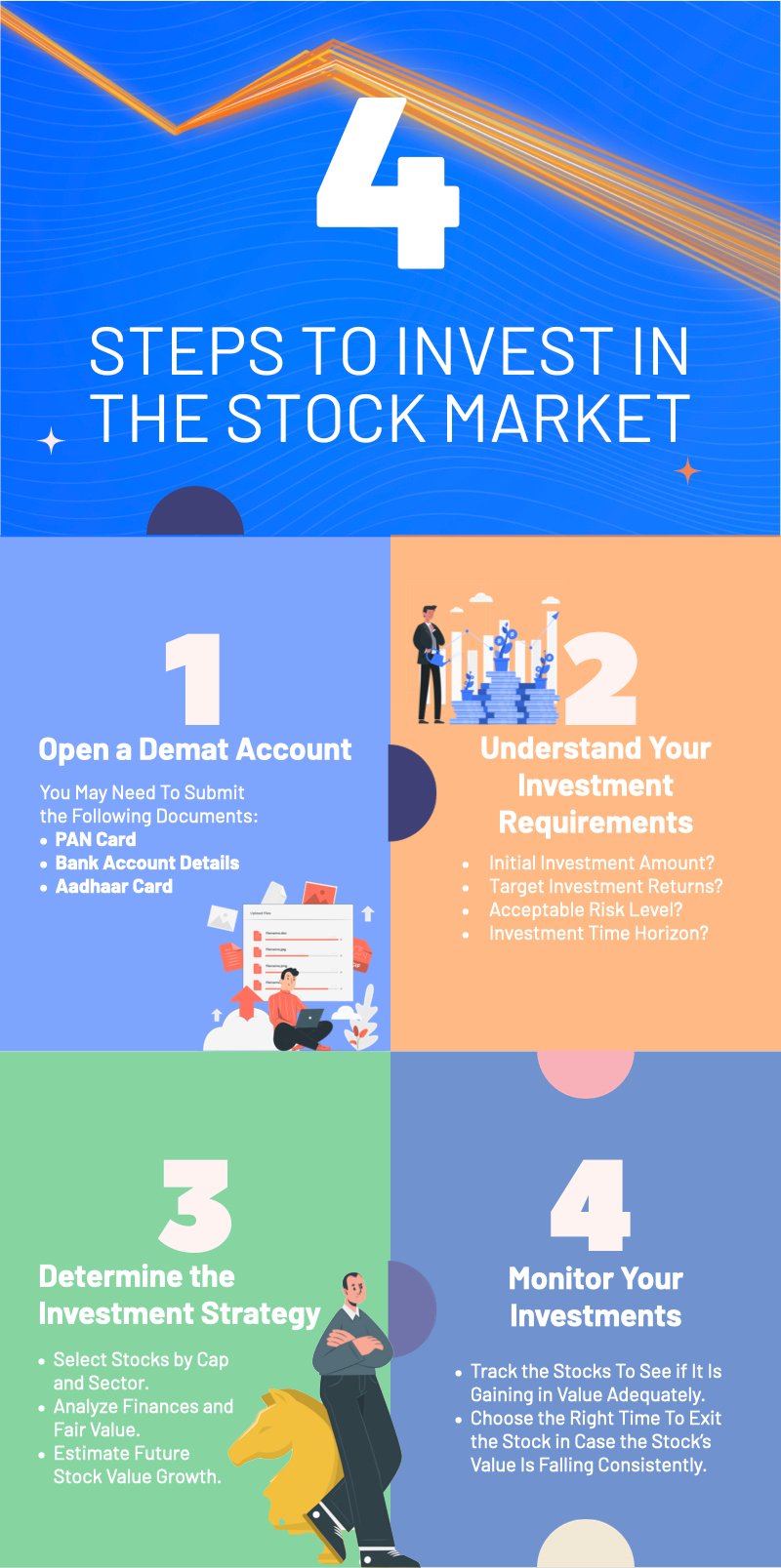
Full-Service vs. Discount Brokers
As mentioned earlier, your choice of broker will dictate your experience. Discount brokers offer online platforms with tools for research and execution, allowing you to place trades yourself. Full-service brokers provide a more hands-on approach, with a financial advisor guiding your decisions and often placing trades on your behalf. For beginners, a reputable discount broker with a user-friendly interface and low fees is often a good starting point.
Understanding Order Types: Market vs. Limit Orders
When you buy stock through a broker, you’ll typically use one of two primary order types:
- Market Order: This instructs your broker to buy or sell the stock immediately at the best available price. It guarantees execution but not a specific price, meaning the price could fluctuate slightly from what you saw moments before placing the order, especially in volatile markets.
- Limit Order: This allows you to specify the maximum price you’re willing to pay for a stock (or the minimum price you’re willing to sell it for). Your order will only execute if the stock reaches your specified price or better. This gives you more control over the price but doesn’t guarantee execution. For beginners, using limit orders can be a way to avoid overpaying, especially for less liquid stocks.
Diversifying with ETFs and Mutual Funds (An Alternative to Individual Stocks for Beginners)
While the article focuses on individual stocks, it’s crucial for beginners to understand that there are simpler ways to get diversified exposure to the market without picking individual stocks.
- Exchange-Traded Funds (ETFs): These are baskets of various stocks (or other assets) that trade like individual stocks on an exchange. An S&P 500 ETF, for instance, holds shares in the 500 largest U.S. companies, offering instant diversification with a single purchase. They typically have low expense ratios and can be bought and sold throughout the trading day.
- Mutual Funds: Similar to ETFs, mutual funds pool money from many investors to buy a diversified portfolio of assets managed by a professional fund manager. They are bought and sold directly from the fund company at the end of the trading day based on their Net Asset Value (NAV). They often have higher expense ratios and sometimes sales loads compared to ETFs.
For many new investors, starting with broadly diversified, low-cost ETFs or index mutual funds can be a less risky and more effective way to begin investing, as it mitigates the company-specific risk associated with individual stock picking.
Building Your Portfolio: Strategies and Considerations
Once you’ve made your initial investments, the journey isn’t over. Building a robust portfolio requires ongoing thought and strategy.
Researching Companies: Fundamental vs. Technical Analysis (Simplified)
For those investing in individual stocks, research is paramount.
- Fundamental Analysis: This involves evaluating a company’s financial health, management, industry, and competitive landscape to determine its intrinsic value. Key metrics include earnings per share (EPS), price-to-earnings (P/E) ratio, revenue growth, debt levels, and cash flow. The goal is to identify undervalued companies with strong growth potential.
- Technical Analysis: This involves studying past market data, primarily price and volume charts, to identify patterns and predict future price movements. While some experienced traders use technical analysis, it’s generally more complex and less recommended for long-term buy-and-hold investors.
For beginners, focusing on fundamental analysis and investing in companies you understand and believe in for the long term is a more prudent approach.
The Power of Diversification
Never put all your eggs in one basket. Diversification is the strategy of spreading your investments across various assets, industries, and geographies to reduce risk. If one company or sector performs poorly, the impact on your overall portfolio is mitigated by the performance of others. This can involve investing in different types of stocks (growth vs. value), different industries (tech, healthcare, consumer goods), and even different asset classes (stocks, bonds, real estate). ETFs and mutual funds are excellent tools for achieving instant diversification.
Dollar-Cost Averaging: Investing Regularly
Dollar-cost averaging is a simple yet powerful strategy where you invest a fixed amount of money at regular intervals (e.g., $100 every month), regardless of the stock’s price. When prices are high, your fixed amount buys fewer shares; when prices are low, it buys more shares. Over time, this averages out your purchase price, reducing the risk of making a large investment just before a market downturn and removing the emotion from market timing. It’s an ideal strategy for long-term investors building wealth consistently.
Rebalancing Your Portfolio
Over time, the weight of different assets in your portfolio will shift due to varying returns. Rebalancing involves adjusting your portfolio back to your desired asset allocation. For example, if stocks have performed exceptionally well and now represent a larger portion of your portfolio than you intended, you might sell some stock to buy more bonds (or other underperforming assets) to restore your original balance. This helps manage risk and ensures your portfolio remains aligned with your financial goals and risk tolerance.
Navigating the Market: Continuous Learning and Risk Management
Investing is an ongoing process that requires patience, continuous learning, and a disciplined approach to risk.
Understanding Market Volatility
The stock market is inherently volatile; prices fluctuate constantly due to a myriad of factors, including economic news, company announcements, geopolitical events, and investor sentiment. It’s crucial to understand that market downturns are a normal part of the investment cycle. Reacting emotionally to these fluctuations by panic selling is often detrimental to long-term returns. Instead, view corrections as potential buying opportunities.
The Importance of Long-Term Perspective
One of the most valuable lessons in investing is the power of a long-term perspective. While daily news and short-term market movements can be captivating, true wealth is built by investing consistently over many years, allowing the power of compounding to work its magic. Historically, market downturns have always been followed by recoveries, and patient investors who stick to their strategy tend to be rewarded. Focus on your long-term goals and avoid getting caught up in short-term speculation.
Monitoring Your Investments
While a long-term approach doesn’t mean obsessive daily checking, it does involve periodically monitoring your investments. Review your portfolio’s performance against your goals, understand any significant changes in the companies you own, and assess if your initial investment thesis still holds true. This is also the time to consider if your risk tolerance or financial goals have changed, prompting a need to adjust your strategy. Regularly reviewing quarterly and annual reports of the companies you hold can keep you informed.

Tax Implications of Investing
Understanding the tax implications of your investments is vital. In many jurisdictions, capital gains (profit from selling an investment) and dividends are subject to taxation. The tax rates and rules can vary significantly based on how long you held the investment (short-term vs. long-term capital gains) and the type of account you’re using (e.g., taxable brokerage account vs. tax-advantaged retirement accounts like IRAs or 401(k)s). Consulting with a financial advisor or tax professional is highly recommended to optimize your tax strategy and ensure compliance.
In conclusion, buying stocks and shares is an accessible and powerful way to build financial wealth. It requires a foundational understanding of what you’re buying, careful preparation of your finances, a strategic approach to purchasing and managing your assets, and a commitment to long-term, disciplined investing. By following these steps and continuously educating yourself, you can confidently embark on your investment journey and work towards achieving your financial aspirations. Remember, consistency, patience, and diversification are your greatest allies in the stock market.
aViewFromTheCave is a participant in the Amazon Services LLC Associates Program, an affiliate advertising program designed to provide a means for sites to earn advertising fees by advertising and linking to Amazon.com. Amazon, the Amazon logo, AmazonSupply, and the AmazonSupply logo are trademarks of Amazon.com, Inc. or its affiliates. As an Amazon Associate we earn affiliate commissions from qualifying purchases.