
At its core, a stock represents a fundamental unit of ownership in a company. For anyone navigating the landscape of personal finance, business finance, or investing, understanding this concept is not merely academic; it is the bedrock upon which wealth creation and financial strategy are built. When an individual or entity purchases a stock, they are not simply acquiring a piece of paper or a digital entry; they are buying a claim on the company’s assets and earnings, effectively becoming a part-owner. This fractional ownership grants certain rights and opportunities, making stocks a powerful, albeit sometimes complex, investment vehicle.
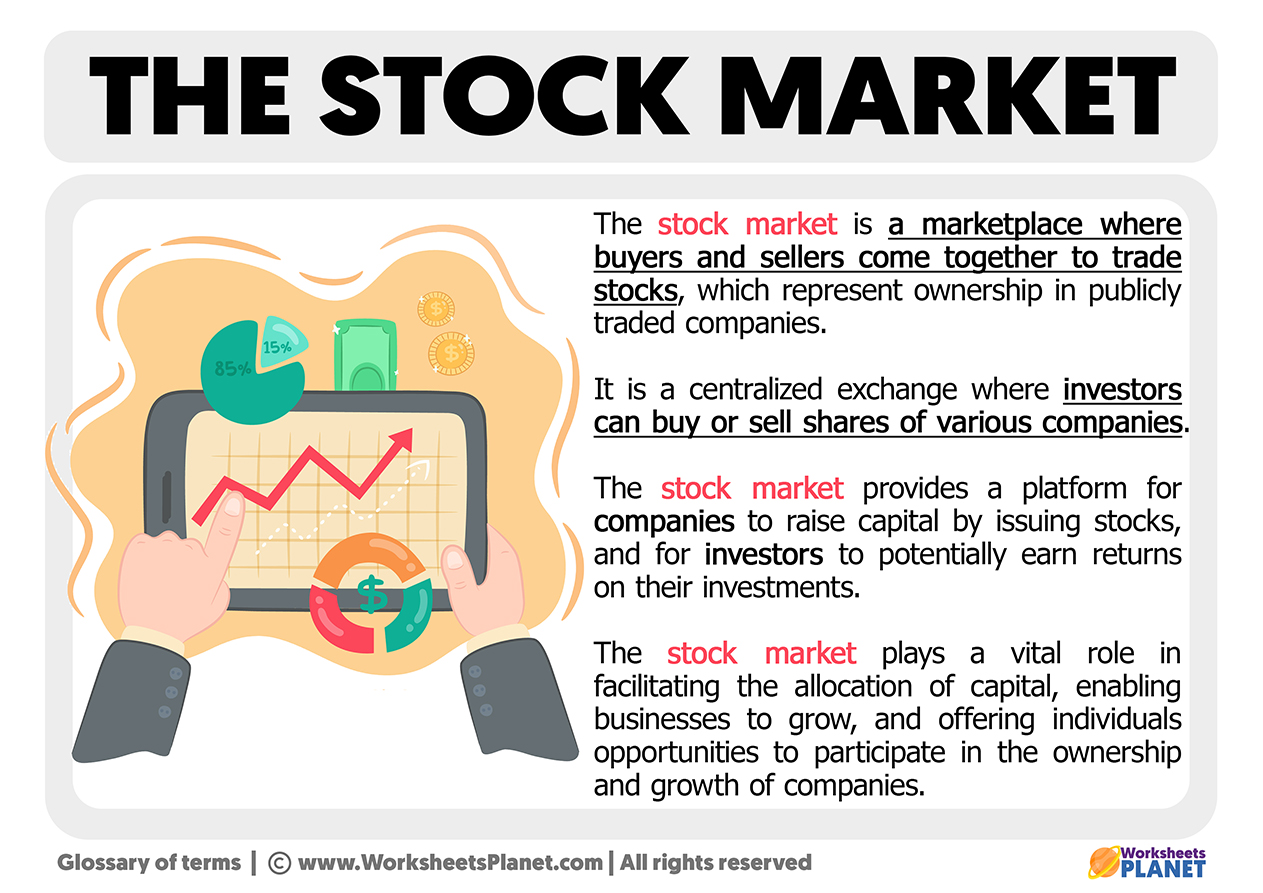
More Than Just a Number: Understanding Stock Ownership
The notion of owning a piece of a company might seem abstract, especially for a giant like Apple or Amazon. However, this is precisely what a stock embodies – a tangible link between an investor and the underlying business.
A Slice of the Company Pie: Equity Ownership
Every share of stock represents an equity stake in the issuing corporation. Imagine a company’s total value as a pie; each share is a tiny, proportionate slice of that pie. When a company decides to “go public” and offer its shares on a stock exchange, it essentially divides its ownership into millions or billions of these individual slices. Shareholders, therefore, are literally part-owners of the company. Their fortunes become intrinsically tied to the success or failure of that enterprise. If the company thrives, its value generally increases, and so does the value of each share. Conversely, if the company struggles, the share price often declines. This fundamental principle of shared ownership distinguishes stocks from other financial instruments like bonds, which represent a loan to a company rather than an ownership stake.
The Rights and Responsibilities of a Shareholder
Ownership, even fractional, comes with certain rights and, to a lesser extent, responsibilities. These rights are crucial for understanding the true value and power of a stock.
- Voting Rights: For common stock holders, a key right is the ability to vote on important company matters. This includes electing the board of directors, approving significant corporate actions (like mergers or acquisitions), and weighing in on executive compensation. While individual small shareholders might feel their vote is negligible, collectively, shareholder votes dictate the strategic direction and governance of the company.
- Right to Dividends: Companies that are profitable and choose to distribute a portion of their earnings to shareholders do so through dividends. Holding stock grants investors the right to receive these payments, though companies are not obligated to declare them. Dividends can be a significant component of an investor’s total return, especially for income-focused portfolios.
- Claim on Assets: In the unfortunate event that a company goes bankrupt and is liquidated, shareholders have a residual claim on the company’s assets after all creditors (bondholders, suppliers, employees, etc.) have been paid. This places shareholders at the bottom of the repayment hierarchy, highlighting the inherent risk of equity ownership.
- Limited Liability: A crucial protection for shareholders is limited liability. This means that an investor’s maximum loss is limited to the amount they invested in the stock. Their personal assets, beyond their stock holdings, are generally protected from the company’s debts or legal obligations.
The Journey of a Stock: From IPO to Market Fluctuations
The life cycle of a stock is dynamic, beginning with its initial offering and continuing through its trading life on public exchanges, constantly influenced by a myriad of factors.
Initial Public Offering (IPO): Going Public
The journey for most publicly traded stocks begins with an Initial Public Offering (IPO). This is the process where a privately held company first offers its shares to the public. Companies undertake IPOs for various reasons, primarily to raise significant capital to fund growth, pay down debt, or expand operations. It also provides liquidity for early investors, founders, and employees who hold private shares, allowing them to cash out a portion of their stake. Investment banks play a critical role, underwriting the offering, setting the initial price, and distributing the shares to institutional investors and, eventually, to the broader public. The IPO marks a significant transition, opening the company up to public scrutiny and the rigors of market performance.
The Secondary Market: Where Stocks Are Traded
Once shares are issued in an IPO, they begin trading on the “secondary market,” which encompasses major stock exchanges like the New York Stock Exchange (NYSE) and NASDAQ. This is where the vast majority of daily stock transactions occur, with investors buying and selling shares from one another rather than directly from the company. The price of a stock on the secondary market is determined by the forces of supply and demand. If more investors want to buy a stock than sell it, its price tends to rise. Conversely, if more want to sell than buy, the price generally falls. This constant interplay of buying and selling creates the volatile, yet opportunity-rich, environment of the stock market.
Understanding Stock Price Movements: What Drives Value
The fluctuating price of a stock is a fascinating reflection of collective investor sentiment and underlying business fundamentals. Several key drivers dictate these movements:
- Company Performance: This is arguably the most significant long-term factor. Strong earnings growth, increasing revenue, expanding profit margins, and a solid balance sheet typically lead to higher stock prices. Conversely, poor financial results, missed forecasts, or scandal can send a stock plummeting.
- Industry Trends: The broader industry in which a company operates plays a crucial role. A booming sector might lift all boats, while a declining industry can drag down even well-performing companies. Technological shifts, regulatory changes, and consumer preferences are powerful industry movers.
- Economic Conditions: Macroeconomic factors like interest rates, inflation, GDP growth, and employment figures significantly influence the overall stock market. Low interest rates, for example, can make stocks more attractive compared to bonds, driving capital towards equities.
- Investor Sentiment: Often driven by emotions like fear and greed, investor sentiment can cause short-term price swings that might not always align with fundamental value. News, rumors, and prevailing market psychology can create irrational exuberance or panic selling.
- News and Events: Company-specific announcements (new product launches, executive changes, M&A activity), geopolitical events, and unexpected global crises can all have immediate and sometimes dramatic impacts on stock prices.
Types of Stocks and Their Implications for Investors
Not all stocks are created equal. Understanding the different categories can help investors align their choices with their financial goals and risk tolerance.
Common Stock vs. Preferred Stock
These are the two main classifications based on the rights they confer:
- Common Stock: This is what most people refer to when they talk about “stocks.” It grants voting rights and offers the potential for significant capital appreciation. Dividends, if paid, are variable and not guaranteed. Common stockholders are typically first in line for returns when a company performs well, but last in line during liquidation.
- Preferred Stock: Preferred stock typically does not carry voting rights but offers a fixed dividend payment, similar to a bond interest payment. Preferred stockholders have a higher claim on company assets and earnings than common stockholders in the event of liquidation, and their dividends must be paid before common stock dividends. They are often less volatile than common stocks and are favored by income-seeking investors.
Growth vs. Value Stocks

Investors often categorize common stocks based on their investment style:
- Growth Stocks: These are shares of companies expected to grow their earnings and revenue at a faster rate than the overall market. They often reinvest most of their profits back into the business to fuel expansion, meaning they might pay little or no dividends. Investors in growth stocks are seeking capital appreciation and are often willing to pay a premium for future potential, making them potentially more volatile. Examples include fast-growing tech companies.
- Value Stocks: These are shares of companies that are perceived by the market as being undervalued relative to their intrinsic worth. They often belong to mature industries, have stable earnings, and may pay consistent dividends. Investors in value stocks believe the market has overlooked the company’s true potential and expect the stock price to eventually reflect its fundamental value.
Income Stocks (Dividend Stocks) and Blue-Chip Stocks
Two other important classifications help investors identify specific investment characteristics:
- Income Stocks (Dividend Stocks): These are companies with a long history of paying consistent and often growing dividends. They are typically mature, stable businesses with predictable cash flows. Investors seeking a regular stream of income from their investments often favor dividend stocks.
- Blue-Chip Stocks: These are shares of large, well-established, financially sound companies with a long track record of consistent earnings and reliable performance. They are often leaders in their respective industries, have strong brand recognition, and are generally considered safer, more stable investments, though not immune to market downturns. Examples include Coca-Cola, Johnson & Johnson, or Microsoft.
The Role of Stocks in a Diversified Investment Portfolio
Stocks are a cornerstone of many investment portfolios due to their unique combination of growth potential and income generation, albeit accompanied by inherent risks.
Capital Appreciation: The Growth Potential
One of the primary reasons investors buy stocks is the potential for capital appreciation. Over long periods, well-chosen stocks have historically outperformed most other asset classes, including bonds and commodities. As a company grows, increases its earnings, and expands its market share, its intrinsic value tends to rise, which in turn drives up its stock price. This compounding effect over decades can lead to substantial wealth accumulation, making stocks a powerful engine for long-term financial goals like retirement planning or funding education.
Income Generation: Dividends as a Passive Stream
Beyond capital gains, many stocks offer a source of passive income through dividends. These regular payments, typically quarterly, can provide a steady stream of cash flow for investors. For those in retirement, dividends can help cover living expenses, while younger investors often reinvest their dividends back into the company (or other stocks) to accelerate the compounding of their wealth, buying more shares and thus generating even more future dividends.
Risk and Reward: Balancing Potential Gains with Volatility
It is crucial to acknowledge that the potential for high returns from stocks comes hand-in-hand with higher risk and volatility compared to safer assets like government bonds. Stock prices can fluctuate dramatically in response to company news, economic data, or investor sentiment. Market corrections (a 10% decline) and bear markets (a 20% decline or more) are natural parts of the stock market cycle. Investors must be prepared for these downturns and understand that a long-term perspective is often necessary to ride out the volatility and realize the full potential of equity investments.
Diversification: Spreading Risk Across Assets
Stocks play a vital role in a diversified investment portfolio, which aims to spread risk across various asset classes and within the stock market itself. While stocks offer growth, combining them with less volatile assets like bonds can help temper overall portfolio risk. Within the stock portion of a portfolio, diversification means investing in companies across different industries, sectors, geographical regions, and market capitalizations (small-cap, mid-cap, large-cap) to avoid over-reliance on any single company or segment of the economy. This strategy helps mitigate the impact if one particular stock or sector underperforms.
Evaluating a Stock: Key Metrics and Considerations
Before investing, understanding how to evaluate a stock is paramount. This involves a blend of financial analysis, market observation, and macroeconomic awareness.
Fundamental Analysis: Digging into the Company’s Health
Fundamental analysis involves examining a company’s financial statements, management, competitive landscape, and overall business model to determine its intrinsic value. Key metrics include:
- Earnings per Share (EPS): A company’s profit divided by the number of outstanding shares. A higher EPS generally indicates a more profitable company.
- Price-to-Earnings (P/E) Ratio: The current share price divided by the annual EPS. It tells investors how much they are paying for one dollar of earnings. A high P/E might indicate high growth expectations, while a low P/E could suggest an undervalued stock or a company with challenges.
- Revenue Growth: The rate at which a company’s sales are increasing, signaling its ability to expand its customer base and market presence.
- Profit Margins: Measures like gross profit margin, operating profit margin, and net profit margin indicate how efficiently a company converts revenue into profit.
- Balance Sheet Health: Scrutinizing assets, liabilities, and equity reveals a company’s financial stability, particularly its debt levels and cash position.
- Management Quality: Assessing the leadership team’s experience, strategy, and track record is crucial, as effective management is key to long-term success.
Technical Analysis: Interpreting Market Behavior
Technical analysis focuses on studying past market data, primarily price and volume, to predict future price movements. Technical analysts use charts to identify patterns, trends, and key support and resistance levels. While fundamental analysis looks at the what and why of a company’s value, technical analysis often focuses on the when of trading, providing insights into market psychology and potential entry/exit points for short-term traders. It involves tools like moving averages, Relative Strength Index (RSI), and MACD.

Macroeconomic Factors: The Bigger Picture
Beyond individual company specifics, a stock’s performance is significantly influenced by broader macroeconomic conditions. Interest rate changes by central banks can impact borrowing costs for companies and the attractiveness of other investments (like bonds). Inflation erodes purchasing power and can affect corporate profits and consumer spending. Geopolitical events, trade policies, and global economic growth forecasts can create headwinds or tailwinds for entire markets or specific industries. A holistic understanding of these factors provides crucial context for evaluating individual stock opportunities and managing portfolio risk.
aViewFromTheCave is a participant in the Amazon Services LLC Associates Program, an affiliate advertising program designed to provide a means for sites to earn advertising fees by advertising and linking to Amazon.com. Amazon, the Amazon logo, AmazonSupply, and the AmazonSupply logo are trademarks of Amazon.com, Inc. or its affiliates. As an Amazon Associate we earn affiliate commissions from qualifying purchases.