
The share market, a global engine of capital allocation and wealth creation, often appears as a mysterious leviathan, moving with an inscrutable will. When major swings occur – sudden rallies, dramatic crashes, or prolonged periods of stagnation – the natural human inclination is to seek an explanation, to identify the hand on the tiller. Is it the big institutional investors, the central banks, governments, or perhaps a shadowy cabal of powerful individuals? The truth, however, is far more nuanced and complex than a single controlling entity.
The share market is less like a car driven by one person and more like a vast, interconnected ecosystem, influenced by countless variables and participants. No single entity holds absolute control, yet many possess significant influence, often interacting in unpredictable ways to shape market movements. Understanding “who controls” the market requires dissecting these influences, from the visible actions of major players to the invisible currents of economic policy, human psychology, and technological advancements. This article will delve into the multifaceted forces that collectively dictate the rhythm and direction of the share market, offering insights into its intricate mechanics and the illusion of singular control.
The Visible Hands: Major Market Participants
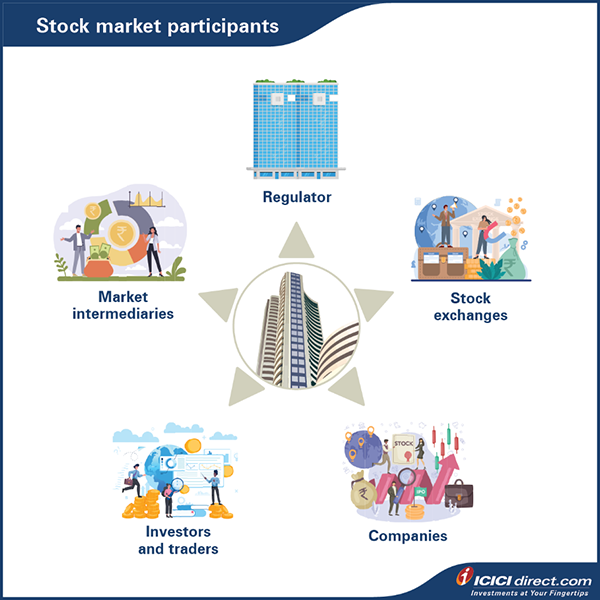
The most apparent forces shaping the share market are the direct actions of its participants. These entities, ranging from colossal financial institutions to individual investors, contribute to the supply and demand dynamics that ultimately determine stock prices.
Institutional Investors
These are the titans of the financial world, managing vast pools of capital on behalf of others. Pension funds, mutual funds, hedge funds, insurance companies, and endowments collectively command trillions of dollars. Their sheer scale means that even a minor reallocation of their portfolios can send ripples through the market. When a large mutual fund decides to divest from a particular sector, or a pension fund increases its holdings in a specific company, the impact on stock prices can be substantial. Hedge funds, with their often aggressive, short-term strategies, can exert considerable pressure on individual stocks, employing tactics like short-selling or activist investing. Insurance companies, with their long-term liabilities, tend to invest for stability and steady returns, often influencing long-term trends rather than daily volatility. Their collective buying and selling decisions, driven by research, economic outlooks, and mandates, are a primary driver of market direction.
Retail Investors
While often overshadowed by institutional giants, individual investors – the ‘retail’ segment – collectively wield significant power. With the advent of accessible online brokerage platforms, commission-free trading, and democratized financial information, millions of everyday people are actively participating in the market. Their cumulative buying and selling decisions contribute significantly to market liquidity and can, at times, even challenge the might of institutional players. The “meme stock” phenomenon of recent years, where coordinated retail investor action dramatically impacted the valuations of certain companies, served as a potent reminder of the collective force of the individual. While individual trades may be small, their combined volume and emotional responses (fear of missing out, panic selling) can fuel significant short-term price movements and sentiment shifts.
Corporations (Issuers)
The companies whose shares are traded also exert considerable control over their own stock prices and, by extension, market sentiment. Corporate actions such as earnings reports, dividend policies, share buybacks, stock splits, mergers, and acquisitions can dramatically influence investor perception and share valuation. A strong earnings report can send a stock soaring, while a disappointing outlook can trigger a sharp decline. Share buybacks, where a company repurchases its own stock, reduce the number of outstanding shares, often boosting earnings per share and signaling confidence to investors. Conversely, issuing new shares can dilute existing ownership and depress prices. Ultimately, the performance, strategic decisions, and financial health of the underlying businesses are fundamental drivers of market value.
Market Makers and Exchanges
Beneath the surface of trading activity lies the infrastructure provided by exchanges (like NYSE, NASDAQ) and the entities known as market makers. Exchanges provide the platforms and rules for trading, ensuring transparency and order. Market makers, typically large financial institutions, stand ready to buy and sell specific securities, providing liquidity to the market. They quote both a bid (price they’ll buy at) and an ask (price they’ll sell at), profiting from the spread. High-Frequency Trading (HFT) firms, a subset of market makers, use sophisticated algorithms and powerful computers to execute millions of trades in milliseconds. Their activities, while sometimes controversial, contribute significantly to market liquidity and price discovery, though they can also amplify volatility during periods of stress.
The Invisible Hands: Economic and Systemic Influences
Beyond the direct actions of market participants, a web of broader economic and systemic forces plays a crucial, often subtle, role in steering the share market. These influences create the environment in which investment decisions are made.
Central Banks and Monetary Policy
Perhaps the most potent “invisible hand” belongs to central banks, such as the Federal Reserve in the U.S., the European Central Bank (ECB), and the Bank of England. Their monetary policy decisions, primarily through setting interest rates, engaging in quantitative easing (QE) or tightening (QT), and managing money supply, profoundly impact the cost of capital, corporate profitability, and investor risk appetite. Low interest rates make borrowing cheaper for companies, encouraging investment and growth, while simultaneously making bonds less attractive, pushing investors towards riskier assets like stocks. Conversely, higher rates increase borrowing costs and make fixed-income investments more appealing, often dampening stock market enthusiasm. Central bank guidance and commentary also carry immense weight, shaping market expectations and investor sentiment.
Government and Fiscal Policy
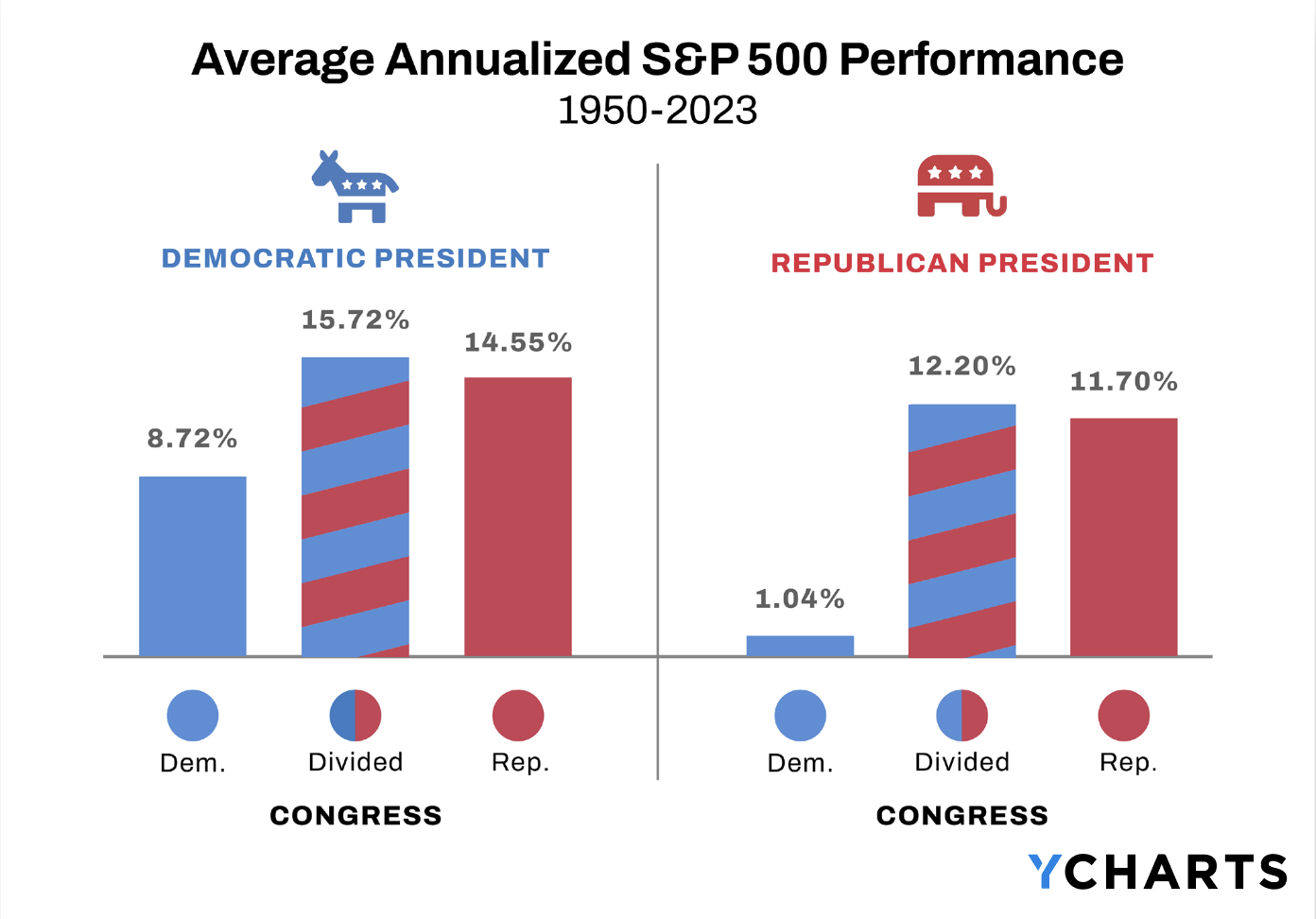
Governments, through their fiscal policies (taxation, spending, debt management) and regulatory frameworks, also exert significant influence. Tax cuts can boost corporate profits and individual disposable income, potentially stimulating economic activity and stock market growth. Increased government spending on infrastructure or social programs can create demand and job growth in specific sectors. Conversely, new regulations, trade tariffs, or increased corporate taxes can dampen profitability and investor confidence. Political stability, international relations, and geopolitical events also contribute to the overall economic climate, directly impacting market sentiment and the attractiveness of a nation’s assets.
Economic Indicators
The myriad of economic data released regularly – Gross Domestic Product (GDP) growth, inflation rates, unemployment figures, consumer confidence indices, manufacturing data, housing starts, and more – acts as a constant report card on the health of the economy. Investors and analysts pore over these numbers, using them to forecast future corporate earnings, inflation trends, and central bank actions. Positive economic data generally fosters optimism, while negative data can trigger corrections. While no single indicator “controls” the market, their collective pulse provides the fundamental backdrop against which all market activity occurs.
Geopolitical Events and Global Trends
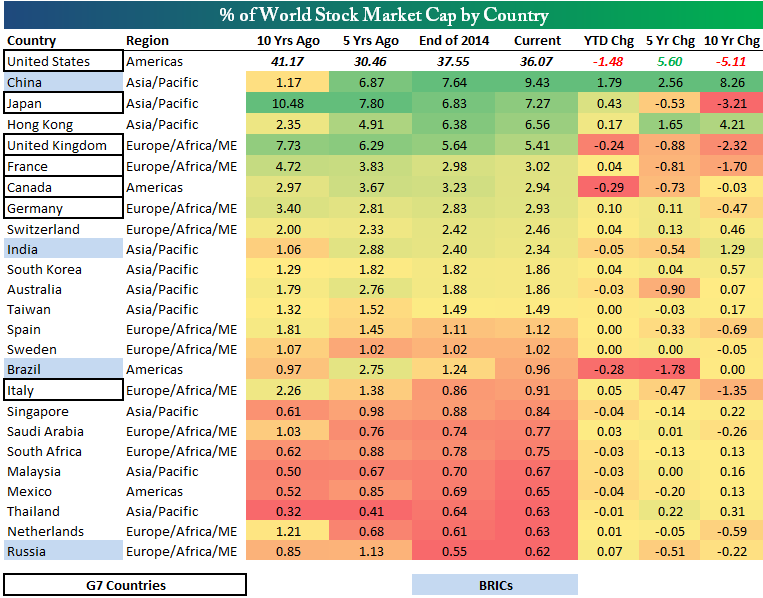
The modern share market is a globalized entity, meaning events far beyond national borders can have immediate and significant repercussions. Wars, pandemics, natural disasters, major technological breakthroughs, supply chain disruptions, and shifts in international trade agreements can create widespread uncertainty, impact corporate operations, and alter investor sentiment across continents. The COVID-19 pandemic, for instance, triggered a global market crash, followed by an unprecedented recovery fueled by government and central bank intervention. Climate change and the transition to green energy are also emerging as long-term global trends with profound implications for various sectors and investment strategies.
The Psychological Element: Market Sentiment and Behavior
Even with all the rational analysis of economic data and corporate fundamentals, the share market is ultimately driven by human decisions, making psychology a critical, often irrational, controlling force.
Fear and Greed
These two primal emotions are perhaps the most powerful drivers of short-term market movements. Greed can lead to irrational exuberance, pushing asset prices far beyond their fundamental value, creating bubbles. Fear, conversely, can trigger panic selling, causing sharp market corrections and crashes even when underlying fundamentals remain sound. The herd mentality, where investors follow the crowd rather than their own analysis, amplifies these emotions, creating momentum swings that can be difficult to counter. Understanding the oscillation between fear and greed is crucial for comprehending market cycles.
Media and Information Flow
In the digital age, information travels at lightning speed, and its dissemination profoundly impacts market sentiment. Financial news outlets, analyst reports, social media discussions, and even internet forums can shape perceptions, highlight trends, and amplify narratives, whether accurate or not. A single headline or a viral post can trigger significant buying or selling pressure, especially in highly liquid and speculative assets. The challenge lies in distinguishing credible information from noise and misinformation, which can lead to misguided investment decisions.
Speculation and Bubbles
The speculative element, where investors buy assets primarily based on the expectation that prices will rise further, rather than on fundamental value, can lead to market bubbles. These episodes, characterized by rapid price increases, widespread enthusiasm, and often a disregard for traditional valuation metrics, are eventually unsustainable. When the “greater fool” runs out, bubbles burst, leading to sharp declines and significant wealth destruction. Historical examples like the Dot-com bubble or the housing market bubble illustrate the destructive power of unchecked speculation.
Regulation and Oversight: The Guardians of Fairness
To counteract market manipulation, ensure transparency, and protect investors, various regulatory bodies and frameworks are in place globally. While not “controlling” the market’s direction, they establish the rules of engagement.
Regulatory Bodies
Agencies like the Securities and Exchange Commission (SEC) in the United States, the Financial Conduct Authority (FCA) in the UK, and the European Securities and Markets Authority (ESMA) are tasked with overseeing financial markets. Their mandates typically include protecting investors, maintaining fair, orderly, and efficient markets, and facilitating capital formation. They enforce rules against insider trading, market manipulation, fraud, and other illicit activities. Their investigations and enforcement actions can have a significant impact on specific companies or market participants.
Self-Regulatory Organizations (SROs)
In addition to government bodies, self-regulatory organizations like FINRA (Financial Industry Regulatory Authority) in the US play a crucial role. SROs are non-governmental organizations that have been granted the authority by a governmental body to create and enforce standards and rules for their industry. They typically oversee broker-dealers, ensuring adherence to ethical practices and industry standards, thereby contributing to overall market integrity.
The Evolving Landscape of Regulation
The regulatory environment is constantly evolving, adapting to new financial products, technological advancements (such as high-frequency trading and cryptocurrencies), and global interconnectedness. Regulators face the ongoing challenge of striking a balance between fostering innovation and protecting market participants from excessive risk and abuse. Changes in regulatory policy can influence how financial institutions operate, the types of products offered, and the flow of capital.
The Illusion of Control and the Path to Informed Participation
Ultimately, the idea that a single entity or group “controls” the share market is largely an illusion. The market is a complex adaptive system, an emergent property of millions of decentralized decisions, interactions, and competing interests, all operating within a dynamic economic and regulatory framework.
Decentralized Nature of the Market
No single participant, no matter how large, can dictate the market’s long-term trajectory. While influential players can certainly affect short-term movements or specific sectors, the sheer volume of capital, the diversity of investment objectives, and the constant flow of new information ensure that power remains distributed. It is this decentralized nature that makes the market resilient and dynamic, yet also inherently unpredictable in the short term.
Navigating Market Volatility
Understanding these multifaceted influences empowers investors to move beyond the search for a singular controller and instead focus on informed participation. By recognizing the interplay of economic fundamentals, corporate actions, psychological factors, and regulatory oversight, investors can better interpret market signals, assess risks, and form their own independent judgments. This insight fosters a more rational approach to investing, rather than succumbing to the whims of fear or greed.
Empowering the Individual Investor
Today, individual investors have unprecedented access to information, analytical tools, and low-cost trading platforms. While they may not “control” the market, they can certainly control their own investment decisions. By conducting thorough research, diversifying portfolios, maintaining a long-term perspective, and avoiding emotional reactions, individual investors can effectively navigate the complexities of the share market and work towards their financial goals.
In conclusion, the share market is not a puppet on strings pulled by an unseen master. It is a vibrant, chaotic, and fundamentally democratic arena where countless forces converge. From the calculated strategies of institutional giants to the collective sentiment of individual traders, from the pronouncements of central bankers to the geopolitical currents sweeping the globe, and underpinned by a framework of regulation, the market reflects a continuous interplay of power, information, and human behavior. Recognizing this intricate dance is the first step towards understanding, and successfully engaging with, this powerful economic engine.
aViewFromTheCave is a participant in the Amazon Services LLC Associates Program, an affiliate advertising program designed to provide a means for sites to earn advertising fees by advertising and linking to Amazon.com. Amazon, the Amazon logo, AmazonSupply, and the AmazonSupply logo are trademarks of Amazon.com, Inc. or its affiliates. As an Amazon Associate we earn affiliate commissions from qualifying purchases.