
Halloween costume shopping can be an exciting but often costly endeavor if not approached strategically. For many, the annual quest for the perfect spooky ensemble involves not just creativity but also a careful consideration of personal finances. Understanding where to buy, and more importantly, how to buy smartly, can make all the difference between a budget-friendly fright night and a financial scare. This guide delves into optimizing your spending for Halloween costumes, focusing on various avenues that cater to different financial goals, from significant savings to quality investments.

Budgeting for Spooky Savings: Setting Your Halloween Spending Limit
Before you even begin the hunt for the perfect vampire cape or superhero suit, the most crucial step is to establish a clear budget. Without a predefined spending limit, it’s easy to get swept away by elaborate designs, tempting accessories, and the overall excitement of the season. A realistic budget acts as your financial guardian, ensuring that your Halloween fun doesn’t translate into post-holiday financial stress. Consider not just the costume itself but also potential add-ons like makeup, wigs, props, and even footwear.
DIY vs. Buy: A Cost-Benefit Analysis
One of the fundamental financial decisions in costume acquisition is whether to create a costume from scratch (DIY) or purchase one ready-made. Both options present distinct financial implications.
- DIY Costumes: Often perceived as the most budget-friendly option, DIY allows for incredible creativity and personalization. However, the cost savings aren’t always guaranteed. You’ll need to account for materials such as fabric, paint, craft supplies, and potential tools. While individual items might be inexpensive, the cumulative cost can sometimes rival or even exceed a pre-made costume, especially if specialized materials are required. The true value of DIY often lies in the satisfaction of creation and the unique outcome rather than pure monetary savings. To truly save, leverage items you already own, upcycle old clothes, and source materials from dollar stores or fabric scraps.
- Store-Bought Costumes: These offer convenience and often a higher degree of polish or accuracy for specific characters. Prices can vary wildly, from inexpensive children’s costumes to high-end adult ensembles. The financial benefit here is predictability – you know the exact cost upfront. However, impulse buying a store-bought costume without comparison shopping can lead to overspending. Look for sales, use coupons, and consider off-season purchases if planning ahead. The cost-benefit analysis here weighs convenience and professional finish against potential higher out-of-pocket expenses.
Renting vs. Owning: A Seasonal Investment
Another financial consideration is whether to rent a costume or purchase one for keeps. This decision hinges on factors like reusability, desire for a high-quality look, and long-term storage.
- Renting Costumes: Ideal for those seeking a high-quality, elaborate, or historically accurate costume for a single event without the hefty purchase price. Costume rental shops often carry professional-grade outfits that would be prohibitively expensive to buy. The rental fee typically covers the costume for a set period and includes cleaning. Financially, renting can be a smart move for one-off events, especially if you desire a truly impressive look without the commitment of ownership. However, repeated rentals can accumulate to more than the purchase price of a versatile costume over several years.
- Owning Costumes: Purchasing a costume means you have it indefinitely. This can be a wise financial decision if the costume is versatile enough to be worn multiple times, either by yourself or different family members, or if it has strong resale potential. Costumes with classic themes (e.g., witch, vampire, superhero base) can be accessorized differently each year for a fresh look, maximizing your initial investment. Consider the durability and quality of the costume; a cheaper, flimsy outfit might not last beyond one wear, negating any perceived savings.
Navigating Local Retailers for Value: Where to Find Deals Near You
When it comes to answering “where can I buy Halloween costumes near me,” local retail options present a diverse landscape of price points and product quality. Each type of store offers unique financial advantages and disadvantages.
Pop-Up Shops & Seasonal Stores: Understanding Markups and Discounts
As Halloween approaches, temporary “pop-up” shops and dedicated seasonal retailers (like Spirit Halloween) emerge. These stores offer an extensive range of current and popular costumes, accessories, and decorations.
- Financial Advantage: Convenience and selection are key. You can find almost anything you need under one roof. Towards the end of the season, these stores often run significant sales and discounts (30-70% off) to clear inventory, presenting excellent opportunities for future-year purchases or last-minute budget buys.
- Financial Disadvantage: During peak season, prices can be higher due to demand and overheads associated with temporary leases. Impulse purchases are common due to the immersive shopping experience. To maximize value, wait for sales or focus on discounted accessories to complement a primary costume sourced elsewhere.
Thrift Stores & Consignment: Unearthing Budget-Friendly Gems
Second-hand stores, charity shops, and consignment boutiques are treasure troves for the financially savvy Halloween shopper.
- Financial Advantage: Unbeatable prices. You can often find entire costumes, individual garments, or accessories for a fraction of their retail cost. This is an ideal place to source unique, vintage, or foundational pieces for a DIY costume. The “thrill of the hunt” can also lead to highly original and personalized looks that stand out from mass-produced options. Furthermore, shopping at charity shops often means your money supports a good cause, adding philanthropic value to your purchase.
- Financial Disadvantage: Selection can be inconsistent and requires patience. Finding a specific character costume might be challenging, necessitating a more creative approach to piecing together an outfit. Inventory is typically not organized by “costume,” so you’ll need a keen eye and imagination. Start early in the season for the best selection before others pick through the racks.
Local Boutiques & Specialty Shops: When Quality Justifies the Price
For those seeking unique, high-quality, or specialized costumes, local boutiques, theatrical supply stores, or independent costume shops can be excellent options.

- Financial Advantage: These establishments often offer superior craftsmanship, unique designs, and personalized service. While the initial outlay might be higher than a mass-market costume, the investment often translates into better durability, a more authentic look, and a costume that can be reused for multiple occasions or even rented out. They are excellent for specific historical periods, theatrical needs, or truly distinctive outfits. Some may also offer rental services for higher-end costumes, providing an alternative to outright purchase.
- Financial Disadvantage: Higher price points are the primary concern. These shops cater to a niche market and cannot compete on price with large retailers. However, if your personal finance philosophy values quality, longevity, and uniqueness over absolute lowest cost, the value proposition can be compelling.
Online Strategies for Local Picks and Deals: Leveraging Digital Tools for Local Savings
In today’s digital age, even “near me” shopping benefits significantly from online research and purchasing strategies. Leveraging technology can help you find the best local deals and manage your budget more effectively.
Leveraging Local Inventory Checkers
Many large retailers with physical locations (e.g., Walmart, Target, Party City, Amazon with local pick-up) offer online inventory checkers. Before driving around, check their websites to see if the costume you want is in stock at a nearby store and what its current price is.
- Financial Advantage: Saves time, gas money, and prevents wasted trips. You can quickly compare prices across multiple local stores without leaving your home. Some stores even offer “buy online, pick up in-store” (BOPIS) services, which can sometimes come with online-only discounts or negate shipping fees.
- Financial Disadvantage: Inventory systems aren’t always real-time accurate, so there’s a small risk that an item shown online might be out of stock when you arrive. Always confirm store hours and costume department availability.
Coupon Codes & Price Matching for In-Store Pickups
Before heading to any retail store, always check online for coupon codes or promotional offers that can be applied to in-store purchases or used for online orders with local pickup.
- Financial Advantage: Direct savings on your purchase. Many retailers offer email signup discounts, seasonal promotions, or app-exclusive coupons. Additionally, some stores will price match competitors, including online retailers, for identical items. This allows you to secure the best price without having to visit multiple locations.
- Financial Disadvantage: Requires a little extra research time. Some coupons have restrictions or minimum purchase requirements. Ensure you understand the store’s price match policy before attempting to use it.
The Hidden Costs of Costume Shopping: Beyond the Sticker Price
While the costume’s price tag is the most obvious financial outlay, smart shoppers consider the “total cost of ownership” for their Halloween ensemble. Overlooking these hidden costs can quickly inflate your overall spending.
Accessorizing Wisely: The Up-Sell Trap
Most costumes are incomplete without accessories – wigs, makeup, props, special effects contacts, and footwear. Retailers are masters at the “up-sell,” enticing you to add complementary items at the point of purchase.
- Financial Pitfall: Individually inexpensive accessories can add up rapidly, often exceeding the cost of the main costume. Impulse buying accessories without considering necessity or alternative sources is a common budgetbuster.
- Smart Spending: Plan your accessories in advance. Can you reuse items from previous Halloweens? Can you find cheaper alternatives at dollar stores, discount retailers, or even make simple props yourself? Prioritize essential accessories and evaluate if non-essential items truly add enough value to justify their cost. Look for accessory bundles that offer a better combined price.
Future-Proofing Your Purchase: Resale Value & Reusability
Consider the longevity and potential future utility of your costume purchase. A one-time wear costume might be cheaper upfront but less financially savvy in the long run than a versatile, durable one.
- Resale Value: Quality costumes, especially popular character costumes or well-made generic ones, can often be resold on platforms like eBay, Facebook Marketplace, or local consignment shops after Halloween. This recoups a portion of your initial investment, effectively lowering the “true” cost of the costume for that year. Factor in the time and effort required for selling when assessing this value.
- Reusability: Opt for costumes or costume components that can be repurposed. A basic black cloak can be a witch’s cape, a vampire’s shroud, or a wizard’s robe. Generic medieval tunics or pirate shirts can serve as foundations for multiple characters. Investing in durable, classic pieces allows you to mix and match over the years, significantly reducing the annual Halloween expenditure. This is especially relevant for children’s costumes; buying a size up or a versatile theme can allow for multiple years of use or easy hand-me-downs.
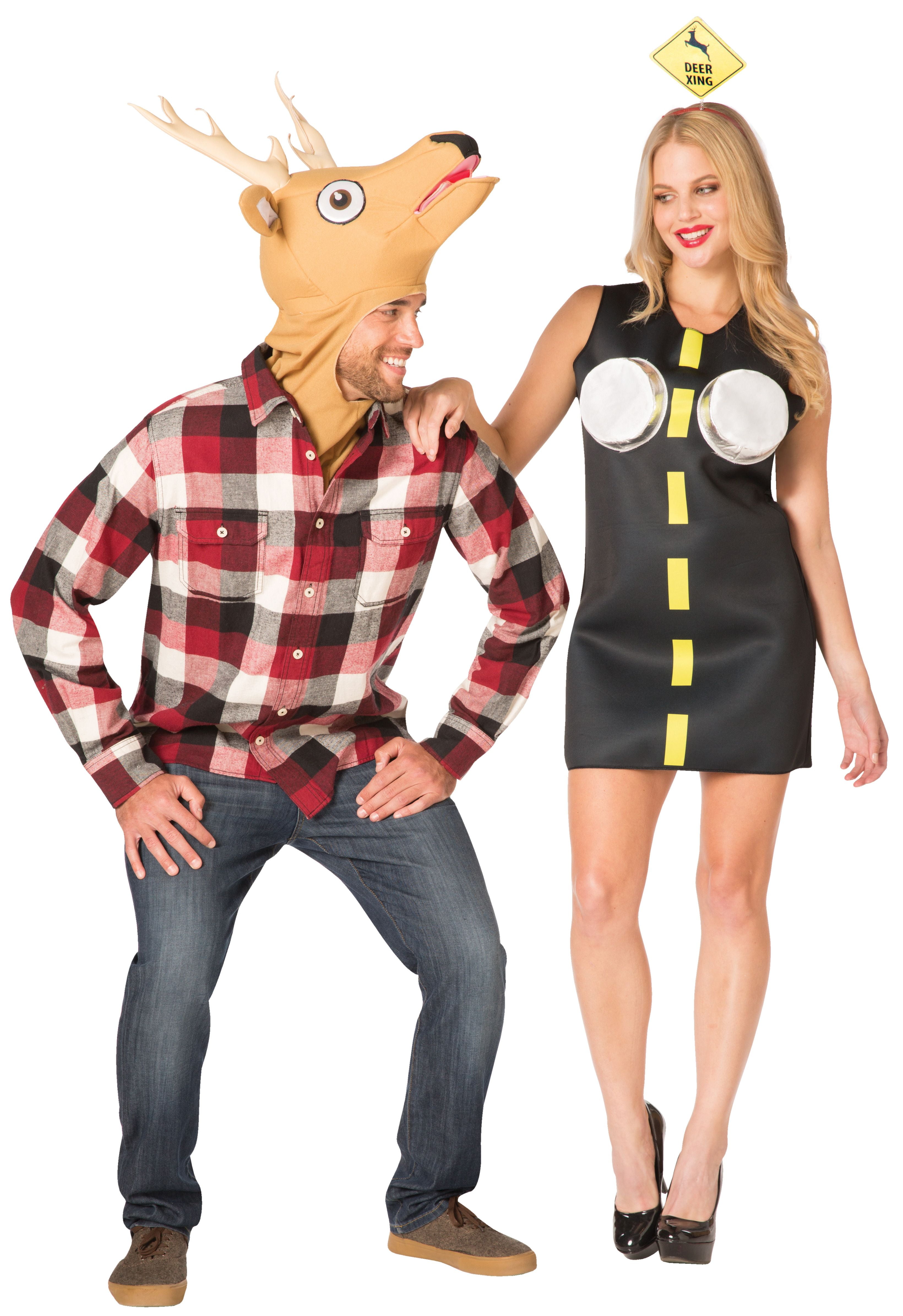
Financial Planning for Future Halloween Fun
Halloween, like other holidays, is a recurring annual event. Integrating costume purchases into your broader personal finance strategy can lead to significant long-term savings and less stress.
Consider creating a dedicated “holiday fund” or a specific “Halloween budget line item” in your annual financial plan. By setting aside a small amount each month, you can avoid last-minute, potentially expensive, impulse purchases. Planning ahead allows you to take advantage of off-season sales (e.g., buying discounted costumes in November for the following year), leverage DIY opportunities more effectively, and make more considered decisions about renting vs. buying, and quality vs. cost. Ultimately, smart financial planning transforms the question “where can I buy Halloween costumes near me” from a last-minute scramble into a well-managed and enjoyable annual tradition.
aViewFromTheCave is a participant in the Amazon Services LLC Associates Program, an affiliate advertising program designed to provide a means for sites to earn advertising fees by advertising and linking to Amazon.com. Amazon, the Amazon logo, AmazonSupply, and the AmazonSupply logo are trademarks of Amazon.com, Inc. or its affiliates. As an Amazon Associate we earn affiliate commissions from qualifying purchases.