
The role of a wedding officiant extends far beyond merely pronouncing a couple “man and wife” or “spouses.” In an increasingly personalized and digitally connected world, the officiant has become a central figure, a storyteller, and a curator of one of life’s most significant milestones. They are tasked with capturing the essence of a couple’s journey, articulating their promises, and setting the tone for their future together. For anyone stepping into this honor, whether a seasoned professional or a cherished friend officiating for the first time, the pressure to deliver a heartfelt, engaging, and memorable ceremony is immense.
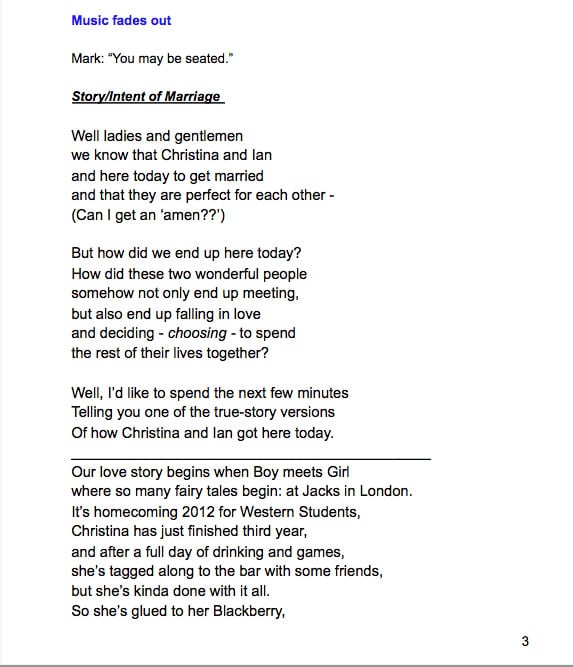
This guide delves into the art and science of officiating a wedding, not just from a traditional standpoint, but through the lens of modern sensibilities – incorporating insights from technology, brand strategy, and even the “return on investment” of a truly exceptional moment. We’ll explore how leveraging digital tools, understanding the couple’s unique “brand,” and recognizing the profound value of a well-executed ceremony can transform a standard event into an unforgettable experience.
Leveraging Technology for a Seamless Officiant Experience
In today’s digital landscape, technology is no longer just a backdrop to life; it’s an integrated tool that can profoundly enhance our capabilities, including the intricate task of officiating a wedding. From script development to delivery and even post-ceremony keepsakes, an officiant can harness a suite of digital resources to ensure a smooth, professional, and deeply personalized experience.
Digital Tools for Script Development and Delivery
The foundation of any great ceremony is a meticulously crafted script. Gone are the days of relying solely on pen and paper or generic templates. Modern officiants have an array of digital tools at their disposal:
- AI-Powered Brainstorming and Drafting: Artificial intelligence, through platforms like ChatGPT or Jasper, can be an invaluable co-pilot in the initial stages. An officiant can prompt an AI to generate ideas for opening remarks, vows, readings, or even entire ceremony structures based on specific themes, couple’s personalities (e.g., “humorous and heartfelt script for a couple who loves sci-fi”), or desired length. While AI-generated content should never be used verbatim without significant personalization, it can provide excellent starting points, overcome writer’s block, and help an officiant explore diverse linguistic styles and tones.
- Collaborative Cloud-Based Platforms: Tools like Google Docs, Notion, or Microsoft 365 are indispensable for script development. They allow the officiant to co-create and share drafts with the couple in real-time. Couples can leave comments, suggest edits, and approve sections, ensuring the final script perfectly reflects their wishes and voices. This collaborative approach not only streamlines the process but also deepens the couple’s involvement and ownership of the ceremony. Version control features ensure that no changes are lost, and everyone is always working from the most current draft.
- Teleprompter Apps and Digital Note Cards: For officiants who prefer not to memorize their entire script but want to avoid reading directly from paper, teleprompter apps (available on smartphones or tablets) offer a discreet and professional solution. These apps allow the officiant to scroll text at a comfortable pace, maintaining eye contact with the couple and guests. Alternatively, creating digital note cards on a tablet allows for quick navigation between key points, ensuring all essential elements are covered without feeling rigidly tied to a full script. This tech integration helps maintain natural delivery, reduces anxiety, and prevents fumbling with physical notes.
- Speech-to-Text for Practice and Timing: Practicing the ceremony aloud is crucial. Using speech-to-text software (often built into operating systems or word processors) can help an officiant “hear” how their words flow and catch awkward phrasing. Additionally, recording oneself and timing the delivery allows for precise adjustments to ensure the ceremony fits within the allotted timeframe, preventing it from feeling rushed or overly long.
Enhancing the Ceremony with Tech Integration
Beyond the script itself, technology can elevate the sensory experience of the ceremony, making it more accessible and engaging for everyone present, and even those far away.
- Audio and Visual Considerations: A good microphone and sound system are paramount for clarity. The most profound words lose their impact if they can’t be heard. Officiants should always confirm sound arrangements with the venue or wedding planner. For tech-savvy officiants, discreet lavalier microphones can be a worthwhile personal investment for future engagements. Visuals, though less common for the officiant’s direct tools, might include projecting meaningful photos or videos during certain readings, managed by an AV technician.
- Live Streaming for Distant Guests: For loved ones unable to attend in person, live streaming has become a vital component of modern weddings. The officiant often plays a subtle role in acknowledging these virtual guests, perhaps with a brief welcome or a nod to those tuning in from afar. While the technical setup for live streaming is typically handled by a videographer or specific service, understanding its presence allows the officiant to adapt their delivery slightly to include the wider audience.
- Interactive Digital Elements: Creative officiants might subtly integrate QR codes into programs or signage, leading guests to a digital guestbook, a “how we met” story page, a curated playlist, or even a link to view photos shared by the couple. These small digital touches enhance guest engagement and extend the wedding experience beyond the physical event.
- Recording the Ceremony from a Unique Perspective: While professional videographers capture the overall event, a discrete GoPro or small recorder attached to the officiant’s person can offer a unique, intimate perspective of the vows and rings exchange. This “officiant’s view” can be a precious, behind-the-scenes digital keepsake for the couple, capturing their expressions and reactions up close.
Branding the Moment: Crafting a Unique & Authentic Ceremony
Just as businesses cultivate a distinct brand identity, every wedding possesses its own unique “brand.” This brand is a reflection of the couple’s personalities, values, and the story they wish to tell. The officiant acts as a chief brand ambassador, responsible for translating this intangible essence into a tangible, resonant ceremony. Furthermore, the officiant’s own personal brand — their style, delivery, and authenticity — significantly contributes to the overall success of the moment.
Defining the Couple’s “Wedding Brand”

A truly memorable ceremony is never generic; it’s a bespoke creation. Understanding and articulating the couple’s “wedding brand” is the first step:
- Understanding Their Story and Values: Before writing a single word, an officiant must spend time with the couple, listening intently to their journey. How did they meet? What challenges have they overcome? What makes their relationship unique? What are their core values? Are they traditionalists, adventurers, minimalists, or free spirits? These insights form the bedrock of their “brand” and inform every aspect of the ceremony.
- Tailoring Language to Reflect Personalities: The language used must align with the couple’s voice. A playful couple might appreciate humor and lighthearted anecdotes, while a more serious pair might prefer profound, poetic prose. The officiant should avoid jargon or overly formal language if it doesn’t suit the couple. Incorporating specific anecdotes, inside jokes, or references to shared hobbies or passions helps to personalize the narrative and makes the ceremony authentically theirs. This bespoke approach ensures the couple and their guests feel truly seen and understood.
- Incorporating Specific Themes or Unique Elements: Many couples have a wedding theme or specific cultural/personal traditions they want to incorporate. Whether it’s a handfasting ceremony, a sand ceremony, a unity candle, or a modern twist on ancient vows, the officiant must seamlessly weave these elements into the script. Each inclusion should contribute to the overall narrative, strengthening the couple’s “wedding brand” and making the ceremony distinctively theirs.
The Officiant’s Personal Brand and Presence
While the spotlight is on the couple, the officiant’s own “brand” and presence are crucial to creating an impactful ceremony. They are not merely readers of a script but performers and facilitators of profound emotion.
- Authenticity and Connection: An officiant’s personal brand is built on authenticity. Guests can sense sincerity. The officiant should speak from the heart, projecting warmth, empathy, and joy. Establishing eye contact with the couple and key family members, along with scanning the audience, creates a sense of connection and makes everyone feel part of the moment. A genuine smile, a well-timed pause, or a heartfelt glance can speak volumes.
- Delivery, Pacing, and Emotional Resonance: The officiant controls the flow and emotional arc of the ceremony. This involves thoughtful pacing – knowing when to slow down for significant vows, when to speed up for transitional remarks, and when to pause for emotional impact or laughter. Inflection, tone, and volume should be varied to maintain interest and convey appropriate emotions. A monotone delivery, regardless of how beautiful the words, can fall flat. Practicing with a focus on emotional delivery ensures the ceremony resonates deeply with the couple and guests.
- Non-Verbal Communication: Body language is a powerful component of an officiant’s brand. Standing tall and confidently, maintaining an open posture, and using appropriate hand gestures can enhance communication. The officiant should aim to be present but not distracting, ensuring that their actions always draw attention back to the couple.
- Post-Ceremony Branding and Follow-Up: A professional officiant’s brand extends beyond the ceremony itself. A thoughtful follow-up, perhaps a personalized email, a digital photo sharing, or a simple check-in, reinforces the positive experience. For professional officiants, soliciting testimonials and encouraging reviews (e.g., on their website or social media) is crucial for building their reputation and attracting future clients. This demonstrates attention to detail and a commitment to customer satisfaction.
The “Return on Investment” of a Well-Delivered Ceremony
When planning a wedding, couples invest significantly in venue, catering, decor, and photography. However, the true “return on investment” of a wedding often lies not in the material expenditures, but in the intangible value of the experience itself. A beautifully delivered ceremony, meticulously crafted and authentically presented, provides an invaluable return in the form of cherished memories and a strong foundation for the marriage.
Measuring Intangible Value: Beyond the Budget
The ceremony is the heart of the wedding day, and its impact far surpasses any monetary cost associated with the officiant’s service or the time invested in preparation.
- Emotional Return for Couple and Guests: The primary return on investment from a compelling ceremony is emotional. For the couple, it’s the profound experience of articulating their love and commitment publicly, creating a sacred memory that will anchor their relationship for decades. For guests, it’s the joy of witnessing this union, feeling connected to the couple’s story, and often being moved to laughter or tears. These shared emotional experiences create lasting bonds and unforgettable moments that no material expense can replicate.
- Creating Lasting Memories and a Foundational Experience: A well-crafted ceremony isn’t just a fleeting event; it’s a story that will be retold, replayed in minds, and revisited in photos and videos for years to come. It establishes the “brand” of the marriage itself – its values, its promises, its unique spirit. This foundational experience is arguably the most critical investment a couple makes on their wedding day, setting the tone for their future together.
- The Investment of Time and Effort by the Officiant: For the officiant, the “return” is often in the immense satisfaction of facilitating such a significant life event. While professional officiants charge a fee, even a friend officiating makes a considerable investment of time, thought, and emotional energy. The successful execution of a meaningful ceremony is its own reward, building personal confidence and strengthening relationships.
- Elevating the Entire Wedding Experience: A powerful, engaging ceremony elevates the entire wedding day. It makes all other investments – the stunning venue, the delicious food, the beautiful flowers – feel more purposeful and meaningful. When the core event is spectacular, it frames every other element in a more positive light, ensuring the overall “brand experience” of the wedding is cohesive and deeply impactful. It shifts the perception from “a series of events” to “a singular, beautiful journey.”

Professional Officiant Services: Business and Financial Considerations
For those who choose to make officiating a professional endeavor, understanding the business and financial aspects becomes critical. It transforms the role from a mere act of service into a value-driven business.
- Pricing Strategies and Service Packages: Professional officiants must develop clear pricing strategies. This might involve tiered packages (e.g., basic ceremony, customized ceremony, rehearsal attendance, pre-marital counseling). Pricing should reflect the officiant’s experience, the complexity of the script, the time commitment, and any travel involved. Clearly articulated value propositions justify the fees, showcasing the expertise and personalized service offered.
- Understanding the “Market” for Officiant Services: Researching local market rates, understanding the demand for different types of ceremonies (religious, non-denominational, secular, interfaith), and identifying niche offerings can help professional officiants position themselves effectively. Building a strong online presence, utilizing social media, and securing positive reviews are essential for market penetration.
- Marketing and Financial Tools: Professional officiants benefit from leveraging business tools. This includes website development (showcasing services, testimonials, and FAQs), online booking systems (like Calendly or Acuity Scheduling), customer relationship management (CRM) software, and invoicing/payment processing tools (like Wave or QuickBooks Self-Employed). These tools streamline operations, enhance professionalism, and manage the financial aspects of the business efficiently.
- The Value of a Skilled Officiant vs. a Casual Friend: While a friend can provide a deeply personal touch, a professional officiant brings experience, expertise, and often, legal acumen. They understand ceremony flow, manage unexpected situations gracefully, and ensure all legal requirements are met. Couples invest in a professional officiant for peace of mind, a guarantee of quality, and a truly polished, memorable delivery, viewing it as a critical component of their overall wedding budget.
The officiant’s words are more than just a formality; they are the heart of the wedding day, the framework upon which a lifetime of memories will be built. By embracing modern technological aids, strategically “branding” the ceremony to reflect the couple’s unique identity, and understanding the profound, often intangible, return on investment of a truly exceptional delivery, officiants can transform a standard event into an extraordinary, unforgettable celebration. The modern officiant is not just a speaker, but a storyteller, a facilitator, and an architect of indelible moments, ensuring that the ceremony itself is as cherished and unique as the love it celebrates.
aViewFromTheCave is a participant in the Amazon Services LLC Associates Program, an affiliate advertising program designed to provide a means for sites to earn advertising fees by advertising and linking to Amazon.com. Amazon, the Amazon logo, AmazonSupply, and the AmazonSupply logo are trademarks of Amazon.com, Inc. or its affiliates. As an Amazon Associate we earn affiliate commissions from qualifying purchases.