
Halloween, a beloved annual tradition, transforms streets into fantastical parades and homes into haunted havens. At its heart lies the costume – the sartorial key to embodying a character, indulging in fantasy, or simply joining the festive spirit. But for many, the annual quest for the perfect outfit also raises a critical question: “Where do you buy Halloween costumes?” This seemingly simple query quickly evolves into a complex financial decision, involving budget constraints, value propositions, and strategic shopping choices.
Navigating the vast market of Halloween attire requires more than just an eye for creativity; it demands a financially astute approach. From specialty pop-up stores to online giants, from thrift store treasures to elaborate DIY projects, each avenue presents its own set of monetary implications. This guide delves deep into the financial landscape of Halloween costume shopping, offering insights and strategies to help you make the smartest, most cost-effective decisions without sacrificing an ounce of fun.
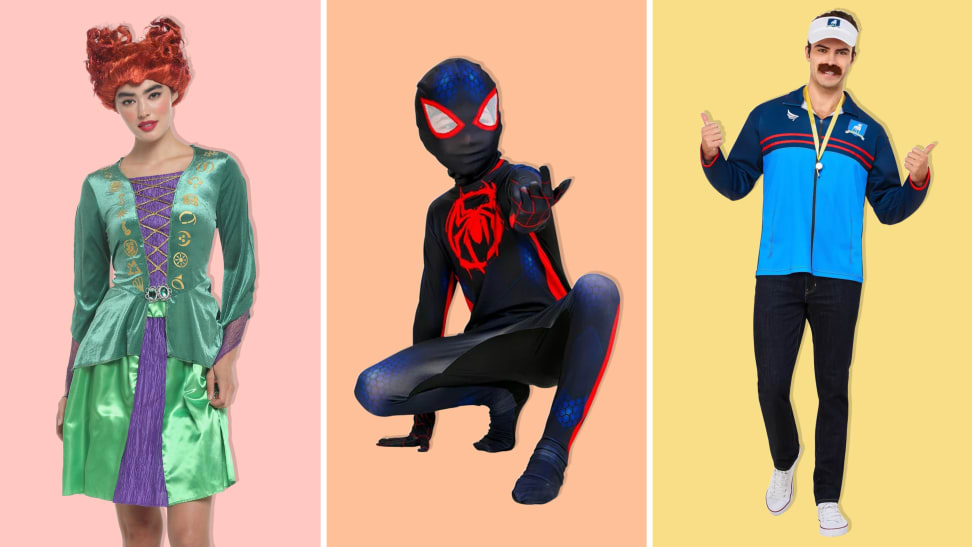
The Financial Landscape of Halloween Costume Shopping
Before embarking on the costume hunt, a clear understanding of the financial stakes is paramount. Halloween can become an unexpected drain on your wallet if not approached with a strategic mindset.
Understanding Your Budget: More Than Just the Price Tag
The first step in any savvy financial endeavor is budgeting. For Halloween costumes, this means more than just setting a maximum price for the main outfit. Consider your overall spending capacity for the holiday, including decorations, candy, and party supplies. Within that, allocate a specific, realistic amount for your costume. Are you aiming for a simple, one-time wear costume, or an investment piece that can be repurposed? Your budget will dictate your shopping channels and your willingness to invest time in DIY solutions. Remember, a “cheap” costume might end up being more expensive if it falls apart before the night is over, requiring a last-minute replacement.
The Hidden Costs: Accessories, Shipping, and Impulse Buys
The price tag on the main costume is often just the tip of the iceberg. Accessories – wigs, makeup, props, special footwear – can quickly double or triple your initial estimate. Online purchases incur shipping fees, which can negate any perceived savings if not accounted for. Furthermore, the excitement of Halloween shopping often leads to impulse buys, whether it’s an extra spooky mask or a novelty item that catches your eye. A comprehensive budget must factor in these additional expenses to prevent post-Halloween financial regret. Creating a checklist of all necessary costume components can help keep these hidden costs in check.
The Value Proposition: One-Time Wear vs. Reusability
Consider the longevity and reusability of your costume. Is this a one-and-done outfit, or can elements be incorporated into future costumes, everyday wear, or even dress-up bins for children? A higher-quality, more expensive costume might offer better long-term value if its components are versatile. Conversely, if the goal is a highly specific, trend-driven look that will be outdated by next year, a cheaper, less durable option might be more financially sensible. Assessing this value proposition upfront helps justify spending decisions and prevents overspending on ephemeral trends.
Navigating Retail Channels: Maximizing Your Dollar
The “where” in “where do you buy Halloween costumes” presents a diverse array of options, each with its own financial implications. Understanding these channels is key to making informed purchasing decisions.
Brick-and-Mortar Stores: Instant Gratification vs. Premium Pricing
Traditional physical stores offer the immediate gratification of trying on costumes and taking them home the same day, but often at a premium.
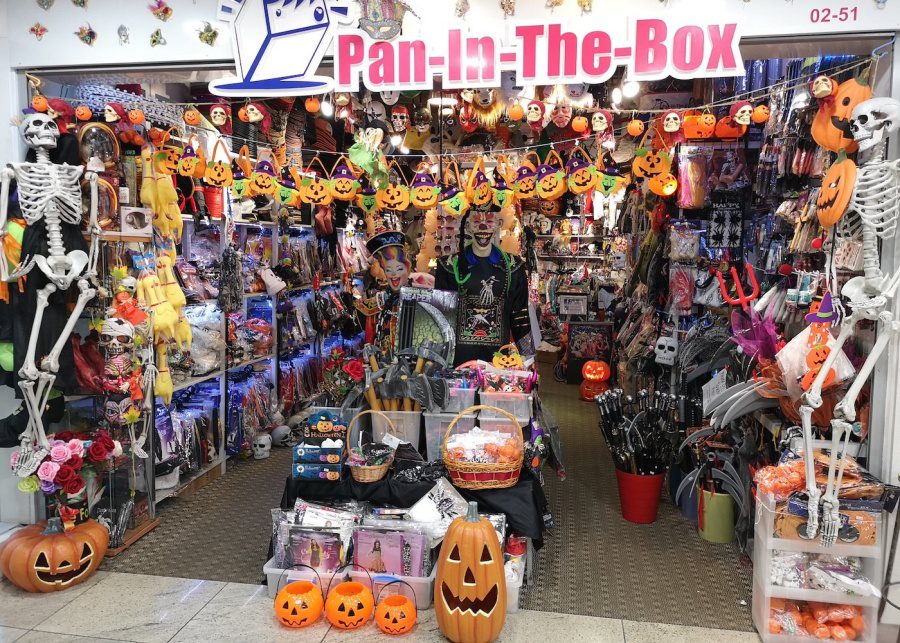
- Specialty Retailers (Spirit Halloween, Party City): Convenience at a Cost: These pop-up and year-round stores are Halloween central, offering vast selections, themed displays, and often, exclusive designs. Their convenience and extensive inventory come with higher price tags, especially for licensed characters or elaborate outfits. They are ideal for last-minute shoppers or those seeking very specific, trend-driven costumes. However, sales are rare until the very last days of October, and sizes can become limited.
- Discount Stores & Supermarkets (Walmart, Target): Budget-Friendly Basics: For those on a tighter budget, general merchandise stores provide affordable, if less elaborate, options. You’ll find basic character costumes, generic spooky outfits, and a decent selection of accessories at competitive prices. These are excellent for children’s costumes, simple adult looks, or for piecing together a DIY costume with readily available components. The trade-off is often in quality and uniqueness.
- Thrift Stores & Consignment Shops: Unearthing Unique Bargains: Goldmines for the creative and budget-conscious, thrift stores offer unparalleled value. With patience, you can find unique vintage items, everyday clothing that can be repurposed, or even pre-loved full costumes at a fraction of the original cost. Shopping here requires vision and an open mind, but the financial savings and individuality of your costume can be immense. It’s also an environmentally friendly choice.
Online Marketplaces: The Digital Hunt for Deals
The internet has revolutionized costume shopping, offering convenience, vast selection, and often, better pricing – provided you account for shipping and lead time.
- E-commerce Giants (Amazon, eBay): Vast Selection, Variable Quality: Platforms like Amazon and eBay are undisputed leaders in costume volume. You can find virtually any costume imaginable, from budget-friendly imports to high-end replicas. The key is to read reviews carefully, compare prices across multiple sellers, and factor in shipping costs and delivery times. Quality can vary wildly, so buyer beware. eBay also offers options for used costumes, often at significant discounts.
- Specialty Online Retailers (Costume SuperCenter, BuyCostumes.com): Niche Finds, Price Comparison Tools: Dedicated online costume retailers often have better stock of popular items, offer detailed sizing guides, and sometimes provide unique, higher-quality options than general e-commerce sites. They are great for finding specific themes or sizes. Many of these sites also feature robust sale sections year-round, making off-season purchases particularly savvy.
- Peer-to-Peer Platforms (Facebook Marketplace, Poshmark): Second-Hand Savings: For those comfortable with buying used items directly from individuals, these platforms offer excellent opportunities for savings. You can find gently used costumes, often complete with accessories, at significantly reduced prices. Local pick-up options on Facebook Marketplace can eliminate shipping costs, while Poshmark focuses on apparel and offers buyer protection.
The Savvy Shopper’s Toolkit: Strategies for Cost-Effective Costumes
Beyond choosing the right store, employing smart shopping strategies can further reduce your Halloween costume expenditure.
Timing Your Purchase: Early Bird or Last-Minute Scramble?
- Early Bird Advantage: The smartest financial move is to shop early, ideally in late summer or early fall. Retailers have full stock, and you avoid the premium pricing that comes with high demand. You also have ample time for shipping if buying online, allowing you to choose cheaper, slower shipping options.
- Last-Minute Scramble: While risky in terms of selection, waiting until the last few days before Halloween can sometimes yield significant discounts as retailers try to clear inventory. This strategy is best for those with flexible costume ideas or who only need basic components.
DIY vs. Buying Off-the-Rack: A Cost-Benefit Analysis
Creating a costume from scratch (DIY) can be incredibly cost-effective, especially if you already own many of the base components. It also offers unparalleled uniqueness. However, DIY requires time, creativity, and potentially, skills in sewing or crafting. Consider the cost of materials (fabric, glue, paint, accessories) against your available time and the convenience of a pre-made costume. Sometimes, a “semi-DIY” approach – buying a basic costume and then adding custom details – offers the best balance of cost, creativity, and time.
Renting Costumes: A Niche Option for High-End Looks
For elaborate, high-quality, or period-specific costumes (e.g., for themed parties, theatrical productions, or professional events), renting can be a surprisingly cost-effective alternative to buying. Specialty costume rental shops offer meticulously maintained outfits that would cost hundreds or thousands to purchase. While not common for a casual Halloween party, it’s a viable option for those seeking a truly show-stopping look without the upfront investment.
Leveraging Sales, Coupons, and Loyalty Programs
Keep an eye out for sales events, even outside of traditional holiday periods. Many retailers offer coupons or discount codes, especially for online purchases. Signing up for email newsletters from your favorite costume retailers can provide early access to promotions. If you frequently shop at a particular store, consider joining their loyalty program to accumulate points or receive exclusive discounts.
Beyond the Purchase: Maximizing Value and Minimizing Waste
Smart financial planning for Halloween extends beyond the initial purchase. Maximizing value means considering what happens to your costume after the big night.
Repurposing and Upcycling: Extending Your Costume’s Lifespan
Instead of discarding a costume, think about how it can be repurposed. Can parts of it be integrated into regular clothing? Can it become dress-up clothes for children or future Halloween costumes? A wizard’s robe could become a cozy loungewear item, or a pirate’s vest could be an everyday fashion statement for a child. This approach not only saves money in the long run but also reduces waste.
Selling Your Used Costumes: Recouping Your Investment
If your costume is still in good condition, consider selling it. Platforms like eBay, Poshmark, or local Facebook Marketplace groups are excellent for recouping some of your original investment. You can also look for local consignment shops that accept seasonal items. This strategy is particularly effective for popular or higher-quality costumes that retain their appeal year after year.
Group Costumes and Swaps: Collaborative Savings
Planning group costumes with friends or family can open doors to collaborative savings. You might be able to share accessories, split the cost of materials for DIY elements, or even swap costumes from previous years. Organizing a costume swap party is a fantastic way to refresh your Halloween wardrobe without spending a dime, fostering community and sustainability.
Making the Smartest Financial Decision for Your Halloween
Ultimately, the best place to buy your Halloween costume is where you find the optimal balance between cost, quality, and your personal needs. There’s no single “right” answer, as it heavily depends on individual budgets, desired uniqueness, and the perceived value of the costume experience.
Assessing Quality vs. Cost: Durability for Future Use
When evaluating where to buy, always weigh the price against the quality. A very cheap costume might only last one wear, offering little to no future value. A moderately priced, well-constructed costume might withstand multiple uses, becoming an excellent investment if you plan to reuse it or sell it.
The “Experience” Factor: Is a Higher Price Tag Worth It?
Sometimes, a higher price tag isn’t just for quality but for the “experience.” This could mean a unique, hand-crafted piece from an artisan, a meticulously designed replica that brings immense joy, or simply the convenience of a perfectly curated ensemble from a specialty store when time is short. Factor in the emotional return on investment – how much happiness and satisfaction will this costume bring?

Long-Term Financial Planning for Seasonal Spending
For those who love Halloween, integrating costume purchases into a broader seasonal spending plan can be highly beneficial. Setting aside a small amount each month throughout the year specifically for holiday expenses can alleviate the financial pressure when October rolls around, allowing for more strategic and less impulsive purchases.
In conclusion, “Where do you buy Halloween costumes?” is a question that invites a journey through various retail landscapes, each with its own financial advantages and disadvantages. By understanding your budget, exploring different channels, employing savvy shopping tactics, and considering the long-term value, you can ensure your Halloween spirit remains high without putting a fright on your finances. Happy haunting, and happy saving!
aViewFromTheCave is a participant in the Amazon Services LLC Associates Program, an affiliate advertising program designed to provide a means for sites to earn advertising fees by advertising and linking to Amazon.com. Amazon, the Amazon logo, AmazonSupply, and the AmazonSupply logo are trademarks of Amazon.com, Inc. or its affiliates. As an Amazon Associate we earn affiliate commissions from qualifying purchases.