
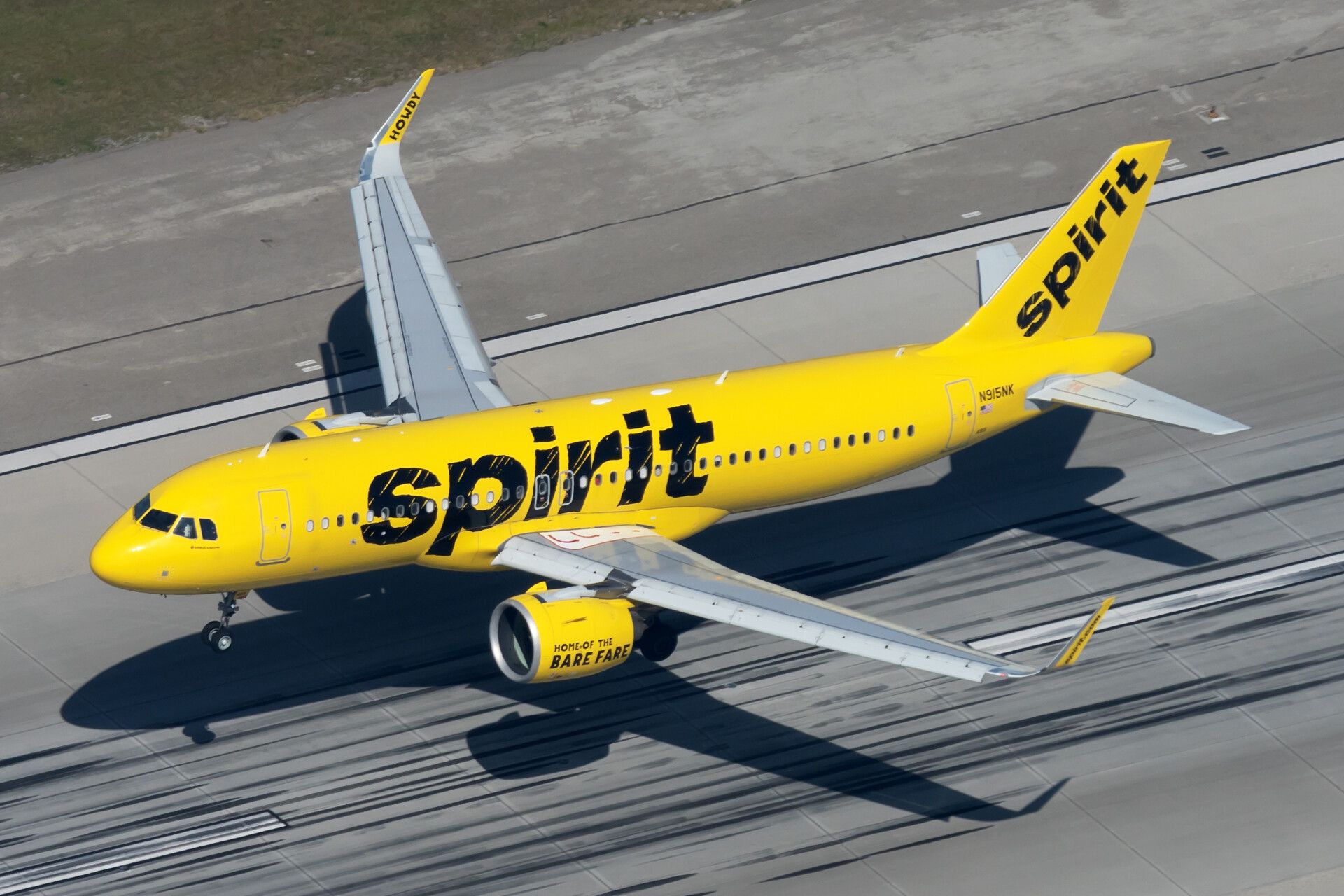
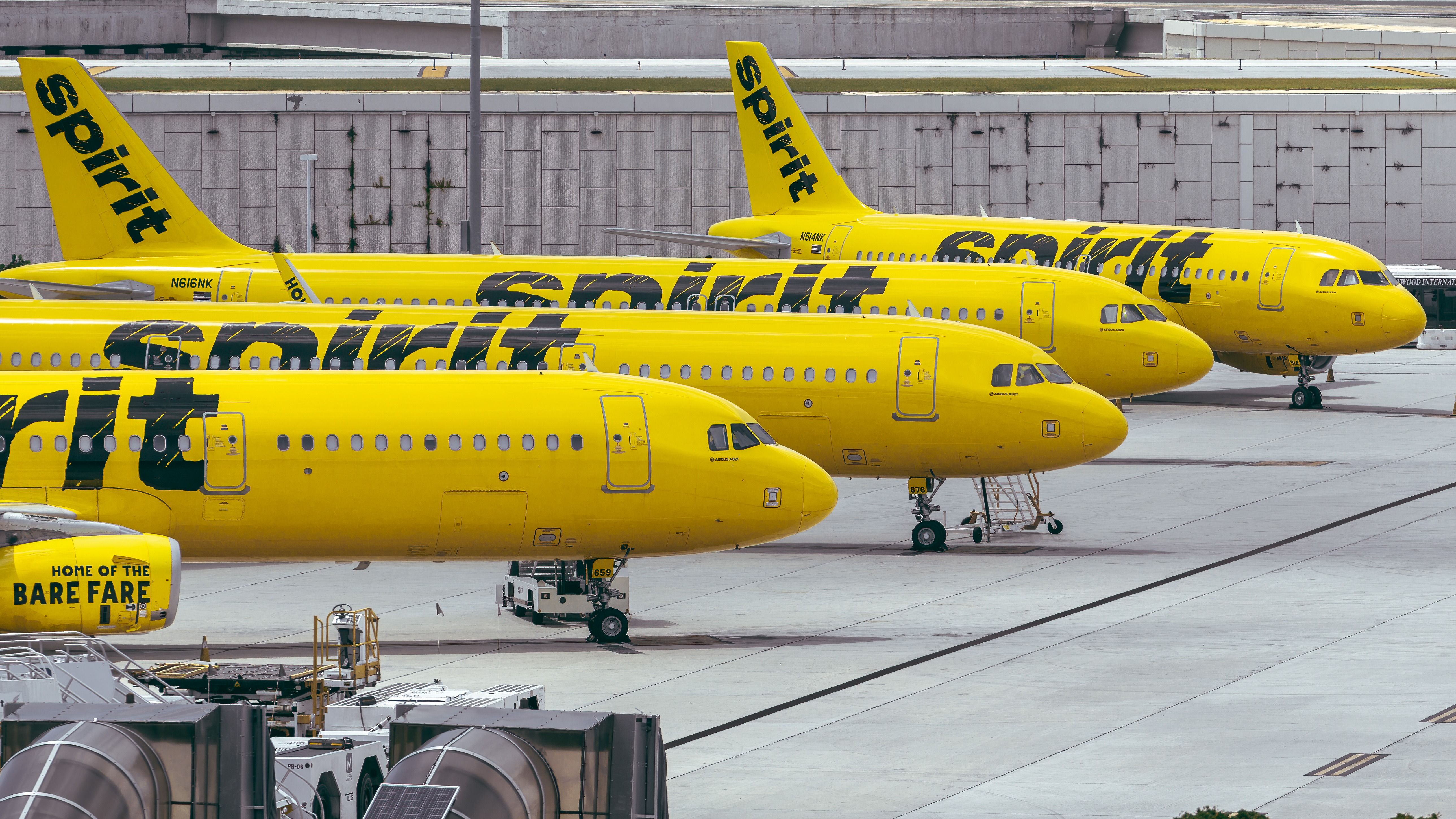
Spirit Airlines, a prominent player in the ultra-low-cost carrier (ULCC) segment, operates an exclusively Airbus fleet, a strategic decision that lies at the very heart of its brand identity and operational model. Far from being a mere logistical choice, the types of aircraft Spirit flies are meticulously selected to reinforce its core brand promise: offering affordable, no-frills air travel. Currently, Spirit’s fleet consists primarily of the Airbus A320 family, including the A319, A320, and A321 models, with a significant and growing number of these being the more fuel-efficient “NEO” (New Engine Option) variants. This homogeneity is not by chance; it is a carefully calculated component of Spirit’s brand strategy, designed to optimize efficiency, streamline operations, and ultimately deliver on its promise of low fares.

In the highly competitive airline industry, an airline’s fleet is more than just a collection of assets; it is a tangible expression of its business strategy, operational philosophy, and ultimately, its brand. For Spirit, the choice of the Airbus A320 family is a powerful brand statement, signaling a commitment to cost-effectiveness, operational simplicity, and the pursuit of maximum passenger capacity – all foundational elements of its distinct ULCC brand. This article delves into the “what” of Spirit’s fleet through the lens of “why” it matters to its brand, exploring how these aircraft choices shape its corporate identity, customer perception, and competitive positioning.
The Strategic Core: Spirit’s All-Airbus Fleet as a Brand Pillar
Spirit’s unwavering commitment to an all-Airbus A320 family fleet is perhaps the most defining operational aspect of its brand strategy. This decision underpins nearly every facet of its business, from maintenance and training to route planning and pricing, all geared towards sustaining its Ultra-Low-Cost Carrier (ULCC) model. The uniform nature of its fleet is not just about flying planes; it’s about flying a specific brand experience built on efficiency and affordability.
A Commitment to Standardization: The A320 Family Advantage
The advantages of operating a single-manufacturer, single-family fleet are manifold, and for Spirit, these translate directly into core brand benefits. By flying only Airbus A320 family aircraft, Spirit significantly reduces the complexity inherent in airline operations. This standardization streamlines maintenance procedures, as technicians become specialized in a single aircraft type, requiring a smaller inventory of spare parts and simplifying supply chain management. This directly impacts cost savings, which are then passed on to the customer in the form of lower fares – a crucial element of Spirit’s brand promise.
Furthermore, pilot and cabin crew training becomes more efficient and less costly. Pilots can be rated for the entire A320 family (A319, A320, A321), allowing for greater flexibility in crew scheduling and reducing the need for expensive cross-training on multiple aircraft types. This operational simplicity is a cornerstone of Spirit’s efficiency-driven brand, enabling quicker turnarounds and more consistent service delivery. The A320 family’s commonality in cockpit design and operational characteristics ensures a seamless experience for the crew, minimizing errors and enhancing safety protocols, which, while not always explicitly marketed, are foundational attributes for any airline brand.
Economic Efficiency as a Brand Imperative
Each model within Spirit’s Airbus fleet plays a specific role in reinforcing the airline’s brand as an economically efficient carrier. The A319, though a smaller part of the fleet, offers flexibility for thinner routes or markets where demand doesn’t warrant a larger aircraft, ensuring optimal capacity utilization. The A320, the workhorse of many airlines globally, strikes an excellent balance between capacity and range, serving the majority of Spirit’s network. The larger A321 is deployed on high-demand routes, allowing Spirit to carry more passengers per flight and achieve superior unit costs.
Crucially, the increasing integration of “NEO” (New Engine Option) aircraft across all these variants (A319neo, A320neo, A321neo) further solidifies Spirit’s brand commitment to economic efficiency. NEO aircraft offer significant improvements in fuel burn (up to 15-20% lower than previous generation models), reduced emissions, and a quieter operation. While the environmental benefits are often subtle in ULCC marketing, the cost savings from reduced fuel consumption are paramount. These savings directly contribute to Spirit’s ability to offer competitive “bare fares,” thus strengthening its brand as the go-to option for budget-conscious travelers. The acquisition of these modern, fuel-efficient aircraft showcases a forward-thinking brand that invests in technology to maintain its low-cost competitive edge.
Spirit’s Fleet Evolution: Modernization and Brand Future
The continuous modernization of its fleet, particularly through the introduction of NEO aircraft, is vital for Spirit’s long-term brand health. A younger, more fuel-efficient fleet translates to lower operating costs, greater reliability, and reduced maintenance expenses – all factors that enable Spirit to sustain its low-fare brand identity in the face of rising industry costs. This commitment to a modern fleet also subtly enhances the brand’s perception of reliability and safety. While an airline’s fleet age isn’t often a primary focus of ULCC marketing, a newer fleet inherently carries an image of modernity and up-to-date technology, which can indirectly reassure passengers and bolster corporate reputation. As Spirit continues to grow and expand its network, its strategic fleet choices, centered around the efficient A320 family, will remain a cornerstone of its brand narrative, ensuring it can continue to deliver on its promise of affordable travel.
Shaping the Passenger Experience: Fleet Choices and Brand Perception
While Spirit’s brand is synonymous with “no-frills,” the aircraft it flies still profoundly shapes the actual and perceived passenger experience. The configuration, interior design, and even the basic amenities (or lack thereof) on its Airbus planes are deliberate choices that reinforce its unique value proposition and manage customer expectations, defining what it means to fly with Spirit.
The “Bare Fares” Philosophy and Aircraft Configuration
Spirit’s “Bare Fares” philosophy is directly reflected in the high-density seating configurations of its Airbus A320 family aircraft. To maximize revenue per flight and keep ticket prices low, Spirit configures its planes with more seats than many traditional carriers. This means a tighter seat pitch (the distance between a point on one seat and the same point on the seat in front of it), which is a conscious trade-off. Passengers understand that the low price comes with certain compromises, and the seating configuration is one of the most immediate and tangible manifestations of this “unbundled” pricing model.
This configuration is not just about squeezing in more people; it’s a critical component of Spirit’s brand strategy. It signals to the customer: “we prioritize getting you to your destination affordably over luxury or extensive personal space.” By setting these expectations upfront, Spirit manages customer perceptions. The aircraft’s interior, characterized by slimline seats and minimal recline, is a physical embodiment of the ULCC brand – functional, efficient, and designed to facilitate quick boarding and deplaning, supporting fast turnarounds.
Safety and Reliability: Foundational Brand Attributes
Regardless of an airline’s price point or service model, safety and reliability are non-negotiable brand attributes. Spirit’s choice of the Airbus A320 family, one of the most widely used and proven aircraft series globally, inherently contributes to a perception of safety and reliability. These aircraft have an impeccable safety record, are subject to rigorous international aviation standards, and benefit from extensive maintenance and operational support networks worldwide.
For Spirit’s brand, operating a fleet of modern, well-maintained Airbus aircraft reassures passengers that while they are paying a low fare, they are not compromising on fundamental safety. The standardization of the fleet further enhances reliability through simplified maintenance and operational consistency. This underlying assurance of safety allows Spirit to focus its brand messaging on affordability and accessibility, knowing that the foundational trust in its operational integrity is supported by its choice of aircraft. While the ULCC model is about cost-cutting, it is never about cutting corners on safety, a critical distinction that strengthens the brand’s core credibility.
In-Flight Amenities (or Lack Thereof) as Brand Expression
The interior offerings (or lack thereof) on Spirit’s Airbus planes are another clear expression of its brand. Unlike full-service carriers that might feature elaborate entertainment systems, spacious galleys, or premium seating sections, Spirit’s aircraft interiors are streamlined and functional. Wi-Fi, snacks, beverages, and even carry-on bag space are often offered as paid add-ons, reinforcing the “you only pay for what you need” brand promise.
The basic seating, the absence of seat-back entertainment, and the minimalist cabin design are not oversights; they are deliberate decisions that contribute to cost efficiency and, by extension, the low fares Spirit’s brand is built upon. This approach caters to a specific segment of travelers who prioritize price above all else and are willing to forgo traditional amenities. For these customers, the no-frills cabin is not a deterrent but an expected part of the ULCC experience – a physical manifestation of a brand that explicitly states its value proposition and delivers on it without hidden costs in the base fare. Every aspect of the aircraft’s interior is curated to reinforce the brand’s commitment to unbundled pricing and functional travel.
Operational Excellence: Fueling the Ultra-Low-Cost Brand Promise
The brand of an Ultra-Low-Cost Carrier like Spirit is inextricably linked to its operational efficiency. The types of planes it flies and how they are managed are critical to delivering the low fares that define its market position. Spirit’s all-Airbus A320 family fleet is a masterclass in operational excellence, designed to maximize asset utilization, streamline processes, and minimize costs, all of which directly fuel its brand promise.
Rapid Turnarounds and Maximizing Asset Utilization
A cornerstone of the ULCC model, and thus Spirit’s brand, is the ability to maximize the number of flight segments each aircraft completes daily. This requires exceptionally rapid turnarounds at the gate. Spirit’s standardized Airbus fleet facilitates this efficiency. With common parts, similar ground service requirements, and consistent cabin configurations, ground crews can service and prepare the aircraft for its next flight with remarkable speed. This “quick turn” strategy ensures that planes spend less time on the ground and more time in the air, generating revenue.
This high asset utilization is vital for the brand because it directly contributes to Spirit’s capacity to offer more frequent flights at lower prices. A plane sitting idle at the gate is a cost. A plane flying multiple routes a day is a revenue generator that helps keep ticket prices down. The efficiency engineered into the A320 family’s design, combined with Spirit’s operational protocols, allows the brand to deliver on its promise of accessible travel by getting passengers to their destinations efficiently and often.
Streamlined Maintenance and Pilot Training: Cost-Saving Synchronicities
The cost savings derived from a standardized fleet in terms of maintenance and training are immense, and they directly underpin Spirit’s low-cost brand. Operating only the Airbus A320 family means Spirit’s maintenance teams specialize in a single aircraft type. This reduces the variety of tools, equipment, and spare parts that need to be stocked, leading to lower inventory costs and greater purchasing power with a single manufacturer. Furthermore, troubleshooting and repairs become more efficient, minimizing aircraft downtime.
Similarly, pilot training is significantly simplified and more cost-effective. Pilots can be cross-qualified to fly any aircraft within the A320 family, offering unparalleled flexibility in scheduling and crew deployment. This means fewer specialized training programs, reduced simulator costs, and a more versatile pilot workforce. These operational efficiencies are not just internal benefits; they are fundamental enablers of Spirit’s brand. By keeping operational costs low through such strategic fleet management, Spirit can maintain the low fare structure that defines its brand identity and attracts its target customer base.
Route Flexibility and Network Expansion
The versatility of the Airbus A320 family also provides Spirit with significant route flexibility, allowing it to adapt its network and expand its brand reach effectively. The various sizes within the family (A319 for shorter, less dense routes; A320 for core routes; A321 for high-demand corridors) mean Spirit can tailor its capacity to specific market demands without introducing complexity from different aircraft types. This adaptability is crucial for a ULCC brand that thrives on opening new, underserved routes and optimizing existing ones.
This fleet flexibility allows Spirit to experiment with new markets, adjust to seasonal demand shifts, and quickly reallocate aircraft as needed. The commonality across the family means that if a particular route’s demand changes, Spirit can swap an A319 for an A320 or A321 without significant operational hurdles or crew reassignments. This agility in network management directly supports Spirit’s brand promise of offering extensive point-to-point connections at competitive prices, enabling it to penetrate diverse markets and strengthen its overall brand presence.
Beyond the Aircraft: How Fleet Decisions Bolster Spirit’s Market Identity
While the “what” of Spirit’s fleet directly impacts operations and passenger experience, its choice of planes also plays a crucial role in shaping its broader market identity, competitive positioning, and corporate reputation. The strategic decision to fly an all-Airbus A320 family fleet is a powerful, albeit often subtle, brand statement that resonates throughout the industry and with stakeholders beyond just passengers.
Competitive Positioning and Market Differentiation
Spirit’s fleet strategy is a key differentiator in the highly competitive airline landscape. By committing to an all-Airbus A320 family fleet, Spirit aligns itself with a proven, modern aircraft family that is recognized for its efficiency and reliability. This positions Spirit firmly within the ULCC segment, distinguishing it from traditional carriers that operate more diverse, and often more expensive, fleets. Its single fleet type allows it to compete aggressively on price, which is its primary brand value.
Furthermore, this strategy positions Spirit alongside other successful ULCCs globally that also leverage similar fleet standardization for cost control. This strategic alignment reinforces its brand as a leader in the ultra-low-cost model, communicating to the market that it understands and executes the principles necessary to deliver affordable air travel consistently. It signals efficiency, focus, and a clear brand strategy, making it a formidable competitor against both fellow budget airlines and larger, legacy carriers.
Investor Confidence and Corporate Reputation
For investors and industry analysts, an airline’s fleet strategy is a strong indicator of its financial health and strategic foresight. Spirit’s decision to invest in modern, fuel-efficient Airbus NEO aircraft, and to maintain a standardized fleet, is viewed favorably by the financial community. It suggests a well-managed airline with a clear long-term strategy for cost control, operational efficiency, and sustainable growth. This strengthens Spirit’s corporate brand reputation as a financially astute and strategically focused company.
A modern and efficient fleet reduces operational risks associated with aging aircraft, such as increased maintenance costs and potential disruptions. This stability and predictability contribute to investor confidence, which in turn supports Spirit’s ability to secure financing for future fleet expansions or upgrades. Thus, the choice of planes directly contributes to the perception of Spirit not just as a low-cost airline for passengers, but as a robust and well-managed enterprise for shareholders and partners, enhancing its overall corporate identity.
Communicating Value: The Fleet in Spirit’s Brand Narrative
While Spirit’s marketing rarely features specific aircraft models in its advertisements, the implications of its fleet choices are deeply embedded in its brand narrative. Messages emphasizing “new planes,” “fuel efficiency,” “more destinations,” and “lower fares” all subtly refer back to the strategic advantages offered by its Airbus A320 family fleet. Spirit communicates value by highlighting the results of its fleet strategy – affordability and accessibility – rather than the technical details.
The brand’s promise of offering the best possible value for money is made credible by the underlying operational excellence enabled by its standardized, modern fleet. When Spirit advertises a new route or a special fare, it leverages the efficiency and flexibility of its aircraft to deliver on that promise. Ultimately, the “what planes does Spirit fly” question reveals much about “who Spirit is” as a brand: a highly efficient, value-driven airline that uses every operational decision, including its fleet composition, to reinforce its core identity as the leader in ultra-low-cost travel.
In conclusion, Spirit Airlines’ exclusive operation of the Airbus A320 family aircraft is far more than an operational detail; it is a foundational pillar of its brand identity. Every aspect of this fleet choice – from standardization and economic efficiency to passenger experience and competitive positioning – is meticulously aligned with Spirit’s brand promise of offering ultra-low-cost, efficient, and accessible air travel. The types of planes Spirit flies are a tangible, flying embodiment of its brand, continually reinforcing its strategic mission in the skies.
aViewFromTheCave is a participant in the Amazon Services LLC Associates Program, an affiliate advertising program designed to provide a means for sites to earn advertising fees by advertising and linking to Amazon.com. Amazon, the Amazon logo, AmazonSupply, and the AmazonSupply logo are trademarks of Amazon.com, Inc. or its affiliates. As an Amazon Associate we earn affiliate commissions from qualifying purchases.