
Embarking on the journey of stock market investing can seem daunting, a complex world of charts, jargon, and financial headlines. Yet, for many, it represents a powerful avenue for wealth creation and achieving long-term financial goals. Starting effectively requires not just capital, but also a foundational understanding, clear objectives, and a disciplined approach. This guide demystifies the process, providing a structured path for beginners to confidently enter the stock market.
Laying the Foundation: Essential Knowledge Before Investing
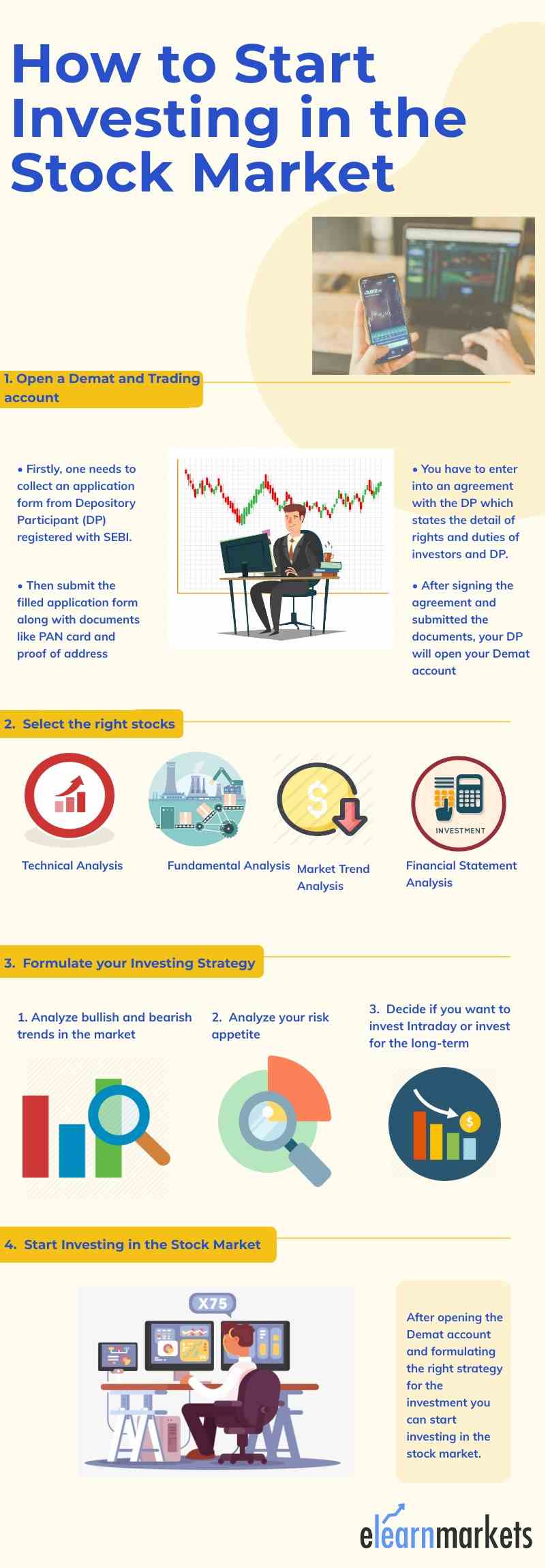
Before placing your first trade, it’s crucial to build a robust understanding of what the stock market is, how it functions, and the fundamental principles that govern it. This initial education will empower you to make informed decisions rather than speculative guesses.
Demystifying the Stock Market and Its Purpose
At its core, the stock market is a collection of exchanges where investors can buy and sell shares of publicly traded companies. When you buy a stock, you’re purchasing a small piece of ownership in that company. Companies issue stocks to raise capital, which they then use to fund operations, expand, or develop new products. For investors, the appeal lies in the potential for capital appreciation (the stock’s value increasing) and, in some cases, dividend payments (a share of the company’s profits). The market isn’t a monolithic entity but a dynamic ecosystem influenced by company performance, economic indicators, geopolitical events, and investor sentiment. Understanding this interplay is key to navigating its complexities.
Grasping Key Terminology and Concepts
The financial world has its own lexicon. Familiarizing yourself with essential terms will significantly enhance your comprehension and confidence.
- Stock/Share: A unit of ownership in a company.
- Dividend: A payment made by a company to its shareholders, usually from its profits.
- Brokerage Account: An investment account used to hold your investments (like stocks, bonds, ETFs) and facilitate trading.
- Market Order: An order to buy or sell a stock immediately at the best available price.
- Limit Order: An order to buy or sell a stock at a specified price or better.
- Volatility: The degree of variation of a trading price series over time. High volatility means higher risk, but potentially higher returns.
- Diversification: Spreading your investments across various assets, industries, and geographies to reduce risk.
- Bull Market: A market condition where prices are rising or are expected to rise.
- Bear Market: A market condition where prices are falling, encouraging selling.
- Index Fund/ETF: A type of fund designed to track the performance of a specific market index (e.g., S&P 500), offering broad market exposure and diversification.
Preparing for Investment: Financial Readiness and Strategy
Investing in the stock market should not be an impulsive decision. It requires careful financial planning and a strategic mindset to ensure your investments align with your broader financial health and long-term objectives.
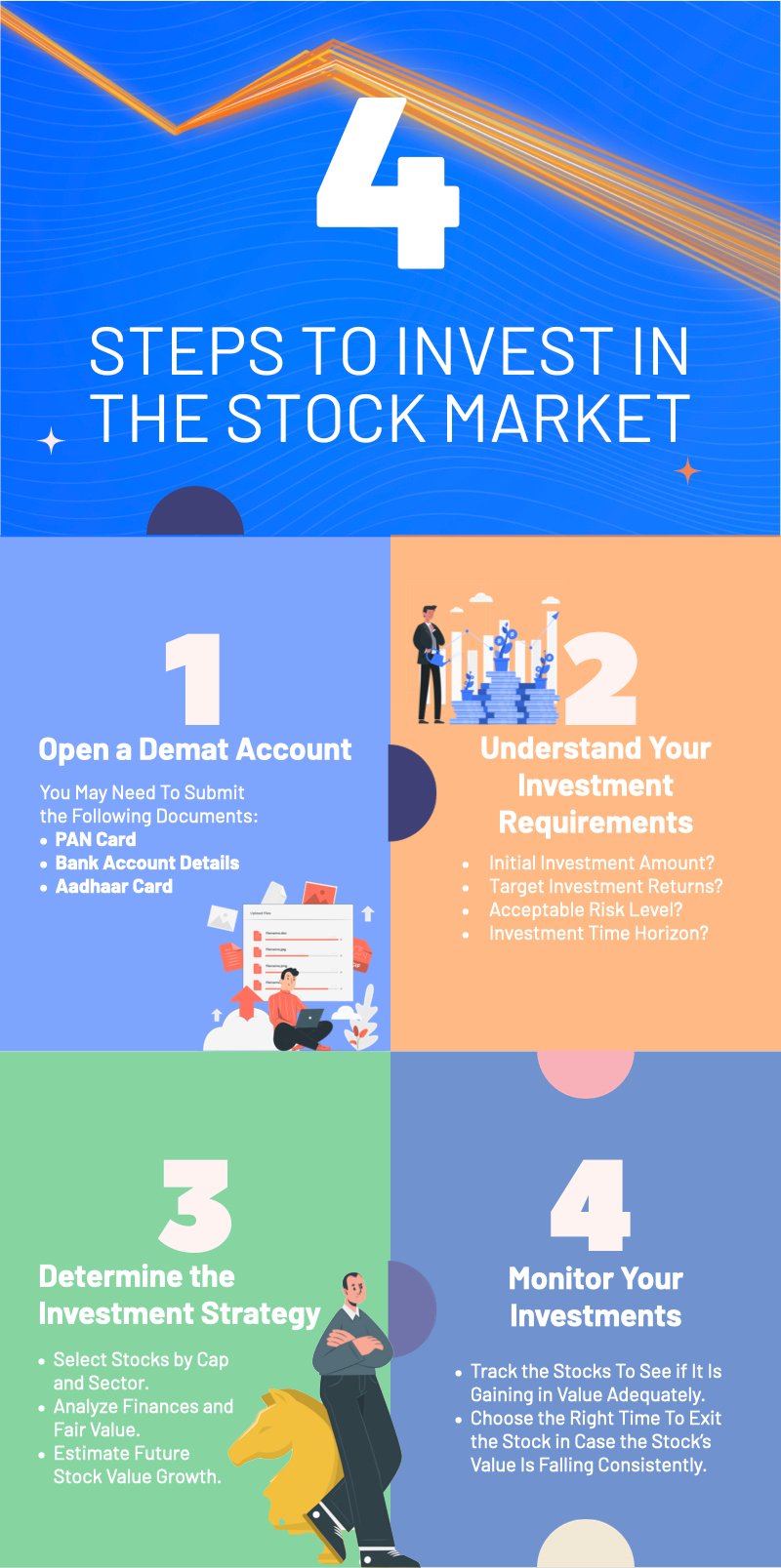
Solidifying Your Financial Foundation
Before allocating funds to the stock market, ensure your personal finances are in order. This crucial step prevents unforeseen expenses from derailing your investment plans or forcing you to sell assets at an inopportune time.
- Build an Emergency Fund: Aim to have 3 to 6 months’ worth of living expenses saved in an easily accessible, liquid account. This fund acts as a financial safety net for job loss, medical emergencies, or unexpected repairs, preventing you from needing to liquidate investments during market downturns.
- Eliminate High-Interest Debt: Prioritize paying off credit card debt or personal loans with high-interest rates. The guaranteed return from eliminating this debt often outweighs the potential, but uncertain, returns from stock market investments.
- Define Your Financial Goals: Clearly articulate what you hope to achieve with your investments. Are you saving for retirement, a down payment on a house, your child’s education, or simply long-term wealth growth? Your goals will influence your investment horizon, risk tolerance, and asset allocation strategy.
Assessing Your Risk Tolerance
Every investment carries a degree of risk. Understanding your personal risk tolerance—how much risk you’re comfortable taking for potential returns—is paramount. Are you comfortable with significant fluctuations in your portfolio’s value, or do you prefer a more stable, albeit potentially slower, growth path? Generally, younger investors with a longer time horizon can afford to take on more risk, as they have more time to recover from market downturns. Conversely, those nearing retirement may opt for a more conservative approach. Be honest with yourself about your comfort level with potential losses.
Choosing Your Investment Vehicle and Brokerage
With your financial foundation secure and goals defined, the next step involves selecting the right platform and approach for your stock market journey.
Self-Directed Investing vs. Managed Portfolios
You have two primary routes for managing your investments:
- Self-Directed Investing: This involves opening a brokerage account and personally selecting individual stocks, ETFs, mutual funds, or other securities. This option offers maximum control and potentially lower fees but requires significant time, research, and ongoing management from your end. It’s best suited for those willing to educate themselves continuously and actively manage their portfolio.
- Robo-Advisors: These are automated, algorithm-driven platforms that manage your investments based on your financial goals and risk tolerance. They typically offer diversified portfolios of low-cost ETFs and rebalance them automatically. Robo-advisors are an excellent option for beginners or those who prefer a hands-off approach, offering professional management at a fraction of the cost of traditional financial advisors.
Selecting the Right Brokerage Account
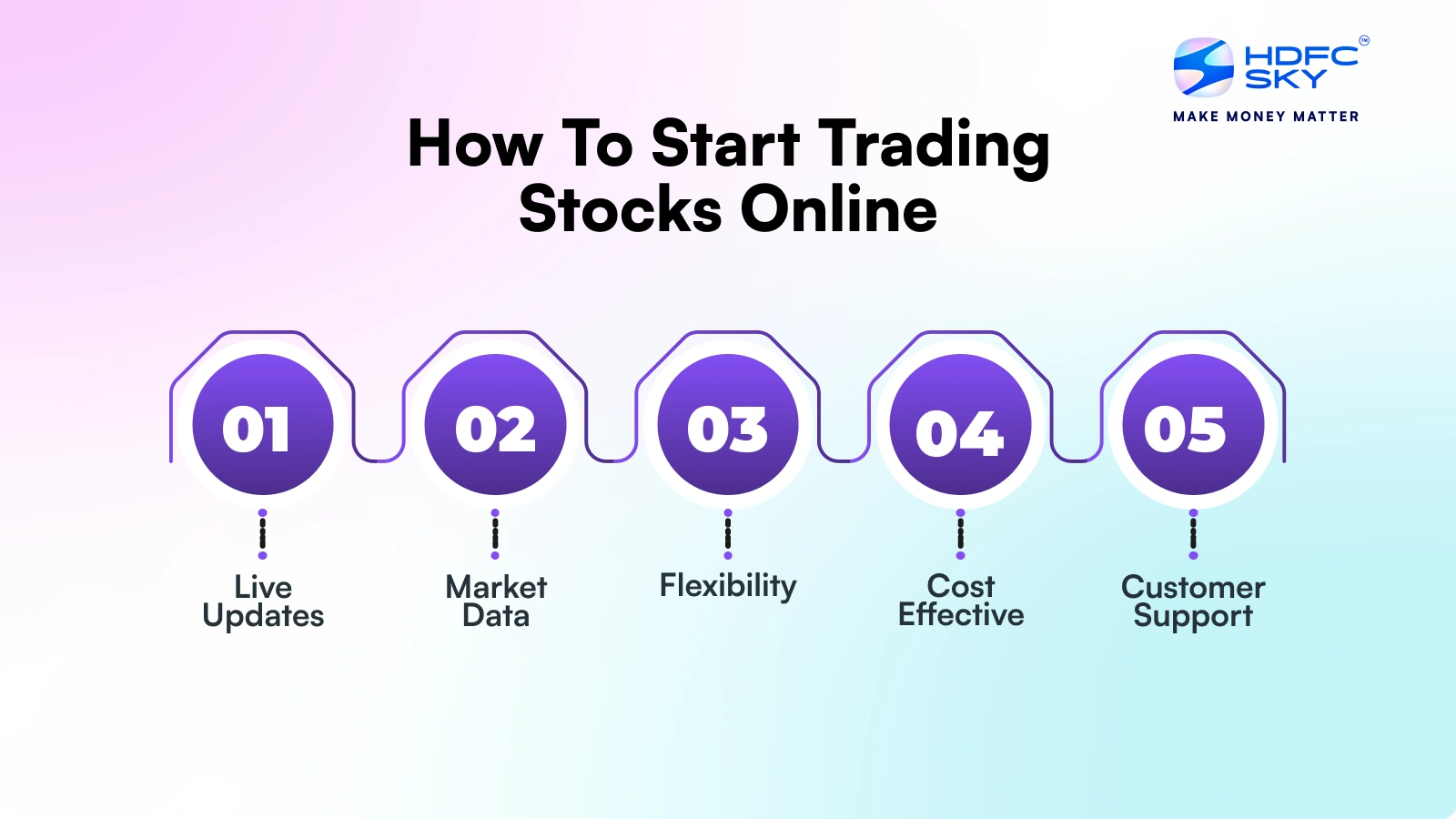
Your brokerage account is the gateway to the stock market. When choosing an online broker, consider several factors:
- Fees and Commissions: Look for brokers with low or zero commissions on stock and ETF trades. Be aware of other potential fees like account maintenance fees or transfer fees.
- Investment Options: Ensure the broker offers the types of investments you’re interested in (e.g., individual stocks, ETFs, mutual funds, options).
- Research and Educational Resources: Many brokers provide valuable tools, research reports, and educational content that can be incredibly helpful for beginners.
- User Interface and Mobile App: A user-friendly platform and a robust mobile app can make managing your investments much easier.
- Customer Service: Good customer support is crucial, especially when you’re starting out and may have questions or encounter issues.
- Account Minimums: Some brokers require a minimum deposit to open an account, though many now offer accounts with no minimums.
Diverse Avenues to Invest in the Stock Market
Once you have a brokerage account, you’ll need to decide what to invest in. A diversified approach is generally recommended to mitigate risk.
Individual Stocks
Investing in individual stocks means buying shares of a specific company. This strategy offers the potential for high returns if you pick successful companies, but also carries higher risk as your portfolio’s performance is tied to individual company fortunes. Thorough research into a company’s financials, management team, industry outlook, and competitive landscape is essential. This approach is best for those who enjoy in-depth research and have a high-risk tolerance.
Exchange-Traded Funds (ETFs) and Mutual Funds
For most beginners, ETFs and mutual funds offer a more accessible and diversified entry point into the stock market.
- ETFs: These are collections of stocks, bonds, or other assets that trade like individual stocks on an exchange. They often track a specific index (e.g., S&P 500 ETF, tech sector ETF), commodity, or industry. ETFs offer instant diversification, often have low expense ratios (annual fees), and provide flexibility in trading.
- Mutual Funds: Similar to ETFs, mutual funds pool money from multiple investors to invest in a diversified portfolio of securities. They are managed by professional fund managers. Mutual funds typically have higher expense ratios than ETFs and trade only once a day after the market closes.
Both ETFs and mutual funds allow you to gain exposure to a broad range of companies or an entire market sector with a single investment, significantly reducing the risk associated with individual stock picking. Index funds, a type of mutual fund or ETF, are particularly popular as they passively track a market index, aiming to replicate its performance with minimal fees.
Dividend Investing
Another strategy is to focus on dividend stocks. These are shares of companies that regularly distribute a portion of their earnings to shareholders as dividends. This can provide a steady stream of income and, over time, the dividends themselves can be reinvested to buy more shares, benefiting from the power of compounding. Dividend investing is often favored by investors seeking income or those with a long-term, more conservative growth strategy.
Long-Term Perspective and Continuous Learning
Successful stock market investing is rarely about quick gains. It’s a marathon, not a sprint, demanding patience, discipline, and a commitment to ongoing education.
Embrace a Long-Term Mindset
Market fluctuations are inevitable. There will be periods of growth (bull markets) and periods of decline (bear markets). Emotional reactions to these swings, such as panic selling during a downturn, are often detrimental to long-term returns. History shows that over extended periods, the stock market has consistently delivered positive returns, outweighing short-term volatility. Maintaining a long-term perspective allows your investments to weather temporary storms and benefit from the power of compounding.
Rebalance and Adapt Your Portfolio
As your investments grow and market conditions change, your portfolio’s asset allocation may drift from your original target. Periodically (e.g., once a year), rebalance your portfolio to bring it back in line with your desired risk tolerance and financial goals. This might involve selling some assets that have grown significantly and buying more of those that have lagged.
Commit to Continuous Learning
The stock market is constantly evolving. Staying informed about economic trends, geopolitical events, industry developments, and new investment strategies is crucial. Read reputable financial news, explore investment books, and utilize the educational resources provided by your brokerage. The more you learn, the better equipped you’ll be to make sound investment decisions and adapt your strategy as needed.
Starting your journey in the stock market is a significant step towards taking control of your financial future. By understanding the fundamentals, preparing diligently, choosing appropriate investment vehicles, and maintaining a disciplined, long-term approach, you can build a robust investment portfolio designed to help you achieve your wealth-building aspirations.
aViewFromTheCave is a participant in the Amazon Services LLC Associates Program, an affiliate advertising program designed to provide a means for sites to earn advertising fees by advertising and linking to Amazon.com. Amazon, the Amazon logo, AmazonSupply, and the AmazonSupply logo are trademarks of Amazon.com, Inc. or its affiliates. As an Amazon Associate we earn affiliate commissions from qualifying purchases.