
Investing in the stock market can be a powerful avenue for wealth creation, offering individuals the chance to grow their capital over time. However, for many newcomers, the world of stocks can seem daunting, shrouded in jargon and perceived complexity. The truth is, while there are inherent risks, understanding the fundamentals and adopting a disciplined approach can empower anyone to participate meaningfully. This comprehensive guide will demystify stock investing, providing a clear roadmap for how to invest your money wisely and strategically.
Understanding the Fundamentals of Stock Investing
Before diving into specific strategies, it’s crucial to grasp the basic concepts that underpin the stock market. A solid foundation will serve as your compass through the often-volatile financial landscape.
What Exactly is a Stock?
At its core, a stock (also known as equity) represents a fractional ownership interest in a company. When you buy a company’s stock, you become a shareholder, meaning you own a tiny piece of that business. As a shareholder, you may have certain rights, such as voting on corporate matters or receiving a portion of the company’s profits in the form of dividends. Companies issue stocks to raise capital for various purposes, such as expansion, research and development, or paying off debt. These stocks are then traded on exchanges like the New York Stock Exchange (NYSE) or NASDAQ.
Why Invest in Stocks? The Potential for Growth
Stocks have historically outperformed many other asset classes over the long term, offering significant potential for capital appreciation. There are primarily two ways investors make money from stocks:
- Capital Gains: This occurs when the price of the stock increases, and you sell it for more than you paid for it. The growth in stock price is often driven by the company’s performance, market demand, and overall economic conditions.
- Dividends: Some companies distribute a portion of their profits to shareholders in the form of regular payments, known as dividends. These are typically paid quarterly and can provide a steady stream of income, especially for long-term investors.
The allure of stocks lies in their ability to compound returns, meaning your earnings can generate further earnings, leading to exponential growth over extended periods.
Associated Risks: What You Need to Know
While the potential rewards are attractive, it’s imperative to acknowledge the risks involved. Stock prices can be volatile, fluctuating significantly in response to company news, industry trends, economic indicators, and geopolitical events.
- Market Risk: The overall stock market can decline, affecting even healthy companies.
- Company-Specific Risk: A particular company’s stock can perform poorly due to bad management, failed products, or increased competition.
- Liquidity Risk: In some cases, it might be difficult to sell a stock quickly without significantly impacting its price.
- Inflation Risk: The purchasing power of your investment returns can be eroded by inflation if returns don’t keep pace with rising prices.
Understanding these risks is not meant to deter you but to prepare you to make informed decisions and employ strategies to mitigate them.
Preparing for Your Investment Journey
Successful stock investing isn’t about blind luck; it’s about thoughtful preparation, clear goals, and continuous learning. Laying the groundwork properly can make a substantial difference in your long-term success.
Defining Your Financial Goals and Risk Tolerance
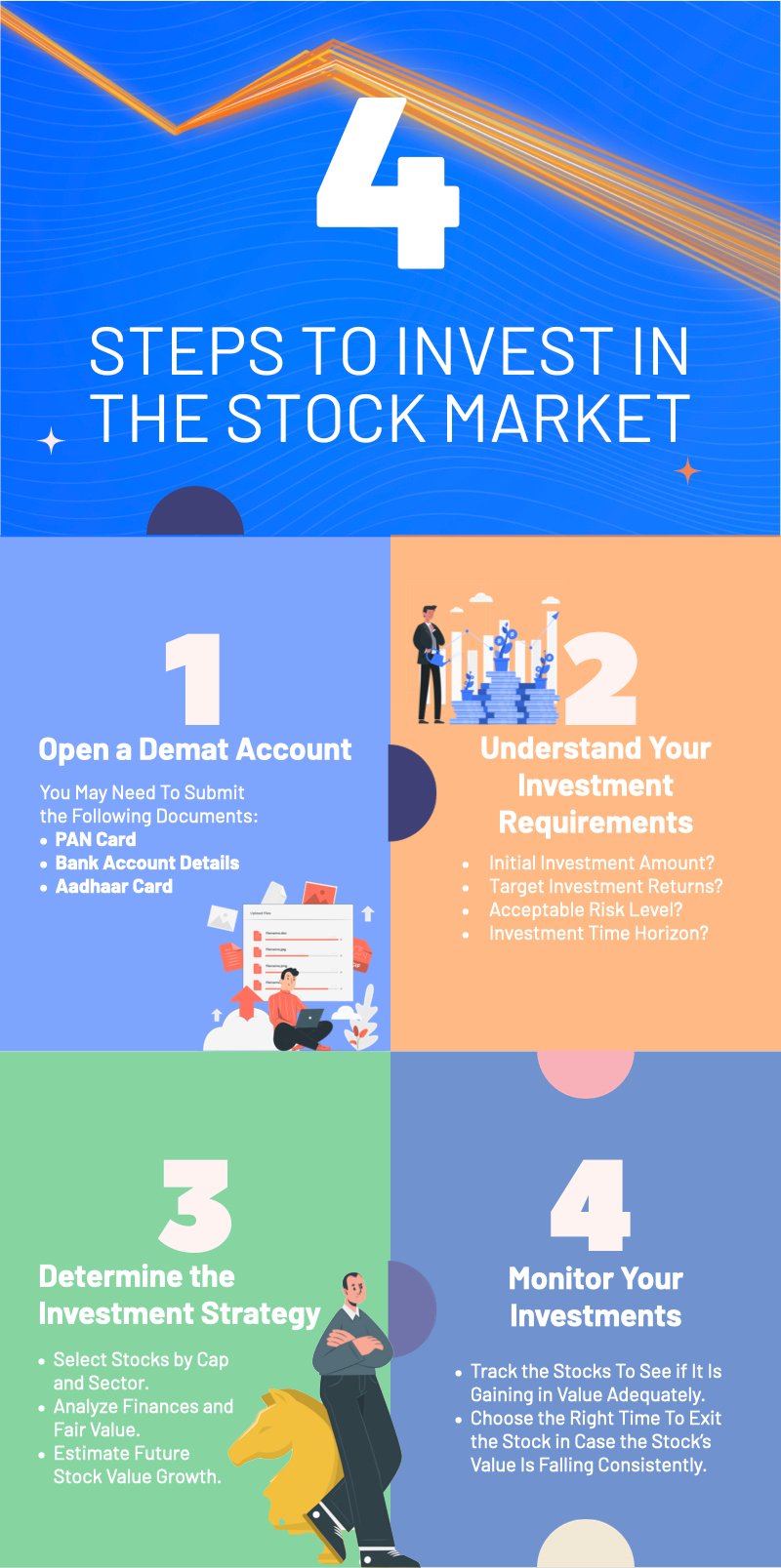
Before placing your first trade, ask yourself: What are you trying to achieve with this investment? Are you saving for retirement, a down payment on a house, your child’s education, or simply long-term wealth growth? Your goals will dictate your investment horizon (how long you plan to invest) and, consequently, the level of risk you should consider.
Equally important is understanding your risk tolerance. How comfortable are you with the possibility of your investment losing value? A conservative investor might prefer stable, dividend-paying stocks, while an aggressive investor might seek higher-growth, more volatile equities. Be honest with yourself; understanding your psychological comfort level with risk will prevent impulsive, fear-driven decisions during market downturns.
Building a Strong Financial Foundation
Investing in stocks should ideally come after you’ve established a robust personal financial foundation. This includes:
- An Emergency Fund: Aim for 3-6 months’ worth of living expenses saved in an easily accessible, liquid account. This prevents you from being forced to sell investments at a loss if an unexpected expense arises.
- Debt Management: High-interest debt (like credit card debt) can quickly erode investment returns. Prioritize paying these off before heavily investing. Low-interest debt (like a mortgage) might be manageable alongside investing.
- Budgeting: Having a clear understanding of your income and expenses allows you to identify disposable income that can be consistently allocated to investments.
Without this foundation, market fluctuations can lead to financial distress rather than just investment setbacks.
Essential Research and Due Diligence
Investing without research is akin to gambling. Thorough due diligence is paramount. This involves:
- Understanding the Company: Look into its business model, competitive advantages, management team, and industry position.
- Financial Health: Review financial statements (income statement, balance sheet, cash flow statement) to assess profitability, debt levels, and cash generation.
- Growth Prospects: Evaluate the company’s potential for future growth, market share expansion, and innovation.
- Valuation: While complex, understanding basic valuation metrics (like P/E ratio) can help you determine if a stock is reasonably priced relative to its earnings and growth potential.
Reliable sources for research include company investor relations websites, annual reports (10-K), quarterly reports (10-Q), financial news outlets, and reputable investment research platforms.
Choosing Your Investment Path
Once you’re prepared, the next step is to decide how you want to execute your investments. The landscape offers various avenues, from hands-on self-management to professional guidance.
Self-Directed Investing vs. Robo-Advisors vs. Financial Advisors
- Self-Directed Investing: This path is for those who want full control over their investments. You open a brokerage account and make all buying and selling decisions yourself. This requires significant time, effort, and continuous learning but offers the lowest management fees.
- Robo-Advisors: These automated platforms use algorithms to build and manage diversified portfolios based on your financial goals and risk tolerance. They offer a cost-effective, hands-off approach, often rebalancing your portfolio automatically. Examples include Betterment and Wealthfront.
- Financial Advisors: For those seeking personalized advice, comprehensive financial planning, and a human touch, a traditional financial advisor can be invaluable. They can help with everything from investment selection to retirement planning and estate planning. This option typically comes with higher fees, often a percentage of assets under management.
Your choice will depend on your comfort level, time commitment, and the complexity of your financial situation.
Different Investment Vehicles: Individual Stocks, ETFs, Mutual Funds
While the title focuses on “stocks,” it’s important to understand the different ways you can gain exposure to equities:

- Individual Stocks: Directly purchasing shares of specific companies. This offers the potential for high returns if you pick winners but also carries higher company-specific risk.
- Exchange-Traded Funds (ETFs): These are baskets of securities (like stocks, bonds, or commodities) that trade on exchanges like individual stocks. They offer instant diversification, often track specific indices (e.g., S&P 500 ETF), and generally have low expense ratios.
- Mutual Funds: Professionally managed portfolios of stocks, bonds, or other investments. They offer diversification and professional management but typically have higher expense ratios and are bought/sold at the end of the trading day based on their Net Asset Value (NAV).
ETFs and mutual funds are excellent choices for beginners as they provide immediate diversification, reducing the risk associated with individual stock picking.
Understanding Brokerage Accounts and Their Features
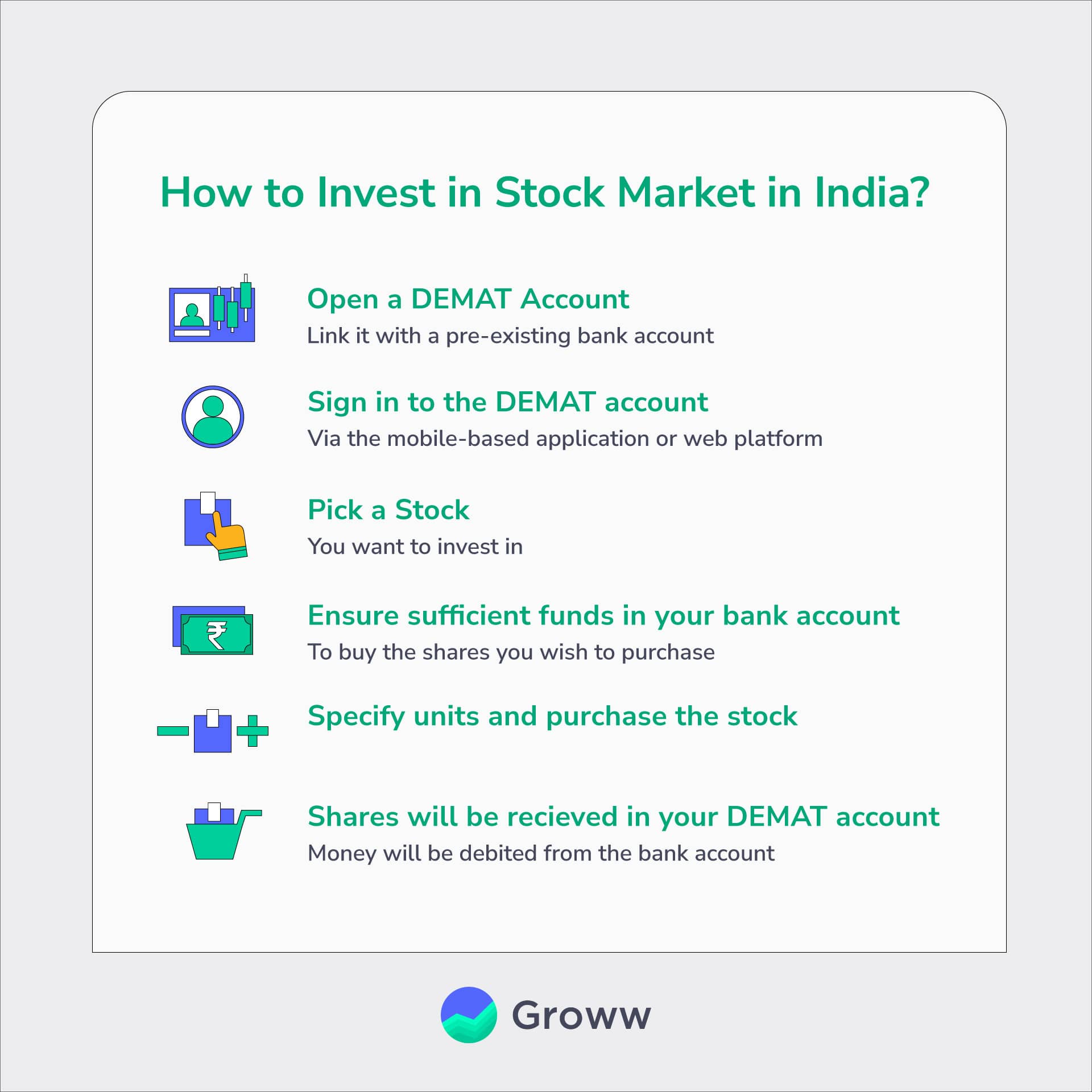
To invest in stocks, you’ll need to open an investment account with a brokerage firm. These firms provide the platform and services necessary to buy and sell securities. Key types of accounts include:
- Taxable Brokerage Accounts: Standard investment accounts where capital gains and dividends are subject to annual taxation.
- Retirement Accounts (e.g., IRA, 401(k)): These offer significant tax advantages (tax-deferred growth or tax-free withdrawals in retirement) and are crucial for long-term wealth building.
- Custodial Accounts (e.g., UGMA/UTMA): For investing on behalf of a minor.
When choosing a brokerage, consider factors like fees (trading commissions, account maintenance fees), available investment products, research tools, customer service, and ease of use. Many popular online brokerages today offer commission-free trading for stocks and ETFs.
Strategies for Successful Stock Investing
Once your account is set up and funded, it’s time to implement strategies that align with your goals and risk tolerance. Consistency and discipline are key.
Long-Term Growth vs. Short-Term Trading
- Long-Term Growth (Investing): This strategy involves buying quality stocks or funds and holding them for many years (often decades) to benefit from compounding returns and growth over time. It requires patience and a belief in the long-term potential of the market. This is generally recommended for most individual investors.
- Short-Term Trading: This involves buying and selling stocks frequently, sometimes within the same day (day trading) or week (swing trading), to profit from small price fluctuations. It is highly speculative, requires significant time commitment, advanced knowledge, and carries substantial risk. It is generally not recommended for beginners.
For the vast majority of investors, a long-term approach focused on growth and compounding is the most sustainable and successful path.
Diversification: Spreading Your Risk
Diversification is the golden rule of investing. It means spreading your investments across various asset classes, industries, geographic regions, and company sizes to reduce risk. If one investment performs poorly, others might perform well, offsetting the losses.
- Within Stocks: Don’t put all your money into one company. Invest across different sectors (tech, healthcare, finance, consumer goods), market capitalizations (small-cap, mid-cap, large-cap), and even countries.
- Across Asset Classes: While this article focuses on stocks, a truly diversified portfolio might also include bonds, real estate, or other alternative investments, which can behave differently from stocks during various economic cycles.
ETFs and mutual funds are excellent tools for achieving instant diversification with minimal effort.
Dollar-Cost Averaging: A Disciplined Approach
Dollar-cost averaging (DCA) is a simple yet powerful strategy where you invest a fixed amount of money at regular intervals (e.g., $100 every month), regardless of the stock’s price.
- How it Works: When prices are high, your fixed amount buys fewer shares. When prices are low, it buys more shares. Over time, this averages out your purchase price, reducing the impact of market volatility and the risk of buying all your shares at an unfavorable peak.
- Benefits: DCA removes emotion from investing, encourages consistent saving, and is particularly effective for long-term investors building wealth steadily.
Rebalancing Your Portfolio
Over time, your portfolio’s asset allocation can drift from its original target due to varying investment performance. Rebalancing involves adjusting your portfolio back to your desired asset allocation.
- Example: If your target is 70% stocks and 30% bonds, but a strong stock market pushes your allocation to 80% stocks, rebalancing would involve selling some stocks and buying bonds to get back to 70/30.
- Frequency: Rebalancing can be done annually, semi-annually, or when a certain percentage deviation occurs. It helps you maintain your desired risk level and ensures you’re not over-exposed to an asset class that has performed exceptionally well.
Navigating Common Pitfalls and Staying Informed
The path to successful stock investing isn’t always smooth. Being aware of common behavioral biases and committing to continuous learning will enhance your chances of success.
Avoiding Emotional Investing
One of the biggest enemies of successful investing is emotion. Fear and greed often lead investors to make poor decisions:
- Fear: Selling good investments during a market downturn, locking in losses, and missing out on the subsequent recovery.
- Greed: Chasing hot stocks, buying at inflated prices, or taking excessive risks based on hype.
Stick to your investment plan, avoid checking your portfolio daily, and remember that market corrections are a normal part of the investing cycle. Adopt a long-term perspective and cultivate patience.
The Importance of Continuous Learning
The financial world is dynamic. Companies evolve, industries shift, and economic conditions change. Successful investors are lifelong learners.
- Stay Informed: Read financial news from reputable sources, follow market trends, and understand global economic indicators.
- Expand Your Knowledge: Learn about different investment strategies, valuation methods, and financial products.
- Review Your Holdings: Periodically review the performance and fundamentals of the companies or funds you own to ensure they still align with your investment thesis.
When to Seek Professional Guidance
While self-directed investing is empowering, there are times when professional guidance is beneficial:
- Complex Financial Situations: If you have significant assets, multiple income streams, or complex tax implications, a financial advisor can provide tailored strategies.
- Lack of Time or Interest: If you don’t have the time, interest, or confidence to manage your investments effectively, outsourcing to a robo-advisor or human advisor can be a wise choice.
- Major Life Events: Marriage, childbirth, career changes, or retirement planning often warrant a review of your financial strategy with a professional.
Investing in stocks offers an accessible and powerful way to build wealth over time. By understanding the basics, preparing diligently, choosing appropriate investment vehicles, and adopting disciplined strategies, you can confidently navigate the stock market and work towards achieving your financial aspirations. Remember, consistency, patience, and a long-term perspective are your most valuable assets in this journey.
aViewFromTheCave is a participant in the Amazon Services LLC Associates Program, an affiliate advertising program designed to provide a means for sites to earn advertising fees by advertising and linking to Amazon.com. Amazon, the Amazon logo, AmazonSupply, and the AmazonSupply logo are trademarks of Amazon.com, Inc. or its affiliates. As an Amazon Associate we earn affiliate commissions from qualifying purchases.