
The question of “what is the most profitable company in the world” is one that captivates investors, economists, and business enthusiasts alike. It speaks to the pinnacle of financial success, representing a blend of market dominance, operational efficiency, and strategic foresight. However, identifying a single, definitive answer is far more complex than a quick Google search might suggest. Profitability is a multifaceted concept, influenced by various metrics, market dynamics, and the inherent differences between public and private entities. Delving into this question requires a nuanced understanding of business finance, market structures, and the very definition of “profit” itself.
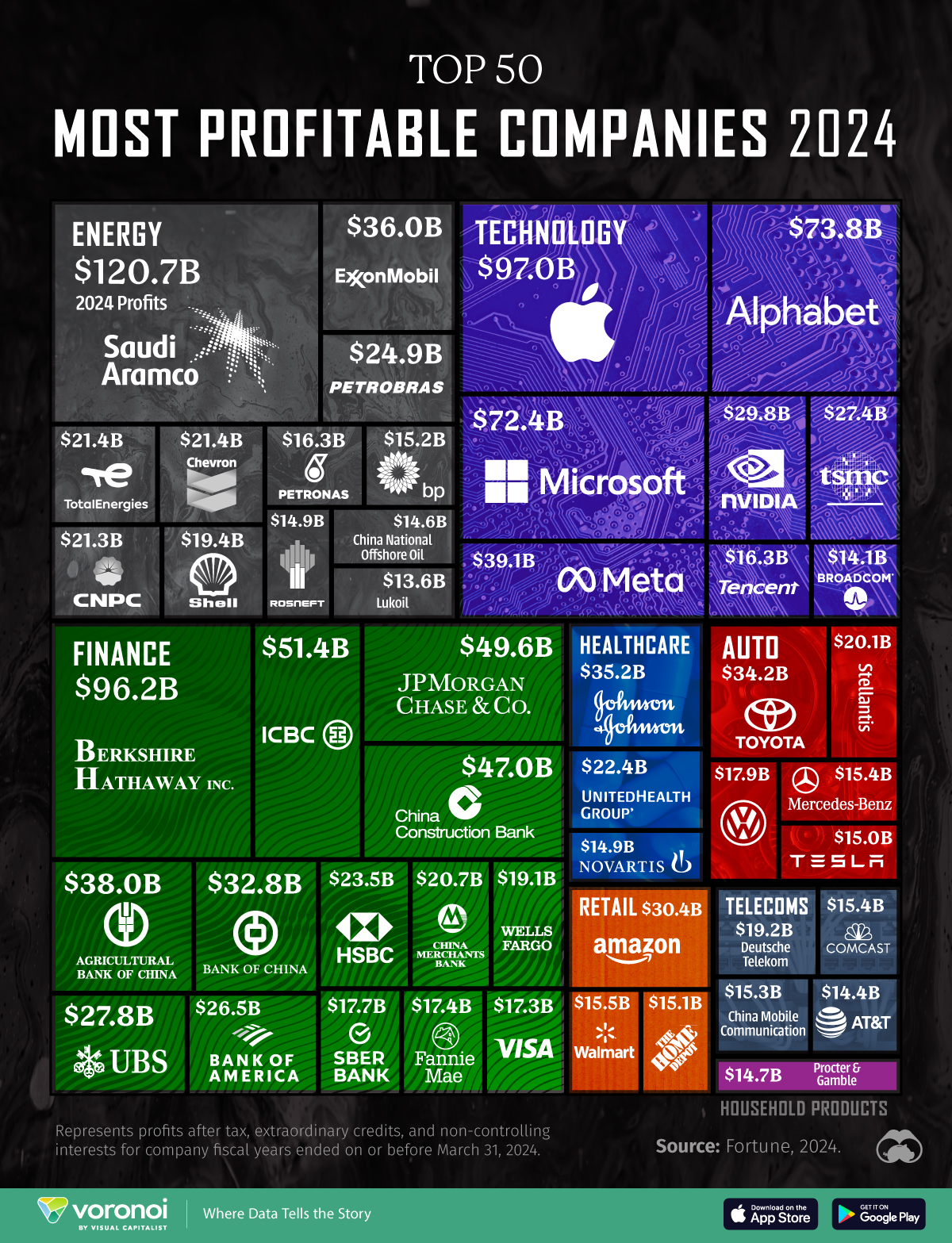
The Elusive Crown: Defining “Most Profitable”
Pinpointing the single “most profitable company” is a dynamic and often contentious exercise. The title can shift year by year, even quarter by quarter, and is heavily influenced by how one chooses to measure profitability. The quest for this elusive crown often leads to a deeper exploration of financial statements and market analysis.
Navigating Different Profit Metrics
When we talk about profitability, we’re not always talking about the same thing. Several key metrics are used, and each tells a slightly different story:
- Net Profit (or Net Income): This is perhaps the most straightforward measure, representing the money a company has left after all expenses, taxes, and interest payments have been deducted from revenue. It’s often reported as “bottom line” profit.
- Operating Profit (EBIT – Earnings Before Interest & Taxes): This metric reflects a company’s profitability from its core operations, excluding the impact of financing costs and taxes. It’s a good indicator of operational efficiency.
- Gross Profit: This is revenue minus the cost of goods sold. It shows how efficiently a company produces its goods or services.
- Profit Margin (Net Profit Margin, Operating Profit Margin): These are percentage figures that express profit relative to revenue (e.g., Net Profit / Revenue). A higher margin indicates greater efficiency in converting sales into profit.
- Earnings Per Share (EPS): Relevant for public companies, this measures how much profit is allocated to each outstanding share of common stock.
- Return on Assets (ROA) or Return on Equity (ROE): These metrics evaluate how effectively a company is using its assets or shareholder equity to generate profits.
A company might have the highest net profit but a lower profit margin than another, suggesting it operates on a larger scale with thinner margins. Conversely, a niche luxury brand might have incredibly high profit margins but a smaller absolute net profit. For the purpose of “most profitable,” the discussion usually gravitates towards companies with the highest absolute net profit in a given period, often reported annually.
Public vs. Private Companies: A Transparency Challenge
Another significant hurdle in identifying the world’s most profitable company is the distinction between public and private entities. Publicly traded companies are legally required to disclose their financial results, including detailed profit figures, multiple times a year. This transparency allows for direct comparisons and analysis.
Private companies, on the other hand, have no such obligation. While some large private companies might release select figures, their full financial picture often remains confidential. This means that highly profitable private enterprises, no matter how immense their earnings, might never officially claim the top spot because their true profitability is not publicly verifiable. Often, companies like Mars Inc., Cargill, or even large private equity firms might have staggering profits that largely remain out of public view.
The Dynamic Nature of Profitability
The global economic landscape is in constant flux, leading to a dynamic shift in profitability rankings. Geopolitical events, technological advancements, consumer trends, regulatory changes, and commodity price fluctuations can dramatically impact a company’s financial performance year over year. What was true last year might not be true this year. For instance, an energy company’s profits can soar during periods of high oil prices, only to recede when prices drop. Similarly, a tech company might experience exponential growth with a groundbreaking product launch, followed by stabilization or even decline as competition intensifies. This fluid environment makes the “most profitable” title a moving target rather than a fixed designation.
Giants of Industry: Sectors That Dominate Profitability
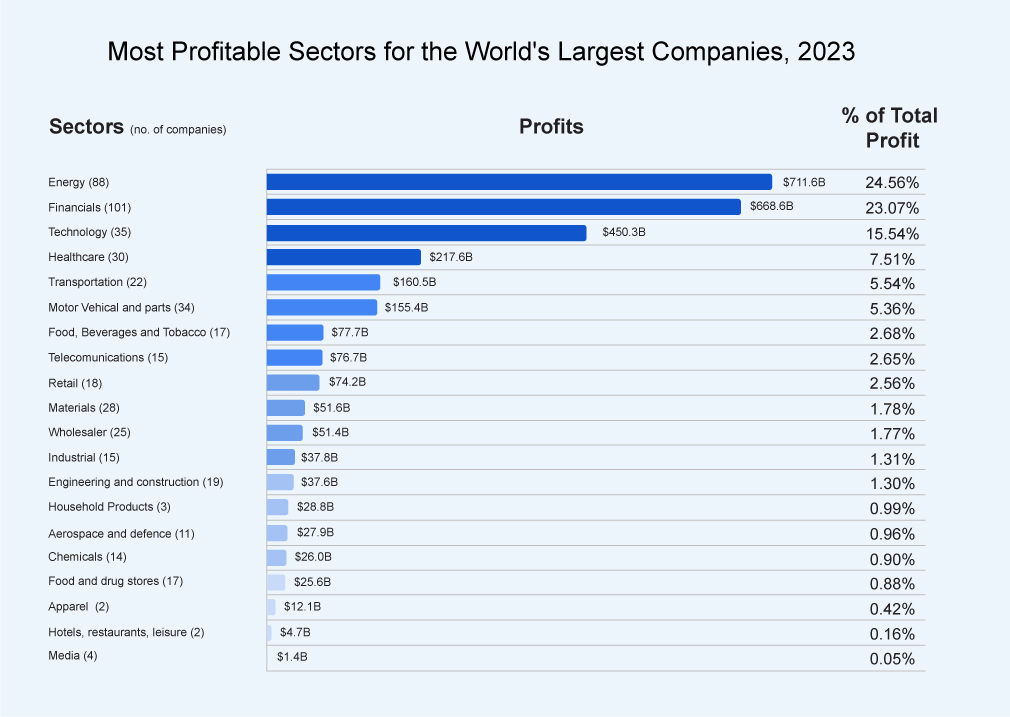
While the specific company holding the title may change, certain sectors consistently produce companies that rank among the most profitable globally. These industries often benefit from high barriers to entry, inelastic demand, strong pricing power, or innovative business models that yield exceptional margins.
The Enduring Power of Energy
For decades, the energy sector, particularly oil and gas, has been a bedrock of immense profitability. Companies in this space often control vast natural resources, operate extensive infrastructure, and benefit from global demand for fossil fuels. When commodity prices are high, their revenues and profits can skyrocket. Saudi Aramco, the state-owned oil and gas company of Saudi Arabia, frequently vies for the top spot in absolute net profit. Its unparalleled access to vast, low-cost oil reserves and its role as a key global supplier give it an enormous advantage. Other major energy players like ExxonMobil and Chevron also consistently rank high during favorable market conditions.
Technology’s Unstoppable Margins
The digital revolution has propelled technology companies to unprecedented levels of profitability. This sector benefits from network effects, high scalability, and the creation of intellectual property that can be replicated at minimal cost. Companies like Apple, Microsoft, and Alphabet (Google’s parent company) leverage vast ecosystems, strong brand loyalty, and recurring revenue models (subscriptions, cloud services, advertising) to generate astronomical profits. Apple, for instance, commands premium pricing for its hardware and generates substantial revenue from its services division. Microsoft has transitioned effectively to cloud computing (Azure) alongside its dominant software offerings (Windows, Office), creating diversified and robust income streams.
Financial Services and Investment Conglomerates
The financial sector, encompassing banking, insurance, and asset management, is another perennial source of highly profitable companies. These entities profit from interest rate differentials, transaction fees, investment gains, and risk management. Large diversified financial institutions like JP Morgan Chase, Bank of America, and Berkshire Hathaway (a conglomerate with significant insurance and investment holdings) demonstrate the power of capital allocation and diversified revenue streams. Berkshire Hathaway, under Warren Buffett’s leadership, exemplifies long-term value investing, generating immense profits through its vast portfolio of publicly traded stocks and wholly owned businesses.
Pharmaceuticals and Consumer Staples: Stable and Lucrative
The pharmaceutical industry benefits from high barriers to entry due to extensive research and development costs, stringent regulatory approval processes, and patent protections. Once a drug is approved, companies can charge premium prices, leading to significant profit margins, especially for blockbuster medications. Companies like Pfizer, Johnson & Johnson, and Roche often report substantial profits. Similarly, consumer staples companies, which produce essential goods like food, beverages, and household products, often enjoy stable demand regardless of economic cycles. Their brand recognition, distribution networks, and ability to pass on costs can lead to consistent, albeit perhaps not explosive, profitability. Examples include Nestlé and Procter & Gamble.
Deconstructing Profitability: What Drives Unrivaled Success?
Beyond belonging to a lucrative sector, the most profitable companies share common strategic advantages and operational excellences that fuel their extraordinary financial performance.
Market Dominance and Pricing Power
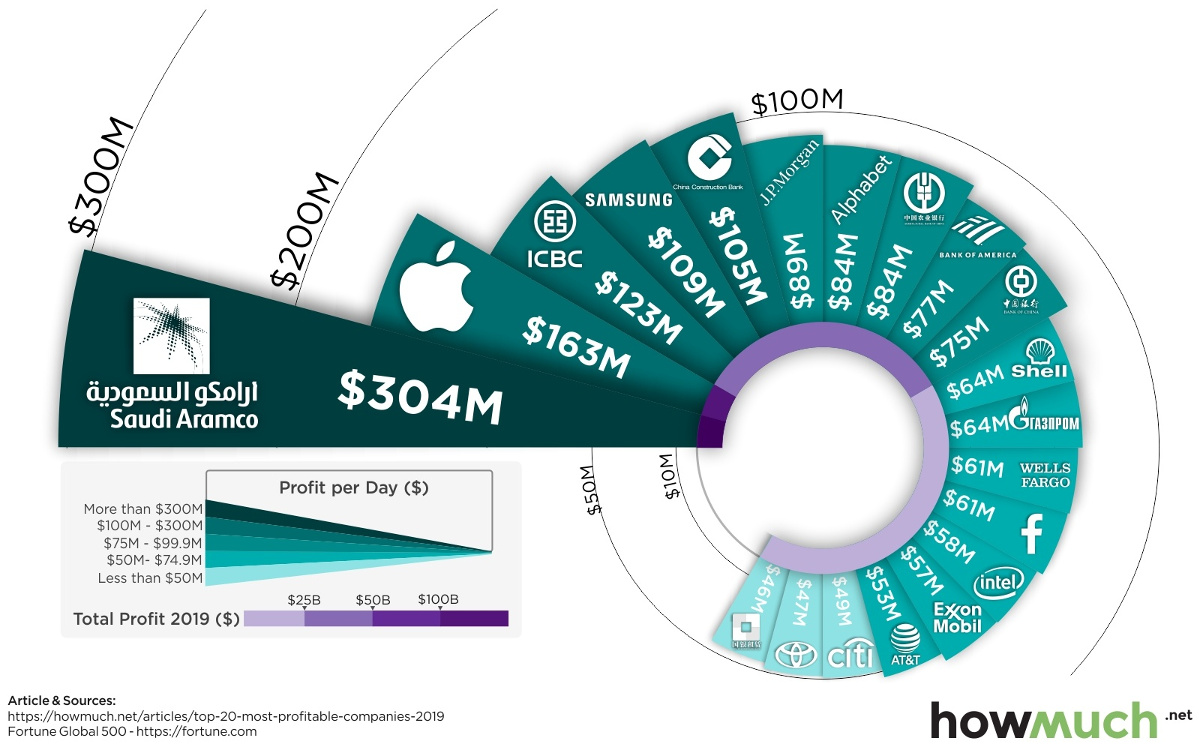
The ability to dominate a market segment gives companies significant pricing power. When customers have limited alternatives or perceive a brand as uniquely superior, they are willing to pay a premium. This translates directly into higher revenues and, consequently, higher profits. Companies like Apple benefit from immense brand loyalty and a perception of premium quality, allowing them to maintain higher margins on their products compared to competitors. Google’s near-monopoly in search advertising gives it unparalleled leverage in the digital advertising market.
Operational Efficiency and Cost Management
Exemplary operational efficiency is crucial for maximizing profits. This involves streamlining processes, optimizing supply chains, controlling overheads, and leveraging economies of scale. Companies that can produce goods or services at a lower cost than their competitors, or manage their expenses more effectively, will naturally retain a larger portion of their revenue as profit. Walmart, while often known for its thin margins, achieves massive absolute profits through its unparalleled supply chain efficiency and scale. Saudi Aramco benefits from having some of the lowest oil extraction costs in the world, giving it a significant cost advantage.
Innovation and Intellectual Property
Many of the world’s most profitable companies are pioneers in innovation. By developing proprietary technologies, unique products, or disruptive business models, they create new markets or redefine existing ones. Patents, copyrights, and trade secrets provide a legal moat, protecting their innovations from immediate competition and allowing them to reap the financial rewards for extended periods. Pharmaceutical companies rely heavily on patent protection for their drugs, while tech giants like Microsoft and Apple continuously invest in R&D to maintain their technological edge and introduce next-generation products.
Global Scale and Diversification
Operating on a global scale allows companies to tap into diverse markets, mitigate regional economic downturns, and achieve economies of scale that might not be possible domestically. Expanding internationally broadens the customer base and diversifies revenue streams. Furthermore, diversification across multiple product lines or business units can stabilize profits. For example, a company with both hardware and software divisions, or an energy company with upstream, midstream, and downstream operations, can weather fluctuations in specific market segments more effectively. This strategic spread helps to cushion against volatility and ensures a more consistent profit trajectory.
A Closer Look at Top Contenders
While the definitive answer to “the most profitable company” remains fluid, certain entities consistently appear at the very top of the list when measured by absolute net profit.
Saudi Aramco: The Oil Behemoth
Based on various financial reports and its public disclosures, Saudi Aramco frequently claims the title of the world’s most profitable company. In periods of strong oil prices, its net profits can comfortably exceed $100 billion annually, dwarfing many other global giants. Its unparalleled access to vast, easily extractable oil reserves (the world’s second-largest proven crude oil reserves) translates into extremely low production costs. Coupled with its massive production capacity and global distribution network, Aramco’s profitability is fundamentally tied to its unique position as a state-backed oil monopoly. Its sheer scale and the critical nature of its product to the global economy underpin its financial might.
Apple Inc.: A Master of Ecosystem and Brand Premium
In the tech sector, Apple Inc. is a perennial contender for the top spot. While its absolute net profit might fluctuate, it consistently generates tens of billions of dollars annually, often nearing or exceeding $100 billion in a strong year. Apple’s success stems from its integrated ecosystem of hardware (iPhones, Macs, iPads, Apple Watch), software (iOS, macOS), and services (App Store, Apple Music, iCloud). This ecosystem creates a sticky customer base, while its powerful brand allows it to charge premium prices for its products, leading to exceptionally high gross margins. Furthermore, the growth of its services division provides a recurring and high-margin revenue stream, further solidifying its financial position.
Microsoft: Enterprise Dominance and Cloud Computing
Microsoft has undergone a remarkable transformation, shedding its reliance on Windows to become a diversified tech powerhouse, particularly in cloud computing. Its Azure cloud platform is a significant growth engine, competing directly with Amazon Web Services. Combined with its enduring strength in enterprise software (Office 365, Dynamics 365) and gaming (Xbox), Microsoft regularly reports net profits in the tens of billions of dollars, often placing it firmly among the top three globally. Its ability to adapt, innovate, and provide essential services across consumer and enterprise markets has ensured its continued profitability.
Other Key Players and Their Strategies
While Saudi Aramco, Apple, and Microsoft often lead in terms of sheer net profit, other companies display remarkable profitability through different strategies:
- Berkshire Hathaway: Not just an investment firm, but a conglomerate owning diverse businesses like GEICO insurance, BNSF Railway, and various manufacturing and retail operations. Its profits are derived from both the performance of its wholly-owned subsidiaries and its massive investment portfolio.
- Alphabet (Google): Its dominance in online advertising, powered by its search engine and YouTube, generates immense cash flow and profits. Its foray into cloud computing and other ventures further diversifies its income.
- JP Morgan Chase: A leader in financial services, its profitability comes from its vast array of banking, investment, and asset management operations, benefiting from global reach and diversified revenue streams across consumer and corporate clients.
Beyond the Top Spot: Lessons for Business and Investment
While identifying the single “most profitable company” is an interesting exercise, the deeper value lies in understanding why these companies are so successful and what lessons can be gleaned for investors and aspiring business leaders.
Identifying Enduring Value
The consistent presence of companies from specific sectors (energy, tech, finance) suggests that certain underlying economic forces and business models are inherently more conducive to sustained, high profitability. For investors, this means looking beyond fleeting trends to companies with strong competitive advantages, robust balance sheets, and proven track records of adapting to market changes. It’s about identifying companies that can generate substantial free cash flow and deploy it effectively.
Risk Management and Long-Term Vision
The most profitable companies are rarely those that chase short-term fads. Instead, they demonstrate a long-term vision, invest heavily in research and development, and implement robust risk management strategies. They build strong brands, cultivate customer loyalty, and often create entire ecosystems around their products or services. This resilience allows them to navigate economic downturns and emerge stronger.
The Investor’s Perspective
For investors, the question of “most profitable” is often a starting point, not an endpoint. A company with high absolute profits might already be fully valued, or its future growth prospects might be limited. A more holistic view involves considering profitability alongside metrics like market capitalization, growth rates, valuation multiples (P/E ratio), and dividend policies. Investing in a company isn’t just about its current profit; it’s about its potential for future earnings growth and the return on that investment. Ultimately, understanding the drivers of unparalleled profitability provides invaluable insights into the enduring principles of successful business and intelligent investing.
aViewFromTheCave is a participant in the Amazon Services LLC Associates Program, an affiliate advertising program designed to provide a means for sites to earn advertising fees by advertising and linking to Amazon.com. Amazon, the Amazon logo, AmazonSupply, and the AmazonSupply logo are trademarks of Amazon.com, Inc. or its affiliates. As an Amazon Associate we earn affiliate commissions from qualifying purchases.