
In the dynamic world of commerce, businesses, regardless of their size or stage, often encounter opportunities for growth, unforeseen challenges, or simply the need to manage day-to-day operations effectively. These situations frequently necessitate an influx of capital that goes beyond current operational cash flow. This is where a business loan steps in, acting as a crucial financial instrument that empowers enterprises to bridge funding gaps, seize new ventures, and sustain their journey. Understanding what a business loan entails, its various forms, and how to navigate the lending landscape is fundamental for any entrepreneur or business leader.
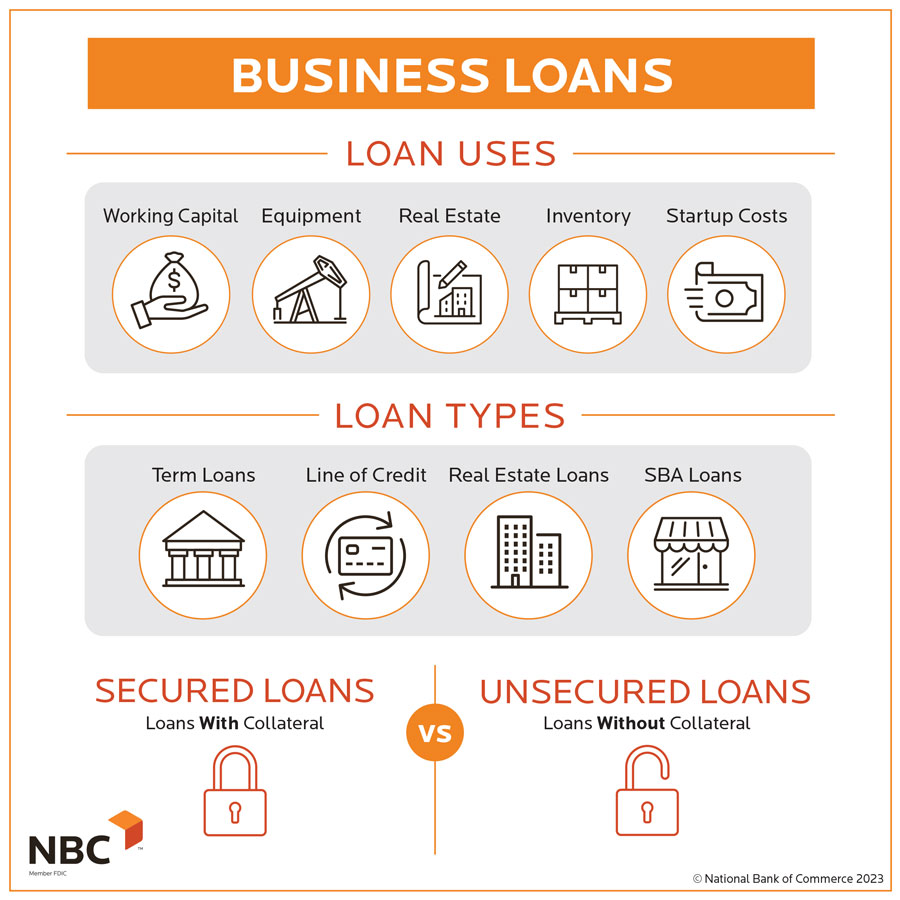
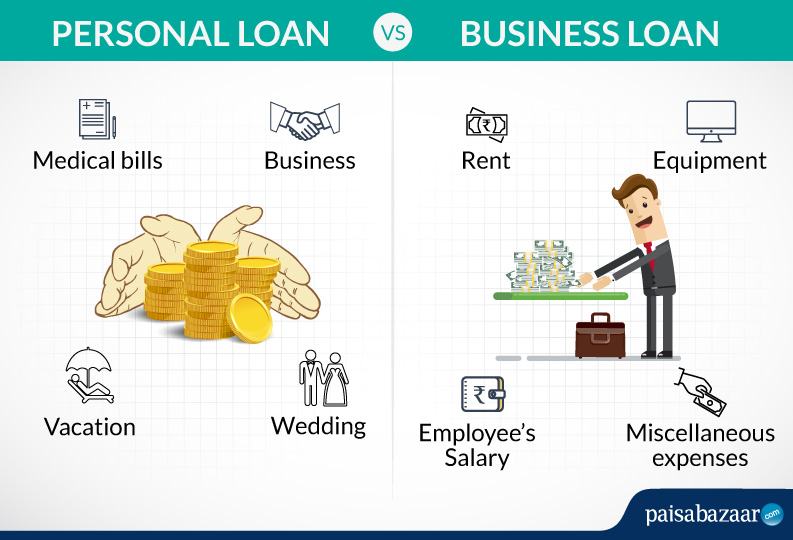
At its core, a business loan is a sum of money provided by a lender to a business, which the business then agrees to repay over a specified period, typically with interest and fees. Unlike personal loans, which are often secured against personal assets or credit scores for individual use, business loans are tailored to meet commercial objectives and are evaluated based on the business’s financial health, operational history, and future prospects. They are a cornerstone of modern finance, enabling innovation, expansion, and resilience across virtually every industry.
Understanding the Essence of Business Loans
Before diving into the intricate details, it’s vital to grasp the foundational principles that define business loans and their role in the financial ecosystem. These aren’t just arbitrary sums of money; they are strategic financial tools designed to achieve specific commercial outcomes.
Defining Business Loans
A business loan can be broadly defined as a debt instrument taken out by a company from a financial institution, such as a bank, credit union, or alternative lender. The primary purpose of this borrowed capital is to finance specific business activities, including but not limited to, starting a new venture, expanding current operations, purchasing equipment, managing inventory, hiring staff, or covering working capital needs. The borrower (the business) agrees to repay the principal amount along with an agreed-upon interest rate and possibly other fees, according to a predetermined schedule. This repayment obligation makes it a liability on the company’s balance sheet, but a valuable asset in terms of its potential to generate future revenue or operational efficiency.
Why Businesses Need Loans
The reasons businesses seek external financing are diverse and often critical to their survival and growth. Without access to capital, many promising ideas would never materialize, and established businesses would struggle to adapt to market changes or capitalize on opportunities. Some of the most common reasons include:
- Startup Capital: New businesses often require significant initial investment to cover incorporation costs, equipment purchases, initial inventory, and marketing efforts before they generate sufficient revenue.
- Expansion and Growth: Existing businesses might need funds to open new locations, launch new product lines, enter new markets, or scale up production to meet increased demand.
- Working Capital: To cover day-to-day operational expenses like payroll, rent, utilities, and inventory purchases during periods of fluctuating cash flow or slow seasons.
- Equipment Purchase: Acquiring new machinery, vehicles, or technology can be a substantial upfront cost that improves efficiency, productivity, and competitive advantage.
- Inventory Management: Businesses often need loans to purchase large quantities of inventory, especially for seasonal businesses or those with long production cycles.
- Debt Refinancing: Consolidating existing high-interest debts into a single, lower-interest loan can improve cash flow and reduce overall financial burden.
- Crisis Management: Unexpected events, economic downturns, or natural disasters can disrupt operations and necessitate emergency funding to keep the business afloat.
Key Characteristics of Business Loans
While specific terms vary widely, most business loans share common characteristics that differentiate them from other forms of financing:
- Purpose-Driven: Unlike personal loans for discretionary spending, business loans are tied to specific commercial objectives.
- Repayment Structure: Loans typically come with a fixed or variable interest rate and a structured repayment schedule (monthly, quarterly), over a defined term.
- Collateral: Many business loans, especially larger ones, require collateral (assets like real estate, equipment, or accounts receivable) to secure the loan, reducing risk for the lender. Unsecured loans are also available, often based on strong creditworthiness.
- Underwriting Process: Lenders meticulously evaluate the business’s credit history, financial statements, business plan, industry outlook, and management team to assess risk and determine loan eligibility.
- Interest and Fees: Beyond the principal, borrowers incur interest charges and potentially other fees such as origination fees, application fees, or prepayment penalties.
Types of Business Loans: Navigating Your Options
The lending landscape offers a diverse array of business loan products, each designed to meet specific needs and suitable for different types of businesses. Choosing the right type is crucial for financial success.
Traditional Term Loans
Perhaps the most straightforward type, a term loan provides a lump sum of money upfront, which is then repaid over a fixed period (the “term”) with regular, predetermined payments, typically monthly. These loans can be short-term (1-3 years), medium-term (3-5 years), or long-term (5-25 years, often for real estate). They are ideal for significant, one-time investments like large equipment purchases or major expansions. Term loans can be secured (requiring collateral) or unsecured (based on creditworthiness alone).
Lines of Credit
Unlike a term loan’s single lump sum, a business line of credit offers flexible access to funds up to a maximum limit. Businesses can draw upon the line of credit as needed, repay the amount, and then draw again, similar to a credit card. Interest is only paid on the amount borrowed. This flexibility makes lines of credit excellent for managing working capital, covering short-term cash flow gaps, or funding unexpected expenses. They are revolving and can be renewed once the term ends.
SBA Loans
Backed by the U.S. Small Business Administration (SBA), these loans are government-guaranteed, making it less risky for lenders to provide financing to small businesses that might not qualify for traditional loans. SBA loans come with competitive interest rates, longer repayment terms, and lower down payments. Popular programs include the SBA 7(a) Loan (general purpose), SBA 504 Loan (for real estate and equipment), and SBA Express Loans (faster approval for smaller amounts).
Equipment Financing
Specifically designed to help businesses purchase new or used equipment, this type of loan uses the purchased equipment itself as collateral. This can make it easier for businesses to qualify, as the lender has a tangible asset to recover if the borrower defaults. Repayment terms often align with the expected lifespan of the equipment.
Invoice Factoring/Financing
Also known as accounts receivable financing, this option allows businesses to get immediate cash for their outstanding invoices. In factoring, the business sells its invoices to a third-party factor at a discount, transferring the responsibility of collection. In invoice financing, the business uses its invoices as collateral for a loan, retaining collection responsibility. This is beneficial for businesses that have slow-paying clients but need immediate liquidity.
Merchant Cash Advances (MCAs)
An MCA provides an upfront lump sum in exchange for a percentage of the business’s future credit and debit card sales. Repayment is typically made daily or weekly, directly from the business’s card transactions. MCAs are often easier to obtain for businesses with strong credit card sales, even those with less-than-perfect credit, but they can be significantly more expensive than traditional loans due to high factor rates.
Commercial Real Estate Loans
These long-term loans are used to purchase, refinance, or renovate commercial properties. They are secured by the property itself and typically feature longer repayment periods and lower interest rates compared to other business loans, reflecting the stability of real estate as an asset.
Microloans
Smaller loans, often under $50,000, provided by non-profit organizations and some traditional lenders. Microloans are frequently aimed at startups, small businesses, or underserved entrepreneurs who may not qualify for larger, traditional loans. They often come with business support and mentorship.
The Application Process: Steps to Securing Funding
Securing a business loan is a structured process that requires careful preparation and understanding of lender expectations. Approaching it methodically can significantly improve your chances of approval.
Assessing Your Business Needs and Eligibility
Before even looking for a lender, clearly define why you need the loan, how much capital you require, and how you plan to use it. This will help you identify the most suitable loan type. Simultaneously, evaluate your business’s financial health: its credit score (both personal and business), revenue, profitability, cash flow, and debt-to-equity ratio. Lenders will scrutinize these factors, so understanding your standing beforehand is critical.
Preparing Essential Documentation
Lenders require a comprehensive set of documents to assess your creditworthiness and the viability of your business. This typically includes:
- Business Plan: Outlining your company’s mission, market analysis, management team, marketing strategy, and financial projections.
- Financial Statements: Profit and loss statements, balance sheets, and cash flow statements for the past 2-3 years, along with projected financials.
- Bank Statements: Recent statements (usually 3-6 months) to show cash flow and banking activity.
- Tax Returns: Personal and business tax returns for the past 2-3 years.
- Legal Documents: Business registration, licenses, permits, and articles of incorporation.
- Personal Financial Statement: For owners, detailing personal assets, liabilities, and net worth.
- Collateral Documentation: If applying for a secured loan, proof of ownership and valuation of assets used as collateral.
Submitting Your Application
Once all documentation is prepared, you can submit your application to one or more lenders. Many lenders now offer streamlined online applications, while others prefer in-person meetings. Ensure all information is accurate and consistent across documents to avoid delays or rejections.
Underwriting and Approval
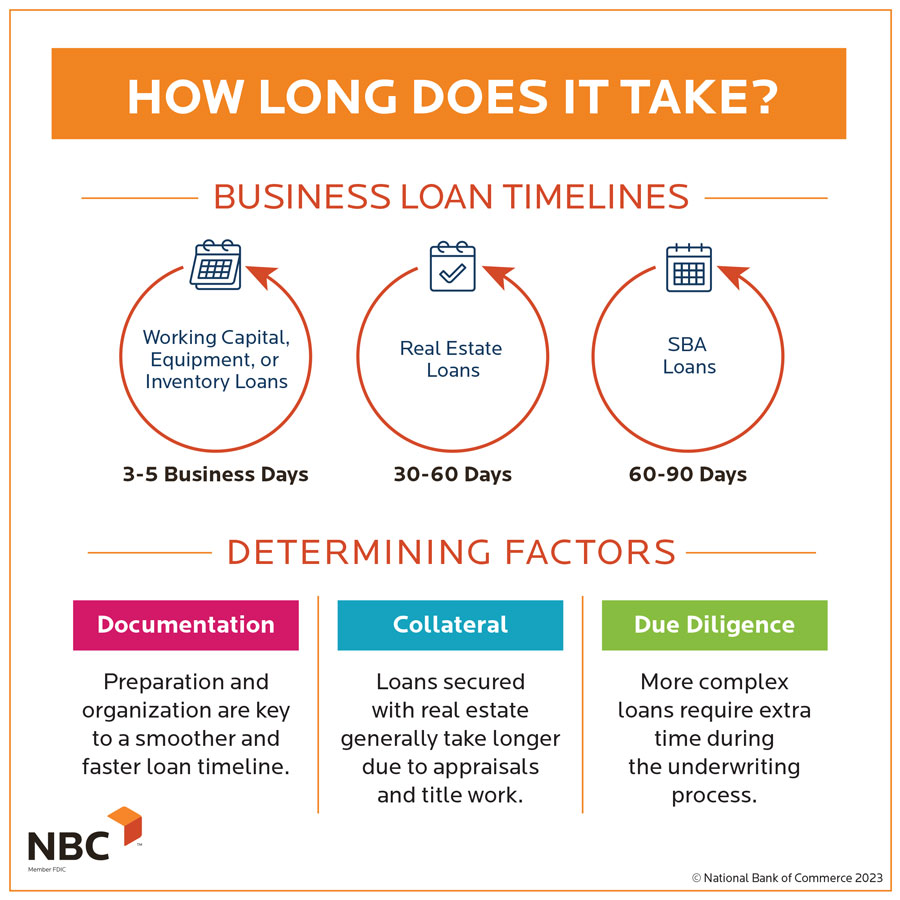
This is where the lender thoroughly reviews your application and supporting documents. They will assess your credit risk, capacity to repay, collateral (if any), capital contribution, and the overall conditions of your industry. This process can take anywhere from a few days for smaller, online loans to several weeks for large, complex traditional loans or SBA loans. If approved, the lender will present you with a loan offer outlining the terms, interest rate, fees, and repayment schedule.
Loan Disbursement and Repayment
Upon accepting the loan offer and signing the agreement, the funds will be disbursed to your business account. From this point, your repayment obligations begin. It is crucial to adhere strictly to the repayment schedule to maintain a good credit standing and avoid penalties or default. Effectively managing the borrowed funds and ensuring they contribute to the business’s objectives is paramount for a positive return on investment.
Key Considerations Before Taking on Business Debt
While business loans offer undeniable advantages, they also represent a significant financial commitment. Careful consideration of various factors is essential to ensure the loan serves its intended purpose without jeopardizing the business’s financial health.
Interest Rates and Fees
These are the direct costs of borrowing. Interest rates can be fixed (staying the same throughout the loan term) or variable (fluctuating with market rates). Various fees, such as origination fees, administrative fees, underwriting fees, and prepayment penalties, can add significantly to the total cost. Always calculate the Annual Percentage Rate (APR) to compare the true cost of different loan offers.
Repayment Terms and Schedule
Understand the length of the loan term and the frequency of payments. A longer term might mean lower monthly payments but potentially more interest paid over time. A shorter term means higher monthly payments but less total interest. Ensure the repayment schedule aligns with your business’s projected cash flow.
Collateral Requirements
Determine if the loan requires collateral and what assets you are willing to pledge. Understand the implications if your business defaults – the lender could seize the collateral. For unsecured loans, personal guarantees from owners are common, meaning personal assets could be at risk if the business fails to repay.
Impact on Cash Flow
A new loan means a new recurring expense. Analyze how the loan payments will affect your monthly cash flow. Will your business generate enough additional revenue or savings to comfortably cover the payments without straining operations? A detailed cash flow projection is vital here.
Lender Reputation and Support
Choose a reputable lender with a track record of supporting businesses. Consider their customer service, transparency in terms, and willingness to work with you should challenges arise. A strong relationship with your lender can be invaluable.
The Importance of a Solid Business Plan
A well-researched and detailed business plan is not just for securing a loan; it’s a living document that guides your business. It demonstrates to lenders that you have a clear vision, understand your market, and have a viable strategy for success and repayment. Continuously updating your business plan, especially after securing funding, helps ensure the loan is used effectively to achieve stated goals.
The Benefits and Risks of Business Loans
Like any financial strategy, taking on a business loan comes with both potential upsides and inherent risks. A balanced perspective is crucial for making informed decisions.
Advantages of Business Financing
- Fueling Growth and Expansion: Loans provide the capital needed to seize growth opportunities, expand market share, or diversify product offerings.
- Improved Cash Flow Management: Can smooth out irregular income streams or cover operational expenses during lean periods.
- Asset Acquisition: Enables the purchase of critical equipment, technology, or real estate that might be otherwise unaffordable.
- Increased Working Capital: Ensures businesses have sufficient funds for day-to-day operations without depleting reserves.
- Building Business Credit: Timely repayment of business loans positively impacts the business’s credit score, making future financing easier and cheaper.
- Retaining Equity: Unlike equity financing (selling ownership stakes), debt financing allows business owners to retain full ownership and control.
Potential Downsides and How to Mitigate Them
- Debt Burden: Loans create a financial obligation that must be repaid, regardless of the business’s performance. Excessive debt can lead to financial strain and even bankruptcy. Mitigation: Borrow only what you need, ensure a strong repayment plan, and maintain healthy financial reserves.
- Interest and Fees: The cost of borrowing can reduce profitability. Mitigation: Shop around for the best rates, understand all fees, and negotiate where possible.
- Collateral Risk: Secured loans put assets at risk of seizure if default occurs. Personal guarantees expose personal assets. Mitigation: Understand collateral requirements thoroughly and maintain robust financial discipline.
- Rigid Repayment Schedules: Fixed payments can be challenging if revenue fluctuates unexpectedly. Mitigation: Build flexibility into your financial planning and consider lines of credit for variable needs.
- Application Complexity and Time: The process can be time-consuming and require extensive documentation. Mitigation: Prepare thoroughly, organize documents in advance, and apply well before funds are critically needed.
In conclusion, a business loan is a powerful and versatile financial instrument that can significantly contribute to the success, growth, and resilience of an enterprise. By understanding the diverse types of loans available, meticulously preparing for the application process, and carefully weighing the associated benefits and risks, businesses can leverage debt financing strategically. When managed prudently, a business loan is not merely a debt, but a catalyst for achieving commercial aspirations and navigating the complexities of the modern economy.
aViewFromTheCave is a participant in the Amazon Services LLC Associates Program, an affiliate advertising program designed to provide a means for sites to earn advertising fees by advertising and linking to Amazon.com. Amazon, the Amazon logo, AmazonSupply, and the AmazonSupply logo are trademarks of Amazon.com, Inc. or its affiliates. As an Amazon Associate we earn affiliate commissions from qualifying purchases.