
In the dynamic world of entrepreneurship, a business plan stands as a beacon, guiding ventures from nascent ideas to thriving enterprises. Far from being a mere formality, it’s a living document, a strategic blueprint that delineates your business’s objectives, strategies, financial projections, and operational roadmap. For anyone looking to secure funding, articulate their vision, or simply understand the financial viability of their dream, mastering the art of writing a comprehensive business plan is paramount. This guide will walk you through the essential components, with a keen focus on the financial underpinnings that make or break a venture, ensuring you can craft a professional and impactful document, often best presented as an easily shareable PDF.
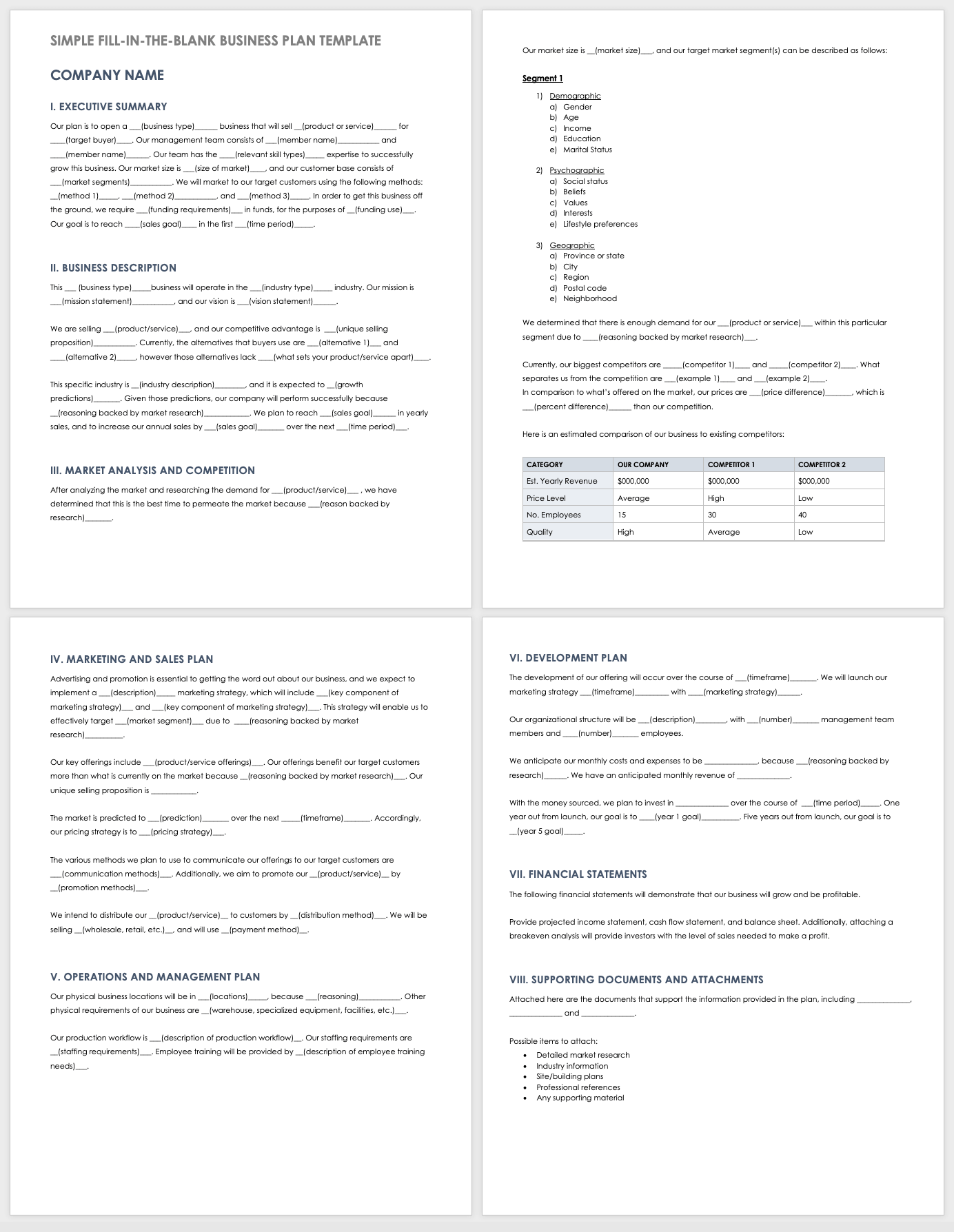
The Indispensable Role of a Business Plan in Financial Success
A well-crafted business plan is more than just a requirement for lenders or investors; it’s a critical tool for your own strategic financial planning and decision-making. It forces you to scrutinize every aspect of your proposed venture, particularly its financial implications, before you commit significant resources.
Beyond the Document: A Financial Roadmap
At its core, a business plan serves as a detailed financial roadmap. It outlines where your business intends to go, how it plans to get there, and what resources – especially financial – will be needed along the way. By projecting revenues, expenses, and cash flow, it allows you to anticipate financial challenges, identify potential risks, and develop contingency plans. This proactive financial foresight can be the difference between sustainable growth and early failure. For the entrepreneur, it’s an exercise in discipline, transforming abstract ideas into concrete financial targets and measurable milestones. It helps you understand your market, define your target customers, and, most importantly, project how you will generate revenue and manage costs to achieve profitability. Without this foresight, businesses often stumble into unforeseen financial pitfalls, leading to resource depletion and missed opportunities.
Attracting Investment and Securing Funding
For many, the primary motivation for writing a business plan is to attract external capital. Whether you’re seeking a loan from a bank, pitching to venture capitalists, or courting angel investors, a meticulously prepared business plan is your most powerful advocacy tool. Lenders and investors are primarily interested in the financial viability and potential return on their investment. Your plan must convincingly demonstrate that your business concept is sound, your market is ripe for disruption, and your financial projections are realistic and achievable. It provides them with the tangible evidence they need to assess risk and potential reward, detailing how their money will be used, how profits will be generated, and how their investment will be repaid. A professional PDF format makes it easy to distribute to multiple stakeholders, maintaining consistency and a high level of professionalism in your presentations. It shows that you’ve done your homework, understand the financial landscape, and are serious about your venture’s success.
Key Financial Components of Your Business Plan
While a business plan encompasses various sections, a significant portion, and often the most scrutinized part, revolves around financial details. Each section, even those seemingly non-financial, has underlying financial implications that must be thoroughly considered.
Executive Summary: The Financial Snapshot
The executive summary is arguably the most crucial section, often written last but placed first. It needs to capture the essence of your entire plan, including the most compelling financial highlights. This means concisely summarizing your business concept, market opportunity, competitive advantages, and, crucially, your financial projections. Investors want to quickly grasp your revenue model, funding requirements, anticipated profitability, and projected return on investment. It’s your elevator pitch, distilled into a few paragraphs, designed to entice the reader to delve deeper into the full document. Highlight key financial figures like projected first-year revenue, required startup capital, and anticipated break-even point to immediately grab attention.
Company Description & Market Analysis: Understanding Financial Viability
Though not overtly financial, the company description sets the stage for your financial narrative by defining your mission, vision, and legal structure. The market analysis, however, has profound financial implications. Understanding your target market size, growth potential, customer demographics, and competitive landscape directly informs your revenue projections and pricing strategies. A detailed market analysis helps justify your sales forecasts and demonstrates that there is a viable customer base willing to pay for your product or service. Conversely, underestimating market competition or overestimating market demand can lead to overly optimistic financial projections that undermine your credibility. This section helps you articulate how you will capture market share and what that share will financially translate into.
Organization & Management: Who Handles the Money?
This section introduces your leadership team and their qualifications. From a financial perspective, it assures investors that experienced and capable individuals are at the helm, capable of executing the business plan and managing its finances responsibly. Highlighting key financial roles (e.g., CFO, experienced accountant) or advisors demonstrates a commitment to sound financial governance. The organizational structure also dictates overhead costs, such as salaries and benefits, which are significant expenses that must be accurately projected. A strong management team with relevant experience in financial management can significantly increase investor confidence.
Service or Product Line: Pricing and Profitability
Here, you detail what you’re selling. Crucially, this section must address your pricing strategy and its impact on profitability. How will you price your products or services to be competitive yet profitable? What are your costs of goods sold (COGS)? What are your gross margins? Understanding the economics of your product or service is fundamental to projecting revenue and profit. Detail future product development plans and their associated R&D costs, and how new offerings will contribute to future revenue streams. This section directly feeds into your financial projections by providing the per-unit revenue and cost figures.
Marketing & Sales Strategy: Cost and Revenue Generation
Your marketing and sales plan outlines how you will reach your target customers and generate sales. From a financial perspective, this section details your customer acquisition costs (CAC) and how these costs contribute to revenue generation. What is your budget for marketing activities – digital advertising, public relations, sales team salaries, commissions? How will these investments translate into measurable sales? A clear correlation between marketing spend and projected sales is essential for robust financial forecasting. Without a solid sales strategy, even the best product will struggle to generate revenue.
Crafting the Core Financial Projections

This is where the rubber meets the road. The financial projections are the heart of your business plan, providing a quantitative outlook on your venture’s expected performance. These projections typically cover a three- to five-year period and include several key statements.
Startup Costs: Your Initial Investment
Before any revenue comes in, you’ll incur startup expenses. This section details all the initial costs required to get your business off the ground. This includes one-time expenses like legal fees, permits, equipment purchases, initial inventory, website development, leasehold improvements, and pre-opening marketing. It also includes initial working capital to cover operational expenses before the business becomes cash-flow positive. A precise breakdown of startup costs helps determine your initial funding requirements and ensures you don’t underestimate the capital needed to launch.
Income Statement (Profit & Loss): Projecting Profitability
The income statement, also known as the Profit & Loss (P&L) statement, projects your revenues, expenses, and ultimately, your net profit or loss over a specific period (e.g., monthly for the first year, then quarterly or annually). It follows a simple formula: Revenue – Cost of Goods Sold = Gross Profit. Gross Profit – Operating Expenses (salaries, rent, marketing, utilities) = Net Operating Income. After subtracting taxes and interest, you arrive at Net Profit. Realistic revenue forecasts, based on your market analysis and sales strategy, are critical here. Equally important is a thorough understanding of your fixed and variable costs.
Cash Flow Statement: Managing Liquidity
While an income statement shows profitability, the cash flow statement tracks the actual movement of cash into and out of your business. It’s crucial because a profitable business can still fail if it runs out of cash. This statement typically has three sections: cash from operating activities (day-to-day business), investing activities (buying/selling assets), and financing activities (debt, equity). Projecting positive cash flow is paramount, as it demonstrates your ability to meet financial obligations, pay employees, and fund ongoing operations without needing additional external capital. Many successful businesses have faced liquidity crises despite being profitable on paper, making this one of the most vital financial statements to get right.
Balance Sheet: Assets, Liabilities, and Equity
The balance sheet provides a snapshot of your business’s financial health at a specific point in time. It lists your assets (what you own), liabilities (what you owe), and owner’s equity (the residual value after liabilities are subtracted from assets). The fundamental equation is Assets = Liabilities + Equity. Projecting balance sheets for future periods shows how your assets and liabilities are expected to change as the business grows, providing insights into your company’s financial structure and stability. It helps assess solvency and long-term financial position.
Break-Even Analysis: Understanding Your Tipping Point
A break-even analysis determines the point at which your total revenue equals your total expenses, meaning you are neither making a profit nor incurring a loss. This is a critical metric for any startup. It helps you understand how many units you need to sell, or how much revenue you need to generate, to cover all your costs. This insight is invaluable for setting sales targets, pricing products, and managing expenses effectively. It helps demonstrate the viability of your business model and gives investors a clear indication of when they can expect to see returns.
Funding Request and Appendix: Solidifying Your Financial Case
These sections round out your business plan, particularly when seeking investment.
Clearly Stating Your Financial Needs
If you’re seeking funding, this section explicitly states how much money you need, what type of funding it is (e.g., debt, equity), and precisely how you intend to use the funds. Be specific: for equipment, marketing, working capital, inventory, or product development. Crucially, you must also outline your proposed repayment schedule or the equity stake being offered, and how investors can expect to see a return on their investment. This is your direct ask, supported by all the preceding financial analysis.
Supporting Documentation for Financial Credibility
The appendix provides supplementary materials that support the claims made in your main plan. For financial credibility, this might include resumes of key personnel (especially those with financial expertise), market research data, letters of intent from potential customers, copies of permits or licenses, and detailed financial assumptions or calculations that underpin your projections. For existing businesses, historical financial statements (income statements, balance sheets, cash flow statements) are essential. This section lends further weight and transparency to your financial claims.
Making Your Business Plan a Living Financial Document
Once complete, your business plan should not be relegated to a dusty shelf. Especially its financial components.
Regular Review and Adaptation
The business landscape is constantly evolving, as are market conditions and financial realities. Your business plan, particularly its financial projections, should be reviewed and updated regularly – at least annually, or whenever significant changes occur (e.g., new product launch, major market shift, unforeseen expenses). This ensures your financial roadmap remains relevant and accurate, allowing you to adapt strategies, adjust budgets, and recalibrate goals as needed. Think of it as a dynamic financial dashboard for your enterprise.

The “PDF” Advantage: Accessibility and Professionalism
Crafting your business plan as a PDF is not merely a formatting choice; it’s a strategic one. A PDF ensures that your carefully designed layout and professional presentation remain consistent across all devices and operating systems. It prevents unwanted alterations, maintains document integrity, and projects a polished, credible image. This ease of sharing and consistent viewing experience is invaluable when distributing your plan to potential investors, lenders, partners, or even within your own team, reinforcing the serious and professional nature of your financial undertakings.
In conclusion, writing a business plan is an invaluable exercise in financial foresight and strategic planning. It transforms your vision into a measurable, financially sound blueprint, guiding your decisions and significantly enhancing your chances of securing the capital and achieving the success you envision. Embrace the process, focus on the financial narratives within each section, and let your business plan become the cornerstone of your entrepreneurial journey.
aViewFromTheCave is a participant in the Amazon Services LLC Associates Program, an affiliate advertising program designed to provide a means for sites to earn advertising fees by advertising and linking to Amazon.com. Amazon, the Amazon logo, AmazonSupply, and the AmazonSupply logo are trademarks of Amazon.com, Inc. or its affiliates. As an Amazon Associate we earn affiliate commissions from qualifying purchases.