
The financial landscape is ever-evolving, driven by innovation, diverse borrower needs, and the constant demand for capital. For entrepreneurs looking to dive into a sector with significant impact and potential, starting a lending company presents a compelling opportunity. It’s a venture that requires meticulous planning, robust financial backing, a deep understanding of regulations, and a commitment to responsible lending practices. Far from a simple undertaking, it’s a journey into the heart of finance, demanding strategic foresight and operational excellence. This guide will walk you through the essential steps to establish a successful and sustainable lending company, empowering you to navigate the complexities and emerge as a trusted financial partner.
Deconstructing the Lending Landscape: Niche & Market Research
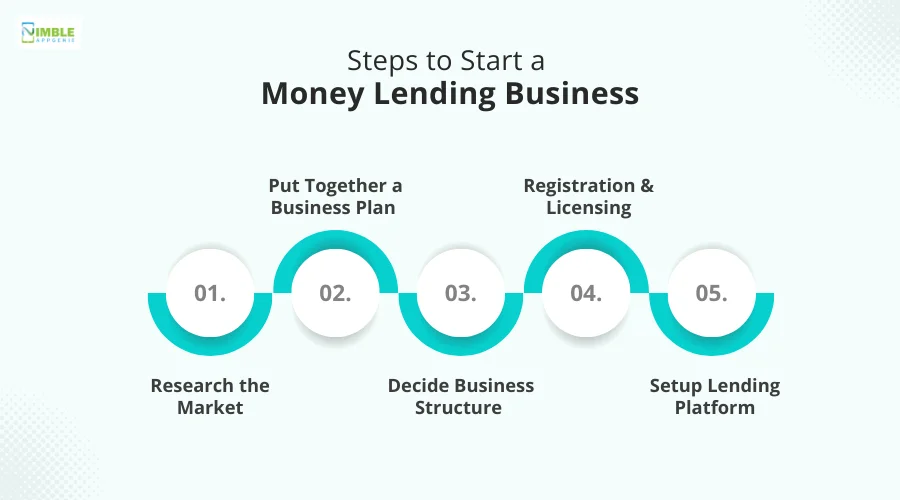
Before any capital is committed or legal documents are signed, a thorough understanding of the lending landscape is paramount. The world of lending is vast and varied, ranging from micro-loans to multi-million dollar corporate financing. Identifying where your company fits into this intricate ecosystem is the first critical step.
Identifying Your Lending Niche
The success of your lending company will heavily depend on how well you define and serve a specific market segment. There are numerous niches within lending, each with its own risk profile, regulatory considerations, and customer acquisition strategies.
- Consumer Lending: This broad category includes personal loans (unsecured, secured), auto loans, mortgages, student loans, and credit cards. Do you want to serve individuals with excellent credit, or focus on subprime borrowers with higher interest rates but also higher risk?
- Business-to-Business (B2B) Lending: This can range from small business loans, lines of credit, equipment financing, invoice factoring, to venture debt. Are you aiming to support startups, established SMEs, or larger corporations?
- Peer-to-Peer (P2P) Lending: This model connects individual borrowers with individual investors (lenders) often through an online platform. This requires a strong technological backbone and robust risk assessment tools.
- Specialty Lending: Niche areas like real estate-backed loans (fix-and-flip, commercial mortgages), agricultural loans, or even specific industry financing (e.g., healthcare, tech startups). These often require specialized expertise and a nuanced understanding of industry-specific risks.
Choosing a niche allows you to tailor your product, marketing, and risk management strategies effectively. It also helps in attracting the right kind of investors and securing the necessary regulatory approvals.
Market Analysis and Competitive Intelligence
Once a niche is identified, a comprehensive market analysis is crucial. Who are the existing players in your chosen niche? What are their strengths and weaknesses? What are their pricing structures, repayment terms, and customer service models?
- Identify market gaps: Are there underserved segments? Is there a demand for a specific type of loan product that isn’t readily available?
- Analyze demand: What is the actual demand for the loans you plan to offer? Is the market saturated, or is there room for a new entrant?
- Evaluate economic factors: Consider current interest rates, economic forecasts, unemployment rates, and other macro-economic indicators that could impact loan demand and default rates.
- Competitive benchmarking: Study your competitors’ unique selling propositions (USPs). How can your company differentiate itself? Is it through technology, faster approval times, more flexible terms, or superior customer service?
Understanding Regulatory Environments
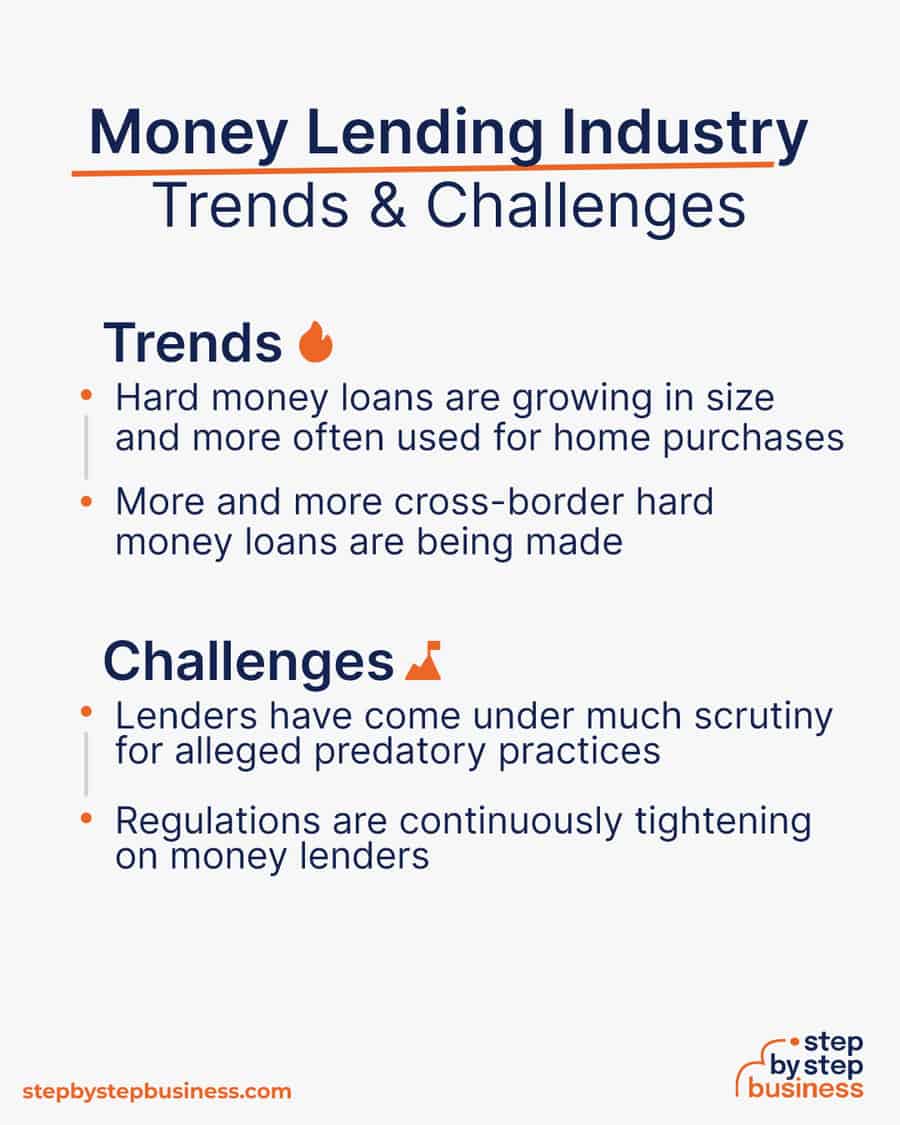
Lending is one of the most heavily regulated industries globally. The regulatory framework can vary significantly depending on your chosen niche, the types of loans offered, and your geographical operating region. Ignorance of regulations is not an excuse and can lead to severe penalties, fines, or even forced closure.
- Federal vs. State Regulations: In many countries, lending is regulated at both national and regional levels. You must understand which laws apply to your specific operations.
- Key Regulations: Familiarize yourself with consumer protection laws (e.g., Truth in Lending Act in the US), fair lending practices, data privacy laws (e.g., GDPR, CCPA), anti-money laundering (AML) and know-your-customer (KYC) requirements.
- Licensing Requirements: Most jurisdictions require specific licenses to operate as a lender. These can be costly and time-consuming to acquire, but are non-negotiable.
Consulting with legal experts specializing in financial regulation is not just advisable; it’s essential from the earliest stages of planning.
Establishing the Legal and Financial Framework
With a clear vision of your niche and market, the next phase involves building the foundational structure of your lending business. This includes legal entity formation, securing initial capital, and developing a robust business plan.
Business Structure and Registration
The legal structure of your company impacts everything from liability and taxation to operational flexibility. Common structures for lending companies include:
- Limited Liability Company (LLC): Offers liability protection to owners and pass-through taxation.
- Corporation (C-Corp or S-Corp): C-Corps are ideal for companies seeking significant external investment, while S-Corps offer pass-through taxation benefits to smaller businesses.
- Partnership: Suitable for ventures with multiple owners, though personal liability can be a concern depending on the type of partnership.
Registering your business with the appropriate government bodies is also crucial. This typically involves registering your business name, obtaining an Employer Identification Number (EIN), and complying with state or local business registration requirements.
Securing Necessary Licenses and Permits
This is arguably one of the most critical and complex aspects of starting a lending company. The specific licenses you need will depend on your niche and jurisdiction.
- Lending Licenses: These are specific permits issued by state or federal financial authorities that allow you to engage in lending activities. They often come with strict capital requirements, background checks, and ongoing reporting obligations.
- Broker Licenses: If you plan to originate loans and then sell them to other lenders, you might need a broker license.
- Debt Collection Licenses: If you intend to manage collections internally, separate licenses for debt collection might be required.
The application process for these licenses can be lengthy, requiring detailed financial disclosures, operational plans, and compliance frameworks.
Initial Capital Requirements and Funding Sources
Lending is a capital-intensive business. You need capital not just for operational expenses (staff, technology, marketing) but primarily to fund the loans themselves.
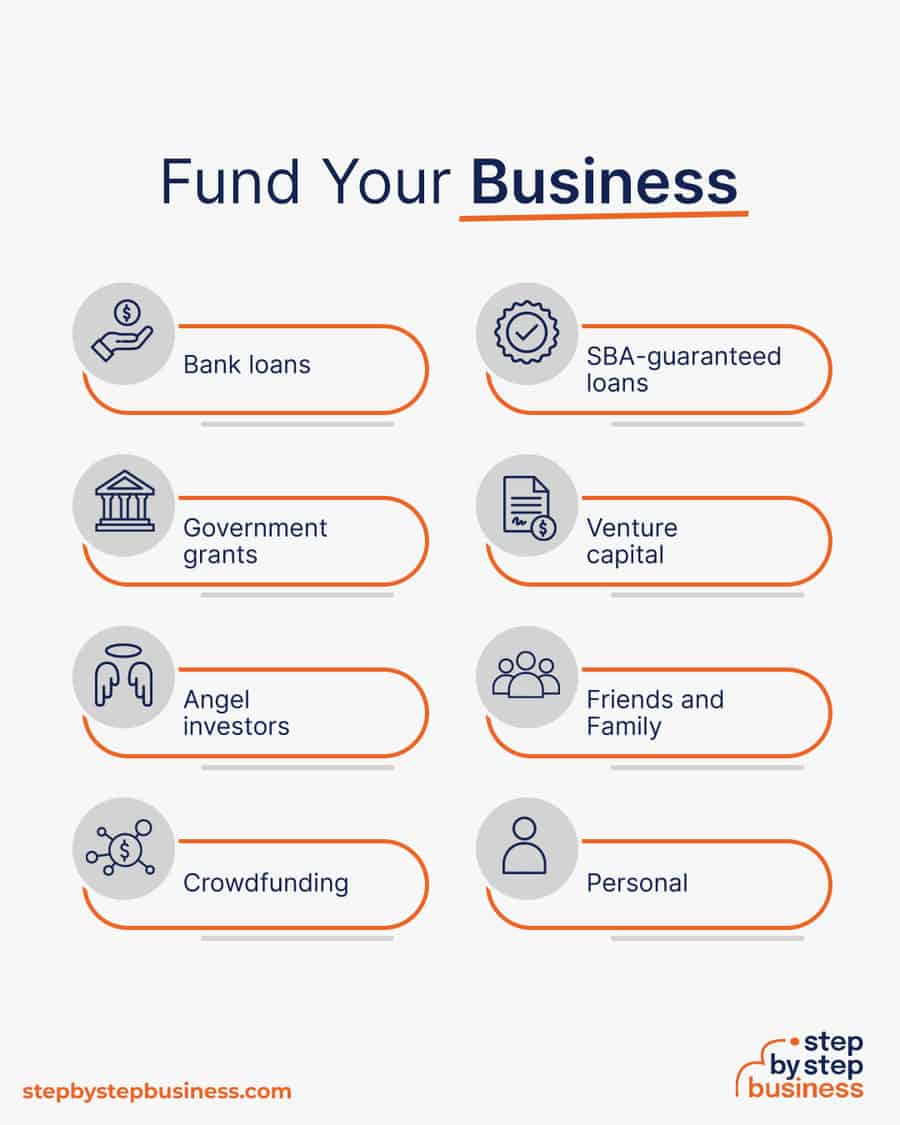
- Seed Capital: Your initial personal investment or funds from friends and family.
- Angel Investors/Venture Capital: For startups with innovative models or significant growth potential.
- Bank Loans/Lines of Credit: Traditional financing options, often requiring a solid business plan and collateral.
- Debt Investors: Investors who provide capital in exchange for interest payments, forming the principal you can lend out.
- Securitization: As your portfolio grows, you might be able to bundle loans and sell them as securities to institutional investors.
A clear understanding of your capital needs and a diversified funding strategy are essential for long-term viability.
Crafting a Robust Business Plan
A well-articulated business plan is your roadmap to success and a vital tool for attracting investors and securing licenses. It should comprehensively cover:
- Executive Summary: A high-level overview of your business, mission, and vision.
- Company Description: Legal structure, mission statement, values, and long-term objectives.
- Market Analysis: Detailed research on your niche, target audience, market size, and competitive landscape.
- Services Offered: Specific loan products, terms, eligibility criteria, and unique selling propositions.
- Management Team: Profiles of key personnel, showcasing relevant experience and expertise.
- Marketing and Sales Strategy: How you will attract borrowers and build your brand.
- Operational Plan: Details on technology, underwriting process, loan servicing, and compliance.
- Financial Projections: Detailed 3-5 year forecasts, including income statements, balance sheets, cash flow projections, and capital requirements.
- Risk Management Plan: How you will assess and mitigate credit risk, operational risk, and compliance risk.
Operationalizing Your Lending Platform
Once the strategic vision and legal framework are in place, the focus shifts to building the operational backbone of your lending company. This is where the rubber meets the road, transforming plans into actionable processes.
Developing Your Underwriting Process and Risk Assessment
The core of any lending business is its ability to accurately assess credit risk. Your underwriting process determines who receives a loan, under what terms, and at what interest rate.
- Credit Scoring Models: Utilize industry-standard models (e.g., FICO, VantageScore) or develop proprietary models tailored to your niche.
- Data Sources: Integrate various data points beyond traditional credit reports, such as bank statements, employment verification, business financials, and alternative data (e.g., utility payments, social media behavior, if relevant and ethical).
- Automated vs. Manual Underwriting: Determine the balance between automation for efficiency and manual review for complex or high-risk cases.
- Risk-Based Pricing: Establish a clear methodology for pricing loans based on the assessed risk level of the borrower.
- Fraud Detection: Implement robust systems and processes to identify and prevent fraudulent applications.
Choosing and Implementing Lending Software
Technology is the engine of modern lending. A robust Loan Management System (LMS) is indispensable for streamlining operations.
- Loan Origination System (LOS): Manages the application process, document collection, underwriting, and approval.
- Loan Servicing Software: Handles payments, escrow management, customer service, and account management post-disbursement.
- Customer Relationship Management (CRM): Manages borrower interactions, marketing campaigns, and customer support.
- Compliance and Reporting Tools: Ensures adherence to regulatory requirements and generates necessary reports.
- Data Analytics: Tools to analyze portfolio performance, identify trends, and refine risk models.
Investing in scalable and secure software is critical. Cloud-based solutions offer flexibility and reduce upfront IT infrastructure costs.
Setting Up Loan Servicing and Collections Protocols
Disbursing a loan is only the beginning. Effective loan servicing and collections are vital for managing your portfolio and minimizing losses.
- Payment Processing: Implement efficient and secure methods for borrowers to make payments (e.g., ACH, online portals, mobile apps).
- Customer Support: Establish clear channels for borrowers to inquire about their loans, make changes, or resolve issues.
- Default Management: Develop a structured approach for dealing with delinquent accounts, including early intervention, payment plans, and, if necessary, legal action or collaboration with third-party collections agencies.
- Foreclosure/Repossession Processes: For secured loans, have clear, legally compliant procedures for asset recovery.
Compliance and Data Security Protocols
Given the sensitive nature of financial data, robust compliance and data security are non-negotiable.
- Regular Audits: Conduct internal and external audits to ensure ongoing compliance with all relevant regulations.
- Data Encryption: Implement strong encryption for all sensitive borrower data, both in transit and at rest.
- Access Controls: Restrict access to confidential information to authorized personnel only.
- Cybersecurity Measures: Invest in firewalls, intrusion detection systems, anti-malware software, and regular security training for employees to protect against cyber threats.
- Incident Response Plan: Develop a clear plan for how to respond to data breaches or other security incidents.
Marketing Your Lending Services and Attracting Borrowers
Even with a perfect product and flawless operations, a lending company cannot succeed without borrowers. An effective marketing strategy is crucial to reach your target audience and build a reputation for reliability and trust.
Defining Your Target Audience and Value Proposition
Your market research should already have provided a clear picture of your ideal borrower. Now, articulate how your lending company uniquely serves their needs.
- Refine your target borrower persona: What are their financial needs, pain points, and preferred communication channels?
- Craft a compelling value proposition: What makes your company stand out? Is it competitive interest rates, flexible terms, faster approval, exceptional customer service, or a specialized understanding of their industry?
- Brand messaging: Develop consistent messaging that resonates with your target audience and communicates your brand’s values.
Developing a Multi-Channel Marketing Strategy
Reach your audience where they are. A multi-channel approach typically yields the best results.
- Digital Marketing:
- Search Engine Optimization (SEO): Optimize your website content for keywords related to your loan products.
- Pay-Per-Click (PPC) Advertising: Run targeted campaigns on Google and other search engines.
- Social Media Marketing: Engage with potential borrowers on platforms relevant to your niche (e.g., LinkedIn for B2B, Facebook/Instagram for consumer).
- Content Marketing: Create valuable blog posts, guides, and videos that address common financial questions and showcase your expertise.
- Email Marketing: Build an email list and send out newsletters, product updates, and promotional offers.
- Partnerships: Collaborate with financial advisors, real estate agents, business consultants, or industry associations who can refer clients.
- Traditional Marketing (if applicable): Depending on your niche, local advertising, print media, or direct mail might still be effective.
- Public Relations: Secure media coverage to build credibility and awareness.
Building Trust and Credibility in a Regulated Industry
Trust is the currency of the financial sector. Without it, even the best products will struggle to find traction.
- Transparency: Be upfront about all fees, interest rates, and loan terms. Avoid hidden costs.
- Excellent Customer Service: Provide responsive and helpful support. Positive borrower experiences lead to referrals and repeat business.
- Compliance: Highlight your commitment to regulatory compliance and ethical lending practices.
- Testimonials and Reviews: Encourage satisfied borrowers to share their experiences. Online reviews are powerful social proof.
- Security Assurances: Clearly communicate your commitment to data security and privacy.
Sustaining Growth and Scaling Your Lending Business
Starting a lending company is a significant achievement, but long-term success hinges on the ability to sustain growth and strategically scale operations.
Performance Monitoring and Portfolio Management
Continuous monitoring of your loan portfolio is essential for managing risk and optimizing profitability.
- Key Performance Indicators (KPIs): Track metrics such as loan origination volume, average loan size, approval rates, default rates, collection rates, net interest margin, customer acquisition cost, and return on assets.
- Portfolio Analysis: Regularly analyze the health of your portfolio, identifying trends in delinquency, early repayments, and segment performance.
- Stress Testing: Periodically assess how your portfolio would perform under various economic scenarios to prepare for potential downturns.
- Reporting: Generate comprehensive reports for internal review, investors, and regulatory bodies.
Exploring New Lending Products and Markets
As your company matures and your portfolio stabilizes, consider diversification to mitigate risk and tap into new revenue streams.
- Expand product offerings: Introduce new loan types or variations of existing ones that align with your niche or a closely related one.
- Geographical expansion: Explore expanding your operations into new regions or states, carefully considering new regulatory landscapes.
- Target new borrower segments: Based on market research, identify new demographic or business segments that could benefit from your services.
- Strategic Partnerships: Form alliances with other financial institutions, fintech companies, or industry players to expand your reach or offer bundled services.
Scaling Operations and Technology
Growth often brings operational challenges. Anticipate these and plan for scalable solutions.
- Automation: Invest further in automation for repetitive tasks (e.g., document processing, initial eligibility checks) to increase efficiency and reduce reliance on manual labor.
- Infrastructure Upgrade: Ensure your technology infrastructure can handle increased transaction volumes and data processing needs without compromising performance or security.
- Team Expansion: Recruit and train skilled professionals in underwriting, compliance, customer service, and technology. Develop clear career paths and a strong company culture.
- Process Optimization: Continuously review and refine your operational processes to eliminate bottlenecks and improve efficiency.
- Capital Ramps: Plan how you will fund future growth, whether through retained earnings, new debt facilities, or equity raises.
Starting a lending company is a marathon, not a sprint. It demands resilience, adaptability, and an unwavering commitment to ethical practices and financial prudence. By meticulously planning each stage, embracing technological innovation, and prioritizing customer trust, you can build a reputable and prosperous lending business that contributes positively to the financial well-being of individuals and businesses alike. The journey is challenging, but the potential for impact and return is profoundly rewarding for those prepared to navigate its complexities.
aViewFromTheCave is a participant in the Amazon Services LLC Associates Program, an affiliate advertising program designed to provide a means for sites to earn advertising fees by advertising and linking to Amazon.com. Amazon, the Amazon logo, AmazonSupply, and the AmazonSupply logo are trademarks of Amazon.com, Inc. or its affiliates. As an Amazon Associate we earn affiliate commissions from qualifying purchases.