
The pursuit of financial independence and the astute allocation of capital have long driven entrepreneurial spirit. Among the myriad avenues for wealth creation, establishing a lending business stands out as a potentially lucrative, yet inherently complex, venture. At its core, a lending business involves providing capital to individuals or entities with the expectation of repayment, typically with interest, thereby generating revenue from the time value of money and the risk assumed. This enterprise is deeply rooted in the principles of finance, requiring a comprehensive understanding of capital management, risk assessment, regulatory compliance, and economic cycles.
Embarking on this journey demands more than just a pool of capital; it necessitates a strategic mindset, a commitment to ethical practices, and a meticulous approach to financial operations. From identifying viable market niches to structuring sound loan products and managing default risks, every step must be carefully considered within the broader financial landscape. This guide aims to demystify the process, offering a professional, insightful, and engaging roadmap for those aspiring to build a successful and sustainable lending operation.
Understanding the Landscape of Lending
Before diving into the operational mechanics, it’s crucial to grasp the diverse environment in which lending businesses operate. The financial services industry is vast, and finding your specific niche within it is paramount for success.
Diverse Lending Models
The lending sector is characterized by a variety of models, each catering to different borrower profiles and risk appetites. Understanding these distinctions is the first step in defining your business.
- Peer-to-Peer (P2P) Lending: This model connects individual lenders directly with borrowers, often facilitated by online platforms. While these platforms handle much of the matching and servicing, a “lending business” in this context might focus on building a robust platform or aggregating capital for P2P investments.
- Micro-lending: Focused on providing small loans, often to entrepreneurs in developing economies or underserved communities, micro-lending is characterized by its social impact alongside financial returns.
- Traditional Lending: This encompasses conventional banks and credit unions, offering a wide array of products from mortgages and personal loans to business lines of credit. New entrants often seek to specialize where traditional lenders fall short.
- Specialized Lending: This category includes niche services like asset-based lending (loans secured by collateral like inventory or accounts receivable), invoice factoring (purchasing a company’s accounts receivable), payday loans (short-term, high-interest loans), or real estate lending (mortgages, bridge loans). Each requires specific expertise in assessing the underlying financial assets or borrower profiles.
- Secured vs. Unsecured Loans: Loans can be backed by collateral (secured) or not (unsecured). Secured loans typically carry lower risk for the lender due to the ability to seize assets upon default, while unsecured loans command higher interest rates to compensate for the increased risk.
Your choice of model will profoundly influence your capital requirements, risk exposure, regulatory obligations, and target market. A thorough analysis of these models will help you pinpoint where your financial resources and expertise can be most effectively deployed.
Market Analysis and Niche Identification
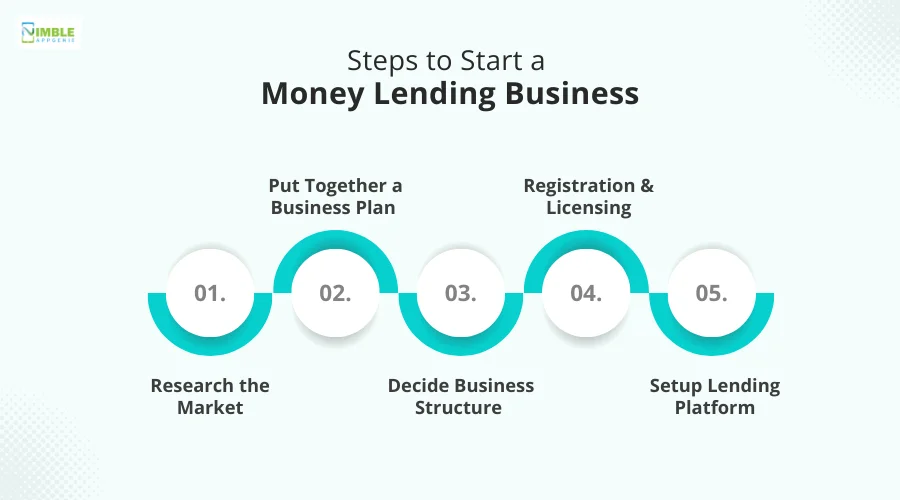
Once you’ve surveyed the different lending models, the next critical step is to identify a specific market segment that is either underserved or where you can offer a distinct competitive advantage. This involves rigorous market research.
- Identify Target Borrowers: Who needs capital that isn’t adequately served by existing lenders? This could be small businesses, individuals with specific credit profiles, or sectors requiring specialized financing. Understanding their financial needs, pain points, and capacity for repayment is key.
- Assess Demand and Competition: Is there sufficient demand for your proposed loan products? What are competitors offering, and where are their weaknesses? A saturated market with low barriers to entry can quickly erode profitability.
- Define Your Value Proposition: What makes your lending business unique? Is it faster approvals, more flexible terms, lower interest rates for a specific niche, or a personalized financial advisory approach? Your value proposition should resonate with your target market’s financial requirements.
A deep dive into economic indicators, demographic trends, and industry-specific financial needs will illuminate opportunities and potential pitfalls, guiding your strategic decisions.
Regulatory Compliance and Legal Frameworks
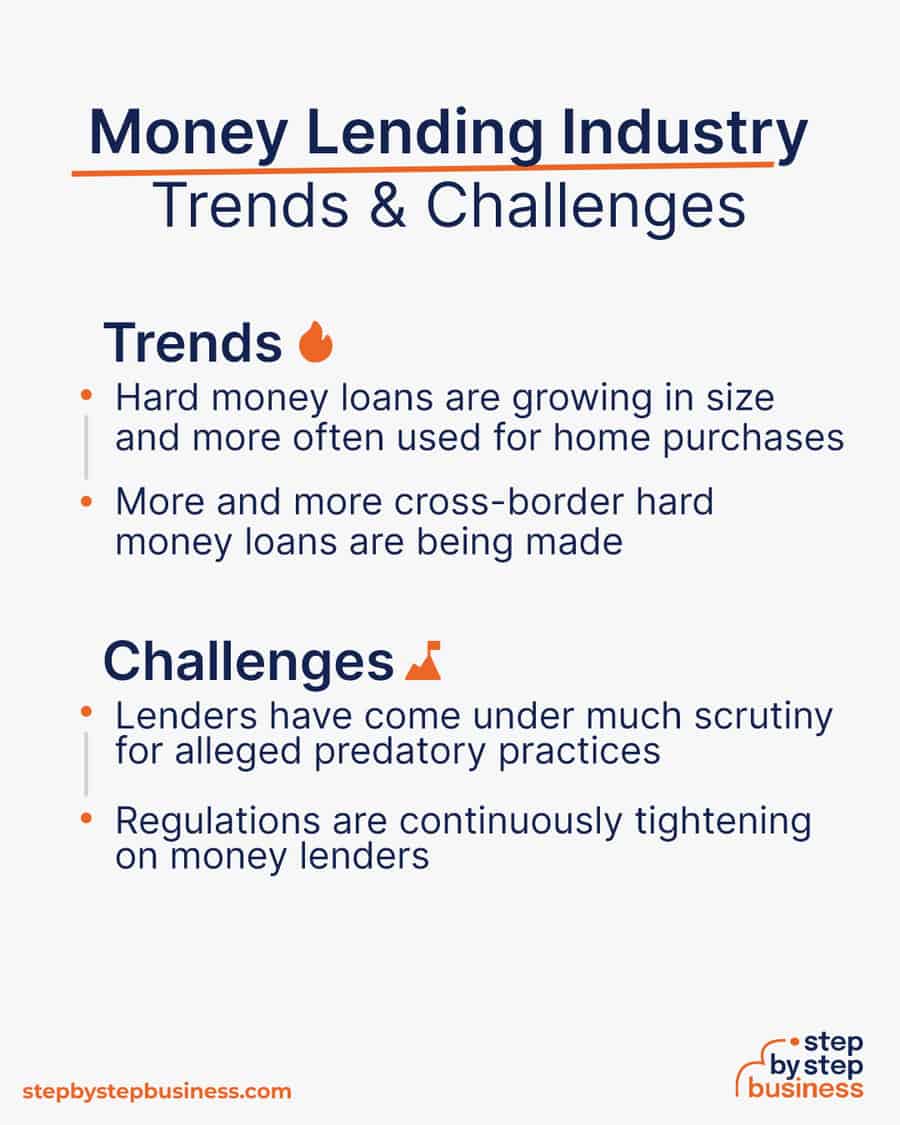
The lending industry is one of the most heavily regulated sectors globally, and for good reason—it deals directly with people’s financial well-being and systemic economic stability. Ignoring compliance is not merely a risk; it’s a guaranteed path to severe penalties, fines, and potentially the revocation of your ability to operate.
- Licensing and Registration: Depending on your location and the type of lending you engage in, you will likely need specific licenses from federal, state, or provincial authorities. This can include money transmitter licenses, consumer lending licenses, or broker licenses.
- Consumer Protection Laws: If you’re lending to individuals, you’ll need to adhere to a host of consumer protection regulations, such as the Truth in Lending Act (TILA), Fair Credit Reporting Act (FCRA), and various state-specific usury laws that cap interest rates. These are designed to ensure fair and transparent financial practices.
- Anti-Money Laundering (AML) and Know Your Customer (KYC) Regulations: To combat financial crime, lending businesses are required to implement robust AML programs and conduct due diligence on their borrowers to verify identity and assess risk.
- Data Privacy and Security: Handling sensitive financial information necessitates strict adherence to data privacy laws (e.g., GDPR, CCPA) and robust cybersecurity measures to protect borrower data from breaches.
Engaging with legal counsel specializing in financial services is not an option but a necessity. They can help navigate the complex web of regulations, ensure your business structure and operational processes are compliant, and mitigate future legal risks. This initial investment in legal expertise will safeguard your financial operations in the long run.
Building a Solid Financial Foundation
With a clear understanding of the lending landscape and regulatory requirements, the next crucial phase involves laying down the financial bedrock of your operation. This encompasses everything from securing the necessary capital to meticulously planning your financial projections.
Capital Acquisition and Funding Sources
A lending business, by its very nature, is capital-intensive. You need money to lend, and the amount required will depend on your chosen niche, the size of your average loan, and your desired scale of operations.
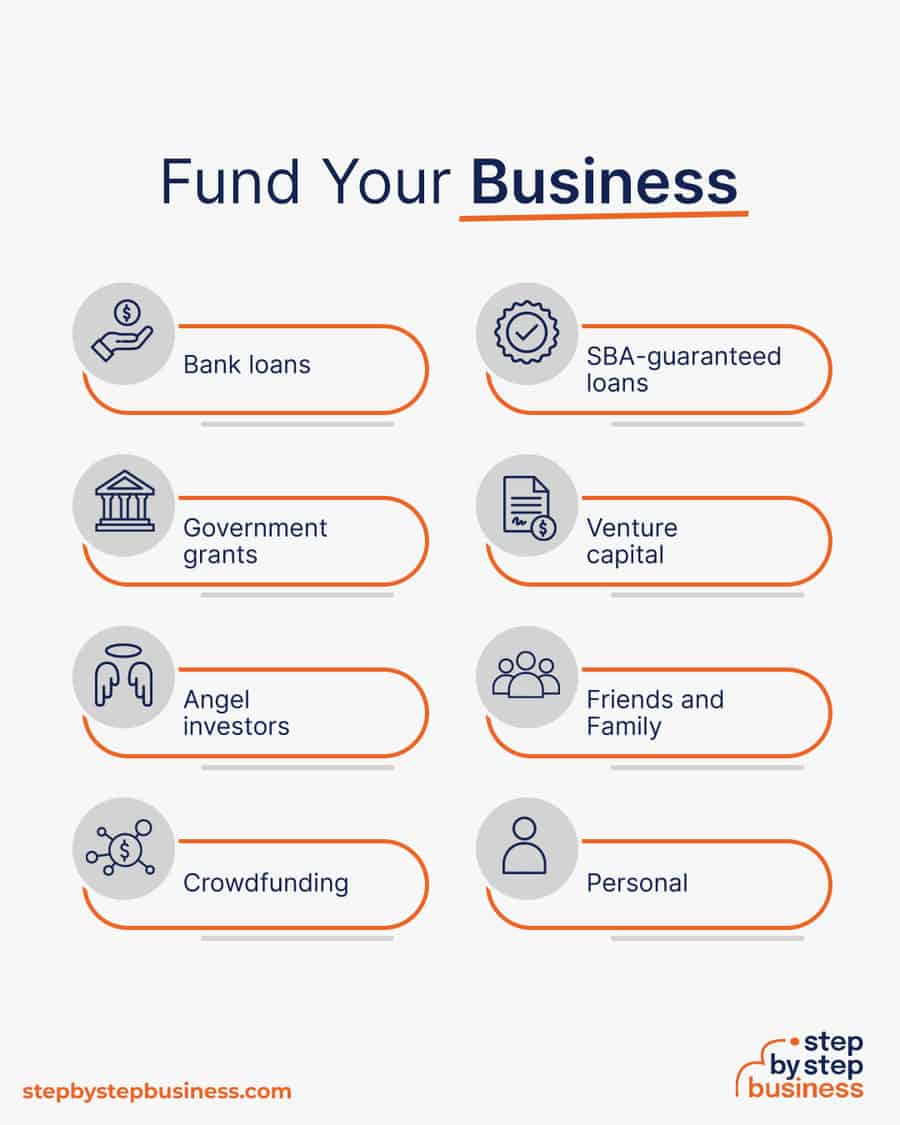
- Personal Capital: Many entrepreneurs start by bootstrapping, using their own savings to fund initial loans. While it offers complete control, it limits growth potential.
- Debt Financing: Securing a line of credit or a loan from a bank or other financial institution can provide the necessary capital, leveraging your personal assets or initial business revenue.
- Equity Investors: Attracting angel investors or venture capitalists can inject substantial capital for growth, but it means relinquishing a portion of ownership and control. Investors will scrutinize your business plan and financial projections closely.
- Crowdfunding: For certain niches, especially those with a social impact, crowdfunding platforms can be a viable way to raise initial capital from a large number of small investors.
- Partnerships and Joint Ventures: Collaborating with established financial entities or other businesses can provide access to capital, expertise, and a broader customer base.
Each funding source comes with its own set of advantages and disadvantages regarding cost, control, and accessibility. A diversified funding strategy can often provide the most stable foundation.
Developing a Robust Business Plan
A comprehensive business plan is your financial blueprint, detailing every aspect of your lending venture. It’s not just a document for investors; it’s a living guide for your operations.
- Executive Summary: A concise overview of your business, its mission, and its financial objectives.
- Company Description: Details about your legal structure, management team, and unique selling proposition.
- Market Analysis: A deeper dive into your target market, competition, and how you will differentiate your financial products.
- Service Offerings: Specifics about the types of loans you will offer, their terms, interest rates, and fee structures.
- Marketing and Sales Strategy: How you will reach and attract borrowers within your identified financial niche.
- Management Team: Profiles of key personnel, highlighting their financial expertise and experience.
- Financial Projections: This is arguably the most critical section for a lending business. It must include detailed income statements, balance sheets, cash flow projections, break-even analysis, and return on investment (ROI) calculations for various loan scenarios. These projections should be realistic, conservative, and backed by thorough market research.
- Funding Request: If seeking external capital, specify the amount needed, how it will be used (i.e., for lending, operational costs), and your projected repayment or equity returns.
A well-articulated financial plan demonstrates foresight and a solid understanding of the inherent financial risks and rewards of the lending business.
Crafting a Sustainable Interest Rate Model
The interest rate model is at the heart of your business’s profitability. It must be competitive enough to attract borrowers while high enough to cover your cost of capital, operational expenses, potential defaults, and generate a profit.
- Cost of Capital: Understand what it costs you to acquire the money you lend. This is your baseline expense.
- Risk Premium: Incorporate a premium that reflects the creditworthiness of your borrowers and the perceived risk of default. Higher-risk loans demand higher interest rates.
- Operational Costs: Account for all your overheads, including salaries, technology, marketing, and regulatory compliance expenses.
- Profit Margin: Determine your desired profit on each loan, ensuring it aligns with industry standards and your overall financial goals.
- Market Rates: Research what competitors are charging for similar financial products. You need to be competitive but not undervalue your service.
- Regulatory Limits: Be mindful of usury laws and other regulations that cap interest rates in your jurisdiction.
Developing a dynamic interest rate model that can adapt to changing market conditions and individual borrower risk profiles is essential for long-term financial viability. This may involve tiered pricing, penalty fees for late payments, and early repayment incentives.
Operationalizing Your Lending Business
Once the strategic and financial foundations are in place, the focus shifts to the day-to-day operations that define a lending business: managing the flow of money and mitigating financial risk.
Loan Application and Underwriting Processes
The efficiency and integrity of your loan application and underwriting processes are paramount. These are the gatekeepers that determine the quality of your loan portfolio and, consequently, your financial health.
- Streamlined Application Process: Design an application that is clear, comprehensive, and easy for borrowers to complete. This can be paper-based or, increasingly, digital.
- Credit Assessment and Scoring: Develop or utilize robust credit scoring models to evaluate a borrower’s creditworthiness. This involves analyzing credit reports, financial statements (for businesses), income stability, debt-to-income ratios, and collateral (for secured loans).
- Risk Evaluation: Beyond credit scores, assess qualitative factors such as industry risk, management experience (for business loans), market conditions, and the purpose of the loan. A comprehensive risk assessment helps you price loans appropriately and avoid excessive defaults.
- Verification: Implement processes to verify all information provided by the applicant, including identity, income, employment, and asset ownership. This reduces fraud and ensures accuracy in financial assessments.
The goal is to make informed lending decisions quickly and consistently, balancing the desire for growth with prudent risk management.
Loan Servicing and Management
After a loan is approved and disbursed, the work of managing that financial asset begins. Effective loan servicing is crucial for ensuring timely repayments and maintaining a healthy cash flow.
- Disbursement of Funds: Efficiently transfer funds to the borrower, ensuring all legal and financial documentation is complete.
- Payment Processing: Establish clear and convenient methods for borrowers to make repayments. This often involves automated clearing house (ACH) transfers, online portals, or direct debits.
- Account Management: Track all loan accounts, including principal balances, accrued interest, payment history, and any outstanding fees. Robust accounting software is indispensable here.
- Customer Communication: Maintain open lines of communication with borrowers, addressing queries, providing statements, and managing any changes to loan terms.
- Delinquency Management: Proactively identify and address late payments. This might involve sending reminders, structuring payment plans, or initiating early collection efforts.
Diligent loan servicing not only maximizes repayment rates but also builds borrower trust, which can lead to repeat business and positive referrals within your financial niche.
Risk Mitigation and Collections Strategies
Even with the most rigorous underwriting, some loans will inevitably default. How you manage these situations directly impacts your financial losses and overall profitability.
- Diversification of Loan Portfolio: Avoid over-reliance on a single borrower type, industry, or geographic area. A diversified portfolio spreads risk across various financial assets.
- Collateral Management: For secured loans, establish clear procedures for valuing, monitoring, and, if necessary, repossessing collateral in accordance with legal requirements.
- Early Warning Systems: Implement systems to identify loans at risk of default (e.g., missed payments, changes in credit score) so you can intervene early.
- Structured Collections Process: Develop a multi-stage collections strategy, starting with friendly reminders, escalating to formal notices, and, if necessary, involving legal action or third-party collection agencies. This must comply with all fair debt collection practices.
- Loan Restructuring and Workouts: For borrowers facing temporary financial hardship, consider options like deferments, reduced payments, or interest-only periods to help them recover and avoid total loss. This requires careful financial analysis to determine feasibility.
Effective risk management is not just about avoiding bad loans but also about efficiently recovering capital when defaults occur, thereby protecting your financial assets and maintaining business solvency.
Scaling and Sustaining Growth
Once your lending business is operational and stable, the focus shifts to strategic growth. Scaling responsibly involves leveraging resources, expanding offerings, and continuously refining your financial processes.
Leveraging Technology for Efficiency
While not the core of a money business, technology plays an indispensable role in scaling financial operations.
- Loan Management Systems (LMS): Invest in robust LMS platforms that automate loan origination, servicing, and collections. These systems streamline workflows, reduce manual errors, and provide real-time financial data.
- Credit Analysis Tools: Utilize advanced data analytics and AI-powered tools to enhance credit scoring, identify trends, and improve risk prediction.
- Digital Platforms: Create user-friendly online portals for loan applications, document submission, and payment processing, improving the borrower experience and operational efficiency.
- Cybersecurity Infrastructure: As you grow, the volume of sensitive financial data increases, making robust cybersecurity measures (encryption, multi-factor authentication, regular audits) even more critical to protect both your business and your borrowers.
Technology should be viewed as an enabler, allowing you to process more loans with fewer resources, enhance accuracy, and provide superior financial services, thereby contributing directly to your bottom line.
Expanding Your Product Portfolio
Growth doesn’t always mean lending more of the same; it can also mean offering new types of financial products that cater to your existing customer base or attract new segments.
- Introduce New Loan Types: If you started with personal loans, consider adding small business loans, lines of credit, or specific types of secured loans.
- Vary Loan Terms and Structures: Offer different repayment schedules, interest structures (fixed vs. variable), or grace periods to meet diverse financial needs.
- Ancillary Financial Services: Explore offering related services like financial education, credit counseling, or even simple payment processing for businesses, creating additional revenue streams and enhancing customer loyalty.
Any expansion must be backed by the same rigorous market analysis and financial planning as your initial offerings, ensuring that new products align with your expertise and regulatory compliance.
Building Strong Borrower Relationships and Reputation
In the financial services industry, trust and reputation are invaluable assets. A positive relationship with borrowers and the wider community contributes significantly to long-term success and sustainability.
- Transparency and Fairness: Be upfront about all loan terms, fees, and conditions. Clear communication builds trust and reduces disputes.
- Exceptional Customer Service: Provide responsive and empathetic support to borrowers, especially during challenging financial times.
- Ethical Practices: Adhere to the highest ethical standards in all your dealings, reinforcing your commitment to responsible lending.
- Community Engagement: Participate in local financial literacy initiatives or support community development programs to build goodwill and demonstrate social responsibility.
A strong reputation for fairness, reliability, and excellent financial service will not only attract new borrowers but also ensure continued loyalty and positive word-of-mouth referrals, which are crucial for sustainable growth in the competitive lending market.
Conclusion
Starting a lending business is a challenging yet potentially immensely rewarding financial venture. It demands a deep understanding of financial principles, meticulous planning, unwavering adherence to regulatory frameworks, and a strategic approach to managing both capital and risk. By thoroughly understanding the diverse lending landscape, building a robust financial foundation, operationalizing with efficiency, and focusing on sustainable growth, entrepreneurs can navigate this complex sector successfully. The commitment to transparent practices, ethical conduct, and continuous adaptation to market dynamics will not only ensure compliance but also foster trust and long-term profitability in the ever-evolving world of finance.
aViewFromTheCave is a participant in the Amazon Services LLC Associates Program, an affiliate advertising program designed to provide a means for sites to earn advertising fees by advertising and linking to Amazon.com. Amazon, the Amazon logo, AmazonSupply, and the AmazonSupply logo are trademarks of Amazon.com, Inc. or its affiliates. As an Amazon Associate we earn affiliate commissions from qualifying purchases.