
Embarking on the journey to establish a firm in the United States is an ambitious and rewarding endeavor, promising access to one of the world’s most dynamic and innovative economies. While the allure of the American market is undeniable, successfully navigating its complexities, particularly from a financial and operational standpoint, requires meticulous planning and a deep understanding of the regulatory landscape. This guide, tailored specifically to the “Money” category, will illuminate the essential financial considerations, legal structures, and strategic financial planning crucial for launching and sustaining a successful firm in the USA. We will delve into everything from initial capital requirements and funding strategies to robust accounting practices and long-term financial health, ensuring your firm is built on a solid fiscal foundation.
Understanding the Landscape: Initial Financial Considerations for Your U.S. Firm
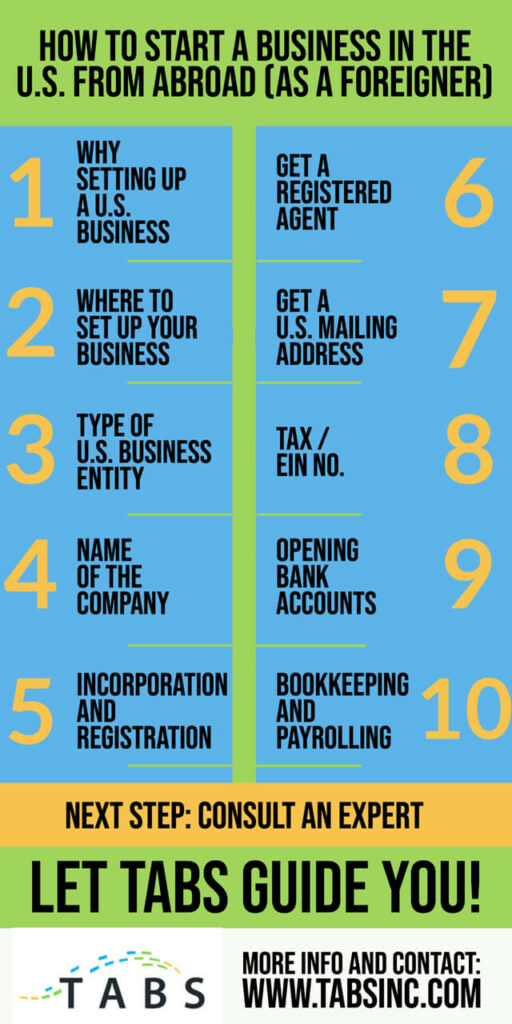
The foundational phase of opening a firm in the USA is dominated by critical financial decisions that will shape its future trajectory. Before even considering market entry, entrepreneurs must engage in thorough financial introspection and strategic planning. This involves not only understanding the various legal structures available but also meticulously forecasting costs and securing adequate funding.
Defining Your Business Structure and Legal Entity
The choice of legal entity is arguably one of the most impactful financial decisions you will make when opening a firm. Each structure carries distinct implications for liability, taxation, administrative burden, and fundraising potential. Understanding these differences is paramount for optimizing your firm’s financial health and operational efficiency.
Sole Proprietorship and Partnership
These are the simplest forms, easy and inexpensive to set up. However, they offer no personal liability protection, meaning your personal assets are at risk for business debts and lawsuits. From a financial perspective, profits and losses are directly passed through to your personal income tax return (Schedule C for sole proprietorships), simplifying tax filing but potentially exposing you to higher self-employment taxes. For partnerships, profit and loss distribution agreements are critical, dictating how income and liabilities are shared among partners. While accessible, these structures are often unsuitable for firms planning significant growth or seeking external investment due to their inherent risks and limited scalability.
Limited Liability Company (LLC)
The LLC is a hybrid structure offering the liability protection of a corporation with the pass-through taxation benefits of a sole proprietorship or partnership. This means your personal assets are generally shielded from business debts, a significant financial advantage. LLCs offer flexibility in taxation; they can be taxed as a sole proprietorship, partnership, S-corp, or C-corp, depending on the number of members and desired tax treatment. This flexibility allows firms to optimize their tax burden, for instance, by electing S-corp status to potentially reduce self-employment taxes on distributions. Formation costs vary by state, but LLCs are generally more expensive to establish and maintain than sole proprietorships or partnerships, involving annual state fees and compliance requirements.
C Corporation (C-Corp)
A C-corp is a separate legal entity from its owners, offering the strongest liability protection. It is subject to “double taxation” – the corporation pays taxes on its profits, and shareholders pay taxes again on dividends received. While this might seem like a disadvantage, C-corps offer significant advantages for firms looking to raise substantial capital from investors, as they can issue different classes of stock. They are also often preferred by international investors. The ability to reinvest profits without immediate personal tax implications can be a powerful growth engine. However, C-corps come with the highest administrative burden, requiring formal board meetings, extensive record-keeping, and complex tax filings.
S Corporation (S-Corp)
An S-corp is a special tax election available to eligible domestic corporations, designed to avoid the double taxation of a C-corp. Profits and losses are passed through directly to the owners’ personal income tax returns, similar to an LLC or partnership. However, owners who work for the company must pay themselves a “reasonable salary,” subject to payroll taxes, with any remaining profits distributed as tax-free dividends (from a self-employment tax perspective). This structure is particularly appealing for profitable small businesses as it can reduce the overall tax burden compared to an LLC without an S-corp election. There are strict eligibility requirements, including limits on the number and type of shareholders.
Crafting a Robust Business Plan: The Financial Blueprint
A well-structured business plan is more than just a formality; it is your firm’s financial blueprint, detailing its operational strategies, market positioning, and, critically, its financial projections. Lenders, investors, and even your own team will rely on this document to assess the viability and potential of your firm.
Market Analysis and Revenue Projections
Begin with a thorough market analysis to identify your target audience, competitive landscape, and pricing strategy. This forms the basis for realistic revenue projections. Avoid overly optimistic figures; conservative estimates backed by data are more credible. Detail your sales strategy, volume expectations, and how these translate into revenue streams over the next 3-5 years.
Expense Budgets and Profitability Forecasts
Outline all anticipated costs, both one-time startup expenses (e.g., legal fees, equipment, initial marketing) and ongoing operational expenses (e.g., salaries, rent, utilities, software subscriptions). Break these down into fixed and variable costs. Based on your revenue projections and expense budgets, create detailed profit and loss (P&L) statements, cash flow projections, and balance sheets. These financial statements will illustrate your firm’s profitability, liquidity, and overall financial health over time, including the crucial break-even analysis.
Funding Requirements and Use of Funds
Clearly articulate how much capital you need to launch and operate your firm for a sustainable period (typically 6-12 months of operating expenses without revenue). Specify how these funds will be allocated across different areas (e.g., product development, marketing, working capital). This section is vital for convincing potential investors or lenders that their capital will be judiciously used to achieve specific milestones.
Assessing Initial Capital Requirements and Funding Sources
Understanding how much money you need and where it will come from is fundamental. Startup costs can vary wildly depending on the industry, scale, and location of your firm.
Estimating Startup Costs and Working Capital
Create a detailed spreadsheet of every anticipated cost, from business registration fees and initial legal counsel to equipment purchases, software licenses, office rent, and initial marketing campaigns. Don’t forget to factor in working capital – the money needed to cover operational expenses before your firm generates sufficient revenue. A common mistake is underestimating working capital needs, leading to cash flow crises early on. Aim to have at least 3-6 months of operating expenses in reserve.
Exploring Funding Avenues
The USA offers a diverse ecosystem of funding options. For early-stage firms, bootstrapping (self-funding) is common. If external capital is needed, consider:
- Small Business Administration (SBA) Loans: These government-backed loans offer favorable terms and are often a good starting point for new businesses.
- Traditional Bank Loans: Commercial loans from banks require a solid business plan, strong personal credit, and often collateral.
- Venture Capital (VC) and Angel Investors: For high-growth potential firms, VCs and angel investors provide capital in exchange for equity. They typically seek significant returns and involve a rigorous due diligence process.
- Crowdfunding: Platforms like Kickstarter or Indiegogo can raise capital from a large number of individuals, often in exchange for product pre-orders or small equity stakes.
- Lines of Credit: Useful for managing short-term cash flow fluctuations once your business has some operating history.
Each funding source has different requirements, costs of capital, and implications for your firm’s ownership structure and financial obligations. Choosing the right mix is crucial for sustainable growth.
Navigating Legal and Regulatory Compliance
Operating a firm in the USA necessitates adherence to a complex web of federal, state, and sometimes local regulations. Financial penalties for non-compliance can be severe, ranging from hefty fines to forced business closure. Proactive engagement with these requirements is a financial imperative.
Federal and State Registrations: EIN and Business Licenses
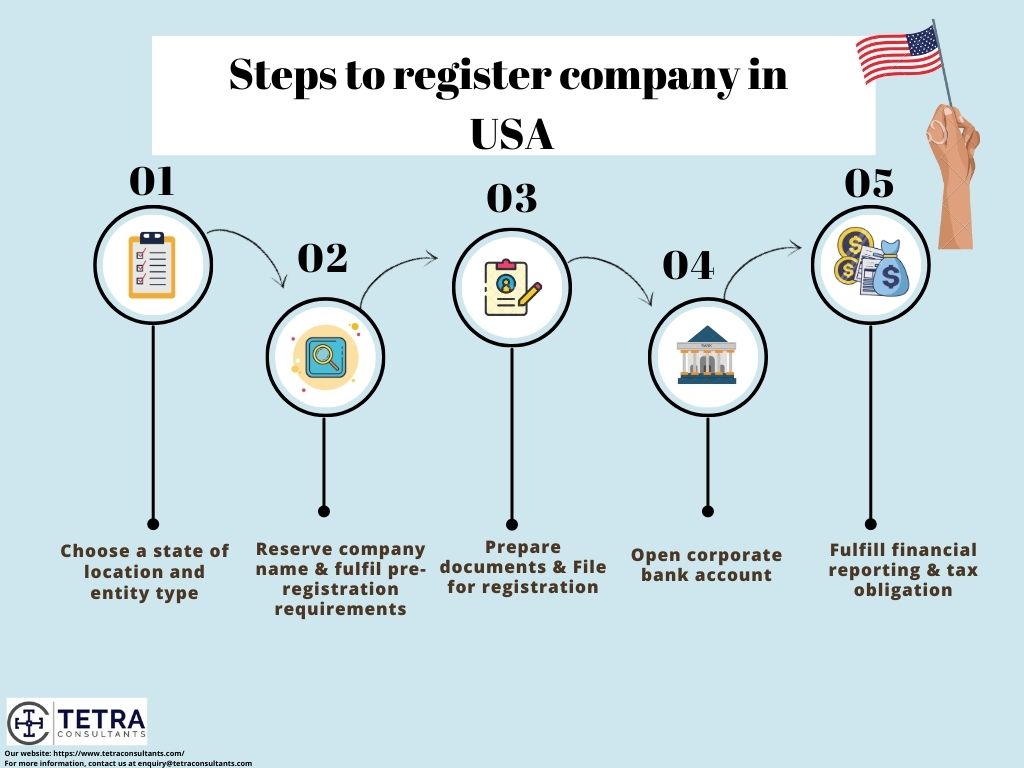
Beyond choosing a legal structure, formal registration with governmental bodies is mandatory.
Obtaining an Employer Identification Number (EIN)
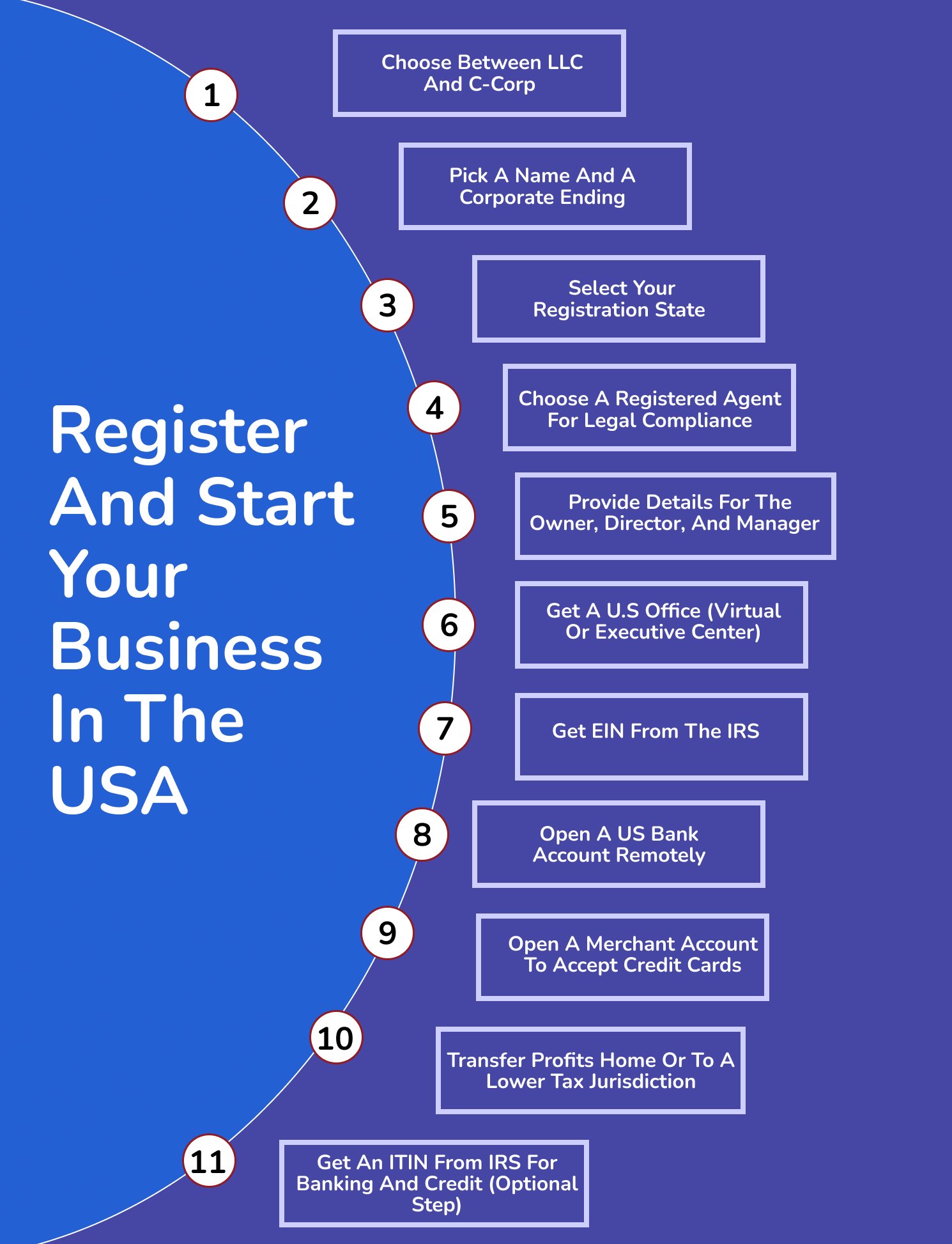
If your firm is an LLC (taxed as a corporation or with employees), partnership, or corporation, you will need an Employer Identification Number (EIN) from the IRS. This is essentially your business’s Social Security number, used for tax purposes, opening business bank accounts, and hiring employees. It’s a free, relatively quick online application process.
State-Specific Business Licenses and Permits
Each state has its own requirements for business registration and licensing. This often involves registering your chosen legal entity with the Secretary of State’s office. Additionally, specific industries (e.g., healthcare, finance, food service) require specialized licenses and permits at the state and sometimes local levels. Failing to secure necessary licenses can result in fines and legal complications, impacting your financial operations and reputation. Researching these requirements early with your state’s business registry or a legal professional is critical.
Understanding Tax Obligations: Federal, State, and Local
Taxation is a significant financial burden and responsibility for any firm in the USA. A comprehensive understanding of your obligations is essential for accurate financial planning and avoiding penalties.
Federal Taxes
The IRS mandates several types of federal taxes. All businesses must file income tax returns, with the specific forms depending on your legal structure (e.g., Form 1120 for C-corps, Form 1120-S for S-corps, Schedule C for sole proprietorships). If you have employees, you’ll also be responsible for payroll taxes, including Social Security and Medicare taxes (FICA), federal income tax withholding, and federal unemployment tax (FUTA). Estimated taxes must be paid quarterly if you expect to owe more than a certain amount of tax.
State and Local Taxes
Beyond federal taxes, firms face a variety of state and local tax obligations. These can include:
- State Income Tax: Most states levy an income tax on businesses, though rates and rules vary significantly.
- Sales Tax: If your firm sells goods or certain services, you may need to collect sales tax from customers and remit it to the state. This requires registering for a sales tax permit.
- Property Tax: If your firm owns real estate, you’ll be subject to local property taxes.
- Franchise Taxes: Some states impose franchise taxes on businesses for the privilege of operating in the state, often based on net worth or capital.
- Other Local Taxes: Depending on your municipality, you might face business privilege taxes, occupation taxes, or specialized industry taxes.
Navigating these various tax obligations requires careful planning and often the assistance of a qualified accountant or tax advisor to ensure compliance and identify potential tax-saving strategies.
Compliance with Employment Laws and Payroll Management
Hiring employees introduces a new layer of financial and legal complexity. Missteps in payroll and employment compliance can lead to substantial financial liabilities.
Hiring Considerations and Classification
Understand the distinction between employees (W-2) and independent contractors (1099). Misclassifying workers can result in significant financial penalties, including back taxes, fines, and legal action. For employees, compliance with federal and state minimum wage laws, overtime rules, anti-discrimination laws, and workplace safety regulations is mandatory.
Payroll Processing and Withholding
Once you have employees, you must implement a robust payroll system. This involves calculating gross wages, withholding federal and state income taxes, FICA taxes (Social Security and Medicare), and any other mandated deductions (e.g., state unemployment insurance, disability insurance). These withheld amounts must be remitted to the appropriate tax authorities on time, along with the employer’s share of FICA and unemployment taxes. Many firms opt for payroll software or outsourcing payroll to a third-party provider to ensure accuracy and compliance.
Benefits and Insurance
Consider the financial implications of employee benefits, which can include health insurance, retirement plans, and paid time off. Additionally, nearly all states require firms to carry worker’s compensation insurance to cover medical treatment and lost wages for employees injured on the job. Unemployment insurance contributions are also mandatory. These are significant financial outlays that must be budgeted for.
Establishing Financial Operations and Infrastructure
Once your firm is legally established and compliant, the next crucial step is to build a robust financial operating infrastructure. This foundation will enable accurate record-keeping, informed decision-making, and sound financial management.
Setting Up Business Banking and Credit
Separating personal and business finances is not just a best practice; it’s a legal necessity for entities like LLCs and corporations, crucial for maintaining limited liability.
Dedicated Business Bank Accounts
Open separate checking and savings accounts exclusively for your firm. This simplifies accounting, makes tax preparation easier, and is essential for presenting a professional image. When choosing a bank, consider fees, online banking capabilities, and services tailored to businesses.
Building Business Credit
From day one, focus on building a strong business credit profile, distinct from your personal credit. This involves:
- Obtaining an EIN: As mentioned, this is your business’s identity.
- Opening Business Credit Accounts: Start with vendor credit (Net 30 terms), then apply for business credit cards and eventually lines of credit or loans.
- Paying Bills on Time: Consistency in payments is critical for establishing a positive credit history.
- Monitoring Your Business Credit Score: Regularly check your business credit reports (e.g., from Dun & Bradstreet, Experian Business, Equifax Business) to identify any discrepancies and track your progress.
A strong business credit score will unlock better lending terms, lower interest rates, and improved access to capital as your firm grows.
Implementing Effective Accounting and Bookkeeping Systems
Accurate and timely financial records are the lifeblood of any successful firm. They provide insights into performance, support tax compliance, and inform strategic decisions.
Choosing Accounting Software
Invest in appropriate accounting software from the outset. Popular options like QuickBooks, Xero, or FreshBooks offer features for invoicing, expense tracking, payroll integration, and financial reporting. The right software simplifies bookkeeping, reduces errors, and provides real-time financial data.
Chart of Accounts and Expense Tracking
Establish a comprehensive chart of accounts tailored to your firm’s operations. This organizes all financial transactions into categories like assets, liabilities, equity, revenue, and expenses. Meticulously track all income and expenses, categorizing them correctly. This is crucial for understanding where your money is coming from and going, and for maximizing tax deductions. Digitize receipts and maintain organized records for all transactions.
Generating Financial Statements
Your accounting system should regularly generate key financial statements:
- Profit and Loss (P&L) Statement (Income Statement): Shows your firm’s revenues, expenses, and net profit or loss over a period.
- Balance Sheet: Provides a snapshot of your firm’s assets, liabilities, and owner’s equity at a specific point in time.
- Cash Flow Statement: Tracks the movement of cash in and out of your firm, illustrating its liquidity.
These statements are vital for assessing financial performance, making informed decisions, and fulfilling reporting requirements for lenders or investors.
Strategic Financial Planning and Risk Management
Beyond day-to-day operations, strategic financial planning and robust risk management are essential for long-term viability.
Budgeting and Forecasting
Regularly create and review operational budgets that align with your business plan. Compare actual results against your budget to identify variances and adjust spending or revenue strategies. Develop financial forecasts (e.g., 12-month rolling forecasts) to anticipate future financial needs and challenges, allowing you to proactively manage cash flow and resource allocation.
Cash Flow Management
“Cash is king” holds true for firms of all sizes. Implement strategies to optimize cash flow, such as:
- Managing Receivables: Invoice promptly and follow up on overdue payments.
- Managing Payables: Strategically delay payments to suppliers without damaging relationships, taking advantage of payment terms.
- Inventory Management: If applicable, avoid tying up too much capital in excess inventory.
- Maintaining Cash Reserves: Build an emergency fund to weather unforeseen economic downturns or operational disruptions.
Business Insurance
Protecting your firm’s financial assets from unforeseen risks is paramount. Essential business insurance policies include:
- General Liability Insurance: Covers claims of bodily injury or property damage caused by your business operations.
- Property Insurance: Protects your firm’s physical assets (buildings, equipment, inventory) from damage or theft.
- Professional Liability Insurance (Errors & Omissions – E&O): Crucial for service-based firms, covering claims of negligence or mistakes in professional services.
- Business Interruption Insurance: Replaces lost income and covers extra expenses if your firm is forced to temporarily close due to a covered peril.
Consult with an insurance broker to assess your specific risks and secure adequate coverage.
Growth Strategies and Sustained Financial Health
Opening a firm is just the beginning. Sustaining its financial health and strategically planning for growth requires continuous financial oversight and proactive decision-making.
Optimizing Revenue Streams and Profitability
To ensure long-term financial health, firms must constantly seek ways to enhance their revenue and improve their bottom line.
Pricing Strategies and Cost Control
Regularly review your pricing strategy to ensure it reflects market value, covers costs, and contributes to desired profit margins. Consider value-based pricing, competitive pricing, or penetration pricing depending on your market position. Simultaneously, implement robust cost control measures. Regularly analyze expenses to identify areas for reduction without compromising quality or operational efficiency. This might involve negotiating better supplier deals, optimizing workflows, or leveraging technology to automate tasks.
Scaling Operations Efficiently
As your firm grows, scaling operations without proportionate increases in cost is key to profitability. This involves strategic investments in technology, efficient processes, and potentially outsourcing non-core functions. Evaluate the return on investment (ROI) for all expansion initiatives to ensure they contribute positively to your financial goals.
Reinvesting for Growth vs. Taking Distributions
A critical decision for any firm owner is how to allocate profits. This balance directly impacts growth potential and personal financial returns.
Understanding Capital Allocation
Decide whether to reinvest profits back into the business (e.g., for product development, marketing, expansion, hiring) or distribute them to owners. Reinvestment fuels growth, builds reserves, and can increase the firm’s valuation. Distributions provide personal income but can slow down the firm’s organic growth if not balanced.
Strategic Dividend Policies
For corporations, establishing a clear dividend policy is important. For pass-through entities like LLCs and S-corps, owners need to understand the tax implications of distributions. Often, a portion of profits is retained for working capital and future investments, while another portion is distributed. This decision should align with your firm’s growth stage and strategic objectives.
Preparing for Future Financial Milestones
Long-term financial planning extends beyond immediate operations to encompass future events that could significantly impact your firm.
Expansion and Additional Funding
If your growth strategy involves expanding into new markets, developing new products, or acquiring other businesses, begin planning for additional funding sources well in advance. This might involve preparing for another round of venture capital, securing larger bank loans, or considering a public offering. Each avenue requires detailed financial projections and a compelling investment thesis.
Exit Strategies and Valuation
Even when starting, it’s wise to consider potential exit strategies. Will you sell the firm, pass it down, or take it public? Understanding potential exit paths influences how you build and value your firm financially. Regularly assessing your firm’s valuation, based on metrics like revenue, profitability, and industry benchmarks, provides a clear picture of its worth and helps in strategic planning for future transactions. A firm built on solid financial principles and well-documented performance will always command a higher valuation.
Conclusion
Opening a firm in the USA is a journey fraught with challenges but brimming with opportunity. By prioritizing the “Money” aspects from day one – from meticulously choosing your legal structure and crafting a robust financial plan to navigating complex tax landscapes and establishing sound accounting practices – you lay the groundwork for enduring success. Proactive financial management, diligent compliance, and a strategic approach to growth and risk will not only protect your investment but also position your firm to thrive in the competitive American marketplace. With a solid financial foundation, your firm will be well-equipped to innovate, expand, and achieve its full potential.
aViewFromTheCave is a participant in the Amazon Services LLC Associates Program, an affiliate advertising program designed to provide a means for sites to earn advertising fees by advertising and linking to Amazon.com. Amazon, the Amazon logo, AmazonSupply, and the AmazonSupply logo are trademarks of Amazon.com, Inc. or its affiliates. As an Amazon Associate we earn affiliate commissions from qualifying purchases.