
Securing capital is often the most significant hurdle for small businesses, whether they are just starting out or looking to expand. While traditional financing options like loans and venture capital come with obligations of repayment or equity dilution, small business grants stand out as a highly coveted alternative. Grants represent a unique form of non-repayable funding, designed to support specific projects, promote innovation, foster economic growth, or address particular community needs. They are essentially free money, provided you meet stringent criteria and effectively demonstrate how your business aligns with the grant provider’s mission.
However, the allure of “free money” makes the grant landscape fiercely competitive. Many entrepreneurs approach the grant search with misconceptions, viewing it as a quick fix rather than a strategic pursuit. Success in obtaining a small business grant hinges on a deep understanding of the grant ecosystem, meticulous preparation, compelling proposal writing, and unwavering persistence. This comprehensive guide will navigate you through the intricate process of identifying, applying for, and ultimately securing the grants that can fuel your small business’s growth and impact.
Understanding the Grant Landscape
Before diving into the application process, it’s crucial to gain a clear perspective on what small business grants entail, why they are so valuable, and to dispel common myths that can derail your efforts.
What Are Small Business Grants?
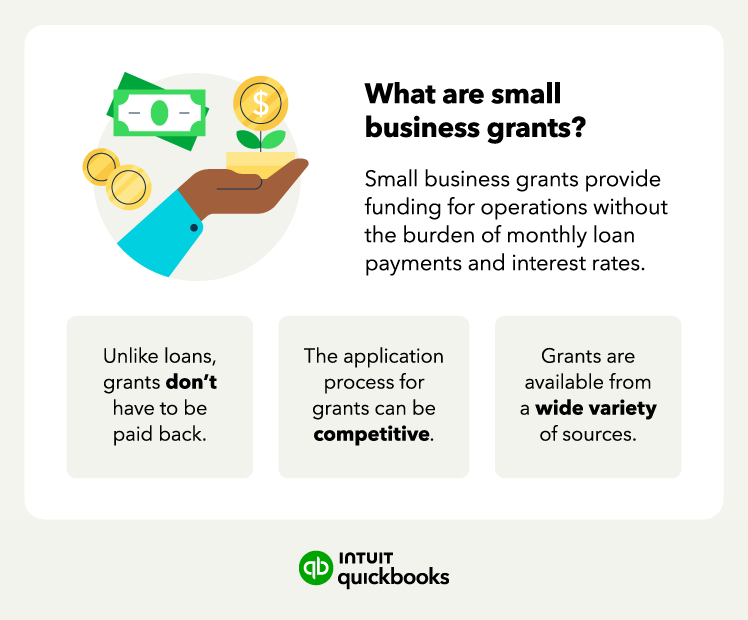
Small business grants are funds disbursed by various entities—governments, corporations, and non-profit organizations—to businesses that meet specific eligibility requirements and propose projects aligned with the grant giver’s objectives. Unlike loans, grants do not need to be repaid. This characteristic makes them incredibly attractive, particularly for startups and businesses with limited access to conventional credit.
Grants come in various forms and from diverse sources:
- Federal Grants: Often large in scope, these are funded by government agencies (e.g., Small Business Administration, National Institutes of Health, Department of Energy) and typically target specific industries, research and development, or projects with significant public benefit. Examples include the Small Business Innovation Research (SBIR) and Small Business Technology Transfer (STTR) programs.
- State and Local Grants: These grants are offered by state economic development agencies, city councils, or county programs. They frequently aim to stimulate local economies, create jobs, revitalize specific neighborhoods, or support businesses in targeted sectors.
- Corporate Grants: Many large corporations establish foundations or philanthropic arms that offer grants to small businesses. These often align with the corporation’s social responsibility initiatives, industry interests, or community engagement goals. For instance, some tech companies might offer grants to startups developing innovative solutions using their platforms.
- Non-Profit and Foundation Grants: A vast array of private foundations and non-profit organizations provide grants based on their specific missions, which could range from environmental sustainability to social justice, arts and culture, or support for underrepresented entrepreneurs.
Why Are Grants Preferred Over Loans?
The primary advantage of grants is their non-repayable nature. This means your business can invest the funds without incurring debt, maintaining a healthier balance sheet, and avoiding interest payments or the need to pledge collateral. Furthermore, unlike equity financing, grants do not require you to give up any ownership or control of your business. This preserves your autonomy and the full future value of your company for you and your shareholders. For businesses focused on research and development, social impact, or those in nascent stages without a strong credit history, grants can be a lifeline, enabling projects that might otherwise be deemed too risky for traditional lenders.
Common Misconceptions About Grants
Despite their appeal, the grant world is often misunderstood. Here are common myths that need debunking:
- Grants are Easy Money for Any Idea: This is perhaps the biggest misconception. Grants are highly competitive, and funds are allocated to specific, well-defined projects that clearly demonstrate impact and alignment with the grantor’s mission. Your “good idea” needs to solve a specific problem identified by the grantor.
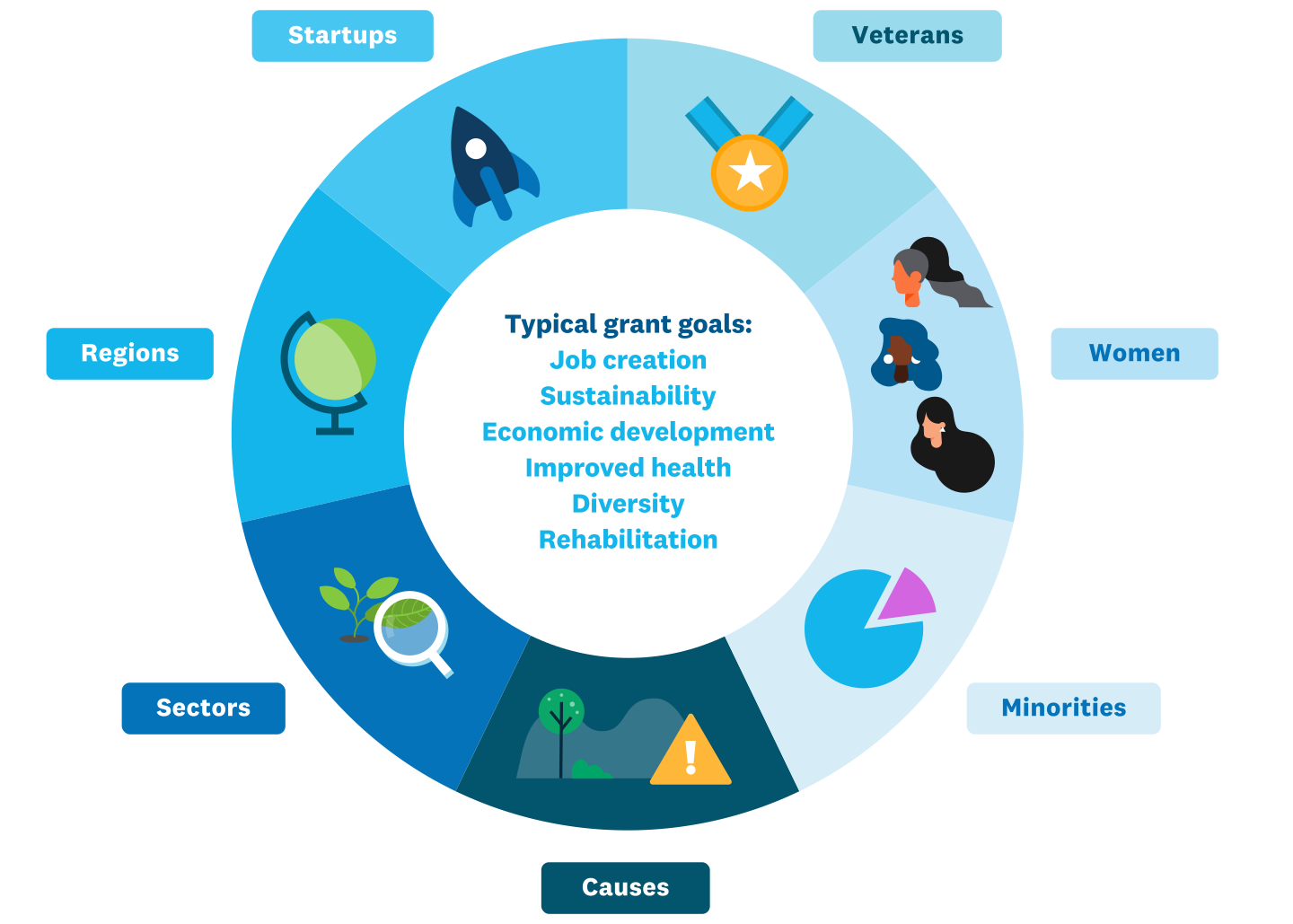
- Grants are for Everyone: Eligibility criteria are strict. Grantors often look for businesses in particular industries, those owned by specific demographics (e.g., women, minorities, veterans), or those operating in certain geographic areas. If you don’t fit the mold, your application will likely be rejected.
- Grants Are Plentiful and Easy to Find: While numerous grants exist, finding the right ones requires extensive research and diligence. General searches often yield grants for non-profits, not for-profit businesses, or for sectors unrelated to your own.
- You Can Apply with a Basic Business Plan: A successful grant application demands far more than a basic plan. It requires a detailed project proposal, a clear budget, measurable outcomes, and a compelling narrative.
Preparing for Your Grant Search
Success in securing a small business grant is largely determined by the groundwork you lay before even identifying a specific grant opportunity. Preparation is key to presenting your business as a credible and deserving recipient.
Define Your Business Needs and Purpose
Before you start looking for grants, you must clearly articulate why you need the funding and what specific problem or project the grant money will address. Grantors want to see a well-defined purpose that aligns with their objectives. Is it for equipment acquisition, product development, market expansion, hiring, or community outreach? A vague request for “general operating expenses” is rarely successful.
Consider these questions:
- What is the specific challenge my business faces that grant funding could solve?
- What measurable outcomes will result from this funding?
- How does this project align with my business’s overall mission and vision?
Having a clear scope will help you filter grant opportunities and tailor your proposals effectively.
Build a Strong Business Foundation
Grantors invest in businesses that are well-managed, have a clear direction, and demonstrate viability. A solid foundation includes:
- A Comprehensive Business Plan: This should detail your executive summary, company description, market analysis, organization and management, service or product line, marketing and sales strategy, and financial projections. It shows you’ve thought through every aspect of your venture.
- Legal Structure and Registration: Ensure your business is properly registered and in good standing with all relevant federal, state, and local authorities.
- Robust Financial Records: Be prepared to present historical financial data (if applicable), current financial statements, and detailed financial projections. This demonstrates financial literacy and accountability.
- Clear Mission, Vision, and Values: Grantors often seek businesses whose ethos aligns with their own. A well-articulated mission and vision statement can strengthen your application.
- Demonstrable Impact: Can you show how your business positively impacts the community, environment, or a specific demographic? This could include job creation, local economic stimulus, innovative solutions to societal problems, or sustainable practices.
Assemble a Comprehensive Grant Toolkit
Think of this as a repository of essential documents and information that can be quickly customized for various grant applications. This toolkit should include:
- An “Elevator Pitch” and Executive Summary: A concise, compelling overview of your business, its mission, and its proposed project.
- Detailed Business Plan Components: Sections that can be easily extracted or summarized for proposals.
- Financial Documents: Income statements, balance sheets, cash flow statements, and projected financials.
- Team Bios: Professional profiles of key personnel, highlighting relevant experience and expertise.
- Letters of Recommendation/Support: From community leaders, advisors, or past clients who can vouch for your business’s impact and integrity.
- Market Research and Data: Statistics, trends, and evidence supporting the need for your product/service and the problem you’re addressing.
- Impact Metrics: Ways to measure the success and broader impact of your grant-funded project.
Having these elements readily accessible and well-organized will significantly streamline the application process and allow you to respond swiftly to opportunities.
Navigating the Grant Application Process
With your business prepared and your toolkit assembled, the next step is to embark on the search and application journey. This phase demands strategic research, meticulous proposal crafting, and strict adherence to guidelines.
Where to Find Grants
The internet is a vast resource, but effective searching requires knowing where to look:
- Government Portals:
- Grants.gov (Federal): The central hub for all federal discretionary grants. Filters allow you to search by agency, category, or keyword.
- SBA.gov (Small Business Administration): Provides information on various federal programs, including SBIR/STTR.
- State & Local Government Websites: Check your state’s economic development agency or local chamber of commerce websites.
- Grant Databases and Search Engines:
- Foundation Directory Online (Candid): A comprehensive database of foundations and corporate funders (subscription required, but often available at public libraries).
- GrantStation, GrantWatch, etc.: Fee-based services that curate grant opportunities.
- Industry-Specific Associations: Many industry associations offer grants or maintain lists of funding opportunities relevant to their members.
- Corporate Philanthropy Pages: Visit the websites of large corporations you admire or whose values align with yours; look for sections on “community,” “foundations,” or “corporate social responsibility.”
- Local Chambers of Commerce and Economic Development Organizations: These entities often have direct knowledge of local funding initiatives.
Due Diligence – Matching Your Business to the Grant
Once you find potential grants, resist the urge to apply for everything. Instead, perform thorough due diligence:
- Read the Request for Proposal (RFP) or Grant Guidelines Carefully: Pay close attention to eligibility requirements (e.g., business size, location, industry, revenue, ownership demographics), funding priorities, and application instructions.
- Align with Mission and Goals: Does your project directly contribute to the grantor’s stated mission? If there’s a disconnect, your application will likely be unsuccessful.
- Review Past Awards: If available, study previous recipients to understand what types of projects the grantor prefers to fund.
- Consider the Time Commitment: Grant applications are time-intensive. Only pursue opportunities where you have a strong chance of success and the potential award justifies the effort.
Crafting a Compelling Grant Proposal
The grant proposal is your opportunity to tell your story, present your project, and persuade the grantor of your worthiness. While formats vary, common sections include:
- Executive Summary: A concise, powerful overview of your business, the problem you address, your proposed solution, the amount of funding requested, and the expected impact. This is often written last but read first.
- Problem Statement/Needs Assessment: Clearly articulate the problem your business or project aims to solve. Use data and statistics to support your claims.
- Project Description: Detail what you plan to do, how you’ll do it, who will be involved, and where it will take place. Be specific and provide a clear timeline.
- Goals, Objectives, and Activities:
- Goals: Broad statements of what you hope to achieve.
- Objectives: Specific, Measurable, Achievable, Relevant, and Time-bound (SMART) statements that contribute to your goals.
- Activities: The actions you will take to achieve your objectives.
- Budget: A detailed breakdown of how you plan to use the requested funds. Justify each expense and demonstrate financial prudence. Grantors often look for matching funds or in-kind contributions, showing you have other skin in the game.
- Organizational Capacity/Qualifications: Highlight your team’s expertise, experience, and the organizational structure that ensures successful project execution.
- Evaluation Plan: Explain how you will measure the success and impact of your project. What metrics will you use, and how will you collect data?
- Sustainability Plan: How will your project or its impact continue after the grant funding ends? Grantors prefer projects with a lasting legacy.
The Importance of Storytelling and Impact
Beyond facts and figures, a powerful grant proposal tells a compelling story. Help the grantor visualize the positive change your business will create. Emphasize:
- Innovation: How is your approach novel or more effective than existing solutions?
- Community Benefit: How will your project improve lives, create jobs, or solve a critical local issue?
- Economic Impact: What will be the broader economic ripple effect of your funded project?
- Personal Connection: While professional, a touch of passion and commitment can make your application more memorable.
Meticulous Application Submission
The final step before submission is critical:
- Follow Instructions Precisely: Do not deviate from formatting guidelines, page limits, or required attachments. Missing a single requirement can lead to immediate disqualification.
- Proofread Religiously: Typos, grammatical errors, and inconsistencies undermine your professionalism. Have multiple people review your application.
- Meet Deadlines: Submit your application well in advance of the deadline to avoid technical glitches or last-minute panic.
- Keep Copies: Always retain a complete copy of your submitted application for your records.
After Submission: What’s Next?
Submitting your grant application is not the end of the process; it’s a transition into a new phase that requires patience, learning, and potentially, ongoing engagement.
Patience and Persistence
The grant review process can be lengthy, sometimes taking several months. During this waiting period, avoid getting discouraged. If you don’t hear back immediately, it doesn’t necessarily mean a rejection. Continue to operate your business, explore other funding avenues, and keep an eye out for new grant opportunities. The grant world is highly competitive, and rejection is a common part of the journey. What matters is your ability to persist and refine your approach.
Learning from Rejections
If your application is unsuccessful, view it as a learning opportunity rather than a failure. Many grantors, especially larger foundations or government agencies, are willing to provide feedback on rejected applications.
- Request Feedback: Politely inquire if feedback is available. Understanding the weaknesses in your proposal can be invaluable for future applications.
- Analyze and Refine: Use the feedback to identify areas for improvement in your project design, proposal writing, budget, or alignment with grantor priorities.
- Don’t Give Up: Use rejections to strengthen your next application. Many successful grant recipients were rejected multiple times before finally securing funding.
Grant Management and Reporting (If Awarded)
Congratulations! If your business is awarded a grant, the work isn’t over—it’s just beginning. Grant management is crucial for maintaining a positive relationship with the funder and ensuring future funding opportunities.
- Understand Grant Agreements: Carefully review and understand all terms and conditions of the grant agreement, including reporting requirements, allowable expenses, and compliance mandates.
- Financial Tracking: Maintain meticulous financial records for all grant expenditures. This often requires setting up separate accounts or tracking systems to demonstrate that funds are being used precisely as outlined in your approved budget.
- Impact Reporting: Fulfill all reporting obligations regarding the progress and impact of your project. This typically involves submitting periodic narrative and financial reports, detailing achievements against your stated objectives, challenges encountered, and how funds were expended.
- Build Relationships: Maintain open communication with your grant officer. Keep them informed of significant milestones, challenges, or changes, and be responsive to their inquiries. A positive relationship can lead to future funding or recommendations.
- Compliance and Audits: Be prepared for potential audits or site visits to verify compliance with grant terms.
Diligently managing your grant not only ensures the successful execution of your project but also builds your business’s reputation as a reliable and impactful recipient, enhancing your credibility for future funding pursuits.

Conclusion
Securing small business grants is a strategic, often lengthy, but ultimately rewarding endeavor. It requires more than just a good business idea; it demands thorough preparation, an understanding of the grant ecosystem, meticulous proposal writing, and unwavering persistence. By clearly defining your needs, building a robust business foundation, diligently researching opportunities, crafting compelling narratives, and adhering strictly to application guidelines, you significantly increase your chances of success.
While the competition is fierce and rejections are part of the process, the non-repayable nature of grant funding makes it an invaluable resource for small businesses aiming to innovate, grow, and make a tangible impact. Approach the grant search with professionalism, insight, and an engaging vision for your business, and you’ll be well-positioned to unlock the capital needed to transform your entrepreneurial dreams into reality.
aViewFromTheCave is a participant in the Amazon Services LLC Associates Program, an affiliate advertising program designed to provide a means for sites to earn advertising fees by advertising and linking to Amazon.com. Amazon, the Amazon logo, AmazonSupply, and the AmazonSupply logo are trademarks of Amazon.com, Inc. or its affiliates. As an Amazon Associate we earn affiliate commissions from qualifying purchases.