
Embarking on the entrepreneurial journey is often a thrilling endeavor, driven by innovation, passion, and the desire to solve problems. However, the path from a brilliant idea to a thriving business is frequently paved with a significant financial hurdle: securing adequate funding. For many aspiring founders, understanding the landscape of startup financing can be as complex as developing their core product or service. This comprehensive guide aims to demystify the process, providing actionable insights into how to successfully acquire the capital necessary to launch and scale your startup.
The quest for funding isn’t just about finding money; it’s about strategically aligning your vision with the right financial partners and instruments that can fuel your growth without compromising your long-term objectives. It requires meticulous planning, an acute understanding of your financial needs, and the ability to articulate your business’s value proposition compellingly.
I. Laying the Foundation: Essential Pre-Funding Steps
Before you even think about approaching investors or applying for loans, a substantial amount of preparatory work is required. This foundational phase is crucial for building credibility, clarifying your vision, and demonstrating the viability of your venture. A well-prepared founder is a confident founder, and confidence is key to attracting capital.
A. Crafting a Robust Business Plan
Your business plan is more than just a document; it’s the blueprint of your entire operation and the primary tool for communicating your vision to potential funders. It must be comprehensive, logical, and persuasive.
- Executive Summary: A concise overview of your business, its mission, and its financial highlights. This is often the only part many busy investors read initially.
- Company Description: Detail what your business does, its legal structure, and its unique selling proposition.
- Market Analysis: Demonstrate a deep understanding of your target market, industry trends, competition, and how you plan to carve out your niche.
- Organization & Management: Introduce your team, highlighting their relevant experience and expertise. Funders invest in people as much as ideas.
- Service or Product Line: Clearly describe what you’re offering and its benefits.
- Marketing & Sales Strategy: Outline how you will reach your customers and generate revenue.
- Financial Projections: This is arguably the most critical section for funders. Include detailed startup costs, projected profit and loss statements, cash flow analysis, and balance sheets for at least three to five years. Be realistic, but also demonstrate a clear path to profitability and growth.
- Funding Request: Clearly state how much capital you need, how you plan to use it, and what the return on investment will be for the funder.
B. Understanding Your Financial Needs
Before you ask for money, you must know precisely how much you need and for what purpose. This involves a detailed financial breakdown.
- Startup Costs: List all initial expenses, such as legal fees, permits, equipment, software licenses, website development, initial inventory, and marketing materials.
- Operating Costs: Project your monthly fixed and variable expenses, including rent, utilities, salaries, marketing, supplies, and professional services.
- Runway: Determine how long your current funds will last without additional income. A common goal is to have enough capital to operate for 12-18 months. This gives you time to hit milestones and potentially raise your next round of funding.
- Valuation: While often complex and subjective for early-stage startups, having a general idea of your company’s potential valuation will inform how much equity you’re willing to give away in exchange for capital.
C. Building a Strong Founding Team
Investors don’t just back ideas; they back people. A strong, experienced, and committed founding team significantly enhances your credibility. Highlight the complementary skills, industry expertise, and passion within your team. Demonstrate that your team has the capability to execute the business plan and overcome challenges.
D. Protecting Your Intellectual Property
If your startup relies on unique technology, a proprietary process, or a distinctive brand, ensuring legal protection for your intellectual property (IP) is paramount. This can include patents, trademarks, and copyrights. IP not only safeguards your competitive advantage but also adds significant value to your company, making it more attractive to investors.
II. Exploring Early-Stage Funding Avenues
Once your foundational elements are in place, it’s time to explore the various avenues available for securing early-stage capital. These options often differ significantly in terms of the amount of money, the strings attached, and the type of investors involved.
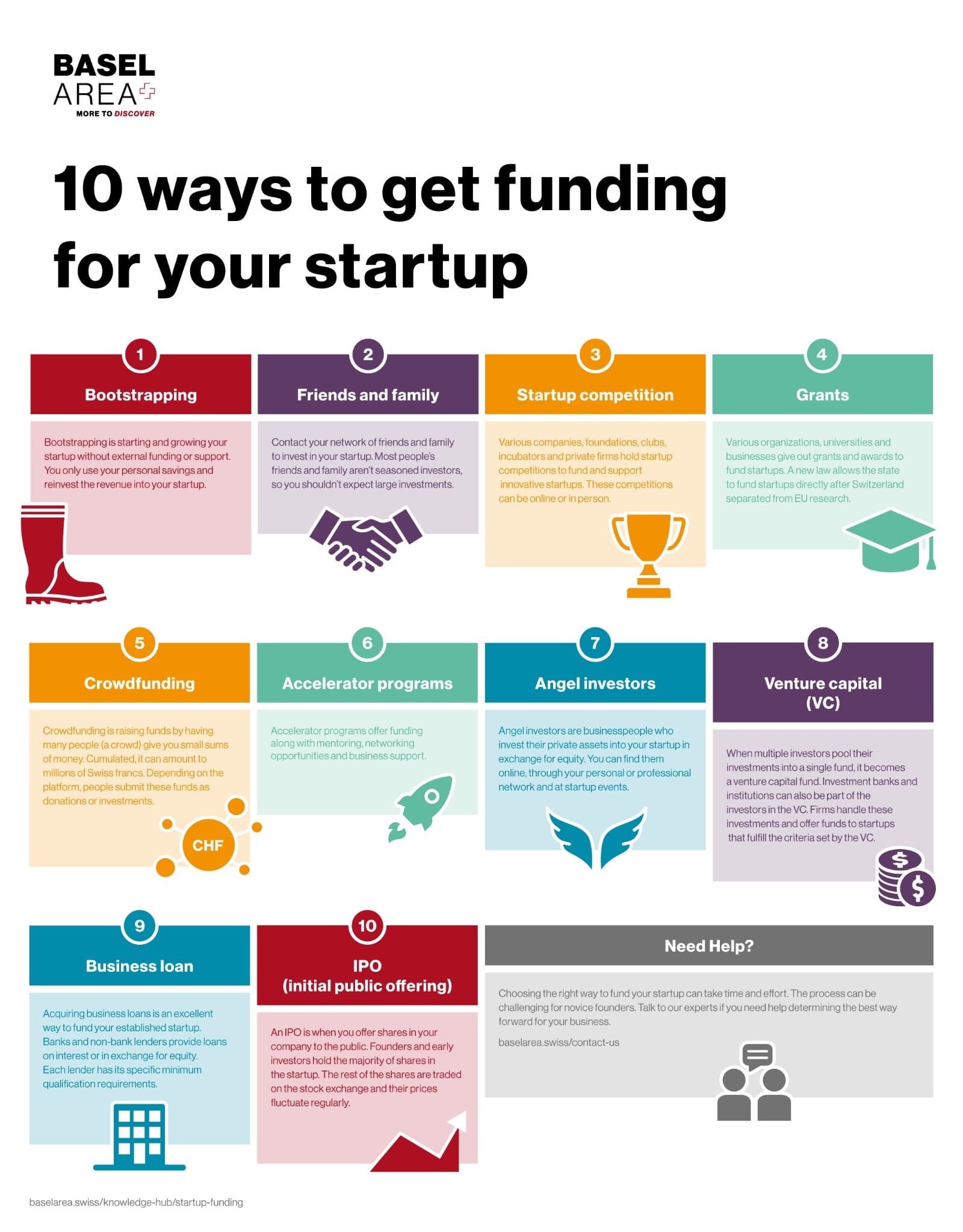
A. Self-Funding (Bootstrapping)
Bootstrapping means funding your startup with your own personal savings, credit cards, or by generating revenue from early sales. It’s often the first and most challenging source of funding.
- Advantages: You maintain full ownership and control of your company, avoid debt, and are forced to be incredibly resourceful and lean.
- Disadvantages: Limited capital can restrict growth, increase personal financial risk, and delay market entry.
B. Friends and Family Rounds
Often the next logical step after bootstrapping, this involves soliciting investments from your immediate social circle.
- Benefits: Easier to secure than institutional funding due to pre-existing trust, often comes with more flexible terms.
- Potential Pitfalls: Can strain personal relationships if the business fails or expectations are mismanaged. It’s crucial to treat these investments professionally with clear documentation (e.g., promissory notes, convertible notes, or equity agreements).
C. Grants and Competitions
Grants provide non-dilutive funding, meaning you don’t give up equity in exchange for the money. They are typically awarded based on specific criteria or for innovation in particular sectors.
- Government Grants: Agencies often have programs for small businesses or those focusing on specific scientific or technological advancements (e.g., SBIR/STTR grants in the US).
- Foundation Grants: Private foundations may offer funding for businesses with a social mission or those addressing specific community needs.
- Startup Competitions: Many accelerators, universities, and industry organizations host pitch competitions with cash prizes and sometimes even investment opportunities.
D. Crowdfunding Platforms
Crowdfunding leverages the power of the internet to raise small amounts of money from a large number of individuals.
- Rewards-Based Crowdfunding (e.g., Kickstarter, Indiegogo): Individuals pre-order products or pledge money in exchange for non-financial rewards. Excellent for validating market interest and generating initial sales.
- Equity Crowdfunding (e.g., SeedInvest, StartEngine): Allows unaccredited investors to buy equity in private companies, typically with lower minimum investment thresholds than traditional angel or VC rounds.
- Debt Crowdfunding (e.g., LendingClub): Businesses can borrow money from a collective of lenders.
III. Navigating Equity and Debt Financing
As your startup grows and requires more substantial capital, you’ll likely explore more traditional forms of equity or debt financing. These options come with different expectations regarding return on investment and company control.
A. Angel Investors
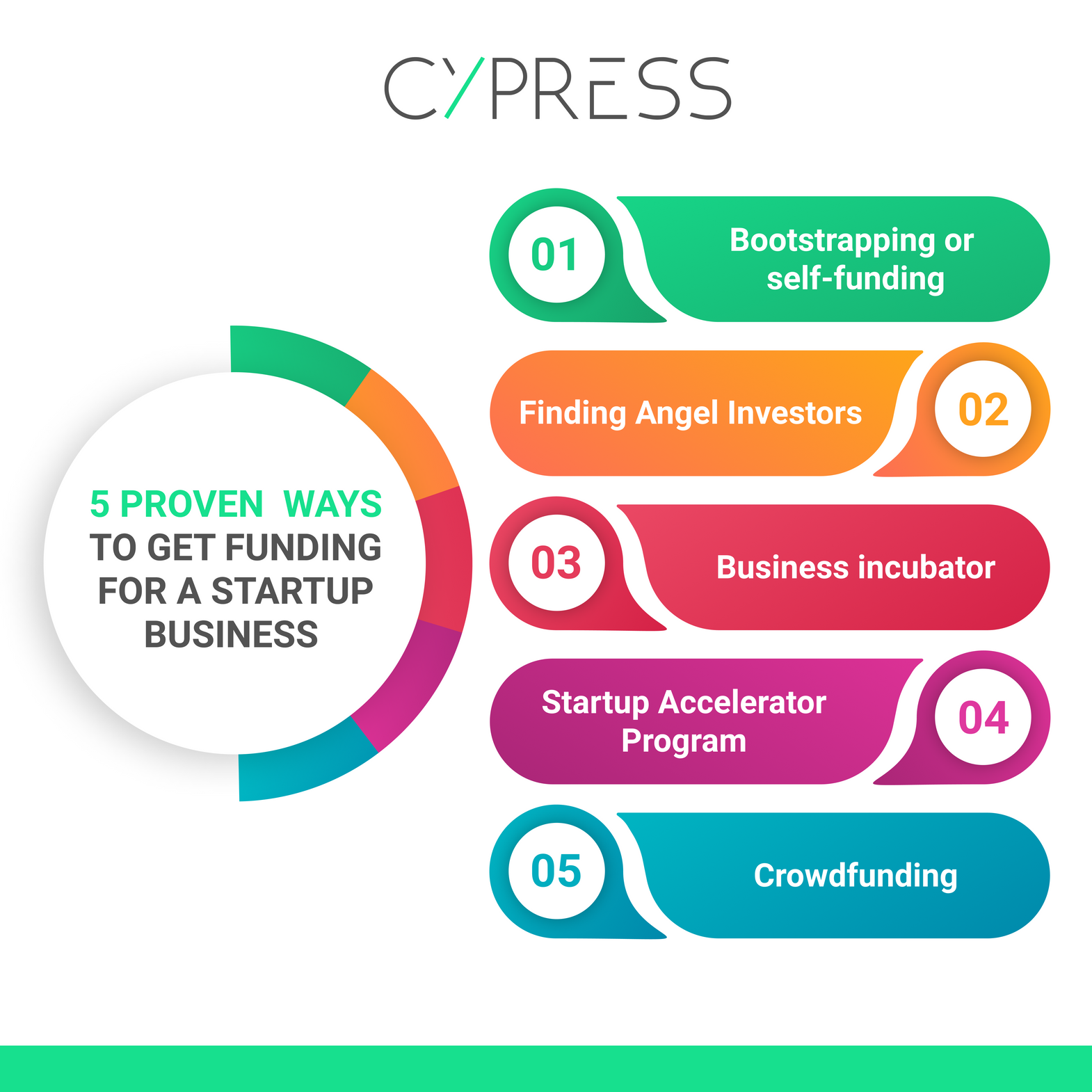
Angel investors are high-net-worth individuals who invest their own money directly into early-stage companies, typically in exchange for equity.
- Characteristics: They often bring not only capital but also invaluable mentorship, industry connections, and strategic advice.
- Investment Size: Investments typically range from tens of thousands to a few million dollars.
- Finding Angels: Network extensively, attend industry events, join online platforms (e.g., AngelList), and leverage introductions from advisors.
B. Venture Capital (VC) Firms
Venture Capital firms manage pooled funds from institutional investors (pension funds, endowments, etc.) and invest in high-growth potential startups, usually in later stages than angels.
- Focus: VCs seek significant returns on their investments and typically invest larger sums (millions to hundreds of millions of dollars). They expect a clear path to an “exit” (e.g., acquisition or IPO).
- Due Diligence: VC firms conduct extensive due diligence, scrutinizing every aspect of your business.
- Involvement: They often take board seats and have a more active role in guiding the company’s strategy.
C. Bank Loans and Lines of Credit
Traditional banks offer various loan products for businesses, though they are often more challenging for early-stage startups without significant assets or revenue history.
- SBA Loans (Small Business Administration): Government-backed loans (in the U.S.) make it easier for banks to lend to small businesses. They often have more favorable terms and lower down payments.
- Term Loans: Fixed repayment schedule, often used for specific asset purchases or working capital.
- Lines of Credit: Flexible borrowing up to a certain limit, useful for managing cash flow fluctuations.
- Requirements: Banks typically require a solid business plan, collateral, good personal credit, and often a proven track record of revenue.
D. Alternative Lenders and Revenue-Based Financing
The FinTech revolution has given rise to numerous alternative lending options that may be more accessible to startups than traditional banks.
- Online Lenders: Offer quicker approval processes and more flexible terms than traditional banks, often at higher interest rates.
- Revenue-Based Financing (RBF): Investors provide capital in exchange for a percentage of the company’s future revenue, often until a certain multiple of the initial investment is repaid. This is a non-dilutive option that aligns investor returns with company performance.
IV. Mastering the Art of the Pitch and Due Diligence
Securing funding is as much about the product and market as it is about your ability to present your vision and prepare for intense scrutiny. The pitch and subsequent due diligence phases are critical to closing a deal.
A. Developing a Compelling Pitch Deck
Your pitch deck is a visual narrative of your business, designed to engage and persuade potential investors. It should be concise, professional, and tell a compelling story.
- The Problem: Clearly articulate the pain point you are solving.
- The Solution: Introduce your product/service and how it addresses the problem.
- Market Opportunity: Quantify the size of your target market.
- Business Model: Explain how you make money.
- Traction/Milestones: Showcase any achievements, user growth, revenue, or partnerships.
- Team: Reiterate the strength and experience of your founders.
- Financials: Summarize key projections and funding asks.
- The Ask: State precisely how much money you’re seeking and how it will be used to achieve specific milestones.
B. Preparing for Investor Scrutiny (Due Diligence)
Once an investor expresses serious interest, they will initiate a thorough due diligence process. This is where they verify everything you’ve presented and assess the risks.
- Data Room: Prepare a virtual data room with all relevant legal, financial, operational, and intellectual property documents. This includes incorporation documents, financial statements, customer contracts, employee agreements, IP registrations, and market research.
- Financial Records: Ensure all your financial records are meticulously organized and verifiable. Be ready to explain your projections and assumptions.
- Market Validation: Provide evidence of market demand, customer testimonials, and competitive analysis.
- Legal Review: Be prepared for a legal review of your corporate structure, contracts, and compliance.
C. Negotiation and Term Sheets
If due diligence is satisfactory, investors will present a term sheet, outlining the proposed investment terms. This document covers critical aspects like valuation, the amount of equity they will receive, investor rights, board representation, and exit preferences. This stage requires careful negotiation, potentially with legal counsel, to ensure the terms are fair and align with your long-term vision. Understanding the implications of anti-dilution clauses, liquidation preferences, and vesting schedules is crucial.
V. Beyond the Initial Investment: Managing and Scaling Funds
Securing funding is a significant milestone, but it’s just the beginning. Effective financial management and strategic use of capital are vital for sustainable growth and attracting future investment.
A. Prudent Financial Management
Once funded, your responsibility to manage that capital wisely intensifies.
- Budgeting: Adhere strictly to your budget, constantly monitoring expenses against projections.
- Cash Flow Forecasting: Maintain accurate and frequently updated cash flow forecasts to anticipate future needs and avoid liquidity crises.
- Expense Tracking: Implement robust systems for tracking every dollar spent to ensure accountability and identify areas for optimization.
- Key Performance Indicators (KPIs): Define and track financial and operational KPIs that demonstrate progress towards your business goals and signal readiness for subsequent funding rounds.
B. Building Investor Relations
Your investors are more than just sources of capital; they are partners in your journey. Nurturing strong relationships is paramount.
- Regular Updates: Provide consistent, transparent updates on your progress, challenges, and financial performance.
- Seek Advice: Leverage their expertise and networks; investors often bring invaluable strategic guidance.
- Transparency: Be honest about setbacks and seek their input on how to overcome them. Trust is built on transparency.

C. Preparing for Future Funding Rounds
Rarely does a startup secure all the funding it ever needs in one go. Growth often necessitates multiple rounds of investment.
- Milestones: Clearly define the milestones you need to achieve with your current funding to justify a higher valuation and attract new investors for the next round.
- Growth Metrics: Continuously track and optimize key growth metrics (e.g., customer acquisition cost, customer lifetime value, monthly recurring revenue) that demonstrate the scalability and attractiveness of your business.
- Networking: Continue to build relationships with potential future investors, even when you’re not actively fundraising.
Securing funding for a startup is an arduous but ultimately rewarding process. It demands foresight, resilience, and a deep understanding of financial principles. By meticulously preparing your business, strategically choosing the right funding avenues, mastering the art of the pitch, navigating due diligence with integrity, and prudently managing your capital, you significantly increase your chances of transforming your innovative idea into a flourishing enterprise. Remember, funding is merely a tool; your vision, execution, and team remain the true engines of your startup’s success.
aViewFromTheCave is a participant in the Amazon Services LLC Associates Program, an affiliate advertising program designed to provide a means for sites to earn advertising fees by advertising and linking to Amazon.com. Amazon, the Amazon logo, AmazonSupply, and the AmazonSupply logo are trademarks of Amazon.com, Inc. or its affiliates. As an Amazon Associate we earn affiliate commissions from qualifying purchases.