
Securing a business loan is often a pivotal step for growth, expansion, or simply managing cash flow. However, the approval process can be complex and daunting without proper preparation. Lenders scrutinize numerous aspects of your business and personal financial history to assess risk and ensure repayment capacity. Understanding their criteria and meticulously preparing your application are crucial for increasing your chances of approval. This guide delves into the essential elements necessary to navigate the business loan landscape successfully.
Understanding Lender Expectations and Criteria
Before you even begin filling out forms, it’s vital to grasp what lenders look for. Their primary goal is to minimize risk while maximizing their return. This assessment typically revolves around what are often referred to as the “5 Cs of Credit”: Character, Capacity, Capital, Collateral, and Conditions.
Character: Your Track Record and Integrity
Lenders want to know they are lending to a trustworthy individual or entity. This is assessed through your personal and business credit scores, your payment history, and even your industry reputation. A strong credit history, free from defaults or numerous late payments, demonstrates responsible financial management. This also encompasses the experience and expertise of the business owner and management team. A solid, well-articulated business plan further speaks to the character and foresight of the leadership.
Capacity: Ability to Repay
This is arguably the most critical factor. Lenders meticulously evaluate your business’s ability to generate sufficient cash flow to cover loan repayments in addition to its operating expenses. They will analyze historical financial statements, project future revenues, and examine your debt-to-income ratio. Strong, consistent revenue streams and healthy profit margins are key indicators of repayment capacity. For startups, projections must be realistic and backed by thorough market research and a compelling business model.
Capital: Your Skin in the Game
Lenders prefer to see that business owners have a significant financial stake in their own venture. This demonstrates commitment and reduces the lender’s risk. The amount of personal investment you’ve made into your business, as well as any retained earnings, contributes to your capital. A higher equity contribution signals confidence in the business’s future and aligns your interests with the lender’s.
Collateral: Security for the Loan
Many business loans, especially traditional term loans, require collateral. This acts as security for the lender, providing an asset they can seize and sell to recover funds if you default on the loan. Common forms of collateral include real estate, equipment, accounts receivable, or inventory. If you don’t have significant assets to pledge, some loans might be secured by a personal guarantee, meaning your personal assets could be at risk if the business fails to repay.
Conditions: Economic Environment and Loan Purpose
Lenders consider the prevailing economic conditions, industry trends, and the specific purpose of the loan. For example, lending practices might be tighter during an economic downturn. The loan’s purpose should be clearly defined and demonstrate a logical path to revenue generation or cost savings, such as purchasing new equipment to increase production or funding a marketing campaign to expand market share. Lenders are more likely to approve loans for purposes that clearly enhance the business’s financial viability.
Preparing Your Comprehensive Application Package
A well-organized and thorough application package is paramount. It not only provides lenders with the necessary information but also demonstrates your professionalism and attention to detail.
Essential Financial Statements
These documents paint a clear picture of your business’s financial health.
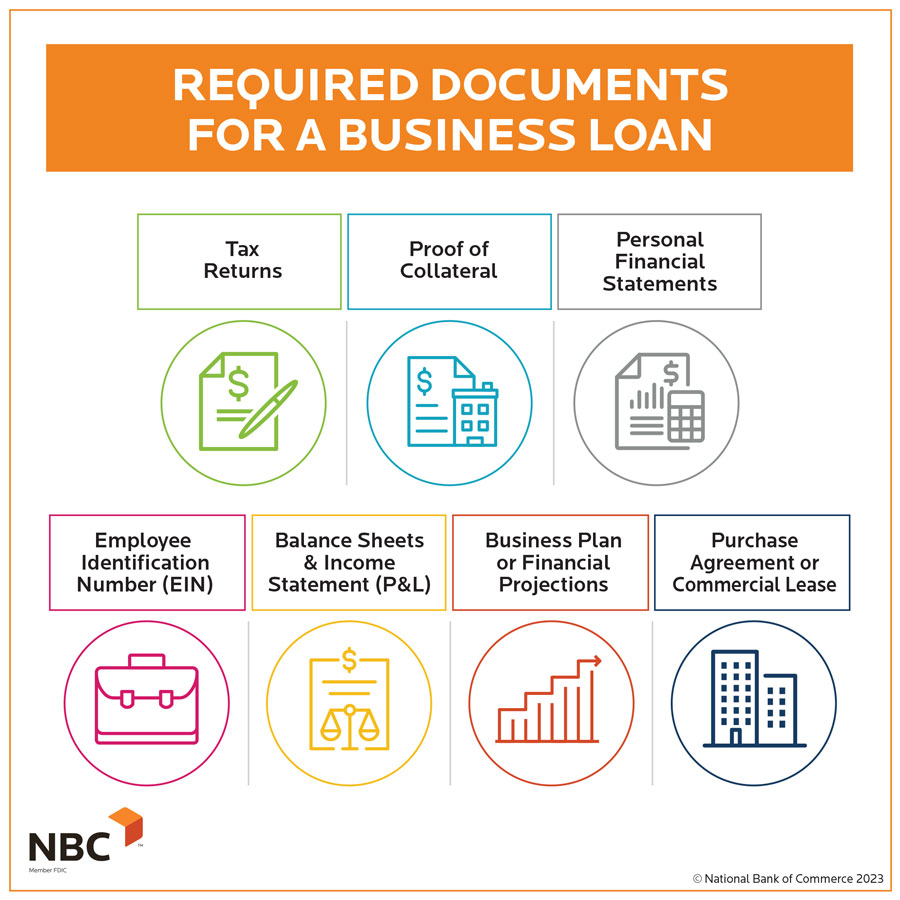
- Profit & Loss (Income) Statements: Typically required for the past 2-3 years, along with interim statements for the current year. These show your revenues, expenses, and net profit or loss over a period.
- Balance Sheets: Provided for the past 2-3 years, and an interim balance sheet. This snapshot shows your assets, liabilities, and equity at a specific point in time.
- Cash Flow Statements: Crucial for understanding how cash moves in and out of your business. Lenders want to see consistent positive operational cash flow.
- Projections: For new businesses or significant expansions, 1-3 years of financial projections (P&L, Balance Sheet, Cash Flow) are often required. These must be well-researched and defensible.
Tax Returns
Lenders will usually request your business tax returns for the past 2-3 years, and potentially personal tax returns for all owners with significant equity stakes. This provides an independent verification of your reported income and expenses.
Business Plan
A robust business plan is more than just a formality; it’s a strategic roadmap. It should detail your business’s mission, management team, market analysis, products/services, marketing strategy, operational plan, and, critically, your financial projections. It demonstrates your understanding of your market, your operational efficiency, and your growth potential. For startups, this document is foundational.
Legal and Business Documents
Ensure all your legal entity documents are in order.
- Articles of Incorporation/Organization: Proof of legal entity formation.
- Bylaws or Operating Agreement: Outlines the operational rules and ownership structure.
- Business Licenses and Permits: Demonstrates compliance with regulatory requirements.
- Lease Agreements: If you operate from a leased premise.
- Resumes of Key Management: Highlights the experience and qualifications of your leadership team.
Personal Financial Information
For small businesses, especially those without extensive credit history, lenders often require personal financial statements from the principal owners. This includes a list of personal assets (real estate, investments, savings) and liabilities (mortgages, personal loans, credit card debt). Your personal credit score will also be a significant factor, as it reflects your overall financial responsibility.
Exploring Different Loan Types and Lenders
The right loan product depends heavily on your specific needs, the stage of your business, and your financial profile.
Traditional Bank Loans
These include term loans, lines of credit, and Small Business Administration (SBA) guaranteed loans.
- Term Loans: A lump sum of money repaid over a fixed period with regular installments. Ideal for large, one-time investments like equipment purchases or expansion.
- Lines of Credit: Provides access to a revolving credit limit, allowing you to draw funds as needed and repay them. Excellent for managing working capital fluctuations or unforeseen expenses.
- SBA Loans: Backed by the U.S. Small Business Administration, these loans are actually provided by traditional lenders but carry a government guarantee, making them less risky for banks. This often translates to more favorable terms, lower down payments, and longer repayment periods for borrowers who might not qualify for conventional bank loans.
Online Lenders
The rise of fintech has introduced a plethora of online lenders, often characterized by quicker application processes and faster funding times. They may have less stringent requirements than traditional banks, but this can sometimes come with higher interest rates or shorter repayment terms. They are suitable for businesses needing urgent capital or those with limited operating history. Examples include short-term loans, merchant cash advances, or invoice factoring.
Alternative Financing Options
- Invoice Factoring: Selling your outstanding invoices to a third party at a discount to get immediate cash. Useful for businesses with slow-paying clients.
- Equipment Financing: Loans specifically for purchasing machinery or equipment, with the equipment itself often serving as collateral.
- Venture Capital/Angel Investors: While not traditional loans, these provide equity financing in exchange for ownership stakes. More common for high-growth startups with significant potential.
Strengthening Your Business’s Financial Profile
Even if you’re not applying for a loan right now, continuous effort to improve your business’s financial health will pay dividends when the time comes.
Improve Your Credit Scores
Both personal and business credit scores are critical.
- Pay Bills on Time: Consistency is key. Late payments can severely damage your scores.
- Reduce Debt: Lowering your debt-to-income ratio signals less risk to lenders.
- Monitor Your Credit Reports: Regularly check for errors and dispute any inaccuracies.
- Establish Business Credit: If you’re new, open vendor accounts that report to business credit bureaus and apply for a business credit card.
Optimize Cash Flow Management
Strong cash flow is the lifeblood of any business.
- Accelerate Receivables: Implement efficient invoicing and collection processes.
- Manage Payables Strategically: Take advantage of payment terms without being late.
- Control Expenses: Regularly review and cut unnecessary costs.
- Maintain Cash Reserves: Build an emergency fund to buffer against unexpected expenses or dips in revenue.
Develop a Strong Relationship with Your Bank
If you have a primary business bank, cultivating a relationship with a loan officer can be incredibly beneficial. They can offer personalized advice, help you understand different loan products, and guide you through the application process. A long-standing banking relationship can sometimes give you an edge, especially if your business has a positive financial history with the institution.
Navigating the Application Process and Beyond
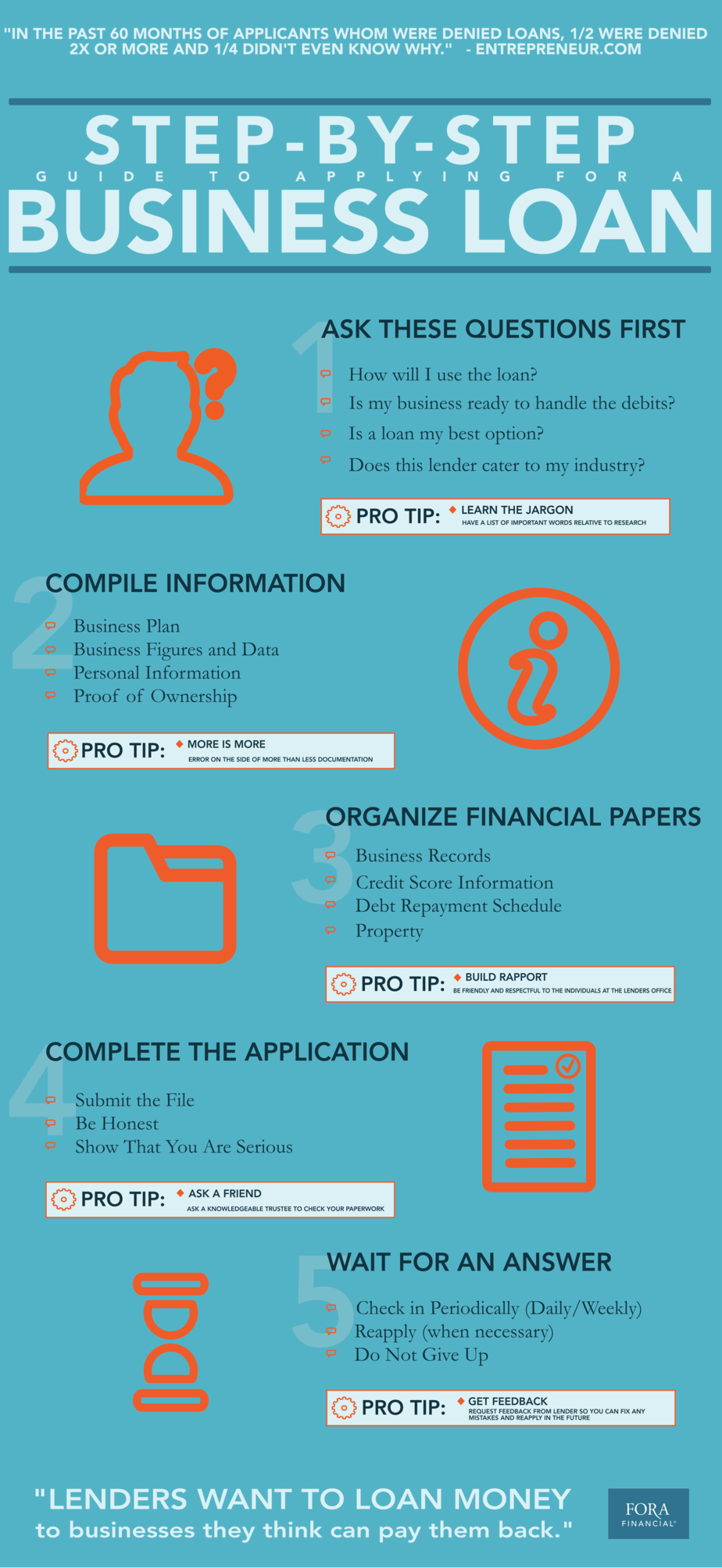
Once your application is submitted, the process typically involves several stages.
The Due Diligence Phase
Lenders will meticulously review all provided documents, often requesting additional information or clarification. Be prepared to answer detailed questions about your business operations, financials, and future plans. This might involve an interview with the loan officer or even a site visit for larger loans. Transparency and prompt responses during this phase are crucial.
Loan Approval and Closing
If your application is successful, you’ll receive a loan offer outlining the terms, interest rate, repayment schedule, and any covenants (conditions you must adhere to during the loan term). Carefully review this document, and don’t hesitate to seek legal or financial advice if anything is unclear. Once you accept, you’ll proceed to the closing, where final documents are signed and funds are disbursed.

Post-Approval Compliance
The relationship with your lender doesn’t end after approval. Many business loans come with covenants, such as maintaining certain financial ratios, providing updated financial statements regularly, or limits on additional debt. Adhering to these terms is vital to maintaining your good standing and ensures you can access future financing if needed.
Getting approved for a business loan requires a combination of robust financial health, meticulous preparation, and a clear understanding of what lenders prioritize. By focusing on building a strong financial profile and presenting a compelling case, you significantly increase your likelihood of securing the capital needed to drive your business forward.
aViewFromTheCave is a participant in the Amazon Services LLC Associates Program, an affiliate advertising program designed to provide a means for sites to earn advertising fees by advertising and linking to Amazon.com. Amazon, the Amazon logo, AmazonSupply, and the AmazonSupply logo are trademarks of Amazon.com, Inc. or its affiliates. As an Amazon Associate we earn affiliate commissions from qualifying purchases.