
Securing external capital is a pivotal step for many small businesses aiming to scale, innovate, or simply sustain operations during growth phases. While bootstrapping offers autonomy, investor funds can provide the necessary runway and strategic leverage. Navigating the investment landscape requires a clear understanding of financial needs, investor expectations, and a well-articulated plan for growth and return on investment.
Understanding Your Capital Needs and Business Valuation
Before approaching any potential investor, it’s crucial to have a precise understanding of how much capital your business requires and what that capital will be used for. Equally important is a realistic valuation of your business, as this will determine the equity stake an investor expects for their funds.
Determining Your Funding Requirements
Start by meticulously detailing your financial projections. This isn’t just about covering immediate operational costs; it’s about funding specific milestones that will drive growth and profitability. Consider the following:
- Operational Expenses: Salaries, rent, utilities, marketing, and administrative costs for a defined period (e.g., 12-18 months).
- Capital Expenditures: New equipment, technology upgrades, property improvements.
- Inventory and Working Capital: Funds needed to manage day-to-day operations, including purchasing inventory and covering receivables.
- Product Development/Service Expansion: Costs associated with R&D, market testing, and launching new offerings.
- Contingency Fund: An essential buffer for unexpected expenses or market downturns, typically 10-20% of total requirements.
A detailed use-of-funds statement demonstrates financial prudence and foresight to potential investors.
Valuing Your Small Business
Valuation is more art than science, especially for early-stage businesses without significant revenue or assets. Common valuation methods include:
- Discounted Cash Flow (DCF): Projects future cash flows and discounts them back to a present value. This requires solid financial projections.
- Asset-Based Valuation: Calculates the total value of a company’s assets (tangible and intangible) minus its liabilities. More suitable for asset-heavy businesses.
- Market Multiples: Compares your business to similar companies that have recently been acquired or received investment, using metrics like revenue or EBITDA multiples.
- Venture Capital Method: Often used for startups, it works backward from a target exit valuation, considering the investor’s required return.
- Scorecard Method/Berkus Method: Qualitative methods that assess various factors like team strength, market size, technology, and strategic relationships, assigning a pre-money valuation based on these attributes.
Engaging a financial advisor can provide an unbiased and defensible valuation, which is critical for fair equity negotiations.
Crafting a Compelling Financial Plan
Your financial plan is the backbone of your investment pitch. It should include:
- Historical Financials: If applicable, provide profit & loss statements, balance sheets, and cash flow statements for the past 2-3 years.
- Detailed Projections: Project revenues, costs, and profits for the next 3-5 years, supported by clear assumptions.
- Key Performance Indicators (KPIs): Highlight relevant metrics that demonstrate growth potential and operational efficiency (e.g., customer acquisition cost, customer lifetime value, churn rate).
- Break-Even Analysis: Show investors when they can expect your business to become profitable.
- Return on Investment (ROI) Projections: Clearly articulate the potential financial returns for investors, including possible exit strategies (e.g., acquisition, IPO).
A robust financial plan demonstrates the viability and growth potential of your business, giving investors confidence in their potential returns.
Exploring Different Investor Types
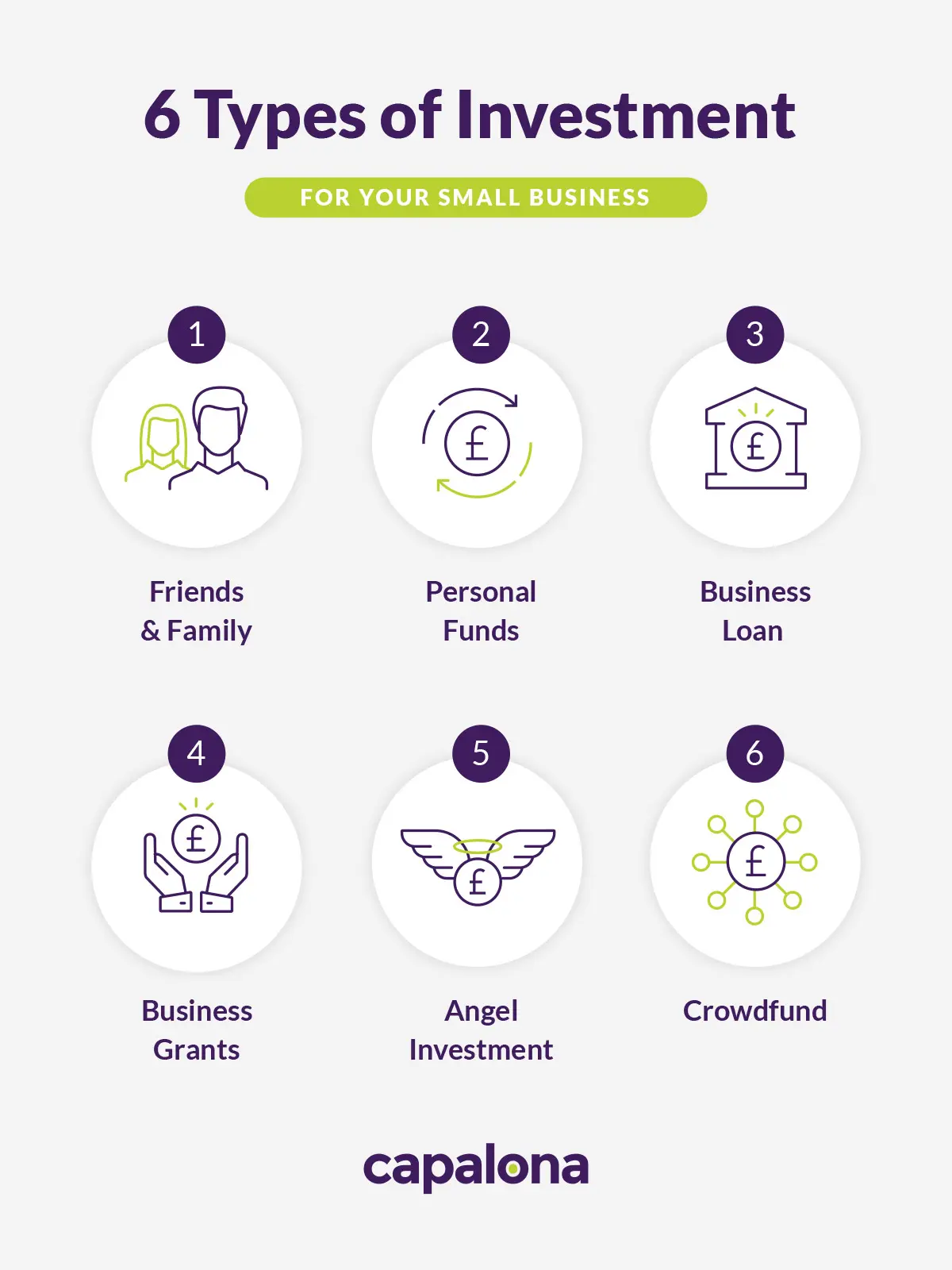
The world of investment is diverse, with various types of investors suited to different stages and sizes of small businesses. Understanding these distinctions is key to targeting the right funding source.
Bootstrapping and Personal Funds
Before seeking external capital, many small business owners leverage their own savings, credit cards, or personal loans. While not “investors” in the traditional sense, these funds represent the ultimate commitment to your venture and can be a significant signal to future investors that you have skin in the game. It conserves equity and forces financial discipline.
Friends, Family, and Fools (FFF)
Often the first external capital source for startups, FFF investors are typically individuals who know and trust the entrepreneur. While they may offer more flexible terms than institutional investors, it’s crucial to formalize agreements with promissory notes or equity contracts to avoid future misunderstandings and maintain professional boundaries.
Angel Investors
Angel investors are high-net-worth individuals who provide capital for a startup or small business, usually in exchange for convertible debt or ownership equity. They often bring not only capital but also invaluable mentorship, industry connections, and strategic advice, leveraging their own business experience. Angels typically invest smaller amounts (tens of thousands to a few million dollars) than venture capital firms and often focus on early-stage companies. They can be found through professional networks, online platforms, and angel investor groups.
Venture Capital Firms (VCs)
Venture capital firms manage funds from institutional investors (like pension funds, university endowments) and deploy them into companies with high growth potential, typically in exchange for significant equity. VCs are less common for very small or lifestyle businesses, focusing instead on scalable businesses with the potential for substantial returns within a 5-10 year timeframe. They usually invest larger sums than angel investors and participate in later funding rounds (Series A, B, C, etc.). Accessing VCs often requires strong traction, a compelling business model, and a warm introduction.
Crowdfunding Platforms
Crowdfunding allows a large number of individuals to invest small amounts in a business or project, typically via online platforms.
- Equity Crowdfunding: Investors receive shares in the company. This is regulated and subject to specific financial disclosure requirements.
- Debt Crowdfunding (Peer-to-Peer Lending): Individuals lend money to businesses with an expectation of repayment with interest.
- Reward-Based Crowdfunding: Individuals pre-order products or donate in exchange for non-financial rewards. While not direct investment, it can validate market demand and provide initial capital.
Crowdfunding is particularly effective for businesses with a compelling story or product that resonates with a broad audience.
Preparing Your Business for Investment
Attracting investors is about more than just having a good idea; it requires a well-structured, legally sound, and strategically planned business that demonstrates potential for significant returns.

Developing a Robust Business Plan
Your business plan is a comprehensive roadmap for your venture. It should articulate your vision, mission, market analysis, competitive advantage, operational plan, marketing strategy, and management team, culminating in your detailed financial projections. This document serves as the foundation for your pitch deck and due diligence. It must clearly define your target market, how you plan to capture it, and your strategy for achieving sustainable revenue and profit.
Building a Strong Management Team
Investors don’t just invest in ideas; they invest in people. A strong, experienced, and diverse management team with a proven track record is a significant asset. Highlight the skills, expertise, and relevant experience of your key team members, demonstrating their ability to execute the business plan and navigate challenges. If there are gaps, explain how you plan to fill them.
Proving Market Traction and Scalability
Investors are looking for businesses that have already demonstrated some level of success and have the potential to grow significantly.
- Market Traction: This can include early customer adoption, revenue growth, successful pilot programs, strategic partnerships, or positive user feedback.
- Scalability: Show how your business model can expand without a proportional increase in costs. This often involves leveraging technology, efficient processes, or a repeatable sales model. Demonstrate a clear path to entering new markets or expanding your product/service offerings.
Legal and Due Diligence Readiness
Investors will conduct thorough due diligence, scrutinizing all aspects of your business. Be prepared by ensuring:
- Legal Structure: Your company is properly incorporated and structured (e.g., LLC, C-Corp, S-Corp).
- Intellectual Property: All patents, trademarks, and copyrights are secured and owned by the company.
- Contracts: Employee agreements, client contracts, vendor agreements, and partnership agreements are in order and legally sound.
- Financial Records: All financial statements are accurate, organized, and auditable.
- Compliance: Your business complies with all relevant industry regulations and legal requirements.
Proactive organization of these documents will streamline the due diligence process and signal professionalism.
Strategies for Reaching Potential Investors
Once your business is investor-ready, the next step is to strategically connect with potential funders. This requires a multi-pronged approach tailored to the types of investors you’re targeting.
Networking and Industry Events
One of the most effective ways to find investors is through networking. Attend industry conferences, startup events, pitch competitions, and entrepreneurial meetups. These venues offer opportunities to meet angels, VCs, and other entrepreneurs who can provide warm introductions. Focus on building genuine relationships rather than making hard pitches. Share your vision and listen to feedback.
Pitch Decks and Presentations
A compelling pitch deck is essential. It should be a concise (typically 10-15 slides) visual presentation that tells your business’s story, highlights its potential, and outlines the financial opportunity for investors. Key elements include:
- Problem and Solution
- Market Opportunity
- Product/Service
- Business Model
- Traction/Milestones
- Team
- Financial Projections
- Ask (funding amount and use of funds)
- Exit Strategy
Your presentation skills are as important as the content of the deck itself. Practice your pitch until it flows naturally and confidently.
Online Platforms and Directories
Several online platforms facilitate connections between entrepreneurs and investors:
- AngelList, Gust, Crunchbase: Databases where you can list your startup and connect with angel investors and venture capitalists.
- LinkedIn: Leverage your professional network to identify potential investors or gain introductions.
- Equity Crowdfunding Platforms: As mentioned, platforms like Republic, SeedInvest, and StartEngine allow you to raise capital from a broad base of investors.
Ensure your online presence, including your company website and social media, is professional and clearly communicates your value proposition.
Professional Advisors and Intermediaries
Engaging with experienced financial advisors, startup accelerators, incubators, or business brokers can significantly improve your chances of securing investment. These professionals often have established networks of investors and can help refine your pitch, valuation, and strategy, as well as make introductions. While they may charge fees or take a percentage of funds raised, their expertise can be invaluable.
Navigating the Investment Process and Due Diligence
Securing investment is often a multi-stage process that requires patience, negotiation skills, and transparency.
The Art of the Pitch
Beyond the initial pitch deck, you’ll likely have numerous conversations and presentations with interested investors. Each pitch should be tailored to the specific investor’s interests and questions. Be prepared to answer tough questions about your market, competition, team, financials, and exit strategy. Demonstrate passion, expertise, and a clear understanding of your business and its potential.
Term Sheets and Negotiation
If an investor is interested, they will present a term sheet, outlining the proposed investment terms. This document details the valuation, equity stake, investor rights, board seats, liquidation preferences, and other critical financial and governance matters. This is a critical stage for negotiation. Engage legal counsel to review the term sheet and advise on the implications of each clause to ensure favorable terms that protect your interests and align with your long-term vision.
The Due Diligence Phase
Upon agreeing to a term sheet, investors will conduct extensive due diligence. This involves a deep dive into every aspect of your business, verifying all claims made in your pitch and business plan. They will examine financial records, legal documents, intellectual property, contracts, customer data, and team backgrounds. Being organized, transparent, and responsive during this phase is crucial for maintaining trust and momentum.

Closing the Deal
The final stage involves signing definitive legal agreements, transferring funds, and issuing equity. This can be a complex legal process, again requiring experienced legal counsel. Once closed, remember that the relationship with your investors has just begun. Maintaining open communication, providing regular financial updates, and demonstrating progress toward agreed-upon milestones are essential for a successful partnership and potentially future funding rounds.
aViewFromTheCave is a participant in the Amazon Services LLC Associates Program, an affiliate advertising program designed to provide a means for sites to earn advertising fees by advertising and linking to Amazon.com. Amazon, the Amazon logo, AmazonSupply, and the AmazonSupply logo are trademarks of Amazon.com, Inc. or its affiliates. As an Amazon Associate we earn affiliate commissions from qualifying purchases.