
Building an online business presents a compelling path to financial independence and diversified income streams. Unlike traditional brick-and-mortar establishments, the barrier to entry can be significantly lower, often requiring less initial capital and offering greater flexibility. However, success hinges critically on astute financial planning, strategic monetization, and diligent fiscal management from inception. This guide delves into the core monetary considerations for establishing and scaling a profitable online venture.
Laying the Financial Foundation for Your Online Venture
The bedrock of any successful online business is a robust financial plan. Before launching, a clear understanding of your initial capital requirements, ongoing operational costs, and chosen business model’s inherent financial structure is paramount.

Initial Capital and Budgeting
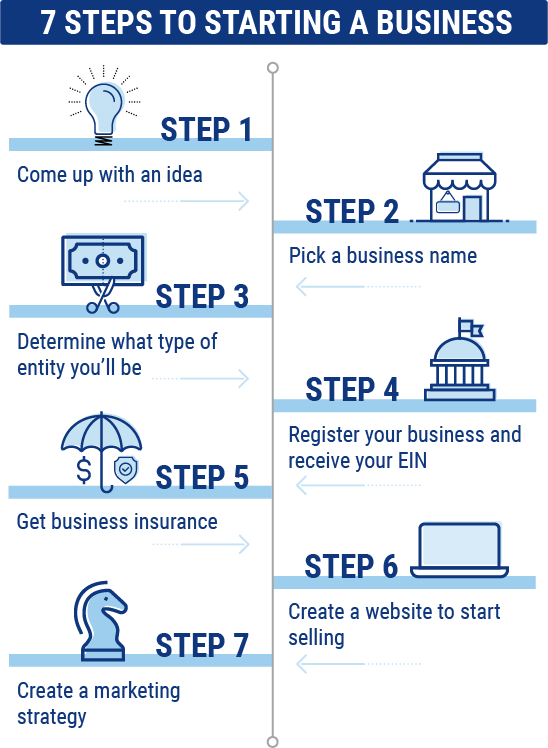
Even low-overhead online businesses require some form of initial investment. This could range from domain registration and web hosting fees for a content site, to inventory and shipping supplies for an e-commerce store, or software subscriptions for a service-based business. Create a detailed budget outlining all potential startup expenses. This not only includes direct costs but also a buffer for unexpected expenditures and a realistic timeline for reaching profitability. Consider the costs associated with essential tools, initial marketing efforts, legal setup (if applicable), and even a small emergency fund to sustain you during the lean early months. A common mistake is underestimating the time and resources needed before the business can comfortably support itself or provide a personal income.
Understanding Startup Costs vs. Operating Costs
Distinguishing between one-time startup costs and recurring operating costs is crucial for accurate financial forecasting. Startup costs are typically incurred before the business generates significant revenue, such as web development, initial product sourcing, or brand design. Operating costs, conversely, are the ongoing expenses required to keep the business running, including monthly software subscriptions, advertising spend, inventory replenishment, payment processing fees, and potentially salaries or contractor payments. Mapping these out helps in determining your burn rate – how quickly your initial capital is being consumed – and provides a target for revenue generation to cover these recurring expenses. Businesses with higher fixed operating costs generally require more consistent revenue to break even, while those with predominantly variable costs (e.g., commission-based sales) may have more flexibility during periods of fluctuating demand.
Choosing Your Business Model and its Financial Implications
The online business landscape offers a multitude of models, each with distinct financial characteristics:
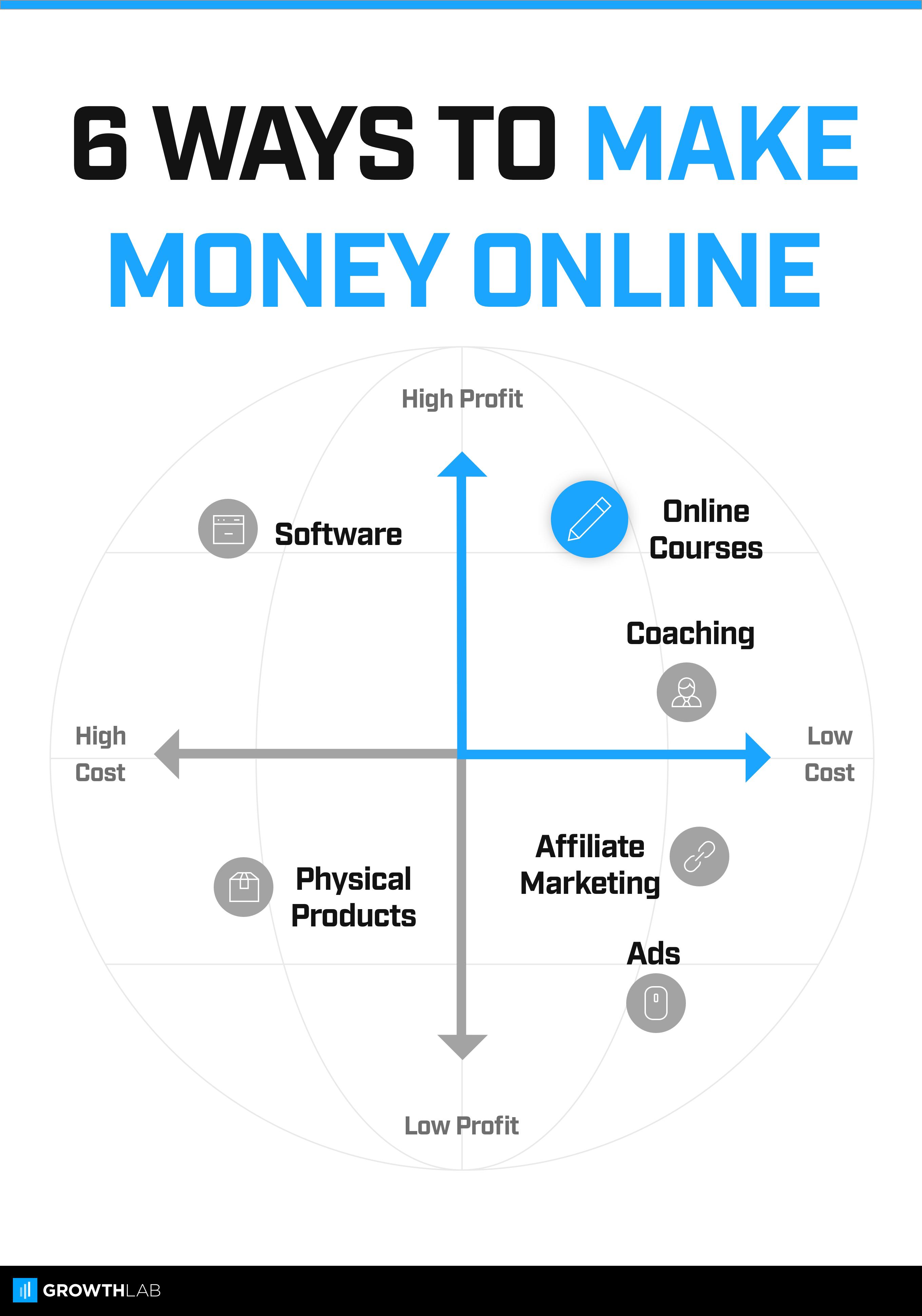
- E-commerce (Product Sales): Requires capital for inventory purchase, storage, shipping, and payment processing fees. Profit margins depend on product sourcing costs, pricing strategy, and shipping efficiency. Risk involves unsold inventory.
- Dropshipping: Low initial inventory cost as products are shipped directly from supplier to customer. However, profit margins can be tighter, and success depends heavily on efficient supplier relationships and effective marketing to drive high sales volume.
- Software-as-a-Service (SaaS): High initial development costs but potentially high recurring revenue through subscriptions. Scalability can lead to excellent profit margins once development costs are recouped and customer acquisition costs are managed.
- Content Creation/Affiliate Marketing: Low startup costs for content platforms (blog, YouTube channel). Revenue is generated through advertising, sponsorships, or commissions on referred sales. This model often requires significant time investment to build an audience before substantial income materializes.
- Online Services/Consulting: Minimal startup costs, often just a website and professional tools. Revenue is directly tied to your time and expertise. Scalability involves leveraging technology, creating digital products, or hiring assistants/associates.
- Digital Products (eBooks, Courses, Templates): High upfront creation cost (time/effort) but zero per-unit cost of goods sold. Once created, these products can generate passive income, making them highly scalable and profitable after the initial investment is recovered.
Each model demands a tailored financial approach. Researching typical profit margins, overheads, and scaling strategies for your chosen model will inform your financial projections and help set realistic revenue goals.
Monetization Strategies and Revenue Streams
Once the financial groundwork is laid, the focus shifts to generating income. A robust online business typically employs diverse monetization strategies to ensure financial stability and foster growth.
Diversifying Income for Stability
Relying on a single revenue stream, especially in the volatile online environment, can be precarious. Diversifying your income hedges against market shifts, algorithm changes, or decreased demand for a particular product or service. For an e-commerce store, this might mean not only selling physical products but also offering related digital guides, a subscription box, or affiliate products. A content creator could combine ad revenue with direct sponsorships, sales of digital products (e.g., a course), and exclusive membership content. Service providers might offer tiered packages, one-on-one consulting, and group workshops. The goal is to create multiple paths for revenue generation, reducing reliance on any single source and ensuring more consistent cash flow.
Pricing Your Products and Services Strategically
Pricing is not merely about covering costs; it’s a critical component of your overall financial strategy and perceived value. Undervaluing your offerings can leave significant money on the table and diminish brand perception, while overpricing can deter potential customers. Consider various pricing models:
- Cost-Plus Pricing: Adding a markup percentage to your total costs.
- Value-Based Pricing: Setting prices based on the perceived value to the customer, rather than just internal costs. This often yields higher profits for unique or high-impact solutions.
- Competitive Pricing: Benchmarking against competitors, though this risks a race to the bottom if not combined with differentiation.
- Tiered Pricing: Offering different levels of service or product features at varying price points, appealing to a wider customer base and potentially increasing average order value.
- Subscription Pricing: Recurring revenue model common in SaaS and membership sites, providing predictable cash flow.
Regularly review and adjust your pricing strategy based on market feedback, competitor analysis, and your own financial performance. A/B testing different price points can provide valuable insights into customer willingness to pay.
Scaling for Profitability
Scaling an online business means increasing revenue without a proportional increase in costs. This is the hallmark of a truly profitable online venture. For digital products or SaaS, scaling might involve expanding your user base without significantly increasing development or support costs. For e-commerce, it could mean optimizing supply chains, negotiating better bulk rates, or automating fulfillment. Key strategies include:
- Automation: Implementing software and systems to handle repetitive tasks (e.g., email marketing, customer service chatbots, order processing) reduces labor costs and increases efficiency.
- Outsourcing: Delegating non-core activities (e.g., virtual assistants, specialized contractors) can be more cost-effective than hiring full-time employees, especially in early stages.
- Leveraging Technology: Utilizing scalable cloud infrastructure, efficient payment gateways, and CRM systems helps manage growth without spiraling expenses.
- Optimizing Customer Acquisition Cost (CAC) and Lifetime Value (LTV): Reducing the cost to acquire a new customer and increasing the average revenue generated from each customer over their relationship with your business are crucial for sustainable scaling. Focus on retention and upsells.
- Geographic Expansion: Tapping into new markets digitally often requires less capital than physical expansion, allowing for revenue growth with similar operational structures.
Managing Business Finances and Cash Flow
Effective financial management is an ongoing responsibility that ensures the long-term viability and growth of your online business. Poor financial oversight, even in a profitable venture, can lead to cash flow crises and missed opportunities.
Essential Financial Tools and Software
Leveraging appropriate financial tools simplifies management, reduces errors, and provides critical insights.
- Accounting Software: (e.g., QuickBooks Online, Xero, FreshBooks) for tracking income, expenses, generating reports, and reconciling bank accounts.
- Payment Gateways: (e.g., Stripe, PayPal, Square) for securely processing online transactions. Understand their fees and payout schedules.
- Budgeting Tools: Spreadsheets or specialized apps to monitor spending against your budget.
- Inventory Management Software: For e-commerce businesses, to track stock levels, orders, and sales.
- CRM (Customer Relationship Management) Systems: Can track sales pipelines and customer financial history, aiding in forecasting.
These tools automate tedious tasks, provide real-time financial data, and facilitate compliance, freeing you to focus on growth strategies.
Tracking Income and Expenses
Diligent record-keeping is non-negotiable. Every dollar in and out must be accounted for.
- Categorize Expenses: Group expenses logically (e.g., marketing, subscriptions, COGS, professional fees) for clear analysis and tax purposes.
- Reconcile Accounts Regularly: Compare your financial records with bank statements and payment processor reports to identify discrepancies and ensure accuracy.
- Monitor Revenue Streams: Track the performance of each income source to understand which are most profitable and which might need adjustment or discontinuation.
Accurate tracking allows you to identify trends, pinpoint areas of overspending, and make data-driven decisions about your business’s financial health.
Understanding Profit Margins and Break-Even Points
- Gross Profit Margin: (Revenue – Cost of Goods Sold) / Revenue. This indicates the profitability of your core products/services before considering operating expenses.
- Net Profit Margin: (Net Income / Revenue). This is the ultimate measure of your business’s overall profitability after all expenses, including taxes, are accounted for.
- Break-Even Point: The point at which total revenue equals total costs, meaning your business is neither making nor losing money. Knowing this helps set sales targets and understand the minimum performance required to stay afloat.
Regularly calculating and analyzing these metrics allows you to assess the efficiency of your operations, identify areas for cost reduction, and refine pricing strategies to maximize profitability.
Reinvesting for Growth vs. Personal Draw
A common dilemma for online business owners is deciding how much capital to reinvest back into the business versus how much to withdraw for personal use.
- Reinvestment: Crucial for sustained growth, allowing for expansion into new products/services, increased marketing spend, technology upgrades, or hiring talent. Strategic reinvestment can significantly accelerate your business’s trajectory.
- Personal Draw: Essential for the owner’s livelihood. Establish a clear and consistent salary or draw schedule once the business can reliably support it. Avoid taking sporadic, large sums that could jeopardize cash flow.
A balanced approach involves creating a financial plan that allocates a portion of profits for growth and a sustainable amount for personal income, ensuring both the business and the owner thrive.
Funding and Sustainable Growth
As your online business matures, you may explore options for additional funding to accelerate growth, or refine your financial forecasting to ensure long-term stability.
Bootstrapping vs. External Funding
- Bootstrapping: Funding your business solely through personal savings and initial revenues. This minimizes debt and equity dilution, forcing lean operations and careful spending. It’s a common and often recommended approach for online businesses with low startup costs.
- External Funding: Includes bank loans, lines of credit, crowdfunding, or equity investments from angels or venture capitalists. This can provide significant capital for rapid scaling but comes with obligations (debt repayment, interest) or loss of ownership/control (equity). Carefully evaluate the cost of capital and whether the potential growth justifies the financial commitment. For most online businesses starting out, bootstrapping is the most financially prudent path until a proven business model and significant traction are established.
Financial Projections and Forecasting
Developing detailed financial projections for 1-3 years out is vital for strategic planning and decision-making. These projections should include:
- Revenue Forecasts: Based on anticipated sales volume, pricing strategies, and market growth.
- Expense Forecasts: Including both fixed and variable operating costs, as well as potential future investments.
- Cash Flow Projections: Illustrating the anticipated movement of money into and out of the business, highlighting potential surpluses or deficits.
Accurate forecasting helps you anticipate future capital needs, set realistic goals, and demonstrate financial viability to potential lenders or investors if you choose to pursue external funding. Regularly compare actual results against your forecasts to refine your models.
Tax Implications and Compliance
Online businesses, regardless of size, are subject to various tax obligations. These can include:
- Income Tax: On your business profits.
- Sales Tax: If you sell physical products or certain digital goods/services, you may need to collect and remit sales tax depending on your location and customer locations (nexus rules).
- Self-Employment Tax: If you operate as a sole proprietor or single-member LLC, you’ll pay Social Security and Medicare taxes on your earnings.
Understanding these obligations and setting aside funds for taxes is crucial to avoid penalties. Consult with a tax professional to ensure compliance with local, state, and federal regulations, especially as your business expands across different jurisdictions. Proper financial hygiene includes keeping meticulous records for tax season and staying informed about changing tax laws pertinent to online commerce.
aViewFromTheCave is a participant in the Amazon Services LLC Associates Program, an affiliate advertising program designed to provide a means for sites to earn advertising fees by advertising and linking to Amazon.com. Amazon, the Amazon logo, AmazonSupply, and the AmazonSupply logo are trademarks of Amazon.com, Inc. or its affiliates. As an Amazon Associate we earn affiliate commissions from qualifying purchases.