
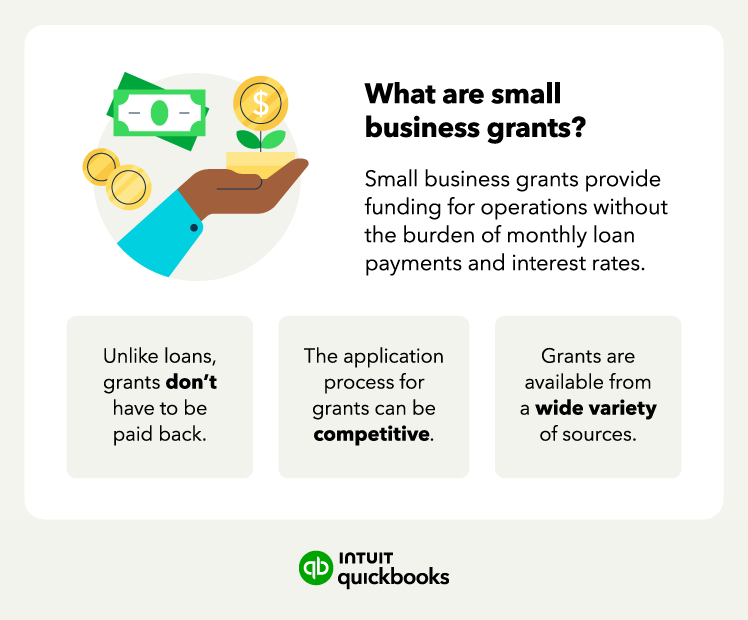
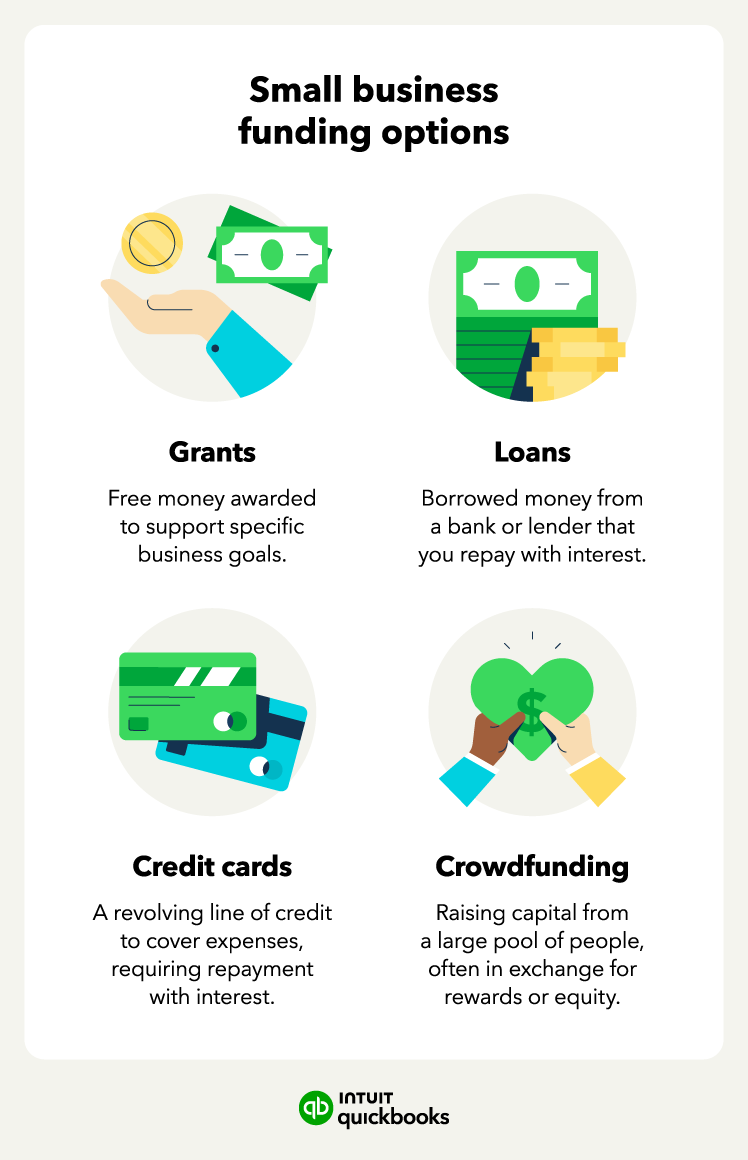
Securing grant funding can be a transformative financial opportunity for small businesses, providing capital without the burden of repayment or equity dilution. Unlike loans, grants are essentially gifts of money provided by governmental agencies, foundations, or corporations to support specific initiatives or stimulate economic growth. Navigating the grant landscape, however, requires strategic planning, meticulous preparation, and a deep understanding of the application process. For a small business, grants represent a strategic infusion of non-dilutive capital that can fuel innovation, expand operations, or address critical financial needs.
Navigating the Small Business Grant Landscape
The first step in securing grant funding is to understand the diverse sources available and identify those that align with your business’s mission and needs. The grant ecosystem is multifaceted, offering opportunities at various levels.
Federal Grants: Opportunities and Challenges
The federal government is a significant source of grant funding, primarily focused on initiatives that address national priorities, stimulate research and development, or support specific sectors. Programs like the Small Business Innovation Research (SBIR) and Small Business Technology Transfer (STTR) grants, administered by agencies like the National Institutes of Health (NIH), National Science Foundation (NSF), and Department of Defense (DoD), offer substantial funding for businesses engaged in research and development with commercial potential.
Beyond R&D, other federal departments, such as the Department of Agriculture (USDA) for rural businesses or the Department of Energy for clean energy initiatives, also offer specific grants. The primary portal for discovering federal grants is Grants.gov, a comprehensive database where all discretionary grants from federal agencies are posted. While federal grants can be substantial, they often come with rigorous application processes, extensive reporting requirements, and a high degree of competition. Businesses must demonstrate not only innovative potential but also a clear financial management plan to handle federal funds.
State and Local Initiatives
State and local governments are vital sources of grants for small businesses, often focusing on regional economic development, job creation, and supporting local communities. These grants are typically administered by state economic development agencies, local chambers of commerce, or municipal departments. They may target specific industries deemed important for local growth, encourage businesses to locate in underserved areas, or provide assistance for workforce training and infrastructure improvements.
These grants often have more localized eligibility criteria and may favor businesses that can demonstrate a direct positive impact on the local economy. Researching your state’s commerce department website, local city council pages, and economic development corporations is crucial. These grants can be less competitive than federal grants and may have simpler application procedures, making them an excellent starting point for many small businesses. Understanding the specific financial impact your business has on the community—such as job creation numbers, local supplier engagement, or tax revenue contributions—can significantly strengthen your application.
Private Foundations and Corporate Philanthropy
Beyond governmental sources, private foundations and corporate giving programs represent another significant avenue for grant funding. These entities often have specific philanthropic missions that align with social impact, environmental sustainability, education, or support for particular demographic groups (e.g., women-owned businesses, minority-owned businesses, veteran-owned businesses).
Corporate grants are typically tied to a company’s corporate social responsibility (CSR) initiatives and may support businesses that align with their brand values or operate in their supply chain. Researching foundations through databases like Candid (formerly Foundation Center) or simply by identifying large corporations with active CSR programs in your industry can yield promising leads. These grants often require a strong narrative demonstrating how your business contributes to a broader societal good, alongside a clear financial plan for the proposed project. They scrutinize how their investment will translate into measurable impact and efficient use of funds.
Understanding Grant Types and Eligibility
Before applying, it’s critical to understand the nuances of grant types and their specific eligibility requirements. Grants can be project-specific, funding a particular initiative or expansion, or operational, providing general support for ongoing activities (though these are less common for small businesses). Eligibility often hinges on factors such as business size (revenue, employee count), industry sector, geographic location, ownership demographics, and the proposed project’s alignment with the grantor’s objectives. Scrutinize every detail of the grant announcement to ensure your business is a perfect fit, saving valuable time and resources.
Preparing Your Business for Grant Readiness
Grantors look for businesses that are not only financially viable but also well-managed and prepared to execute their proposed projects. Achieving “grant readiness” involves ensuring your business has a strong operational and financial foundation.
Solidifying Your Business Plan
A robust and current business plan is the cornerstone of any grant application. It serves as a blueprint, outlining your company’s mission, vision, products or services, market analysis, operational strategies, management team, and financial projections. Grant committees use this document to assess your business’s overall viability, strategic direction, and leadership capacity. A well-articulated business plan demonstrates that you have thoroughly thought through your operations and financial model, instilling confidence in potential grantors that their investment will be managed effectively and yield desired outcomes.
Financial Health and Projections

Grant applications often require detailed financial statements, including profit and loss statements, balance sheets, and cash flow projections. These documents provide a snapshot of your business’s financial health, demonstrating its stability and ability to manage funds responsibly. More importantly, your financial projections must clearly articulate how the grant money will be used and the expected financial returns or impact.
Grantors want to see that you have a realistic and justifiable budget for the proposed project, demonstrating cost-effectiveness and a clear link between the funds requested and the project’s objectives. You must demonstrate financial need without appearing unsustainable. Show how the grant will bridge a specific financial gap or enable an expansion that would otherwise be impossible, leading to future financial stability and growth for your business. An organized accounting system and accurate financial records are paramount.
Legal and Administrative Foundations
Ensure your business is properly registered with all relevant federal, state, and local authorities. This includes having a valid Employer Identification Number (EIN), necessary business licenses, and any industry-specific certifications. Grantors often require proof of legal business status. Furthermore, a clear organizational structure, defined roles, and a capable management team contribute to the perception of a well-run business capable of handling grant funds and fulfilling reporting obligations. Having these administrative ducks in a row not only simplifies the application process but also signals professionalism and reliability to potential grantors, showcasing your ability to operate within established financial and legal frameworks.
The Strategic Grant Application Process
Once you’ve identified suitable grants and prepared your business, the application process itself becomes a strategic endeavor requiring meticulous attention to detail.
Research and Due Diligence
Thorough research extends beyond merely finding grants; it involves understanding the specific intent, priorities, and evaluation criteria of each grantor. Carefully read all guidelines, FAQs, and past successful applications if available. A common mistake is submitting a generic proposal. Instead, tailor your application to speak directly to the grantor’s mission and the specific objectives of the grant program. This deep dive ensures that your proposal resonates with the grant committee and demonstrates a clear understanding of their financial investment goals.
Crafting a Compelling Proposal
The grant proposal is your opportunity to tell your business’s story and make a persuasive case for funding. It typically includes several key components:
- Executive Summary: A concise, persuasive overview of your entire proposal, highlighting your business, the problem it solves, the proposed project, and the requested funding. This should capture the grantor’s attention immediately and succinctly convey your financial need and the value proposition.
- Problem Statement: Clearly define the specific problem or need your business addresses, and how the grant will help solve it. This should articulate the financial challenge or opportunity that the grant seeks to overcome or capitalize on.
- Project Description: Detail the proposed project, including objectives, activities, timeline, and expected outcomes. Explain how the grant funds will be specifically allocated to these activities and how they contribute to your business’s financial growth or sustainability.
- Budget Justification: This is a critical financial section. Provide a detailed, itemized budget that clearly links every requested expense to specific project activities. Justify why each item is necessary and demonstrate cost-effectiveness. Show how the funds will be managed responsibly and efficiently to achieve the stated financial goals.
- Evaluation Plan: Explain how you will measure the success of your project and report on its progress, including financial metrics and impact indicators. Grantors want to see a clear plan for accountability and measuring the financial return on their investment.
- Organizational Capacity: Highlight the expertise, experience, and track record of your management team. Emphasize your business’s ability to successfully execute the project and manage the grant funds, reassuring the grantor of your financial stewardship capabilities.
Attention to Detail and Submission
Proofread your proposal multiple times for grammatical errors, typos, and factual inaccuracies. Ensure all required attachments are included and correctly formatted. Adhere strictly to word limits, page limits, and submission instructions. Many grant applications are rejected due to simple administrative errors or failure to follow guidelines. Understand the submission method—whether it’s an online portal, email, or physical mail—and submit well before the deadline to avoid last-minute technical issues. Including professional letters of support or references can add significant credibility to your financial and operational claims.
Post-Application: Maximizing Your Chances and Managing Success
The process doesn’t end with submission; strategic follow-up and responsible management are crucial.
Follow-Up and Feedback
While some grantors discourage direct follow-up due to the volume of applications, others may provide a contact person. If permitted, a polite inquiry about the status of your application can be appropriate. More importantly, if your application is unsuccessful, seek feedback from the grantor. Understanding why your proposal was not selected provides invaluable insights for improving future applications, particularly concerning financial justification, project scope, or alignment with grantor priorities.
Grant Management and Compliance
If awarded a grant, understand that this is the beginning of a new financial responsibility. Carefully review the grant agreement, paying close attention to reporting requirements, disbursement schedules, and any specific terms and conditions. Establish a robust financial tracking system to monitor how funds are spent, ensuring compliance with the grant’s budget and purpose. Maintain meticulous records, receipts, and documentation, as most grants are subject to audits. Failing to meet reporting deadlines or mismanaging funds can lead to clawbacks or jeopardize your ability to secure future funding. This demonstrates your financial integrity and commitment to the grantor’s investment.
Leveraging Grant Success
Beyond the immediate financial benefits, a grant award can significantly enhance your business’s reputation and credibility. Publicize your achievement through press releases, social media, and your website, highlighting the grantor’s support and the positive impact of the funding. This can attract new customers, investors, and even further funding opportunities. Strategically, use the grant as a catalyst for sustainable growth, ensuring that the financial boost translates into long-term self-sufficiency rather than becoming dependent on future grants. A grant is an investment in your business’s financial future; wise management ensures a significant return.
aViewFromTheCave is a participant in the Amazon Services LLC Associates Program, an affiliate advertising program designed to provide a means for sites to earn advertising fees by advertising and linking to Amazon.com. Amazon, the Amazon logo, AmazonSupply, and the AmazonSupply logo are trademarks of Amazon.com, Inc. or its affiliates. As an Amazon Associate we earn affiliate commissions from qualifying purchases.