
For many aspiring entrepreneurs and established small business owners, accessing capital is the lifeblood of growth and survival. While traditional bank loans often come with stringent requirements, the U.S. Small Business Administration (SBA) offers a lifeline through its various loan programs. However, the path to securing an SBA loan isn’t always straightforward. It requires a clear understanding of the process, meticulous preparation, and a strategic approach. This comprehensive guide will demystify the journey, offering insights into eligibility, application, and approval, empowering you to navigate the complexities and unlock the financial support your business needs to thrive.
Demystifying the SBA Loan: An Overview of Business Finance Support
An SBA loan isn’t a direct loan from the government; rather, it’s a loan issued by banks, credit unions, and other financial institutions that is guaranteed by the SBA. This government guarantee significantly reduces the risk for lenders, making them more willing to provide capital to small businesses that might not otherwise qualify for conventional financing. This crucial distinction is the foundation of understanding why SBA loans are a unique and valuable tool in the realm of business finance.
What is an SBA Loan and Why Consider One?
At its core, an SBA loan is a government-backed financial product designed to stimulate small business growth and job creation. The SBA sets the guidelines for these loans, but the actual lending decisions and funds come from participating financial institutions. Businesses consider SBA loans for a multitude of reasons, primarily because they often feature lower down payments, longer repayment terms, and competitive interest rates compared to conventional loans. These favorable terms can significantly ease the financial burden on a nascent or growing business, improving cash flow and providing the necessary runway for expansion or operational stability. From purchasing real estate and equipment to working capital and refinancing existing debt, SBA loans offer versatile solutions for diverse business needs.
Key Benefits and Common Misconceptions
The benefits of an SBA loan extend beyond just favorable terms. The government guarantee encourages lenders to take on more risk, opening doors for startups or businesses in niche industries that might struggle to secure funding elsewhere. Moreover, the counseling and resources provided by the SBA can be invaluable, guiding business owners through the process and helping them build stronger financial foundations.
However, several misconceptions often cloud the perception of SBA loans. One common myth is that they are only for struggling businesses or those with poor credit. In reality, while the SBA does help businesses that might be considered higher risk by traditional lenders, it still requires applicants to demonstrate creditworthiness and a viable business plan. Another misconception is that the application process is excessively long and complex, leading some to avoid it altogether. While it does demand thorough documentation and patience, understanding the steps and preparing diligently can streamline the experience. Finally, some believe that the SBA dictates all terms, but lenders still have discretion within SBA guidelines, meaning shop around for the best fit.
Different Types of SBA Loan Programs
The SBA offers a suite of programs tailored to various business sizes and financial requirements. The most popular and widely utilized program is the 7(a) Loan Program, which is the SBA’s primary program for providing financial assistance to small businesses. It’s highly versatile, covering a wide range of uses including working capital, equipment purchases, real estate, and business acquisition. Loan amounts under the 7(a) program can go up to $5 million.
For businesses needing smaller loan amounts, the SBA Express Program (a subset of 7(a)) offers a streamlined application process with faster turnaround times for loans up to $500,000. Another critical program is the CDC/504 Loan Program, designed for larger fixed-asset purchases like real estate and machinery. This program involves a partnership between the borrower, a traditional lender, and a Certified Development Company (CDC), offering long-term, fixed-rate financing. Beyond these, specialized programs exist for specific demographics or situations, such as Microloans (up to $50,000 for startups and small businesses, often through non-profit intermediaries) and Disaster Loans (providing low-interest financing to businesses and homeowners in declared disaster areas). Understanding these different options is the first step in identifying which program aligns best with your business’s financial strategy.
Are You a Candidate? Essential Eligibility Requirements
Before embarking on the application journey, it’s crucial to assess your business’s eligibility for an SBA loan. The SBA has specific criteria designed to ensure that the loans reach the small businesses they are intended to support. Meeting these requirements is non-negotiable and forms the bedrock of a successful application. Ignoring these prerequisites can lead to wasted time and effort, underscoring the importance of thorough self-assessment.
Business Size and Structure Standards
The SBA defines “small business” based on industry-specific standards, usually tied to revenue (annual receipts) or employee count. These standards vary significantly by industry, so what constitutes “small” in manufacturing might be different from retail or services. For instance, a manufacturing business might qualify with 500 employees, while a retail business might have a revenue cap of $8 million. You can find your industry’s specific size standard on the SBA’s website. Beyond size, your business must operate for profit, be physically located and operate in the U.S. or its territories, and demonstrate a need for the loan, proving that you’ve exhausted other financing options or that an SBA loan is the most suitable. Certain businesses, such as those engaged in illegal activities, speculative ventures, or pyramid schemes, are generally ineligible.
Financial Health and Creditworthiness
Lenders, and by extension the SBA, will scrutinize your business’s financial health and your personal creditworthiness. A strong personal credit score (typically FICO 680 or higher) is a significant factor, as it reflects your reliability as a borrower. Lenders will also evaluate your business’s cash flow, debt-to-equity ratio, and profitability to determine its ability to repay the loan. They’ll look for consistent revenue, a manageable debt load, and positive cash flow that can cover loan payments. Startups, while potentially eligible, face a higher bar and must present a robust business plan demonstrating strong projected revenues and a clear path to profitability. Any existing defaults on government-backed loans or tax liens will severely hinder your application.
Industry Restrictions and Usage of Funds
While SBA loans are versatile, there are limitations on how the funds can be used and certain industries that are typically excluded. Generally, funds cannot be used for speculative investments, to finance passive investments, or to reimburse an owner for capital injection unless specifically allowed under certain conditions. Industries commonly excluded include those involved in lending, gambling, pyramid sales, lobbying, and multi-sales distribution. Additionally, businesses that derive a significant portion of their revenue from “passive income” (e.g., real estate rental companies that are not actively managed) may also face restrictions. The intended use of funds must directly contribute to the growth, operation, or stability of your small business in an eligible industry.
The Application Roadmap: Preparing for Success
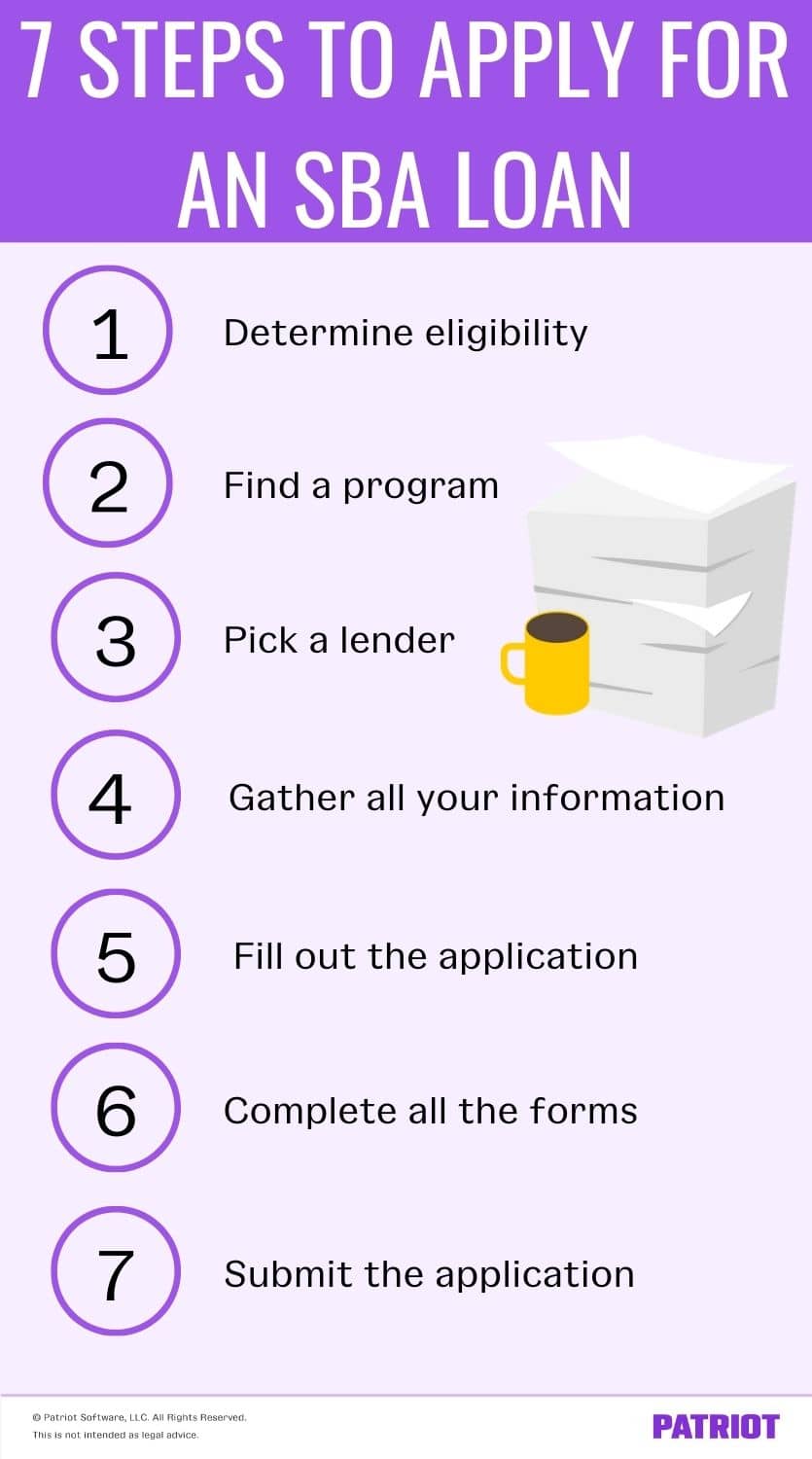
Once you’ve confirmed your eligibility, the next critical phase is preparing your application. This stage demands meticulous organization, thorough documentation, and a compelling narrative for your business. Approaching this phase strategically can significantly expedite the process and increase your chances of approval. Think of it as presenting a comprehensive case for why your business deserves the investment.
Gathering Your Documentation: The Checklist
The backbone of any SBA loan application is a robust set of documents. While specific requirements can vary slightly between lenders and loan programs, a general checklist includes:
- Personal Background: Personal financial statements, tax returns (for the last 2-3 years) for all owners with 20% or more stake, résumés for all principals, and a personal history statement.
- Business Records: Business legal documents (articles of incorporation, partnership agreements), business licenses and permits, business tax returns (for the last 2-3 years), and copies of existing business debt.
- Financial Projections: For existing businesses, profit and loss statements, balance sheets, and cash flow statements (typically for the last 3 years). For startups, detailed 3-year financial projections (including profit & loss, cash flow, and balance sheets).
- Loan Proposal: A clear statement of how much you need, how you plan to use the funds, and how your business will repay the loan.
- Collateral: Documentation of any collateral you plan to offer (e.g., real estate, equipment, accounts receivable).
Having these documents neatly organized and readily available will not only impress your lender but also ensure a smoother review process.
Crafting a Compelling Business Plan
Your business plan is more than just a formality; it’s your business’s story, vision, and strategic roadmap. For an SBA loan, it needs to be detailed, realistic, and persuasive. It should clearly outline:

- Executive Summary: A concise overview of your business, its mission, products/services, and why it needs the loan.
- Company Description: What your business does, its legal structure, and its history.
- Market Analysis: In-depth research on your industry, target market, competitors, and competitive advantages.
- Organization & Management: The legal structure, management team, and key personnel.
- Service or Product Line: A detailed description of what you sell and its value proposition.
- Marketing & Sales Strategy: How you plan to reach customers and generate sales.
- Financial Projections: This is where you bring your numbers to life, demonstrating revenue forecasts, expense breakdowns, and your capacity for repayment.
A well-researched and professionally presented business plan demonstrates your understanding of your market, your commitment, and your ability to execute your vision, which are all critical factors for lenders.
Finding the Right Lender: Your Partner in Growth
While the SBA sets the guidelines, the actual funding comes from banks and credit unions. Not all lenders participate in all SBA programs, and even among those who do, their experience levels and typical customer profiles can vary. It’s essential to shop around to find a lender that understands your industry, your business size, and your specific needs.
Start by contacting your existing bank, especially if you have a strong relationship. Research banks known for their SBA lending volume; the SBA publishes lists of top lenders. Consider smaller community banks or credit unions, as they sometimes offer more personalized service. When evaluating lenders, inquire about their experience with businesses similar to yours, their average processing times, their interest rates, and any specific requirements they might have beyond the SBA’s general guidelines. A good lender acts as a partner, guiding you through the process and advocating for your business within the SBA framework.
Navigating the Approval Process: From Submission to Funding
Once your application is submitted, the waiting game begins. However, this isn’t a passive phase. Understanding how lenders evaluate your application and what might cause delays can help you anticipate questions, provide additional information promptly, and proactively address any potential issues. The journey from submission to funding involves rigorous scrutiny and communication.
What Lenders Scrutinize: The 5 Cs of Credit
Lenders typically evaluate loan applications based on what are known as the “5 Cs of Credit”:
- Character: Your personal and business credit history, track record, and integrity. Lenders look for reliability and a strong commitment to fulfilling financial obligations.
- Capacity: Your business’s ability to repay the loan from its cash flow. This is assessed through historical financial statements and future projections.
- Capital: The amount of money you and your partners have personally invested in the business. A significant owner equity stake demonstrates commitment and reduces the lender’s risk.
- Collateral: Assets pledged to secure the loan, such as real estate, equipment, or inventory. While SBA loans are government-guaranteed, lenders still prefer to have collateral to further mitigate risk.
- Conditions: The economic climate, industry trends, and the specific terms of the loan (e.g., interest rate, repayment schedule). Lenders consider how these external factors might impact your business’s ability to succeed and repay.
A strong showing across all five Cs significantly strengthens your application.
Common Hurdles and How to Overcome Them
Despite meticulous preparation, businesses can encounter hurdles during the approval process. Common issues include:
- Incomplete or Inconsistent Documentation: This is a major cause of delays. Double-check all forms for accuracy and ensure consistency across all submitted documents.
- Weak Credit History: If your personal or business credit score is suboptimal, explain any mitigating circumstances and demonstrate steps taken to improve it.
- Insufficient Collateral: If you lack traditional collateral, explore if your lender accepts other forms of collateral or if a co-signer might be an option.
- Unclear Business Plan/Projections: If your plan lacks detail or your projections are overly optimistic without clear justification, lenders will question viability. Be realistic and back up all claims with data.
- Lack of Equity: If you haven’t invested enough of your own capital, it can signal a lack of commitment. Be prepared to explain your personal investment strategy.
Proactive communication with your lender, being transparent about challenges, and providing requested information quickly can help overcome these obstacles.
Understanding Loan Terms and Covenants
If your application is approved, carefully review the loan authorization and terms sheet. This document outlines the loan amount, interest rate (fixed or variable), repayment schedule, fees, and any specific covenants (conditions) you must adhere to. Common covenants include maintaining certain financial ratios, providing regular financial statements to the lender, or restrictions on taking on additional debt. Understanding these terms is crucial, as non-compliance can lead to default. Don’t hesitate to ask your lender for clarification on any aspect of the agreement. Once you sign, you are legally bound to these terms, so a thorough review is paramount to your business’s financial health.
Maximizing Your SBA Loan: Post-Funding Best Practices
Securing an SBA loan is a significant achievement, but the journey doesn’t end with funding. To truly leverage this financial support, businesses must adopt best practices for management, utilization, and ongoing communication with their lender. An SBA loan is a powerful tool for growth, but like any tool, its effectiveness depends on how it’s wielded.
Prudent Financial Management and Reporting
With new capital in hand, diligent financial management becomes even more critical. Stick to the budget outlined in your business plan and track how the funds are being utilized. Maintain accurate and up-to-date financial records, including balance sheets, income statements, and cash flow projections. Most SBA lenders will require regular financial reporting (monthly, quarterly, or annually) as part of the loan covenants. Meeting these reporting obligations promptly and accurately demonstrates your financial discipline and builds trust with your lender. Furthermore, regularly reviewing your financial performance against your projections allows you to make informed decisions, identify potential issues early, and adjust your strategy as needed.
Leveraging Your Loan for Sustainable Growth
The primary goal of an SBA loan is to fuel sustainable growth for your business. Whether you used the funds for equipment, real estate, working capital, or expansion, ensure that the investment translates into tangible benefits. For instance, if you purchased new machinery, track its impact on productivity and cost savings. If you hired new staff, monitor their contribution to revenue or operational efficiency.
Avoid the temptation to use loan funds for purposes not outlined in your application, as this could lead to issues with your lender and potentially violate loan terms. Focus on long-term value creation. An SBA loan provides a unique opportunity to strengthen your business’s foundation, expand its reach, or enhance its competitive edge. Use it strategically to build a more resilient and profitable enterprise.

Maintaining a Strong Relationship with Your Lender
Your relationship with your SBA lender shouldn’t end once the funds are disbursed. It’s a partnership that can extend throughout the life of the loan and beyond. Proactive communication is key. If you anticipate any financial challenges, operational changes, or opportunities, inform your lender promptly. They are invested in your success and may be able to offer guidance or explore potential solutions within the loan’s framework.
A strong relationship built on transparency and trust can be invaluable, especially if you encounter unexpected hurdles. It can also open doors to future financing opportunities or additional support as your business continues to evolve. Your lender is a financial ally; nurture that relationship for the continued benefit of your business.
Securing an SBA loan is a testament to your business’s potential and your entrepreneurial drive. While the process demands rigor and patience, the accessible capital and favorable terms can provide the crucial momentum needed for your business to not just survive, but to truly thrive in a competitive landscape. By understanding the intricacies, preparing diligently, and managing responsibly, you can effectively leverage an SBA loan to achieve your business aspirations.
aViewFromTheCave is a participant in the Amazon Services LLC Associates Program, an affiliate advertising program designed to provide a means for sites to earn advertising fees by advertising and linking to Amazon.com. Amazon, the Amazon logo, AmazonSupply, and the AmazonSupply logo are trademarks of Amazon.com, Inc. or its affiliates. As an Amazon Associate we earn affiliate commissions from qualifying purchases.