
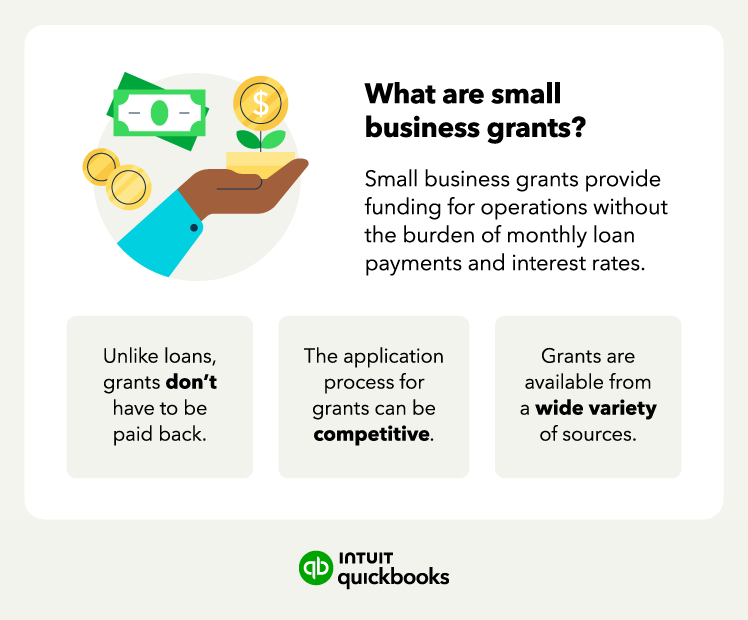
Securing funding is a universal challenge for entrepreneurs, whether they’re launching a new venture or scaling an existing one. While traditional avenues like bank loans, venture capital, and angel investments are well-known, business grants offer a distinct and highly attractive alternative. Unlike loans, grants don’t require repayment, and unlike equity investments, they don’t dilute ownership. This “free money” aspect makes them exceptionally competitive, but understanding the application process is the first crucial step towards unlocking this valuable resource. This guide delves into the intricate world of business grants, providing a comprehensive roadmap for aspiring and established business owners alike.

Understanding Business Grants: A Foundation for Funding
Before embarking on the application journey, it’s vital to have a clear understanding of what business grants are, what they are not, and why they represent such a coveted funding mechanism. A solid foundation of knowledge will not only guide your search but also temper expectations, making your efforts more strategic and realistic.
What Exactly is a Business Grant?
At its core, a business grant is a sum of money awarded to an individual or organization by a government agency, foundation, or corporation, typically for a specific project or purpose. The key differentiator from other forms of funding is that grants are non-repayable. They are not loans, and they do not require an exchange of equity or ownership in your company. Instead, grants are provided to support initiatives that align with the grantor’s mission, which might include fostering economic development, promoting innovation, addressing social issues, or supporting specific demographic groups or industries. Grant funds are usually accompanied by strict reporting requirements to ensure the money is used as intended.
Dispelling Common Grant Myths
The allure of “free money” often leads to misconceptions. One prevalent myth is that grants are easy to get. In reality, the competition is fierce, and the application process is often rigorous and time-consuming. Another myth suggests grants are for everyone; however, most grants have very specific eligibility criteria based on industry, business size, geographic location, ownership demographics, or the nature of the project. Furthermore, some believe grants come with no strings attached. While repayment isn’t required, grant recipients must adhere to strict terms and conditions, including detailed reporting on how funds are utilized and the progress towards stated objectives. Failing to comply can lead to the revocation of funds or even legal repercussions. Understanding these realities is crucial for a pragmatic approach.
Why Grants Are an Attractive Funding Option
Despite the challenges, grants remain an incredibly attractive funding option for numerous reasons. Primarily, their non-repayable nature means your business incurs no debt, preserving its financial flexibility and creditworthiness. Secondly, grants are non-dilutive, meaning you retain full ownership and control of your company, unlike equity investments where you trade a portion of your business for capital. This is particularly appealing for early-stage startups and founders keen on maintaining autonomy. Beyond the financial benefits, receiving a grant can also provide significant credibility and validation for your business or project. It signals to future investors, customers, and partners that an external body has recognized the merit and potential impact of your work, often opening doors to further opportunities and resources.
Navigating the Grant Landscape: Where to Look for Opportunities
Once you understand the fundamentals of grants, the next critical step is identifying potential funding sources. The grant landscape is vast and fragmented, making a targeted search essential. Knowing where to look and what types of organizations offer grants will significantly streamline your efforts and increase your chances of finding a suitable match.
Government Grants: Federal, State, and Local Programs
Government entities are major providers of business grants, often seeking to stimulate economic growth, support specific industries, or address public needs.
- Federal Grants: In the United States, Grants.gov is the primary portal for federal grant opportunities across various agencies, including the Small Business Administration (SBA), Department of Energy, Department of Health and Human Services, and Department of Agriculture. These grants often target research and development (e.g., SBIR/STTR programs), innovation, export promotion, or businesses in specific strategic sectors.
- State Grants: Each state typically offers its own set of business grants, often managed by economic development agencies, commerce departments, or specialized offices. These might focus on job creation, regional development, support for certain industries (e.g., manufacturing, clean energy), or encouraging business growth within particular areas.
- Local Grants: City and county governments, alongside local economic development corporations, often provide grants to businesses operating within their jurisdictions. These tend to be smaller in value but are less competitive and aim to foster local entrepreneurship, revitalize commercial districts, or support community-based initiatives. Researching your local Chamber of Commerce or city planning department website is a good starting point.
Corporate and Foundation Grants
Beyond government sources, a significant portion of grant funding comes from the private sector:
- Corporate Grants: Many large corporations integrate grant-giving into their Corporate Social Responsibility (CSR) initiatives or philanthropic arms. These grants often align with the company’s values or business objectives. For instance, a tech company might offer grants to startups developing innovative solutions in their field, while a bank might support small businesses in underserved communities. Identifying companies whose mission or customer base aligns with yours can uncover relevant opportunities.
- Foundation Grants: Private and community foundations are dedicated to philanthropic giving. They typically have specific focus areas, such as education, environmental conservation, social justice, or economic empowerment. Organizations like the Bill & Melinda Gates Foundation, Ford Foundation, or local community foundations offer substantial grant opportunities. Resources like Foundation Directory Online (Candid.org) are invaluable for searching through their extensive databases.
Industry-Specific and Niche Grants
Many grants are tailored to specific sectors, demographics, or business types, making them highly targeted but potentially less competitive for eligible applicants:
- Industry-Specific: If your business is in a particular sector like agriculture, renewable energy, arts and culture, life sciences, or manufacturing, there are often dedicated grants. Industry associations, research institutions, and specialized government programs are good places to look.
- Niche Grants: Various grants specifically support businesses owned by women, minorities, veterans, or individuals with disabilities. These aim to promote diversity and inclusion in entrepreneurship. Additionally, grants might be available for businesses focused on social impact, sustainability, or those located in designated economically distressed areas. Researching organizations dedicated to supporting these groups can reveal tailored opportunities.
Grant Databases and Search Engines
To efficiently navigate this complex landscape, leveraging grant databases and search engines is crucial. Beyond Grants.gov for federal funds and Foundation Directory Online for foundations, consider platforms like GrantWatch, GrantStation, or local economic development portals. These tools allow you to filter by industry, location, eligibility, and grant amount, significantly narrowing your search to the most relevant opportunities. Always cross-reference information found on these sites with the grantor’s official website to ensure accuracy and access the most current application guidelines.
Crafting a Winning Grant Application: Strategies for Success
Identifying potential grants is only half the battle; the true challenge lies in crafting an application that stands out among hundreds, if not thousands, of submissions. A winning application is not just about having a great business idea; it’s about effectively communicating that idea in a way that resonates with the grantor’s mission and meets all their criteria.
Due Diligence: Understanding the Grantor’s Mission and Requirements
Before writing a single word, thoroughly research the grantor. Understand their mission, their past funding priorities, and the specific objectives of the grant program you’re applying for. A common mistake is to submit a generic application. Grantors want to see that you’ve done your homework and that your project directly aligns with their goals. Pay meticulous attention to eligibility criteria, funding priorities, required documentation, and submission guidelines. Deviating from these can lead to immediate disqualification. Tailor your language and focus to demonstrate how your business or project will help the grantor achieve its strategic objectives.
Developing a Compelling Business Narrative
Your application needs a story – a clear, concise, and compelling narrative that outlines the problem you’re solving, the unique solution your business offers, and the impact it will create.
- The Problem: Clearly articulate the specific pain point or market gap your business addresses. Use data and anecdotes to illustrate its significance.
- The Solution: Describe your product or service in detail, highlighting its innovation, competitive advantages, and how it effectively solves the identified problem.
- The Impact: Emphasize the broader positive effects of your business. This could be economic (job creation, revenue growth), social (community benefit, improved quality of life), or environmental. Grantors are often driven by impact, so clearly articulating yours is paramount.
- The Team: Showcase the expertise, experience, and passion of your team. Grantors invest in people as much as ideas, so highlight why your team is uniquely qualified to execute the proposed project.
Constructing a Robust Business Plan and Financial Projections
While the narrative grabs attention, a solid business plan and meticulous financial projections provide the necessary credibility.
- Executive Summary: A concise overview of your entire proposal, often the first (and sometimes only) part reviewed initially.
- Company Description: Detailed information about your business, legal structure, and vision.
- Market Analysis: Demonstrate a deep understanding of your target market, industry trends, and competitive landscape.
- Organization & Management: Detail your organizational structure, key personnel, and their roles.
- Products/Services: Elaborate on what you offer, your intellectual property, and your unique selling propositions.
- Marketing & Sales Strategy: How you plan to reach your customers and generate revenue.
- Funding Request: Clearly state the amount of funding requested and provide a detailed breakdown of how it will be utilized, aligning it with the project’s objectives.
- Financial Projections: Provide realistic and well-supported projections for revenue, expenses, cash flow, and profitability for at least 3-5 years. Back these with assumptions and market research. Show how the grant funds will contribute to financial sustainability and growth.
The Art of Grant Writing: Clarity, Conciseness, and Persuasion
Grant writing is a specialized skill.
- Clarity: Use plain language. Avoid jargon where possible, or explain it clearly. Ensure your ideas flow logically and are easy to follow.
- Conciseness: Grant reviewers have limited time. Get straight to the point and make every word count. Adhere strictly to word or character limits.
- Persuasion: Convince the grantor that your project is worthy of investment. Use strong verbs, compelling evidence, and a confident tone. Emphasize the return on investment (ROI), not just financially but in terms of impact on their mission.
- Proofread Meticulously: Typos, grammatical errors, and formatting inconsistencies signal carelessness and can undermine your credibility. Have multiple people review your application.
Assembling Supporting Documentation
Grant applications often require a suite of supporting documents to verify your claims and provide additional context. This may include:
- Legal documents: Business registration, EIN, articles of incorporation.
- Financial statements: Balance sheets, income statements, cash flow statements for previous years.
- Resumes of key personnel.
- Letters of support or recommendation.
- Market research data, permits, or licenses.
- Prototypes, product samples, or demonstration videos (if applicable).
Organize these documents clearly and ensure they are current and accurate. A well-organized submission reflects professionalism.
The Application Process and Beyond: What to Expect
Submitting your application is a significant milestone, but it’s not the end of the journey. Understanding the subsequent stages, from review to potential award or rejection, and knowing how to manage a grant if successful, is crucial for a complete and effective strategy.
Submitting Your Application: Timelines and Platforms
Pay close attention to submission deadlines and preferred platforms. Many government grants require submission through online portals like Grants.gov, which can have their own learning curve and technical requirements. Foundations and corporations might use proprietary online forms or request email submissions. Always aim to submit well before the deadline to account for any technical glitches or last-minute issues. A late submission, regardless of the reason, is almost always an automatic disqualification. Double-check that all required fields are completed and all attachments are correctly uploaded.
The Review Process: What Grantors Look For
After submission, your application will undergo a rigorous review process. Reviewers, often a panel of experts or staff, will assess your proposal against a specific set of criteria. These typically include:
- Alignment with Mission: How well your project fits the grantor’s objectives and priorities.
- Feasibility and Sustainability: The likelihood of your project succeeding and continuing beyond the grant period.
- Innovation: The uniqueness and originality of your approach.
- Impact: The potential positive change your project will create.
- Team Capacity: The qualifications and experience of your leadership team.
- Budget Clarity and Justification: Whether your proposed use of funds is reasonable, well-justified, and directly related to the project goals.
- Financial Viability: The overall financial health and potential of your business.
The process can take anywhere from a few weeks to several months, depending on the grantor and the complexity of the program.
Post-Application: Follow-Up and Learning from Rejection
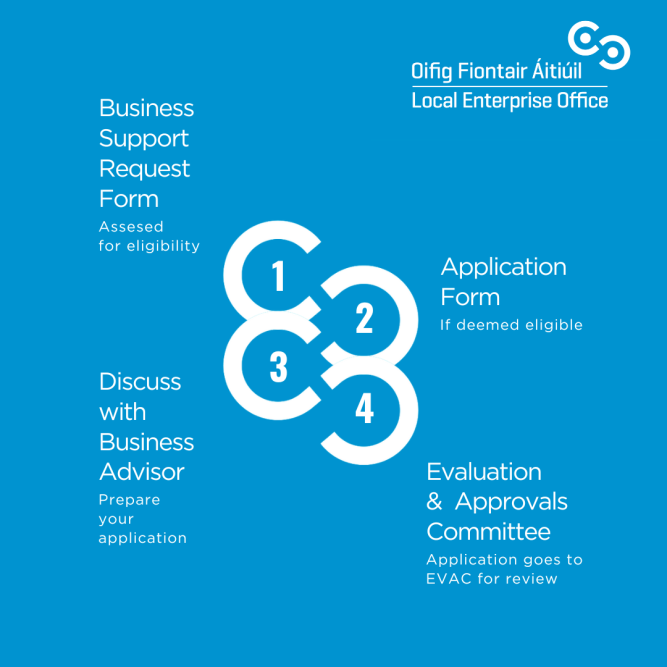
Once your application is in, patience is key. Avoid incessant inquiries, but a polite follow-up email after a reasonable waiting period (if no timeline was specified) is acceptable to check on the status. If your application is successful, congratulations! You will typically receive an award letter outlining the terms and conditions. If your application is rejected, view it as a learning opportunity, not a failure. Many grantors offer feedback or debriefing sessions upon request. Use this feedback to refine your proposal, improve your writing, and identify areas for strengthening your business plan for future applications. Persistence is often a critical factor in securing grant funding.
Grant Management and Compliance
Winning a grant is just the beginning of a new phase: grant management. This involves meticulous tracking of expenditures, adherence to all reporting requirements, and demonstrating progress toward your stated objectives.
- Financial Tracking: Maintain detailed records of every dollar spent, matching expenses to the approved budget. Implement a dedicated accounting system if necessary.
- Performance Reporting: Submit regular progress reports, often quarterly or annually, outlining activities undertaken, milestones achieved, and any challenges encountered. Be transparent and data-driven.
- Compliance: Strictly follow all contractual obligations, legal requirements, and ethical guidelines stipulated by the grantor. This might include audits, site visits, or specific procurement rules.
Proper grant management is crucial not only for the successful execution of your project but also for building a positive relationship with the grantor, which could lead to future funding opportunities or positive references.
Applying for a business grant is a journey that demands research, strategic planning, meticulous writing, and unwavering persistence. By thoroughly understanding the grant landscape, crafting a compelling narrative, and committing to diligent management, entrepreneurs can significantly increase their chances of securing this non-dilutive funding, propelling their businesses towards greater innovation, impact, and success.
aViewFromTheCave is a participant in the Amazon Services LLC Associates Program, an affiliate advertising program designed to provide a means for sites to earn advertising fees by advertising and linking to Amazon.com. Amazon, the Amazon logo, AmazonSupply, and the AmazonSupply logo are trademarks of Amazon.com, Inc. or its affiliates. As an Amazon Associate we earn affiliate commissions from qualifying purchases.