
The pursuit of financial independence and wealth generation often leads entrepreneurs and aspiring business owners to a fundamental question: “What businesses make the most money?” While there’s no single, definitive answer, as profitability is influenced by countless variables beyond the industry itself, certain sectors consistently demonstrate higher revenue potential, robust profit margins, and significant scalability. Understanding these high-performing industries, along with the underlying principles that drive their success, is crucial for anyone looking to embark on a lucrative entrepreneurial journey or identify promising investment opportunities.
Making “the most money” can be interpreted in several ways: it could mean the highest gross revenue, the highest net profit margins, the greatest return on investment (ROI), or the most sustainable long-term growth. This article will delve into industries and business models known for their strong financial performance, examining why they excel and what common denominators contribute to their profitability, all within the comprehensive realm of business finance and online income strategies.

High-Growth Sectors with Inherent Profitability Advantages
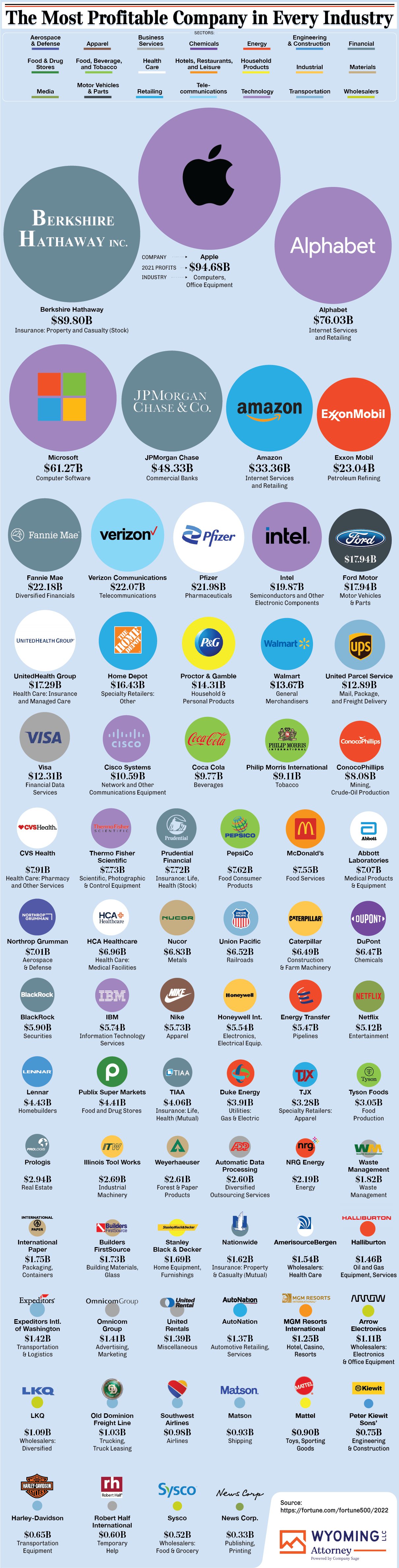
Certain industries are inherently structured to generate substantial wealth due to their market characteristics, demand inelasticity, high barriers to entry, or recurring revenue models. These sectors often require significant initial investment or specialized expertise but offer commensurately high returns.
Technology and Software as a Service (SaaS)
The digital revolution continues to fuel an insatiable demand for innovative technological solutions, making the technology sector a perennial leader in profitability. Software as a Service (SaaS) stands out within this domain due to its subscription-based model, which ensures recurring revenue and often boasts high profit margins once customer acquisition costs are recouped. Companies providing cloud infrastructure, cybersecurity solutions, enterprise resource planning (ERP) software, and specialized AI tools are particularly lucrative.
- Scalability: Software can be distributed globally with minimal marginal cost, allowing for rapid expansion without proportional increases in operational expenses.
- Recurring Revenue: Subscription models provide predictable income streams, simplifying financial forecasting and valuation.
- High Margins: Once a software product is developed, the cost to deliver it to additional customers is relatively low, leading to excellent gross margins.
- Intellectual Property Protection: Patents and proprietary code offer a competitive moat, protecting market share and profitability.
Healthcare and Biotechnology
Healthcare is an evergreen industry, driven by fundamental human needs and an aging global population. Spending on healthcare is often non-discretionary, ensuring consistent demand regardless of economic cycles. Within this vast sector, specific niches demonstrate exceptional profitability.
- Pharmaceuticals and Biotechnology: Developing new drugs, vaccines, and medical treatments involves colossal R&D costs but can lead to blockbuster products with patent protection that guarantees exclusivity and premium pricing for years.
- Specialized Medical Devices: Innovations in surgical instruments, diagnostic equipment, and medical implants often command high prices due to their critical function and advanced technology.
- Specialized Clinics and Services: Practices focusing on high-demand, high-reimbursement procedures (e.g., cosmetic surgery, fertility treatments, specialized diagnostics) can generate significant income.
- Health Information Technology: Solutions for electronic health records, telemedicine, and medical billing streamline operations and improve patient care, offering lucrative opportunities.
Financial Services and Investment Management
The business of managing and multiplying money is inherently profitable. Financial services cater to individuals and corporations alike, providing essential tools for wealth creation, preservation, and transaction facilitation.
- Investment Banking and Private Equity: These firms facilitate large-scale financial transactions, mergers and acquisitions, and capital raising, earning substantial fees. Private equity, in particular, aims for high returns by acquiring, improving, and selling companies.
- Asset Management: Managing portfolios for high-net-worth individuals and institutional investors generates recurring fees based on assets under management (AUM), leading to high profitability as AUM grows.
- Fintech (Financial Technology): Innovators in areas like digital payments, blockchain-based finance, algorithmic trading, and personalized financial planning are disrupting traditional banking models and capturing significant market share with efficient, tech-driven solutions.
- Specialized Lending and Insurance: Niche lending markets (e.g., commercial real estate, peer-to-peer lending platforms) and specialized insurance products (e.g., cybersecurity insurance, professional liability) can offer attractive margins due to targeted risk assessment and less competition.
The Digital Economy: New Avenues for Wealth Generation
The internet has democratized access to markets and created entirely new categories of businesses that can be launched with relatively low overhead and scaled rapidly, making them highly attractive for online income seekers and side hustlers looking to transition to full-time entrepreneurship.
Niche E-commerce and Direct-to-Consumer (DTC) Brands
While general e-commerce giants dominate, substantial money can be made by focusing on niche markets and building strong direct-to-consumer brands that offer unique products or a superior customer experience.
- Targeted Products: Selling highly specific products to a passionate audience (e.g., eco-friendly pet supplies, specialized hobby equipment, sustainable fashion) reduces competition and allows for premium pricing.
- Drop shipping and Print-on-Demand: These models minimize inventory risk and upfront capital, allowing entrepreneurs to test various product ideas and scale quickly based on demand.
- Subscription Boxes: Curated product boxes delivered regularly create recurring revenue and build customer loyalty.
- Social Commerce: Leveraging social media platforms for direct sales and community building reduces marketing costs and fosters deeper customer relationships.
Digital Marketing and Online Content Creation
As businesses increasingly rely on their online presence, the demand for digital marketing expertise and engaging content has exploded.
- SEO and SEM Agencies: Helping businesses rank higher in search engines and manage paid ad campaigns is a critical service that directly impacts revenue, making these agencies highly valuable.
- Social Media Management: Companies pay good money to maintain a strong, engaging presence across various social platforms.
- Content Marketing Agencies: Creating high-quality blog posts, videos, podcasts, and infographics helps businesses attract and retain customers, leading to consistent client work.
- Affiliate Marketing and Influencer Marketing: Individuals or platforms promoting products and earning commissions can generate significant passive income if they have a substantial audience.
- Online Education and E-learning Platforms: Creating and selling online courses, workshops, or digital products (e.g., e-books, templates) allows experts to monetize their knowledge globally with high-profit margins.

Fundamental Principles Driving Exceptional Profitability
Beyond choosing the right industry, the most profitable businesses share common characteristics in their operations, strategy, and market approach. Understanding these principles is arguably more important than merely identifying a “hot” sector.
Strong Business Model and Operational Efficiency
A lucrative industry means little without a sound business model and efficient operations. Profitability is often a direct result of how effectively a business transforms inputs into outputs and manages its costs.
- High-Value Problem Solving: The most profitable businesses address significant pain points or fulfill deep desires for their customers, allowing them to command premium prices.
- Recurring Revenue Streams: Businesses with subscription models, service contracts, or repeat purchases inherently have more stable and predictable income, reducing customer acquisition costs over time.
- Scalability: The ability to grow revenue without a proportional increase in costs is a hallmark of highly profitable ventures. Software and digital products are prime examples.
- Cost Management and Lean Operations: Efficient supply chains, optimized processes, and a focus on minimizing waste directly contribute to higher profit margins.
Innovation, Differentiation, and Market Niche
In competitive markets, simply offering a product or service isn’t enough. Differentiation and continuous innovation are crucial for sustaining profitability.
- Unique Selling Proposition (USP): Clearly articulating what makes a business different and better than competitors helps attract and retain customers willing to pay more for perceived value.
- Technological Advantage: Leveraging proprietary technology, unique algorithms, or advanced R&D can create a significant competitive edge and barrier to entry for others.
- Customer-Centric Innovation: Continuously improving products and services based on customer feedback and anticipating future needs keeps a business relevant and desirable.
- Niche Domination: Instead of trying to serve everyone, focusing on a specific, underserved market segment allows businesses to become the go-to solution, reducing competition and allowing for premium pricing.
Intellectual Property and Barriers to Entry
Businesses that can protect their innovations and create hurdles for competitors tend to maintain higher profitability over longer periods.
- Patents, Trademarks, and Copyrights: Legal protection for inventions, brand names, and creative works prevents others from replicating success, preserving market share and profit margins.
- Network Effects: Platforms where the value increases with more users (e.g., social media, marketplaces) create a strong moat, making it difficult for new entrants to compete.
- High Capital Requirements: Industries like large-scale manufacturing, pharmaceutical R&D, or infrastructure development require immense capital, naturally limiting competition.
- Regulatory Hurdles and Licenses: Strict regulations in industries like healthcare or finance create significant barriers for new players, benefiting established firms.
The Entrepreneur’s Mindset: Beyond the Industry Choice
While selecting a potentially lucrative industry is a strong starting point, ultimate success and profitability often hinge on the entrepreneur’s vision, execution, and financial acumen.
Strategic Planning and Market Research
Thorough understanding of the market, competitive landscape, and target audience is critical.
- Identifying Underserved Needs: The most profitable businesses often emerge from identifying a gap in the market or a problem that isn’t being adequately solved.
- Competitive Analysis: Understanding competitors’ strengths and weaknesses helps in crafting a superior value proposition and avoiding direct price wars.
- Feasibility Studies: Before committing significant resources, assessing the viability of a business idea and its potential for profitability is essential.
Financial Acumen and Capital Management
Effective management of financial resources is paramount for long-term profitability.
- Cash Flow Management: Understanding and optimizing cash inflows and outflows is crucial for operational stability and growth.
- Investment and Reinvestment Strategies: Smart allocation of profits back into the business (e.g., R&D, marketing, infrastructure) fuels future growth and maintains competitiveness.
- Debt Management: Leveraging debt wisely for growth without becoming overleveraged is a delicate balance that impacts profitability.
- Pricing Strategy: Developing a pricing model that reflects value, covers costs, and maximizes profit requires a deep understanding of market dynamics and customer psychology.
Adaptability, Resilience, and Continuous Learning
The business landscape is constantly evolving, and only those businesses that can adapt and innovate will thrive.
- Responding to Market Changes: The ability to pivot, embrace new technologies, and adjust to changing consumer preferences is vital for sustained profitability.
- Risk Management: Identifying and mitigating potential financial, operational, and market risks protects a business from unforeseen downturns.
- Customer Retention: Building strong relationships and fostering loyalty reduces churn and the expensive need to constantly acquire new customers.
In conclusion, while industries like technology, healthcare, and financial services often lead in terms of potential earnings, making “the most money” is not solely about the industry chosen. It is a complex interplay of a strong, scalable business model, efficient operations, continuous innovation, effective financial management, and a deep understanding of market needs. Aspiring entrepreneurs should not only look at where the money is currently being made but also focus on how they can bring unique value, solve significant problems, and build a resilient business that can adapt to future challenges and opportunities. Success often lies at the intersection of industry potential and exceptional execution.
aViewFromTheCave is a participant in the Amazon Services LLC Associates Program, an affiliate advertising program designed to provide a means for sites to earn advertising fees by advertising and linking to Amazon.com. Amazon, the Amazon logo, AmazonSupply, and the AmazonSupply logo are trademarks of Amazon.com, Inc. or its affiliates. As an Amazon Associate we earn affiliate commissions from qualifying purchases.