
Parvovirus, often referred to simply as “parvo,” is a highly contagious and potentially deadly viral disease that affects dogs, particularly puppies. Its rapid onset and severe symptoms can be devastating for pet owners. If you suspect your beloved companion has contracted parvo, it’s crucial to act swiftly and decisively. This guide will walk you through the essential steps, from recognizing the signs to seeking veterinary care and supporting your dog’s recovery.
Understanding Parvovirus: The Silent Threat
Before delving into what to do, it’s important to grasp the nature of parvovirus. Canine Parvovirus (CPV) is a highly resilient virus that attacks the rapidly dividing cells in a dog’s body, most notably those in the gastrointestinal tract and the white blood cells. This dual assault leads to the hallmark symptoms of the disease.
How Parvo Spreads
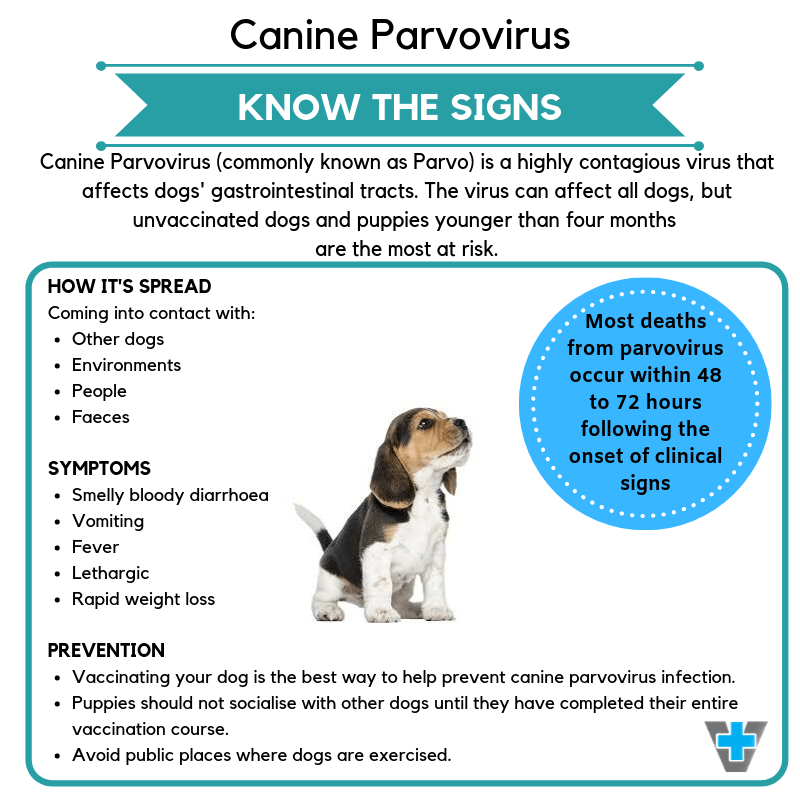
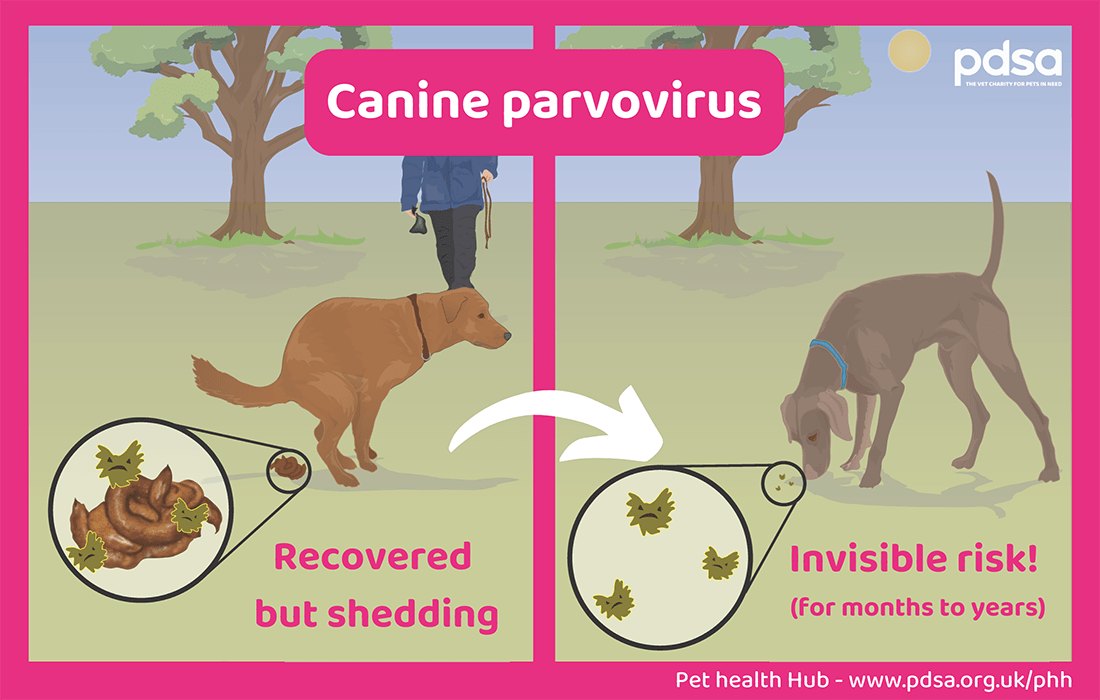
Parvovirus is incredibly contagious. It spreads primarily through the fecal-oral route. Infected dogs shed the virus in their feces, even before showing symptoms. This virus is notoriously hardy and can survive in the environment for extended periods – months, even up to a year – on surfaces like grass, soil, floors, and even on leashes and shoes. This means a seemingly clean environment can still harbor the virus.
Factors that increase a dog’s risk of contracting parvo include:
- Age: Puppies between six weeks and six months old are most vulnerable. Their immune systems are still developing, making them less equipped to fight off the infection.
- Vaccination Status: Puppies who have not completed their full vaccination series are at significantly higher risk. Maternal antibodies can offer some protection in very young puppies, but these wane, leaving them susceptible.
- Breed Predisposition: Certain breeds, such as Rottweilers, Doberman Pinschers, and German Shepherds, appear to be more genetically susceptible to severe parvo infections.
- Stress and Environmental Factors: Overcrowding, stress from moving to a new home, or being in high-dog-traffic areas like shelters or dog parks before vaccination can increase vulnerability.
The Devastating Impact of Parvo
When a dog contracts parvo, the virus replicates rapidly in the intestinal lining. This damages the gut, preventing the absorption of nutrients and fluids. The result is severe vomiting and diarrhea, often with blood, leading to extreme dehydration, electrolyte imbalances, and malnutrition.
Simultaneously, the virus targets white blood cells, crucial components of the immune system. This suppression leaves the dog vulnerable to secondary bacterial infections, which can further complicate the illness and significantly increase mortality rates.
Recognizing the Symptoms of Parvo
Early detection is paramount when dealing with parvovirus. The symptoms can develop very quickly, often within 3 to 7 days of exposure. It’s crucial to be vigilant, especially if you have a puppy or an unvaccinated dog.
The Classic Parvo Symptoms
The most common and noticeable signs of parvovirus include:
- Lethargy and Depression: Your dog may become unusually tired, withdrawn, and listless. They might show a complete lack of interest in play or their surroundings.
- Loss of Appetite: A significant decrease or complete refusal to eat is a strong indicator of illness.
- Vomiting: This is often one of the first visible signs. Vomiting can be frequent and projectile, and it may contain bile or blood.
- Diarrhea: This is another hallmark symptom. The diarrhea is typically severe, watery, and often has a distinctive foul, metallic, or bloody odor. The color can range from yellow to red.
- Fever: While not always present, an elevated body temperature can accompany the infection.
- Dehydration: Due to persistent vomiting and diarrhea, your dog will quickly become dehydrated. Signs include sunken eyes, dry gums, loss of skin elasticity (if you gently pinch the skin on their back, it doesn’t snap back quickly), and reduced urination.
- Abdominal Pain: Dogs with parvo often exhibit signs of severe abdominal discomfort. They may yelp when their abdomen is touched or assume a hunched, “praying” position.
- Weakness and Collapse: In severe cases, dehydration and infection can lead to profound weakness, collapse, and even shock.
Important Note: Some dogs, particularly older or vaccinated dogs, may exhibit milder symptoms or even be asymptomatic carriers. However, they can still shed the virus and infect more vulnerable animals.
Immediate Action: When to Seek Veterinary Care
If you observe any of the symptoms listed above in your dog, do not wait. Parvovirus is a veterinary emergency. Time is of the essence, and prompt medical attention significantly improves the chances of survival.
What to Do Immediately
- Isolate Your Dog: As soon as you suspect parvo, isolate your dog from other dogs and animals. This includes keeping them in a separate room or area of your home and ensuring they don’t come into contact with their own feces.
- Contact Your Veterinarian Immediately: Call your veterinarian and explain your dog’s symptoms. Be prepared to describe the onset, frequency, and appearance of vomiting and diarrhea, as well as any other changes in behavior. Your vet will likely advise you to bring your dog in for an examination as soon as possible.
- Transport Your Dog Safely: If you need to transport your dog to the vet, use a carrier or crate that can be easily cleaned and disinfected afterward. Wipe down the carrier with a strong disinfectant solution (e.g., a 1:30 bleach solution) after use.
Diagnostic Tests for Parvo
At the veterinary clinic, your vet will perform a thorough physical examination and likely recommend specific diagnostic tests to confirm the presence of parvovirus. The most common tests include:
- Fecal Antigen Test (ELISA): This is a rapid, in-house test that detects viral proteins (antigens) in your dog’s stool. It’s highly effective in diagnosing parvo.
- PCR (Polymerase Chain Reaction) Test: This more sensitive test can detect even small amounts of viral DNA and can also help differentiate between different strains of the virus.
- Blood Work (Complete Blood Count and Chemistry Panel): This helps assess the severity of the infection, check for dehydration, electrolyte imbalances, and monitor organ function.
- Radiographs (X-rays): These can help identify intestinal changes, such as fluid buildup or blockage, but they do not directly diagnose parvo.
Treatment and Recovery: The Road to Healing
Parvovirus treatment is primarily supportive, meaning it focuses on managing symptoms, preventing dehydration, and helping the dog’s immune system fight off the infection. There is no direct cure for parvo; it’s about giving the dog the best chance to recover.
Veterinary Hospitalization: The Gold Standard
In most cases, dogs diagnosed with parvovirus require intensive hospitalization at a veterinary clinic. This allows for continuous monitoring and the administration of essential treatments.
Key Treatment Components:
- Fluid Therapy: Intravenous (IV) fluids are crucial to combat dehydration, correct electrolyte imbalances, and maintain blood pressure. This is often the most critical part of treatment.
- Anti-Emetics: Medications to control vomiting are vital to prevent further fluid loss and allow the dog to keep down any medications or food.
- Antibiotics: While parvo is viral, the damaged intestinal lining is highly susceptible to secondary bacterial infections. Broad-spectrum antibiotics are administered to prevent or treat these life-threatening complications.
- Nutritional Support: Once vomiting is controlled, a gradual reintroduction of a highly digestible, bland diet is initiated. In severe cases, a feeding tube (nasogastric or esophagostomy tube) may be necessary to ensure adequate nutrition without overwhelming the compromised digestive system.
- Pain Management: Medications to alleviate abdominal pain and discomfort are often prescribed.
- Antiviral Medications (Experimental/Adjunct): While not a standard cure, some veterinary facilities may explore experimental antiviral treatments or supportive therapies like plasma transfusions or interferons in specific cases.
Home Care and Recovery
For dogs that are able to recover at home (which is rare for severe cases), or after a period of hospitalization, diligent home care is essential.
- Follow Veterinary Instructions Precisely: Adhere strictly to your veterinarian’s medication schedule, dietary recommendations, and follow-up appointment plans.
- Diet: Continue with the prescribed bland, highly digestible diet. Gradually transition back to your dog’s regular food as recommended by your vet.
- Hydration: Ensure constant access to fresh water. Monitor for signs of dehydration.
- Rest and Quiet: Provide a calm and comfortable environment for your dog to rest and recover. Avoid strenuous activity.
- Monitoring: Continue to monitor your dog closely for any recurring symptoms, such as vomiting, diarrhea, lethargy, or loss of appetite.
- Hygiene: Maintain strict hygiene practices. Thoroughly clean and disinfect any areas your dog has been in.
The Importance of Vaccination and Prevention
The best way to protect your dog from parvovirus is through vaccination. A comprehensive vaccination protocol is the cornerstone of parvo prevention.
- Puppy Vaccination Series: Puppies need a series of vaccinations starting around 6-8 weeks of age, with boosters administered every 3-4 weeks until they are at least 16 weeks old.
- Adult Boosters: Annual or triennial booster vaccinations are necessary to maintain immunity.
- Puppy Socialization: It’s crucial to balance the need for socialization with the risk of parvo. Discuss with your veterinarian the safest ways to socialize your puppy, such as with known healthy, vaccinated dogs in safe environments. Avoid dog parks or public areas until your puppy has completed their vaccination series.
- Hygiene in Public Areas: Always be mindful of where your dog walks and what they ingest. If you’re in an area where parvo is known to be present, be extra cautious.
Disinfection: Parvovirus is notoriously difficult to kill. A solution of one part bleach to thirty parts water is effective for disinfection. It’s crucial to thoroughly clean all surfaces, food and water bowls, bedding, and any items that may have come into contact with an infected dog.

Conclusion: Hope Through Vigilance and Care
Discovering your dog has parvo is a deeply distressing experience. The journey to recovery can be long and challenging, but with prompt veterinary intervention, dedicated supportive care, and your unwavering commitment, many dogs can and do survive this formidable disease.
The key takeaways are:
- Act Fast: If you suspect parvo, contact your veterinarian immediately.
- Seek Professional Care: Hospitalization for intensive supportive treatment is often critical.
- Follow Instructions: Adhere meticulously to your vet’s treatment and recovery plan.
- Prioritize Prevention: Vaccination is the most effective defense against parvovirus.
By understanding the risks, recognizing the signs, and acting decisively, you significantly increase your dog’s chances of overcoming parvovirus and returning to a healthy, happy life. Your vigilance and love are their greatest allies in this fight.
aViewFromTheCave is a participant in the Amazon Services LLC Associates Program, an affiliate advertising program designed to provide a means for sites to earn advertising fees by advertising and linking to Amazon.com. Amazon, the Amazon logo, AmazonSupply, and the AmazonSupply logo are trademarks of Amazon.com, Inc. or its affiliates. As an Amazon Associate we earn affiliate commissions from qualifying purchases.