
In the relentless pursuit of economic prosperity, entrepreneurs and investors alike constantly seek to identify the elusive “most profitable businesses.” This quest is driven by the desire to maximize return on investment, build sustainable wealth, and create ventures that not only generate substantial revenue but also retain a significant portion of it as net profit. While the landscape of business is ever-evolving, certain sectors and underlying financial models consistently demonstrate superior profitability, often characterized by high demand, low overhead, specialized knowledge, or robust recurring revenue streams. Understanding these core drivers is paramount for anyone looking to enter or optimize a business for financial success.
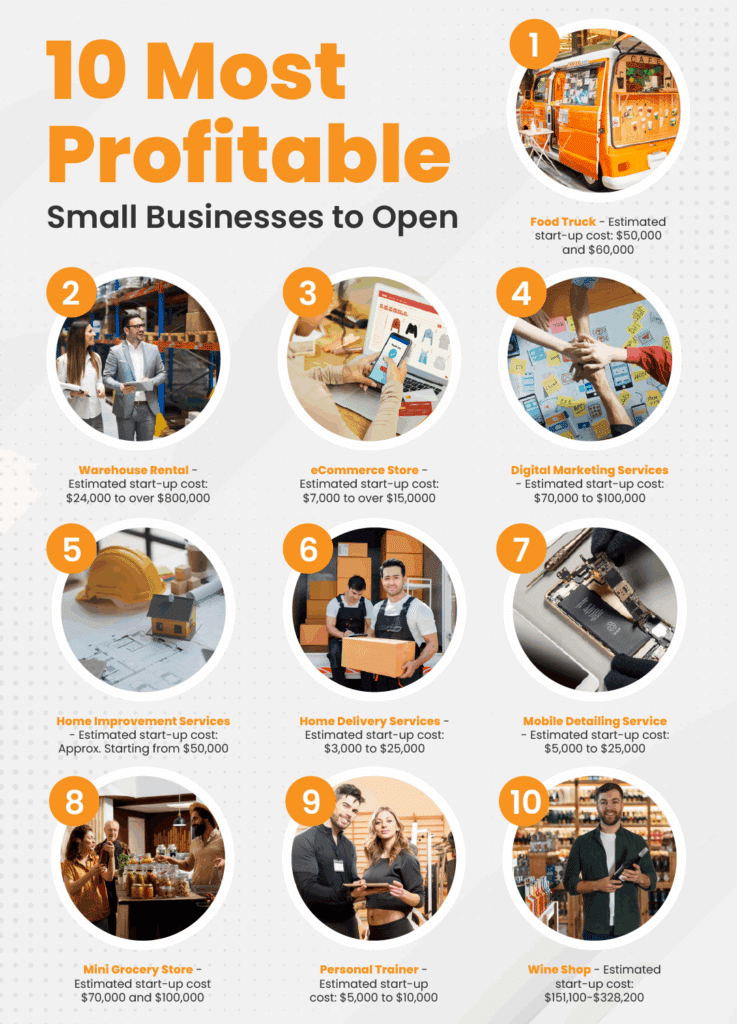
This article delves into the financial underpinnings of highly profitable enterprises, exploring the characteristics that define them, identifying key sectors that historically outperform, and outlining strategies that can elevate profitability in almost any venture. Our focus remains strictly within the realm of Money, examining business finance, investment potential, and income generation from a financial perspective.
Understanding the Drivers of High Profitability
Profitability isn’t merely about achieving high sales; it’s about the efficiency with which a business converts revenue into net income. Several critical factors contribute to a business’s capacity to generate and retain substantial profits.
High-Margin Products and Services
Businesses offering products or services with high-profit margins are inherently more profitable. These are often items or services that are perceived as high value, exclusive, proprietary, or solve a critical, often urgent, problem. Think of luxury goods, where brand perception and scarcity allow for premium pricing far exceeding production costs. Similarly, specialized consulting services, unique digital products, or certain medical procedures command high fees because they deliver significant value, expertise, or results that are not easily replicated. The key here is the ability to price significantly above the cost of goods sold (COGS) or the direct cost of delivering the service.
Low Overhead & Scalability
A business model that minimizes fixed and variable overhead costs while having the potential to scale rapidly without a proportional increase in expenses is a goldmine for profitability. Online businesses, for instance, often exemplify this. A SaaS (Software as a Service) company might incur initial development costs, but once the software is built, the cost to serve an additional customer (marginal cost) is extremely low. Similarly, digital content creators, online course providers, or businesses leveraging dropshipping models can reach a global audience with minimal physical infrastructure, staff, or inventory, allowing profits to multiply as customer acquisition grows.
Recurring Revenue Models
Predictable income streams are highly coveted in the financial world because they provide stability, facilitate accurate forecasting, and often increase a business’s valuation. Subscription services, retainers, memberships, or long-term contracts fall into this category. Examples include streaming services, B2B software subscriptions, gym memberships, or even scheduled maintenance services. These models foster customer loyalty, reduce customer acquisition costs over time, and provide a consistent cash flow that underpins financial health and growth.
Niche Markets & Specialization
While mass markets can offer volume, niche markets often offer superior profitability due to reduced competition and the ability to command premium pricing. By specializing, businesses can become the go-to experts for a specific problem or demographic, allowing them to differentiate on value rather than just price. For example, a financial advisor specializing solely in retirement planning for small business owners in a specific industry can develop deep expertise and a strong reputation within that niche, attracting clients willing to pay for tailored solutions.
High Barriers to Entry
Industries with significant barriers to entry — whether due to substantial capital requirements, extensive regulatory hurdles, specialized licenses, advanced technological expertise, or proprietary intellectual property — tend to protect existing players’ profit margins. These barriers deter new competitors, reducing price pressure and allowing established businesses to maintain market dominance and pricing power. Pharmaceuticals with patented drugs, specialized manufacturing, or certain regulated financial services are prime examples where high barriers safeguard profitability.
Top Sectors Demonstrating Consistent Profitability
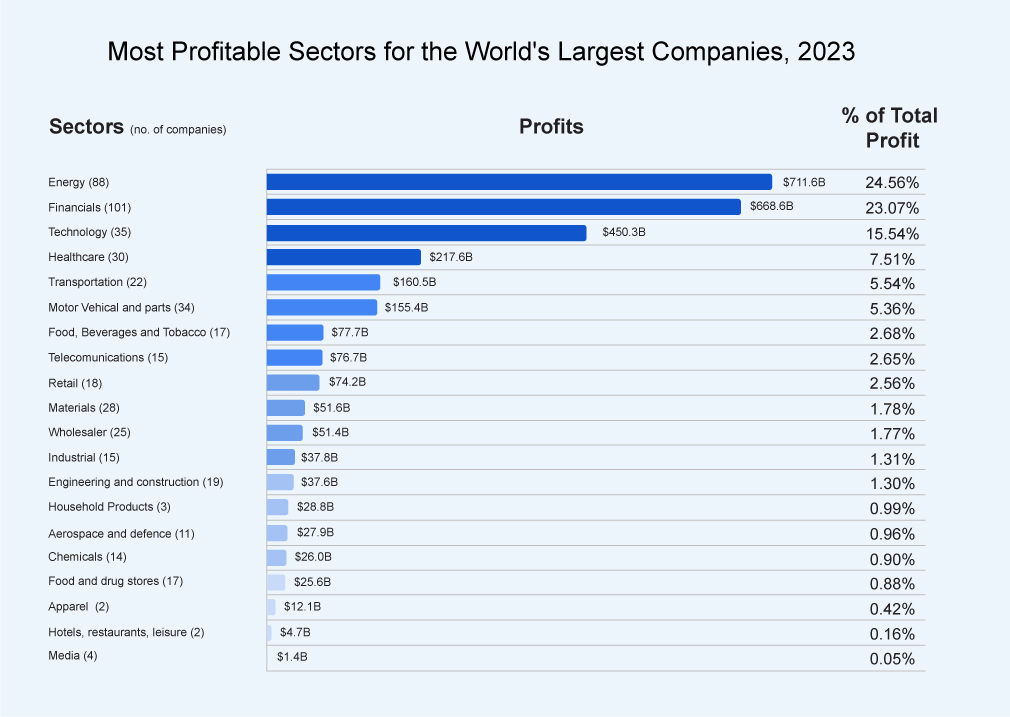
Based on the drivers outlined above, several sectors consistently rank high in profitability across various economic cycles, often due to their intrinsic characteristics.
Financial Services & Wealth Management
The financial services sector, particularly wealth management, investment banking, and financial advisory, remains exceptionally profitable. These businesses deal with high-value assets and transactions, often operating on commission, advisory fees, or asset under management (AUM) fees. The service provided—expert guidance on investing, managing, and growing wealth—is highly specialized and perceived as invaluable by clients, allowing for high billing rates. The trust and expertise required also create significant barriers to entry, protecting incumbents. Financial technology (FinTech) solutions that automate aspects of these services are also emerging as highly profitable ventures.
Healthcare & Specialized Medical Services
Healthcare, particularly specialized medical services and pharmaceuticals, is another highly profitable sector. The fundamental, non-discretionary demand for health services, coupled with significant research and development costs (in pharma) and specialized equipment/expertise (in medical services), allows for high pricing. Businesses like specialized clinics (e.g., cosmetic surgery, fertility clinics, dental implant centers), diagnostic imaging centers, and companies developing patented medical devices or drugs often achieve substantial profit margins. An aging global population and continuous advancements in medical technology ensure sustained demand and profitability in these areas.
Software & Information Products (Digital Economy)
The digital economy has given rise to some of the most profitable business models due to their inherent scalability and low marginal costs.
- Software as a Service (SaaS): Companies offering subscription-based software solutions (e.g., CRM, project management, cybersecurity tools) benefit from recurring revenue, high retention rates, and the ability to serve millions of users with a single code base. Once developed, the cost to deliver the service to an additional user is almost negligible, leading to extremely high-profit margins.
- Online Courses & Digital Products: Experts creating and selling online courses, e-books, templates, or premium content can generate significant passive income. The initial effort is high, but once created, these products can be sold repeatedly without incurring additional production costs, making them extraordinarily profitable ventures with global reach.
- Affiliate Marketing & Content Monetization: Leveraging platforms like YouTube, blogs, or social media, individuals and companies can build audiences and monetize them through affiliate commissions, advertising revenue, and sponsored content. Startup costs are minimal, and the potential for scale is vast, making it a low-overhead, high-return business model.
Specialized Professional Services
Beyond finance, certain specialized professional services consistently yield high profits. Legal services, particularly in niche areas like mergers and acquisitions (M&A), intellectual property law, or international tax law, command premium fees due to the complexity and critical nature of the work. Similarly, high-end management consulting firms that provide strategic advice to corporations can charge exorbitant rates based on the perceived impact of their recommendations on a client’s bottom line. The profitability here stems from deep expertise, intellectual capital, and the direct impact on client success.
Emerging & Evergreen Profitable Business Models
Beyond traditional sectors, several business models—both enduring and new—are proving to be highly lucrative.
Niche E-commerce & Subscription Boxes
While general e-commerce can be competitive, focusing on niche markets significantly boosts profitability. Selling unique, proprietary products with strong branding, or curating specialized subscription boxes (e.g., gourmet coffee, pet supplies, craft kits) creates recurring revenue and builds a loyal customer base. Models like print-on-demand or dropshipping (when executed with a focus on quality and customer experience) also offer low inventory risk and high-profit potential by connecting consumers with products without the need for significant upfront capital in inventory.
Senior Care & Home Healthcare
The rapidly aging global population ensures a constant and growing demand for senior care services, both residential and home-based. These businesses offer essential services that families increasingly rely on, ranging from personal care assistance to skilled nursing. While requiring some specialized staff and licensing, the recurring nature of the need and the ability to scale by expanding service areas or offering diverse care packages make this a consistently profitable sector with strong underlying demographic trends.
Renewable Energy Installation & Maintenance
With increasing environmental awareness and government incentives, the renewable energy sector is booming. Businesses involved in the installation, maintenance, and consulting for solar panels, wind turbines, and other green energy solutions are in high demand. This field requires specialized technical skills, and the long-term contracts for maintenance and operations create predictable revenue streams, making it a highly attractive and profitable area for investment and entrepreneurship.
Experiential Services & Niche Tourism
In an experience-driven economy, businesses offering unique, personalized, and high-quality experiences are thriving. This includes niche tourism (e.g., adventure travel, culinary tours, wellness retreats), specialized workshops, or curated local experiences. These services often command premium pricing because they offer intangible value, exclusivity, and lasting memories, which consumers are increasingly willing to pay for. The focus is on creating exceptional value and often requires less physical inventory compared to product-based businesses.
Key Strategies for Maximizing Profitability in Any Business
While choosing the right sector is crucial, implementing sound financial and operational strategies is equally important for long-term profitability in any business venture.
Strategic Pricing
Underpricing is a common mistake that cripples profitability. Instead of merely competing on price, businesses should adopt value-based pricing, premium pricing for quality, or dynamic pricing strategies. Understanding your target market’s willingness to pay and effectively communicating the value proposition allows you to maximize revenue per transaction, directly impacting gross profit margins.
Cost Management & Operational Efficiency
Relentless focus on cost control and operational efficiency is fundamental. This involves regularly analyzing expenses, negotiating favorable terms with suppliers, leveraging automation to reduce labor costs, and streamlining processes to minimize waste. A lean operation ensures that more revenue translates directly into profit, enhancing the net profit margin.
Customer Retention & Lifetime Value (LTV)
It is significantly cheaper to retain an existing customer than to acquire a new one. Implementing strategies to improve customer satisfaction, build loyalty, and encourage repeat purchases significantly boosts profitability. Focusing on increasing the Customer Lifetime Value (LTV) through upsells, cross-sells, and subscription models creates a more stable and profitable revenue base over time.
Innovation & Adaptation
Markets and consumer preferences are constantly shifting. Businesses that innovate and adapt to these changes by introducing new products, services, or business models are better positioned for sustained profitability. This doesn’t always mean groundbreaking inventions; it can be about finding new revenue streams, optimizing existing offerings, or identifying untapped market segments.
Strong Financial Literacy & Management
At the core of profitability is a deep understanding of your business’s financial health. This involves meticulous bookkeeping, regular analysis of financial statements (income statement, balance sheet, cash flow statement), understanding key performance indicators (KPIs) like gross margin, net margin, and return on investment (ROI). Data-driven financial decisions, robust cash flow management, and effective budgeting are indispensable for maximizing and sustaining profits.

Conclusion
The pursuit of the “most profitable businesses” is a journey into understanding market dynamics, financial models, and operational excellence. While certain sectors like financial services, specialized healthcare, and the digital economy’s software and information products often exhibit superior profitability due to their high margins, scalability, and recurring revenue potential, success is not exclusive to these areas.
Ultimately, high profitability is achieved through a combination of strategic choices: identifying high-demand niches, leveraging expertise to create perceived value, maintaining lean operations, fostering customer loyalty, and, crucially, making informed financial decisions. The most profitable business is not merely a concept but a meticulously executed venture that solves genuine problems, delivers exceptional value, and manages its finances with precision and foresight. For aspiring entrepreneurs and seasoned investors, focusing on these principles—regardless of the specific industry—will illuminate the path to sustainable financial success.
aViewFromTheCave is a participant in the Amazon Services LLC Associates Program, an affiliate advertising program designed to provide a means for sites to earn advertising fees by advertising and linking to Amazon.com. Amazon, the Amazon logo, AmazonSupply, and the AmazonSupply logo are trademarks of Amazon.com, Inc. or its affiliates. As an Amazon Associate we earn affiliate commissions from qualifying purchases.