
Embarking on the entrepreneurial journey is a dream for many, fueled by the desire for autonomy, innovation, and financial independence. While the allure of creating something new and impactful is powerful, the practical reality of launching and sustaining a business fundamentally revolves around its financial health. From initial ideation to long-term growth, every decision has monetary implications. This comprehensive guide delves into the critical financial aspects of starting your own business, ensuring you build a robust monetary foundation for success.
The Financial Foundation: Before You Begin
Before you even think about product development or marketing, a thorough assessment of your financial landscape is paramount. Understanding your personal financial situation and the costs associated with your nascent venture will provide the clarity needed to proceed confidently.

Assessing Your Personal Financial Readiness
The decision to start a business often comes with a period of financial instability, especially in the early stages. It’s crucial to evaluate your personal finances to determine your capacity to weather this storm. Start by creating a personal budget to understand your monthly expenses and identify areas where you can cut back. A robust emergency fund, ideally covering 6-12 months of personal living expenses, is non-negotiable. This fund acts as a safety net, allowing you to focus on your business without the immediate pressure of personal financial strain. Additionally, assess your current debt levels. High consumer debt can be a significant burden, potentially diverting resources and mental energy away from your business. Consider paying down high-interest debt before making the leap. Your personal financial stability directly impacts your business’s early viability.
Understanding Start-up Costs and Operating Expenses
Launching a business, no matter how lean, incurs costs. These fall into two main categories: start-up costs and operating expenses. Start-up costs are one-time expenses required to get your business off the ground. These can include legal fees for entity formation, intellectual property registration, initial equipment purchases, software licenses, website development, and initial inventory. Be meticulously thorough in listing every potential cost, from office supplies to domain registration. Underestimating these can lead to critical funding shortfalls.
Operating expenses, on the other hand, are the ongoing costs required to keep your business running day-to-day. These typically include rent, utilities, salaries, marketing, insurance, subscription services, and raw materials. It’s vital to project these expenses for at least the first 6-12 months, recognizing that your business may not generate significant revenue immediately. A buffer for unforeseen expenses, typically 15-20% of your total projected costs, is also a wise inclusion in your financial planning. This comprehensive understanding ensures you have a realistic picture of the financial commitment involved.
Crafting a Detailed Business Plan with a Strong Financial Section
A business plan isn’t just a document for investors; it’s your financial roadmap. While it covers various aspects of your business, the financial section is arguably the most critical. This section should include:
- Start-up Cost Analysis: A detailed breakdown of all initial expenses.
- Funding Request (if applicable): How much capital you need and how it will be used.
- Financial Projections:
- Sales Forecasts: Realistic estimates of your revenue over the first 1-3 years.
- Profit & Loss Statement (Income Statement): Projects your revenues, costs, and profits over a period.
- Cash Flow Statement: Shows the actual movement of money in and out of your business, which is often more critical for survival than profit.
- Balance Sheet: A snapshot of your business’s assets, liabilities, and equity at a specific point in time.
- Break-Even Analysis: The point at which your total revenue equals your total expenses, meaning your business is neither making nor losing money.
Developing this financial section forces you to think critically about every aspect of your business’s economics, from pricing strategies to cost structures, laying a solid foundation for financial decision-making.
Funding Your Venture: Securing Capital
Once you have a clear understanding of your financial needs, the next step is to secure the necessary capital. There are numerous avenues for funding, each with its own advantages and disadvantages.
Self-Funding and Bootstrapping Strategies
Self-funding, or “bootstrapping,” is often the first and most accessible option for new entrepreneurs. This involves using personal savings, credit cards (with extreme caution due to high interest rates), or even tapping into your home equity. The primary advantage of bootstrapping is retaining full ownership and control of your business. It also forces a lean approach, prioritizing essential expenditures and fostering financial discipline. Strategies include starting small with minimal inventory, operating from a home office, leveraging free or low-cost tools, and delaying non-essential hires. While it limits initial scale, bootstrapping can be a powerful way to prove your concept and generate early revenue without external pressures.
Exploring Traditional and Alternative Funding Sources
If self-funding isn’t sufficient, you’ll need to explore external sources.
- Traditional Bank Loans: Banks offer various loan products for small businesses, often requiring a solid business plan, collateral, and a good personal credit score. SBA (Small Business Administration) loans, guaranteed by the government, can make it easier for small businesses to qualify.
- Lines of Credit: Similar to a credit card for your business, a line of credit provides access to a revolving amount of capital that you can draw from as needed and repay.
- Crowdfunding: Platforms like Kickstarter or Indiegogo allow you to raise small amounts of capital from a large number of individuals, often in exchange for pre-orders or unique rewards. Equity crowdfunding, under specific regulations, allows you to sell small stakes in your company to the public.
- Angel Investors: High-net-worth individuals who provide capital for start-ups, usually in exchange for equity. They often bring valuable industry experience and mentorship.
- Venture Capital (VC): Firms that invest in high-growth potential companies in exchange for significant equity. VCs typically invest larger sums than angel investors and are looking for substantial returns.
Each option comes with different requirements, repayment terms, and levels of equity dilution. Researching and understanding the nuances of each is crucial for selecting the best fit for your business and financial goals.
Understanding Equity vs. Debt Financing
A fundamental decision in securing capital is choosing between equity and debt financing.
- Debt Financing: Involves borrowing money that you must repay, usually with interest, within a specified timeframe. Examples include bank loans, lines of credit, and personal loans. The primary advantage is retaining full ownership of your company. The downside is the obligation to make regular payments regardless of your business’s profitability, and the risk of default.
- Equity Financing: Involves selling a portion of your ownership in the company to investors in exchange for capital. Examples include angel investments and venture capital. The advantage is that you don’t have to repay the money (though investors expect a return on their investment), and you gain access to the investors’ expertise and networks. The disadvantage is diluting your ownership and giving up some control over your business.
The choice between these two approaches significantly impacts your business’s long-term financial structure and control. Many businesses utilize a hybrid approach, combining elements of both.
Managing Your Business Finances for Sustainable Growth
Securing funding is just the beginning. Effective day-to-day financial management is critical for survival and sustainable growth. This requires setting up robust systems and making informed decisions about revenue and expenses.
Setting Up Essential Financial Systems
From day one, establish clear financial systems.
- Separate Bank Accounts: Absolutely crucial. Keep personal and business finances strictly separate to simplify accounting, tax preparation, and to maintain your business’s legal entity status.
- Accounting Software: Invest in reliable accounting software (e.g., QuickBooks, Xero, FreshBooks). This will help you track income and expenses, generate financial reports, manage invoices, and reconcile bank statements. Proper record-keeping is not optional; it’s a legal and operational necessity.
- Payment Processing: Set up systems to accept payments efficiently, whether through online payment gateways, POS systems, or direct bank transfers.
These systems provide the backbone for all your financial operations, ensuring accuracy and compliance.
Pricing Strategies and Revenue Generation
How you price your products or services directly impacts your revenue and profitability. Common strategies include:
- Cost-Plus Pricing: Adding a markup percentage to the cost of producing your product or service. Simple but might not reflect market value.
- Value-Based Pricing: Setting prices based on the perceived value to the customer, rather than just the cost of production. Often used for premium products or unique services.
- Competitor-Based Pricing: Setting prices based on what your competitors charge. Useful for understanding market benchmarks but shouldn’t be the sole factor.
- Tiered Pricing: Offering different packages or service levels at various price points to cater to different customer segments.
- Subscription Models: For recurring revenue, often used for software, content, or service-based businesses.
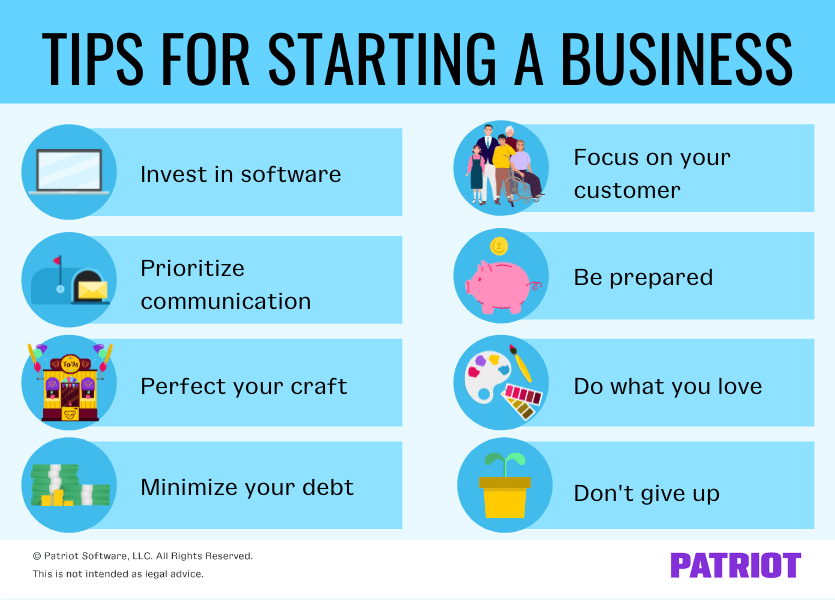
Beyond pricing, focus on diversifying revenue streams where possible to mitigate risk. This could involve offering complementary products, services, or licensing opportunities.
Effective Expense Management and Cost Control
Every dollar saved on expenses is a dollar added to your bottom line. Implement rigorous expense tracking from the outset. Categorize all expenditures to identify where your money is going. Regularly review your vendor contracts and look for opportunities to negotiate better terms or find more cost-effective suppliers. Automate bill payments where appropriate to avoid late fees. Distinguish between necessary operational expenses and discretionary spending, always asking if an expense genuinely contributes to your business’s core objectives and growth. Lean operations and disciplined cost control are hallmarks of financially healthy businesses.
Cash Flow Management: The Lifeblood of Your Business
Profitability is important, but cash flow is king. A business can be profitable on paper but still fail due to poor cash flow if it doesn’t have enough liquid funds to cover its immediate obligations. This often happens when customers pay slowly or inventory sits for too long.
- Monitor Accounts Receivable: Invoice promptly and follow up on overdue payments.
- Manage Accounts Payable: Pay your bills strategically, taking advantage of payment terms without incurring late fees.
- Inventory Management: Avoid overstocking, which ties up cash.
- Cash Flow Projections: Regularly forecast your incoming and outgoing cash to anticipate potential shortfalls and take proactive measures. This may involve securing a short-term line of credit or delaying non-essential purchases.
Proactive cash flow management ensures your business can meet its financial obligations, seize opportunities, and sustain operations even during lean periods.
Navigating Financial Compliance and Risk
Understanding and adhering to financial regulations, along with proactive risk management, is crucial for long-term viability and to avoid costly penalties.
Understanding Tax Obligations and Business Structures
Your business structure has significant implications for your tax obligations and personal liability. Common structures include:
- Sole Proprietorship: Simple to set up, but no legal distinction between you and your business. All profits and losses are reported on your personal tax return.
- Partnership: Similar to a sole proprietorship but with two or more owners.
- Limited Liability Company (LLC): Offers personal liability protection (separates personal and business assets) while providing flexibility in how it’s taxed (can be taxed as a sole prop, partnership, S-Corp, or C-Corp).
- S Corporation (S-Corp): Avoids the “double taxation” of a C-Corp (corporate and individual level) by passing income and losses directly to the owners’ personal income without being subject to corporate tax rates.
- C Corporation (C-Corp): A separate legal entity from its owners, offering the strongest liability protection. Subject to corporate income tax, and dividends paid to shareholders are taxed again at the individual level.
Consult with an accountant or legal professional to choose the structure that best suits your business’s needs, growth plans, and tax strategy. Be diligent in understanding and remitting all applicable federal, state, and local taxes, including income tax, sales tax, and payroll taxes.
Essential Business Insurance
Insurance is a critical financial safeguard against unforeseen events. While it’s an expense, it protects your business from potentially ruinous liabilities. Key types of business insurance include:
- General Liability Insurance: Covers claims of bodily injury or property damage to others caused by your business operations.
- Property Insurance: Protects your business’s physical assets (e.g., building, equipment, inventory) from damage or loss due to events like fire, theft, or vandalism.
- Professional Liability Insurance (Errors & Omissions): For service-based businesses, covers claims of negligence, errors, or omissions in your professional services.
- Workers’ Compensation Insurance: Required in most states if you have employees, covering medical costs and lost wages for employees injured on the job.
- Business Interruption Insurance: Replaces lost income and covers extra expenses if your business has to temporarily close due to covered perils.
Work with a reputable insurance broker to assess your specific risks and tailor an appropriate insurance portfolio.
Financial Projections and Forecasting
Beyond the initial financial section of your business plan, continuous financial forecasting is vital. Regularly update your sales forecasts, expense projections, and cash flow statements. This isn’t just a static exercise; it’s a dynamic tool for decision-making. Scenario planning, where you project outcomes based on best-case, worst-case, and most-likely scenarios, helps you prepare for various market conditions. Accurate forecasting allows you to anticipate funding needs, identify potential profitability issues early, and adjust your strategies proactively, rather than reactively.
Planning for Profitability and Future Financial Success
Ultimately, the goal of starting a business is to generate profit and build long-term financial value. This requires strategic planning, continuous monitoring, and an eye on the future.
Key Performance Indicators (KPIs) for Financial Health
To monitor your business’s financial health effectively, identify and track key financial performance indicators (KPIs). These metrics provide insights into your operations and financial efficiency. Examples include:
- Gross Profit Margin: (Revenue – Cost of Goods Sold) / Revenue. Indicates the profitability of your core products/services.
- Net Profit Margin: Net Profit / Revenue. Shows overall profitability after all expenses.
- Customer Acquisition Cost (CAC): Total marketing/sales costs / Number of new customers. Helps evaluate marketing efficiency.
- Customer Lifetime Value (CLTV): The total revenue a business can expect from a single customer account.
- Return on Investment (ROI): (Gain from Investment – Cost of Investment) / Cost of Investment. Measures the efficiency of an investment.
- Burn Rate (for startups): How quickly a company is spending its cash.
Regularly analyzing these and other relevant KPIs enables you to make data-driven decisions, identify areas for improvement, and gauge your progress towards financial goals.
Reinvesting Profits for Scalability and Expansion
Once your business starts generating profits, a key financial decision is how to allocate them. While it’s tempting to take all profits as personal income, strategic reinvestment is crucial for scalability and long-term growth. Reinvesting profits can fund:
- Research & Development: Innovating new products or services.
- Marketing & Sales Expansion: Reaching new markets or customer segments.
- Technology Upgrades: Improving operational efficiency.
- Talent Acquisition: Hiring key personnel to drive growth.
- Infrastructure Expansion: Opening new locations or increasing production capacity.
A balanced approach that rewards owners while fueling sustainable growth is often the most effective. This means understanding the difference between short-term gains and long-term value creation.

Exit Strategies: Valuing Your Business and Planning for the Future
Even if you envision running your business indefinitely, having an exit strategy is a smart financial move. It forces you to build your business in a way that maximizes its value, even if you never sell. Common exit strategies include:
- Selling the Business: To a strategic buyer, financial buyer, or even employees. This requires accurate valuation, often based on multiples of earnings or revenue.
- Initial Public Offering (IPO): Taking your company public by selling shares on a stock exchange (typically for very large, high-growth companies).
- Merger or Acquisition: Combining with or being acquired by another company.
- Succession Planning: Passing the business on to family members or key employees.
- Liquidation: Selling off assets and dissolving the business (usually a last resort).
Planning an exit strategy involves building transferable value, ensuring clean financial records, and identifying potential buyers or successors. This foresight enhances the financial attractiveness and flexibility of your business, positioning it for its ultimate financial trajectory, whatever that may be.
Starting your own business is an exhilarating challenge, but its true foundation lies in meticulous financial planning and disciplined management. By focusing on these core money principles—from initial funding to sustained profitability and future valuation—entrepreneurs can navigate the complexities of the market and build ventures that are not only innovative but also financially robust and enduring.
aViewFromTheCave is a participant in the Amazon Services LLC Associates Program, an affiliate advertising program designed to provide a means for sites to earn advertising fees by advertising and linking to Amazon.com. Amazon, the Amazon logo, AmazonSupply, and the AmazonSupply logo are trademarks of Amazon.com, Inc. or its affiliates. As an Amazon Associate we earn affiliate commissions from qualifying purchases.