
The pursuit of identifying the “best” business to start up is a common quest among aspiring entrepreneurs, yet the answer is rarely singular or straightforward. While innovation, passion, and market demand are undoubtedly crucial, the core of what makes a business “best” often boils down to its financial viability, potential for generating sustainable income, and alignment with an individual’s financial goals and risk tolerance. In an ever-evolving economic landscape, understanding the financial dynamics of various business models, from initial capital requirements to long-term profitability and scalability, is paramount. This article delves into the critical financial considerations for identifying and launching a successful venture, focusing exclusively on the money-centric aspects that drive business triumph.
Understanding the Financial Landscape for Startups
Embarking on any entrepreneurial journey requires a keen understanding of the financial ecosystem in which a new business will operate. It’s not enough to have a good idea; that idea must translate into a profitable venture. This involves meticulous market analysis from a financial perspective, an appreciation for cost-effective operational models, and foresight into how a business can grow its revenue streams over time.
Identifying High-Demand, High-Profit Niches
The first step in pinpointing a financially sound business idea is to identify market niches characterized by strong demand and a willingness among customers to pay a premium for solutions. This isn’t about chasing fads but understanding persistent problems that people or businesses are actively seeking to solve. Financial market research involves analyzing consumer spending patterns, identifying underserved segments, and evaluating the average transaction value and potential frequency of purchases within specific industries. For instance, services that save time (e.g., personal concierge, specialized cleaning), enhance efficiency (e.g., business consulting, digital tools for productivity), or fulfill critical needs (e.g., senior care, specialized education) often command higher prices and possess inherent demand. Furthermore, businesses that cater to specific, affluent demographics or B2B markets can often secure higher profit margins due to the perceived value and budget availability. The goal is to locate an intersection where genuine need meets a customer’s ability and desire to invest financially in a solution, thereby maximizing revenue potential for the startup.
Low-Overhead Models for Maximized Profitability
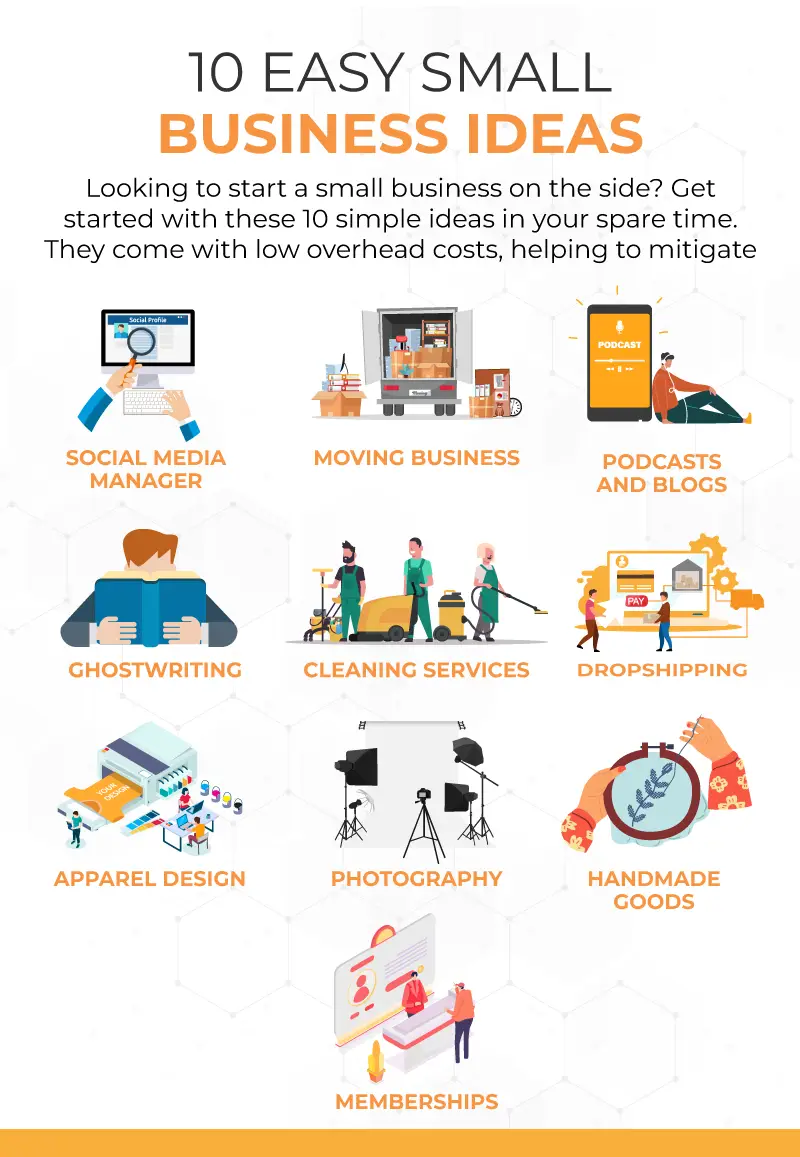
For new businesses, especially those bootstrapped or with limited initial capital, minimizing overheads is a strategic imperative for maximizing profitability from day one. High fixed costs, such as expensive office leases, extensive inventory, or a large salaried workforce, can quickly deplete funds and stall growth before revenue even stabilizes. The “best” businesses often start with lean models, leveraging existing resources or operating virtually. Service-based businesses, digital products, consulting, and online education platforms are prime examples of ventures that can launch with minimal capital investment. These models often rely on an entrepreneur’s skills, time, and readily available digital infrastructure rather than significant physical assets. By reducing operational expenses, a larger portion of generated revenue directly contributes to profit, improving cash flow and providing a financial cushion for future investment or unexpected challenges. This strategic financial discipline allows startups to achieve profitability faster and sustain themselves longer, even with moderate initial revenue.
The Role of Scalability in Long-Term Financial Growth
A truly “best” business possesses the characteristic of scalability, meaning its revenue can grow significantly without a proportional increase in costs. This is crucial for long-term financial success and for moving beyond the limitations of a sole proprietorship. Scalable businesses often leverage technology, automation, or repeatable processes to serve a larger customer base more efficiently. For example, a software-as-a-service (SaaS) company, once developed, can be sold to thousands or millions of users with relatively low additional costs per user. Similarly, online courses, e-books, or templates can be created once and sold repeatedly. Even service businesses can achieve scalability through franchising, developing standardized operational procedures, or creating agency models. The financial benefit of scalability lies in its ability to generate exponential growth in profit margins. As revenue increases, fixed costs are spread across a larger output, leading to a higher profit percentage on each subsequent sale. Identifying and building a business model with inherent scalability is a cornerstone of achieving substantial wealth and long-term financial security as an entrepreneur.
Leveraging Digital Platforms for Online Income Generation
The digital revolution has democratized entrepreneurship, offering an unprecedented array of opportunities for individuals to generate online income with relatively low barriers to entry. For many, the “best” business to start is one that effectively harnesses the power of the internet to reach customers globally, often with minimal physical infrastructure. These digital-first approaches are particularly appealing due to their cost-effectiveness and inherent scalability.
E-commerce Ventures: Tapping into Online Retail for Direct Sales
E-commerce stands as a prominent avenue for online income, allowing individuals to sell products directly to consumers worldwide. This category encompasses a diverse range of models, each with distinct financial implications. Dropshipping, for instance, allows entrepreneurs to sell products without holding any inventory, significantly reducing upfront capital investment and inventory risk. The financial model here focuses on sourcing products with good profit margins and effective online marketing. Similarly, print-on-demand services enable the sale of custom merchandise (t-shirts, mugs, etc.) without the need for bulk manufacturing, again minimizing inventory costs. More traditional e-commerce involves sourcing or manufacturing niche products and selling them through platforms like Shopify or Amazon FBA. The financial analysis for e-commerce revolves around understanding product costs, shipping fees, platform commissions, advertising spend, and setting competitive pricing to ensure healthy profit margins. Success often hinges on identifying profitable niches and efficiently managing online advertising budgets to drive sales and maximize return on investment.
Service-Based Digital Businesses: Freelancing, Consulting, Virtual Assistance
For those with specialized skills or expertise, offering services online represents a financially attractive business model. Freelancing, consulting, and virtual assistance businesses typically require very low startup costs, often limited to a computer, internet connection, and relevant software. Income is directly generated from the services provided, such as web design, content writing, digital marketing, graphic design, social media management, or administrative support. The “best” in this category often refers to those services that are in high demand, allow for premium pricing based on specialized expertise, and can be delivered efficiently. Financial success here is driven by establishing a strong reputation, effectively marketing one’s services, setting appropriate hourly or project-based rates, and managing client relationships to ensure repeat business and referrals. While perhaps less scalable in the traditional sense than digital products, these businesses offer direct and immediate income generation, providing a solid financial foundation that can later be expanded by hiring subcontractors or developing productized services.
Content Creation and Monetization: Blogging, YouTube, Podcasts, Online Courses

The creator economy has opened doors for individuals to generate significant income by producing valuable content. Blogging, vlogging on YouTube, podcasting, and creating online courses are all viable business models that leverage expertise and audience engagement. Monetization strategies are diverse and often layered:
- Advertising Revenue: Generated through platforms like Google AdSense for blogs or YouTube ads.
- Sponsorships & Brand Deals: Direct financial compensation from brands for promoting their products or services.
- Affiliate Marketing: Earning commissions by recommending products or services and linking to them.
- Direct Sales: Selling proprietary digital products (e.g., e-books, templates, software presets) or merchandise.
- Online Courses & Memberships: Creating structured educational content or exclusive communities that users pay to access.
The financial success of content creation relies on building an engaged audience, consistently delivering high-quality content, and diversifying income streams. While initial financial returns can be slow, consistent effort can lead to substantial passive income streams over time, making this a highly attractive long-term financial strategy for many entrepreneurs.
Assessing Financial Feasibility and Risk
Before diving headfirst into any business venture, a thorough financial assessment is non-negotiable. This involves understanding the capital required, exploring funding options, meticulously planning financial projections, and developing strategies for managing the inherent risks. A robust financial plan not only acts as a roadmap but also helps in securing external funding and making informed strategic decisions.
Capital Requirements and Funding Options
Every business, no matter how lean, requires some level of initial capital to get off the ground. Understanding these capital requirements is crucial for determining the financial viability and sustainability of a startup. Small service businesses might only need a few hundred dollars for a website and basic tools, while e-commerce ventures might require funds for inventory, platform fees, and marketing. For many entrepreneurs, “bootstrapping” – funding the business with personal savings and reinvesting early profits – is the preferred method, as it avoids debt and maintains full ownership. Other funding options include small business loans from banks or credit unions, which require a solid business plan and often collateral. Government grants can be an option for specific industries or demographics, offering non-repayable funds. Family and friends can also be a source of early capital. The financial decision here lies in assessing the amount needed, the cost of capital (interest rates, equity dilution), and the impact on cash flow. Choosing the right funding strategy is critical for avoiding early financial strain and setting the business on a path to sustained growth.
Financial Projections and Business Planning
A comprehensive business plan, with a strong emphasis on financial projections, is indispensable. This involves creating detailed forecasts of revenue, expenses, and profits over a specific period (e.g., the first 1-3 years). Key financial statements to project include:
- Income Statement (Profit & Loss): Showing anticipated revenues, costs of goods sold, operating expenses, and net profit.
- Cash Flow Statement: Projecting the movement of cash into and out of the business, crucial for ensuring liquidity.
- Balance Sheet: Providing a snapshot of the business’s assets, liabilities, and owner’s equity at a specific point in time.
These projections help in understanding the break-even point – the level of sales needed to cover all costs – and identifying potential funding gaps. Realistic financial planning also involves sensitivity analysis, which explores how changes in key assumptions (e.g., sales volume, pricing) might impact profitability. This forward-looking financial exercise allows entrepreneurs to identify potential pitfalls, set realistic goals, and demonstrate financial acumen to potential investors or lenders.
Managing Cash Flow and Profit Margins
Effective cash flow management is often cited as the lifeblood of a small business. A business can be profitable on paper but still fail due to insufficient cash to cover day-to-day operations. Entrepreneurs must diligently monitor incoming and outgoing cash, optimizing invoicing processes, managing supplier payments, and maintaining a healthy cash reserve. Strategies include offering early payment discounts to customers, negotiating extended payment terms with suppliers, and carefully managing inventory levels to avoid tying up capital.
Equally important is understanding and optimizing profit margins. This involves setting prices strategically, controlling costs of goods sold (COGS), and minimizing operating expenses. A healthy gross profit margin (revenue minus COGS) ensures that there’s enough money left to cover operating expenses and contribute to net profit. Regularly reviewing pricing strategies, negotiating with suppliers, and streamlining operations are ongoing financial tasks critical for maintaining and improving profitability. A business that consistently generates positive cash flow and healthy profit margins is financially resilient and well-positioned for sustainable growth.
Strategic Considerations for Sustainable Financial Success
Identifying a promising business idea and securing initial funding are just the beginning. Sustaining financial success requires ongoing strategic planning, a commitment to building diverse income streams, a solid grasp of financial principles, and the adaptability to navigate an ever-changing market. The “best” businesses are those that not only start strong but also evolve intelligently to ensure long-term financial health.
Building Passive Income Streams
For many entrepreneurs, the ultimate financial goal is to generate income with less active effort over time, commonly known as passive income. Integrating passive income streams into a business model is a powerful strategy for enhancing financial security and scalability. This can take various forms directly related to the business’s core offerings. For instance, a consulting business might create and sell online courses or digital templates based on their expertise. An e-commerce store could leverage affiliate marketing by recommending complementary products from other vendors. Content creators monetize through advertising revenue, digital product sales, and membership subscriptions which, once set up, can continue to generate income with minimal ongoing effort. The financial advantage of passive income lies in its ability to decouple income from time, allowing entrepreneurs to earn while focusing on other aspects of their business or even personal life. Strategically developing and integrating these streams enhances overall profitability, provides a buffer against active income fluctuations, and contributes significantly to long-term wealth accumulation.
The Importance of Financial Literacy for Entrepreneurs
At the heart of any successful financial strategy is the entrepreneur’s own financial literacy. Understanding fundamental financial concepts is not merely an administrative task; it is a critical entrepreneurial skill. This includes being able to read and interpret financial statements (profit & loss, balance sheet, cash flow), understanding key performance indicators (KPIs) like customer acquisition cost (CAC), lifetime value (LTV), and gross profit margin, and effectively managing budgeting and forecasting. A financially literate entrepreneur can make informed decisions about pricing products or services, controlling costs, managing debt, and allocating resources for growth. They can spot financial trends early, identify potential problems before they escalate, and accurately assess investment opportunities. Without a strong grasp of these principles, even the most innovative business idea can falter due to poor financial management. Continuous learning in areas like tax planning, investment strategies, and economic trends is invaluable for maintaining a competitive edge and ensuring the long-term financial stability of the venture.

Adapting to Market Shifts
The business world is dynamic, with consumer preferences, technological advancements, and economic conditions constantly evolving. The “best” businesses are those that are financially agile and capable of adapting to these market shifts without jeopardizing their financial stability. This requires proactive market monitoring, a willingness to pivot strategies, and having financial reserves to weather downturns or invest in new opportunities. From a financial perspective, adaptation might mean re-evaluating pricing models, exploring new revenue streams when existing ones decline, or investing in new technologies to improve efficiency and reduce costs. Businesses that are too rigid in their financial models or too slow to respond to changes risk becoming obsolete. Building financial flexibility into a business plan – through diverse income sources, a strong cash reserve, and a willingness to reallocate capital – is crucial for navigating uncertainty. This strategic financial foresight ensures that a business can not only survive but also thrive amidst change, securing its position for sustained financial success in the long run.
In conclusion, while the “best” business to start up is profoundly personal and depends on individual skills, passions, and circumstances, its fundamental success is undeniably rooted in financial prudence. By focusing on high-demand, high-profit niches, leveraging low-overhead models for maximum profitability, and ensuring scalability, entrepreneurs can lay a robust financial foundation. Diligent assessment of capital requirements, meticulous financial planning, and adept cash flow management are critical in mitigating risk. Furthermore, building passive income streams, cultivating strong financial literacy, and maintaining strategic adaptability are indispensable for long-term financial sustainability. Ultimately, the best business is one that not only aligns with your vision but also offers a clear, sustainable path to financial prosperity.
aViewFromTheCave is a participant in the Amazon Services LLC Associates Program, an affiliate advertising program designed to provide a means for sites to earn advertising fees by advertising and linking to Amazon.com. Amazon, the Amazon logo, AmazonSupply, and the AmazonSupply logo are trademarks of Amazon.com, Inc. or its affiliates. As an Amazon Associate we earn affiliate commissions from qualifying purchases.