
Money, in its essence, is a tool – a medium of exchange that facilitates transactions, stores value, and enables individuals and organizations to achieve their goals. Yet, for many, the question of “what to do with money” remains a pervasive challenge, often met with confusion, anxiety, or inaction. This article aims to demystify the complexities of personal finance, offering a comprehensive and strategic roadmap for managing, growing, and protecting your financial resources. From foundational principles to advanced wealth-building techniques, we will explore actionable steps to empower you to make informed decisions and achieve financial well-being.

Establishing a Robust Financial Foundation
Before aspiring to build substantial wealth, it’s crucial to lay a solid financial groundwork. This involves understanding where your money comes from and where it goes, managing debt strategically, and creating a safety net for unexpected challenges.
The Imperative of Budgeting and Tracking
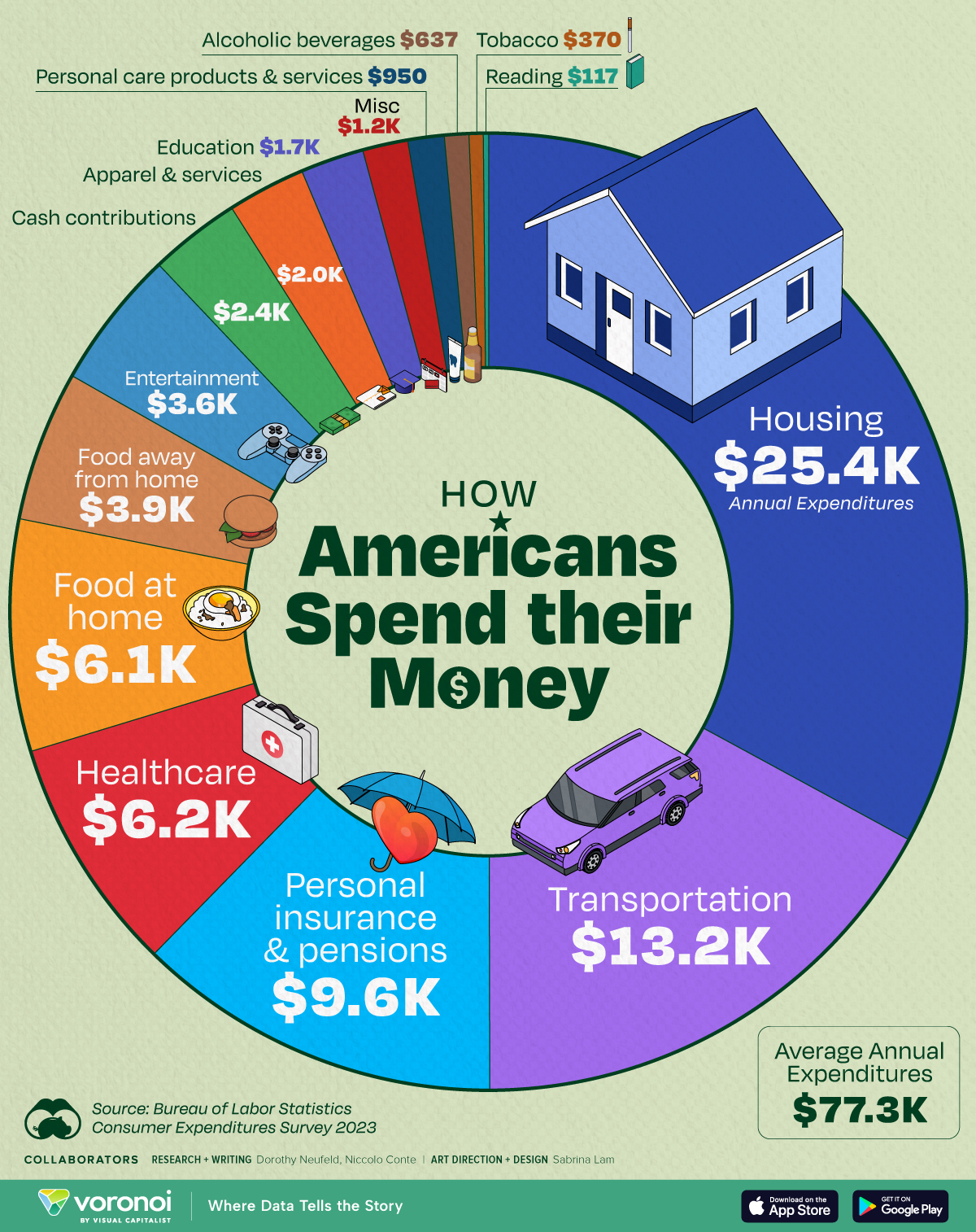
The cornerstone of effective money management is a meticulously crafted budget. A budget isn’t about restricting yourself; it’s about gaining control and clarity. It allows you to allocate your income intentionally, ensuring that your spending aligns with your values and financial goals. Begin by tracking all your income and expenses for at least a month. Categorize your spending to identify patterns and areas where you might be overspending. Popular budgeting methods like the 50/30/20 rule (50% for needs, 30% for wants, 20% for savings and debt repayment) or zero-based budgeting can provide an excellent framework. Utilizing budgeting apps or simple spreadsheets can streamline this process, offering real-time insights into your financial health. The goal is to move from reactive spending to proactive financial planning, transforming your budget from a chore into an empowering tool.
Conquering Debt: Prioritization and Strategy
High-interest debt, such as credit card balances or personal loans, can be a significant impediment to financial progress. Addressing debt should be a top priority once a budget is in place. Start by listing all your debts, including the interest rate, outstanding balance, and minimum payment. Two popular strategies for debt repayment are the “debt snowball” and “debt avalanche.” The debt snowball method focuses on paying off the smallest balances first to build momentum and psychological wins, while the debt avalanche method prioritizes debts with the highest interest rates to save the most money over time. Regardless of the method chosen, the key is consistency and committing extra funds beyond minimum payments whenever possible. Refinancing high-interest debts into lower-interest options, like a personal loan or balance transfer, can also be a viable strategy, but requires careful consideration of terms and fees.
Building an Unshakeable Emergency Fund
Life is unpredictable, and unexpected expenses — a car repair, a medical emergency, or job loss — can derail even the most carefully laid financial plans. An emergency fund acts as your financial shock absorber, preventing you from incurring new debt or tapping into long-term investments during crises. The general recommendation is to save 3 to 6 months’ worth of essential living expenses in a readily accessible, high-yield savings account. For greater peace of mind or if you have dependents, a 9-12 month fund might be more appropriate. This fund should be separate from your regular checking account and earmarked solely for emergencies. Building this fund systematically, even with small contributions initially, provides invaluable security and peace of mind, allowing you to face life’s curveballs without financial panic.
Strategic Investing for Wealth Accumulation
Once your financial foundation is stable, the next critical step is to make your money work for you through strategic investing. Investing is not just for the wealthy; it’s a powerful tool available to everyone for building long-term wealth and achieving financial independence.
Understanding Your Investment Goals and Risk Tolerance
Before diving into specific investments, it’s essential to define your investment goals. Are you saving for a down payment on a house, your child’s education, retirement, or simply general wealth growth? Your goals will dictate your investment horizon (how long you plan to invest) and, consequently, the level of risk you can comfortably take. Equally important is understanding your risk tolerance – your psychological capacity to handle fluctuations in your investment’s value. A younger investor with a longer time horizon might tolerate more risk for potentially higher returns, while someone nearing retirement might opt for a more conservative approach. Online questionnaires and financial advisors can help you assess your risk profile accurately. Matching your investments to your goals and risk tolerance is crucial for sustainable and stress-free wealth building.
Navigating Investment Avenues
The investment landscape is vast, offering a multitude of options, each with its own risk-reward profile.
- Stocks: Represent ownership in a company and offer potential for capital appreciation and dividends. They are generally considered higher risk but also offer higher potential returns over the long term.
- Bonds: Essentially loans made to governments or corporations, offering fixed interest payments. They are typically less volatile than stocks and are often used to balance a portfolio.
- Mutual Funds and Exchange-Traded Funds (ETFs): These professionally managed funds pool money from multiple investors to invest in a diversified portfolio of stocks, bonds, or other assets. They offer diversification and professional management, making them popular choices for individual investors.
- Real Estate: Can generate income through rent and appreciate in value over time. It can be a significant investment, either directly through property ownership or indirectly through Real Estate Investment Trusts (REITs).
- Retirement Accounts (401(k)s, IRAs): These tax-advantaged accounts are specifically designed for long-term savings for retirement. They offer tax benefits that significantly accelerate wealth accumulation.
Understanding the basics of these avenues allows you to build a portfolio that aligns with your financial strategy.
The Power of Diversification and Long-Term Vision
Diversification is the bedrock of intelligent investing. It involves spreading your investments across various asset classes, industries, and geographies to mitigate risk. The adage “don’t put all your eggs in one basket” is particularly relevant here. A well-diversified portfolio reduces the impact of any single investment performing poorly. Furthermore, adopting a long-term investment vision is paramount. Market fluctuations are inevitable, and reacting emotionally to short-term downturns by selling investments often leads to missed opportunities. The power of compounding – where your earnings generate further earnings – truly shines over decades. Consistent contributions, reinvesting dividends, and maintaining a long-term perspective can lead to substantial wealth growth, often far exceeding what seems possible initially.
Diversifying Income and Planning for the Future
While diligent saving and strategic investing are crucial, actively expanding your income streams and planning for your future financial needs can significantly accelerate your journey towards financial independence.
Exploring Side Hustles and Passive Income Streams

Relying solely on a single income source can be precarious. Exploring side hustles or developing passive income streams can provide additional financial security and accelerate your savings and investment goals. Side hustles can range from freelancing in your area of expertise, driving for ride-sharing services, selling crafts online, or tutoring. They offer flexibility and allow you to leverage existing skills or develop new ones. Passive income, while often requiring an initial investment of time or money, aims to generate revenue with minimal ongoing effort. Examples include rental properties, dividend stocks, royalties from creative works, or building an online course. The goal is to create multiple revenue channels that reduce reliance on your primary job and provide greater financial resilience.
The Importance of Retirement Planning
Retirement might seem distant, but the earlier you start planning and saving, the more leverage you gain from compounding interest. Retirement planning involves estimating your financial needs in retirement and then systematically saving and investing to meet those needs. Utilize employer-sponsored plans like 401(k)s, especially if they offer a company match, as this is essentially free money. Supplement these with individual retirement accounts (IRAs), such as traditional or Roth IRAs, depending on your tax situation. Regularly reviewing your retirement savings progress and adjusting your contributions or investment strategy as life circumstances change is vital. A financial advisor can provide invaluable guidance in crafting a personalized retirement plan that aligns with your goals and lifestyle aspirations.
Education and Career Investments
Your greatest asset is often your earning potential. Investing in yourself through education and career development can yield significant financial returns. This might involve pursuing higher education, obtaining professional certifications, learning new in-demand skills, or attending workshops and conferences. These investments can lead to promotions, salary increases, or new career opportunities. Continuously enhancing your skill set and staying relevant in your field not only boosts your income potential but also increases your adaptability and resilience in a dynamic job market. Consider these investments not as expenses, but as strategic moves to enhance your long-term financial trajectory.
Protecting Your Financial Health and Legacy
Accumulating wealth is only one part of the equation; protecting it from unforeseen circumstances and ensuring it benefits your loved ones according to your wishes is equally important.
Essential Insurance: A Safety Net
Insurance is a critical component of a comprehensive financial plan, acting as a buffer against significant financial losses.
- Health Insurance: Essential for covering medical expenses and preventing devastating healthcare costs.
- Life Insurance: Provides financial security for your dependents in the event of your premature death, covering debts, living expenses, and future needs.
- Disability Insurance: Replaces a portion of your income if you become unable to work due to illness or injury.
- Homeowners/Renters Insurance: Protects your property and belongings from damage, theft, and liability.
- Auto Insurance: A legal requirement in most places, protecting you against financial losses from accidents.
Periodically review your insurance needs and policies to ensure adequate coverage as your life circumstances evolve. While insurance costs money, the peace of mind and protection it offers against catastrophic financial events are invaluable.
Estate Planning: Securing Your Future and Your Loved Ones’
Estate planning is not just for the wealthy; it’s a fundamental responsibility for anyone who wishes to ensure their assets are distributed according to their wishes and that their loved ones are cared for. Key components of estate planning include:
- Will: A legal document specifying how your assets should be distributed after your death.
- Trusts: Can offer greater control over how and when assets are distributed, potentially avoiding probate and offering tax advantages.
- Power of Attorney: Designates someone to make financial or healthcare decisions on your behalf if you become incapacitated.
- Beneficiary Designations: For retirement accounts and life insurance policies, these supersede a will, so ensure they are up-to-date.
Engaging with an estate planning attorney can help you navigate these complexities and create a plan that reflects your unique wishes and circumstances, providing clarity and reducing potential stress for your family during difficult times.
Regular Financial Reviews and Adjustments
The financial world is dynamic, and your personal circumstances are ever-changing. What worked for you five years ago might not be optimal today. Therefore, regular financial reviews are essential. Schedule annual check-ins to reassess your budget, investment portfolio, insurance coverage, and estate plan. Life events such as marriage, divorce, births, career changes, or significant market shifts necessitate a fresh look at your financial strategy. These reviews allow you to identify areas for improvement, adjust your goals, and ensure your financial plan remains aligned with your current situation and future aspirations. Proactive adjustments prevent minor deviations from becoming major setbacks.
Cultivating a Prudent Money Mindset
Ultimately, what you do with money is often a reflection of your mindset towards it. Developing a healthy, informed, and disciplined approach to personal finance is perhaps the most enduring investment you can make.
The Psychology of Money: Overcoming Biases
Human beings are not always rational actors, especially when it comes to money. Behavioral finance highlights common psychological biases that can lead to poor financial decisions. These include:
- Anchoring Bias: Over-relying on the first piece of information offered.
- Confirmation Bias: Seeking out information that confirms existing beliefs.
- Loss Aversion: The tendency to prefer avoiding losses over acquiring equivalent gains.
- Herd Mentality: Following the crowd, often leading to buying high and selling low.
Becoming aware of these biases is the first step to mitigating their impact. Learning to pause, question your assumptions, and make decisions based on data and long-term goals rather than immediate emotions can significantly improve your financial outcomes.
The Value of Financial Literacy and Continuous Learning
The journey to financial mastery is ongoing. The more you educate yourself about personal finance, investing, taxes, and economic principles, the more confident and capable you become in managing your money. Read books, follow reputable financial news sources, listen to podcasts, and consider taking online courses. Financial literacy empowers you to understand complex concepts, evaluate opportunities critically, and avoid common pitfalls and scams. Continuous learning ensures you stay informed about new financial products, regulations, and best practices, allowing you to adapt your strategy as needed and optimize your financial health over your lifetime.
Balancing Frugality with Enjoyment
While discipline and saving are crucial, true financial well-being isn’t about perpetual deprivation. It’s about finding a sustainable balance between living within your means and enjoying the fruits of your labor. Extreme frugality can lead to burnout and resentment, just as excessive spending can lead to debt and stress. The aim is conscious spending – aligning your expenditures with your true values and priorities. Allocate funds for experiences, hobbies, and occasional indulgences that bring you joy, without compromising your long-term financial goals. Money is a tool to facilitate a fulfilling life, not an end in itself. By cultivating a mindset that values both financial responsibility and mindful enjoyment, you create a sustainable and joyful path to financial prosperity.
In conclusion, “what to do with money” is a multifaceted question with no single right answer, but rather a journey of ongoing learning, adaptation, and intentional decision-making. By establishing a strong financial foundation, investing strategically, diversifying your income, protecting your assets, and cultivating a prudent money mindset, you can navigate the complexities of personal finance with confidence and build a secure, prosperous future for yourself and your loved ones. The power to transform your financial destiny lies in your hands, starting with the choices you make today.
aViewFromTheCave is a participant in the Amazon Services LLC Associates Program, an affiliate advertising program designed to provide a means for sites to earn advertising fees by advertising and linking to Amazon.com. Amazon, the Amazon logo, AmazonSupply, and the AmazonSupply logo are trademarks of Amazon.com, Inc. or its affiliates. As an Amazon Associate we earn affiliate commissions from qualifying purchases.