
In an economic landscape where inflation persistently chips away at the purchasing power of static savings, the concept of merely “saving” money has become insufficient for true financial progress. To not only preserve but also grow your wealth, your money must actively participate in wealth creation. Investing is no longer an exclusive domain for the affluent or finance experts; it’s a fundamental pillar of personal finance accessible to anyone willing to learn and commit. This guide will demystify the process of investing your money, providing actionable insights for both novice and experienced investors looking to cultivate lasting financial security and prosperity.

The Imperative of Investing: Why Your Money Needs to Work Harder
At its core, investing is about allocating resources—typically money—with the expectation of generating a profit or return. It’s about putting your capital to work, allowing it to grow over time, rather than letting it sit idle and diminish in value. Understanding the underlying forces that make investing crucial is the first step towards embracing a proactive financial strategy.
The Erosion of Purchasing Power: Understanding Inflation
Inflation is the silent thief of wealth. It refers to the rate at which the general level of prices for goods and services is rising, and consequently, the purchasing power of currency is falling. If your money is earning a return less than the rate of inflation, you are effectively losing money in real terms. For instance, if inflation is at 3% annually, and your savings account yields 1%, your money’s buying power is declining by 2% each year. Investing aims to generate returns that outpace inflation, ensuring your future self can afford as much, if not more, than you can today.
Compounding: The Eighth Wonder of the World
Albert Einstein is often attributed with calling compound interest “the eighth wonder of the world.” Compounding is the process of earning returns not only on your initial investment but also on the accumulated interest from previous periods. It’s an exponential growth engine. The earlier you start investing, the more time compounding has to work its magic, turning modest, consistent contributions into substantial wealth over decades. A small investment made in your twenties can grow far larger than a much bigger investment started in your forties, purely due to the power of time and compounding.
Aligning Investments with Life Goals
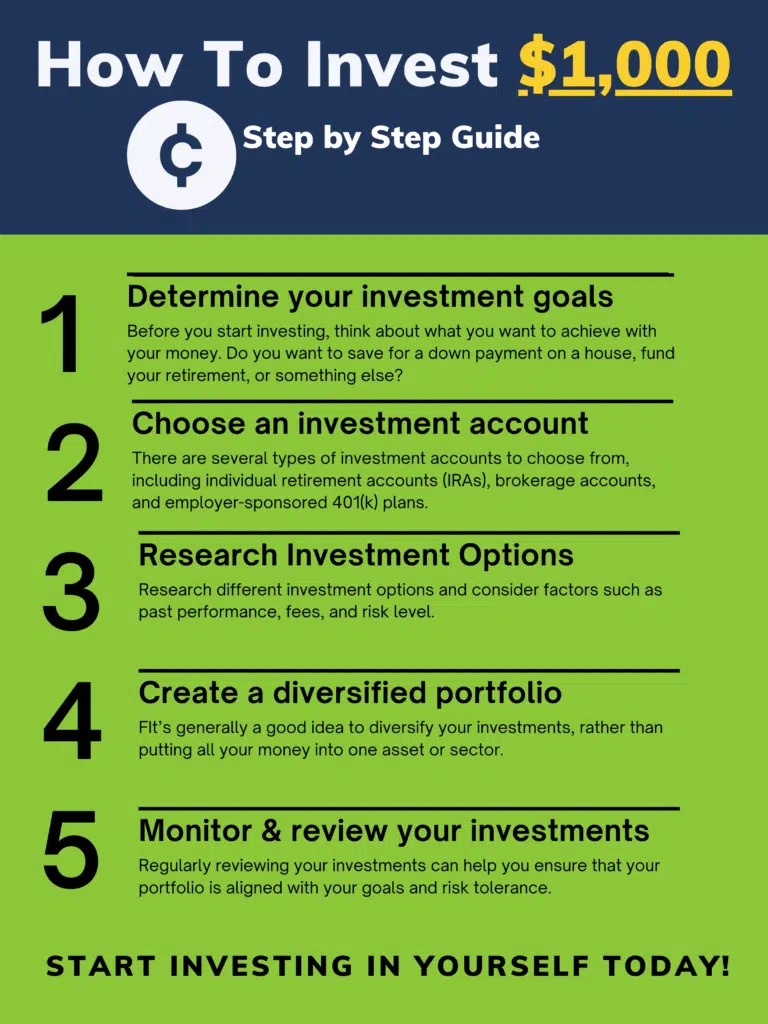
Investing isn’t a nebulous concept; it’s a tool to achieve tangible life goals. Whether you’re saving for a down payment on a house, funding your children’s education, planning for a comfortable retirement, or aspiring for financial independence, your investments serve as the vehicle to reach these milestones. Each goal will have a different time horizon and risk tolerance, dictating the type of investment strategy you should adopt. Clearly defined goals provide direction and motivation for your investment journey.
Laying the Foundation: Essential Steps Before You Invest
Before you dive into the myriad of investment options, it’s crucial to establish a solid financial footing. Skipping these preparatory steps can expose you to unnecessary risks or derail your investment plans.
Establishing a Clear Financial Picture
Begin by understanding your current financial situation. This involves a thorough assessment of your income, expenses, assets, and liabilities. Create a detailed budget to track where your money goes, identify areas for potential savings, and ensure you have a positive cash flow. A healthy cash flow is vital for consistent investing. Equally important is building an emergency fund, typically 3-6 months’ worth of living expenses, held in an easily accessible, liquid account. This fund acts as a financial buffer, preventing you from having to sell investments prematurely during unexpected life events.
Defining Your Investment Goals and Time Horizon
As mentioned, your goals dictate your strategy. Are you saving for a short-term goal (1-3 years), a medium-term goal (3-10 years), or a long-term goal (10+ years)? Short-term goals typically require lower-risk investments due to the limited time to recover from market fluctuations. Long-term goals, conversely, can withstand higher volatility, allowing you to take on more risk for potentially higher returns. Be specific about your goals and assign a rough timeline to each.
Assessing Your Risk Tolerance
Risk tolerance is your psychological comfort level with the possibility of losing money on an investment. It’s a crucial factor that should guide your asset allocation decisions. Are you comfortable with significant market swings for the potential of greater gains, or do you prefer stable, albeit slower, growth? Your risk tolerance is influenced by your age, income stability, financial obligations, and personality. Honest self-assessment here is key; investing beyond your comfort zone can lead to panic selling during downturns, locking in losses.
Exploring Diverse Investment Avenues for Growth
Once your foundation is solid, you can begin to explore the various avenues available to invest your money. The key is to understand what each asset class offers in terms of risk, return potential, and liquidity.
Public Markets: Stocks and Bonds
- Stocks (Equities): When you buy a stock, you’re purchasing a small ownership stake in a company. Stocks offer the potential for capital appreciation (the stock price increasing) and dividends (a share of the company’s profits). Historically, stocks have provided the highest long-term returns but come with higher volatility and risk. They are generally suited for long-term growth goals.
- Bonds (Fixed Income): When you buy a bond, you’re essentially lending money to a government or corporation in exchange for regular interest payments and the return of your principal at maturity. Bonds are generally considered less risky than stocks and provide a more stable income stream. They are often used to balance a portfolio, providing stability and capital preservation, especially for shorter-term goals or as you approach retirement.
Diversifying with Exchange-Traded Funds (ETFs) and Mutual Funds
For most individual investors, directly picking individual stocks and bonds can be time-consuming and risky. ETFs and mutual funds offer a practical solution for diversification and professional management:
- Mutual Funds: These are professionally managed portfolios of stocks, bonds, or other securities. You buy shares in the fund, and your money is pooled with other investors to purchase a diversified basket of assets. They are actively managed, meaning a fund manager makes buying and selling decisions.
- Exchange-Traded Funds (ETFs): Similar to mutual funds, ETFs hold a basket of assets, but they trade on stock exchanges like individual stocks. Many ETFs are passively managed, designed to track a specific index (e.g., S&P 500), offering broad market exposure at a lower cost. ETFs are highly liquid and tax-efficient, making them a popular choice for many investors.
Real Estate: Tangible Assets and Income Potential
Investing in real estate can take several forms, from direct ownership of residential or commercial properties to indirect investments through Real Estate Investment Trusts (REITs).
- Direct Real Estate: This involves buying physical properties to rent out for income (rental yield) or to sell later for a profit (capital appreciation). It requires significant capital, active management, and carries risks like vacancies, property damage, and market downturns.
- REITs: These are companies that own, operate, or finance income-producing real estate across a range of property sectors. They trade on major stock exchanges, similar to stocks, providing a way to invest in real estate without the direct management responsibilities. REITs offer liquidity and diversification benefits, paying out a significant portion of their income as dividends.
Alternative Investments: Private Equity, Commodities, and More
Beyond traditional stocks, bonds, and real estate, some investors explore alternative investments like private equity, commodities (gold, oil), hedge funds, or even cryptocurrencies. These generally carry higher risks, are less liquid, and often require a higher level of financial sophistication. They are typically reserved for experienced investors with a well-diversified portfolio and a higher risk tolerance.
Crafting and Maintaining Your Investment Portfolio
A well-constructed investment portfolio is more than just a collection of assets; it’s a strategically designed ecosystem intended to achieve your financial goals while managing risk.
The Power of Diversification
“Don’t put all your eggs in one basket” is a timeless investment adage. Diversification involves spreading your investments across different asset classes (stocks, bonds, real estate), industries, geographies, and even individual securities. The goal is to reduce overall portfolio risk, as different assets tend to perform differently under various market conditions. When one part of your portfolio is underperforming, another might be thriving, smoothing out returns and protecting against catastrophic losses.
Strategic Asset Allocation
Asset allocation is the process of deciding how to divide your investment portfolio among different asset categories, such as stocks, bonds, and cash. This decision is primarily driven by your investment goals, time horizon, and risk tolerance. A common guideline is the “110 minus your age” rule for stock allocation (e.g., a 30-year-old might aim for 80% stocks, 20% bonds), though this is a simplification. A younger investor with a long time horizon can typically afford a higher allocation to growth-oriented assets like stocks, while an older investor closer to retirement might shift towards more conservative assets like bonds.
Regular Portfolio Rebalancing and Review
Your asset allocation will drift over time as different investments perform better or worse. Rebalancing involves adjusting your portfolio periodically (e.g., annually) to bring it back to your target asset allocation. For example, if stocks have performed exceptionally well, they might now represent a larger portion of your portfolio than initially intended. Rebalancing would involve selling some of those high-performing stocks and using the proceeds to buy underperforming assets (like bonds), effectively “buying low and selling high” and maintaining your desired risk level. Regular reviews also allow you to assess if your initial goals or risk tolerance have changed.
The Importance of a Long-Term Perspective
Successful investing is a marathon, not a sprint. Market fluctuations are inevitable, and short-term volatility can be unnerving. However, historical data consistently shows that over long periods (10+ years), diversified portfolios tend to generate positive returns, largely overcoming individual market downturns. Resisting the urge to panic sell during crashes and instead sticking to your long-term plan is crucial. Time in the market often beats timing the market.
Smart Investing Practices and Avoiding Common Pitfalls
Even with a solid strategy, certain practices can enhance your investment journey, while others can undermine it. Being aware of common mistakes can save you significant capital and emotional stress.
Minimizing Fees and Taxes
Fees, no matter how small, can significantly erode your returns over time due to the power of compounding working against you. Pay attention to expense ratios on mutual funds and ETFs, trading commissions, and advisory fees. Opt for low-cost index funds or ETFs whenever possible. Similarly, be mindful of tax implications. Utilize tax-advantaged accounts like 401(k)s, IRAs, and HSAs, which offer various tax benefits (tax-deferred growth or tax-free withdrawals) that can accelerate your wealth accumulation.
The Perils of Emotional Investing
Fear and greed are powerful emotions that can lead investors astray. Chasing hot stocks, panicking during market downturns, or trying to time the market are common emotional pitfalls that often result in buying high and selling low. Develop a disciplined investment strategy, stick to it, and automate your contributions to remove emotion from the equation. Remember that market volatility is normal, and downturns often present opportunities for long-term investors.
Leveraging Technology and Professional Advice
The digital age offers powerful tools for investors. Robo-advisors provide automated, algorithm-driven financial planning services at a lower cost than traditional human advisors, ideal for those seeking low-cost, diversified portfolios. Investment apps make it easy to manage your portfolio, track performance, and research investments. For complex financial situations or those who prefer personalized guidance, a qualified financial advisor can offer invaluable expertise in crafting a tailored investment plan, estate planning, and tax optimization.

Continuous Learning and Adaptation
The world of finance is constantly evolving. New investment products emerge, regulations change, and global economic landscapes shift. Stay informed by reading reputable financial news, books, and educational resources. Continuously learn, adapt your strategies as needed, and review your financial plan periodically to ensure it remains aligned with your evolving life circumstances and goals.
Investing your money is a journey that demands patience, discipline, and a commitment to continuous learning. By understanding the fundamentals, setting clear goals, diversifying wisely, and adhering to a long-term perspective, you can empower your money to work for you, paving the way for a financially secure and prosperous future. Start today, and let the power of intelligent investing transform your financial destiny.
aViewFromTheCave is a participant in the Amazon Services LLC Associates Program, an affiliate advertising program designed to provide a means for sites to earn advertising fees by advertising and linking to Amazon.com. Amazon, the Amazon logo, AmazonSupply, and the AmazonSupply logo are trademarks of Amazon.com, Inc. or its affiliates. As an Amazon Associate we earn affiliate commissions from qualifying purchases.