
In an economic landscape that often feels unpredictable, the ability to strategically save money is not just a virtue but a critical financial skill. Many understand the importance of saving, yet pinpointing precisely “where to save money” can be an overwhelming endeavor, spanning myriad facets of daily life and long-term financial planning. This guide aims to demystify the process, offering a comprehensive look at both immediate and enduring avenues for financial optimization, grounded in sound personal finance principles.
The Essential First Step: Budgeting and Expense Tracking
Before any effective saving can occur, one must first understand their current financial flows. This foundational step is often overlooked or poorly executed, yet it forms the bedrock upon which all successful saving strategies are built. Without a clear picture of income versus expenditure, efforts to cut costs are akin to navigating a labyrinth blindfolded.

Identifying Your Financial Leaks
The initial phase involves a thorough audit of your spending. For a period, typically 30-60 days, meticulously track every dollar that leaves your pocket. This can be done manually with a spreadsheet, through dedicated budgeting apps, or by reviewing bank and credit card statements. The goal is to categorize expenses into fixed costs (rent/mortgage, loan payments, insurance) and variable costs (groceries, entertainment, dining out, utilities).
This exercise invariably reveals “financial leaks”—areas where money is spent unnecessarily or excessively without providing commensurate value. Common culprits include unused subscriptions, impulsive online purchases, frequent dining out, or excessive discretionary spending on hobbies. These leaks are often insidious, small amounts that, over time, aggregate into significant sums. Identifying them is the first step toward plugging them, redirecting that capital towards savings.
Choosing the Right Budgeting Method
Once your spending patterns are clear, implementing a budgeting method provides the framework for future financial decisions. Several popular approaches cater to different preferences and levels of detail:
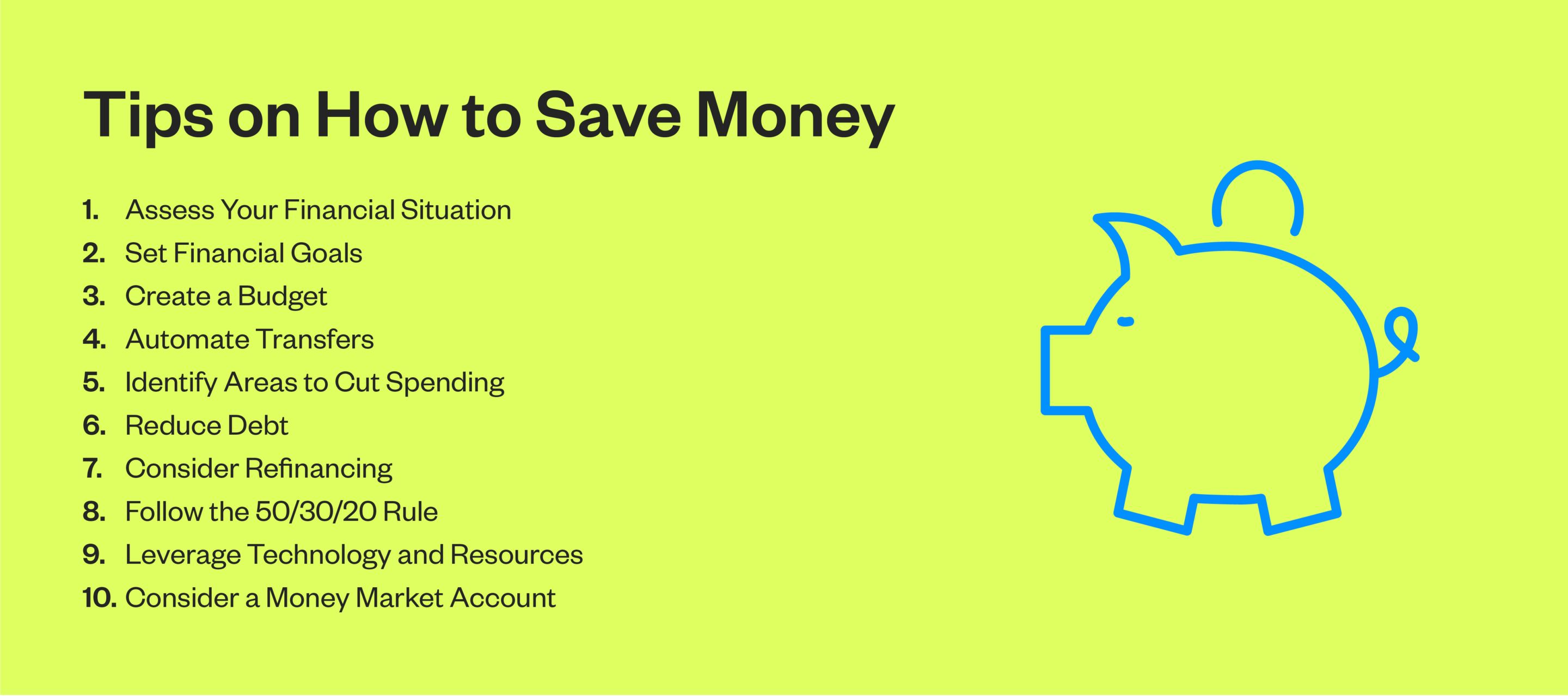
- The 50/30/20 Rule: This straightforward method allocates 50% of your after-tax income to needs (housing, utilities, groceries, transportation), 30% to wants (entertainment, dining out, hobbies), and 20% to savings and debt repayment. It offers a balanced, flexible approach.
- Zero-Based Budgeting: Every dollar of income is assigned a specific job—whether it’s an expense, savings, or debt repayment—until your income minus expenses equals zero. This method demands precision and accountability, ensuring no money is unaccounted for.
- Envelope System: A tactile approach, where cash is divided into physical envelopes for different spending categories. Once an envelope is empty, spending in that category stops. While less practical for digital transactions, it fosters immense discipline for cash-based expenses.
- Reverse Budgeting: Instead of focusing on cutting expenses first, this method prioritizes savings. A set amount is automatically transferred to savings as soon as income is received, and the remainder is spent as desired. This approach appeals to those who struggle with traditional budgeting restrictions.
The key is to select a method that resonates with your financial personality and lifestyle, ensuring it’s sustainable and adaptable. A budget isn’t a straitjacket; it’s a roadmap to financial freedom, guiding your money toward your goals.
Everyday Savings: Optimizing Core Spending Categories
Once a budget is in place, the next phase involves actively seeking out opportunities to reduce expenditure within various categories of your daily life. This isn’t about deprivation, but rather about making smarter choices and finding efficiencies that align with your financial objectives.
Mastering Grocery Bills and Food Expenses
Food is a significant variable expense for most households, making it a prime target for savings. Strategies include:
- Meal Planning: Plan your meals for the week, create a precise shopping list, and stick to it. This prevents impulse purchases and reduces food waste.
- Cooking at Home: Preparing meals at home is almost always cheaper than dining out or ordering takeout. Batch cooking can save time and money throughout the week.
- Smart Shopping: Compare prices, buy in bulk for non-perishable items when cost-effective, and utilize loyalty programs and coupons. Shopping for store brands over national brands can yield substantial savings without sacrificing quality.
- Reduce Waste: Properly store food, repurpose leftovers, and understand expiration dates to minimize items ending up in the bin.
Reducing Housing and Utility Costs
Housing and utilities represent substantial fixed and semi-fixed costs, but there are still avenues for optimization:
- Utility Efficiency: Be mindful of energy consumption. Unplug electronics (phantom load), use smart thermostats, switch to energy-efficient appliances and LED lighting, and consider insulation upgrades. Negotiate with internet and cable providers for better rates or lower-tier packages.
- Rent/Mortgage Review: Periodically evaluate your housing costs. For renters, research comparable properties and be prepared to negotiate at lease renewal. For homeowners, consider refinancing your mortgage if interest rates have dropped significantly, but carefully weigh the closing costs against potential savings.
- Insurance Policies: Don’t set and forget insurance. Annually review home, auto, and health insurance policies. Shop around for quotes from different providers and inquire about discounts (e.g., bundling policies, good driver discounts, security system credits).
Smart Transportation and Entertainment Choices
These categories offer considerable flexibility for cost reduction:

- Transportation: Explore alternatives to single-occupancy vehicle use. Public transport, carpooling, cycling, or walking can significantly cut fuel and maintenance costs. If a car is necessary, ensure it’s regularly maintained to prevent costly repairs and drive efficiently. Re-evaluate if you truly need a new car; depreciation on new vehicles is a significant hidden cost.
- Entertainment: Seek out free or low-cost entertainment options. Libraries offer books, movies, and events. Public parks, hiking trails, and community events provide recreation without a hefty price tag. Review subscription services (streaming, gyms) to ensure you’re using and valuing them sufficiently. Consider rotating subscriptions or sharing costs where permissible.
- Discretionary Spending: Before making a non-essential purchase, implement a “waiting period” (e.g., 24-48 hours). This often helps curb impulse buying and allows for a more rational decision about whether the item truly aligns with your financial goals.
Strategic Savings: Leveraging Financial Tools and Principles
Beyond cutting immediate costs, a robust saving strategy incorporates intelligent use of financial products and adherence to proven principles that compound wealth over time. This involves making your money work harder for you.
Automating Your Savings for Consistency
One of the most powerful tools for consistent saving is automation. Set up automatic transfers from your checking account to a dedicated savings account or investment vehicle each payday. Even small, regular contributions add up significantly over time. This approach removes the decision-making process from saving, ensuring that your financial goals are prioritized before other expenses can deplete your funds. Treat savings as a non-negotiable “bill” that you pay yourself first.
High-Yield Accounts and Debt Reduction
Where you store your savings matters. Traditional savings accounts often offer negligible interest rates, meaning your money barely keeps pace with inflation. Explore high-yield savings accounts (HYSA) offered by online banks, which typically provide significantly better returns due to lower overhead costs. While not an investment, an HYSA ensures your emergency fund and short-term savings retain their purchasing power more effectively.
Simultaneously, strategically tackling high-interest debt, such as credit card balances or personal loans, is paramount. The interest paid on these debts often negates any gains from savings accounts. Consider strategies like the “debt snowball” (paying off smallest debt first for psychological momentum) or the “debt avalanche” (paying off highest-interest debt first for mathematical efficiency) to systematically eliminate these drains on your finances. The money freed up from debt payments can then be redirected into savings and investments.
The Power of Intentional Spending
Shifting from reactive spending to intentional spending is a psychological game-changer. Every purchase becomes a conscious decision aligned with your values and financial goals. Instead of asking, “Can I afford this?” ask, “Does this purchase align with my priorities?” This mindset fosters mindfulness about how money is used, preventing frivolous spending and promoting greater satisfaction from purchases that truly matter. It cultivates an appreciation for saving and the future security it provides.
Long-Term Wealth Building: Saving for the Future
While immediate cost-cutting and short-term savings are vital, true financial security and independence are built through a long-term perspective. This involves strategic planning for future milestones and leveraging investment vehicles.
Retirement Accounts: Your Future Self’s Best Friend
Saving for retirement is perhaps the most critical long-term savings goal. Utilize tax-advantaged accounts like a 401(k) (employer-sponsored) or an IRA (individual retirement account).
- 401(k): If your employer offers a matching contribution, contribute at least enough to receive the full match—this is essentially free money and an immediate 100% return on that portion of your investment. Contributions are pre-tax (Traditional 401(k)) or after-tax (Roth 401(k)), offering tax benefits either now or in retirement.
- IRA: IRAs provide flexibility for individuals, offering similar Traditional and Roth options. Maxing out these accounts annually can significantly accelerate retirement savings, benefiting from compound interest over decades.
The earlier you start contributing to these accounts, the more time your money has to grow, benefiting immensely from the power of compounding.
Investing Beyond Savings Accounts
Once you have an emergency fund solidified and high-interest debt under control, explore investing beyond basic savings accounts. While offering higher potential returns, investing also carries risk, making education crucial.
- Diversified Portfolios: Don’t put all your eggs in one basket. Invest across various asset classes like stocks (through mutual funds or ETFs), bonds, and potentially real estate.
- Index Funds and ETFs: For most individual investors, low-cost index funds or exchange-traded funds (ETFs) that track broad market indices (like the S&P 500) are excellent choices. They offer diversification and generally outperform actively managed funds over the long term.
- Robo-Advisors: For those new to investing or who prefer a hands-off approach, robo-advisors offer automated, diversified portfolio management tailored to your risk tolerance and goals at a lower cost than traditional financial advisors.
- Education Accounts: For those with children, 529 plans offer tax-advantaged savings for education expenses, with investment growth often exempt from federal and state taxes when used for qualified expenses.
Emergency Funds: Your Financial Safety Net
Before embarking on more aggressive investing, establish a robust emergency fund. This liquid savings cushion, typically 3-6 months’ worth of essential living expenses (or more, depending on job security and health factors), should be stored in an easily accessible, high-yield savings account. An emergency fund acts as a crucial buffer against unexpected financial shocks—job loss, medical emergencies, major home or car repairs—preventing you from accumulating debt or derailing your long-term financial plans. It provides peace of mind and financial resilience.
Saving money is not a one-time event but an ongoing process of conscious choices, discipline, and strategic planning. By systematically reviewing your spending, optimizing daily expenditures, leveraging smart financial tools, and planning for the long term, you can transform your financial trajectory, build wealth, and achieve lasting financial security.
aViewFromTheCave is a participant in the Amazon Services LLC Associates Program, an affiliate advertising program designed to provide a means for sites to earn advertising fees by advertising and linking to Amazon.com. Amazon, the Amazon logo, AmazonSupply, and the AmazonSupply logo are trademarks of Amazon.com, Inc. or its affiliates. As an Amazon Associate we earn affiliate commissions from qualifying purchases.