
Saving money is not merely about accumulating a surplus; it’s about building a robust financial foundation, achieving peace of mind, and empowering future opportunities. Whether your goal is a down payment on a home, retirement, a child’s education, or simply a cushion against unforeseen events, a strategic approach to saving is indispensable. This guide will walk you through foundational principles and actionable strategies to effectively save your money, ensuring a more secure and prosperous financial future.
Understanding Your Financial Landscape
Before you can effectively save, you must first understand where your money is coming from and, more importantly, where it is going. This involves a clear-eyed assessment of your income, expenses, and current financial habits.
The Power of Budgeting
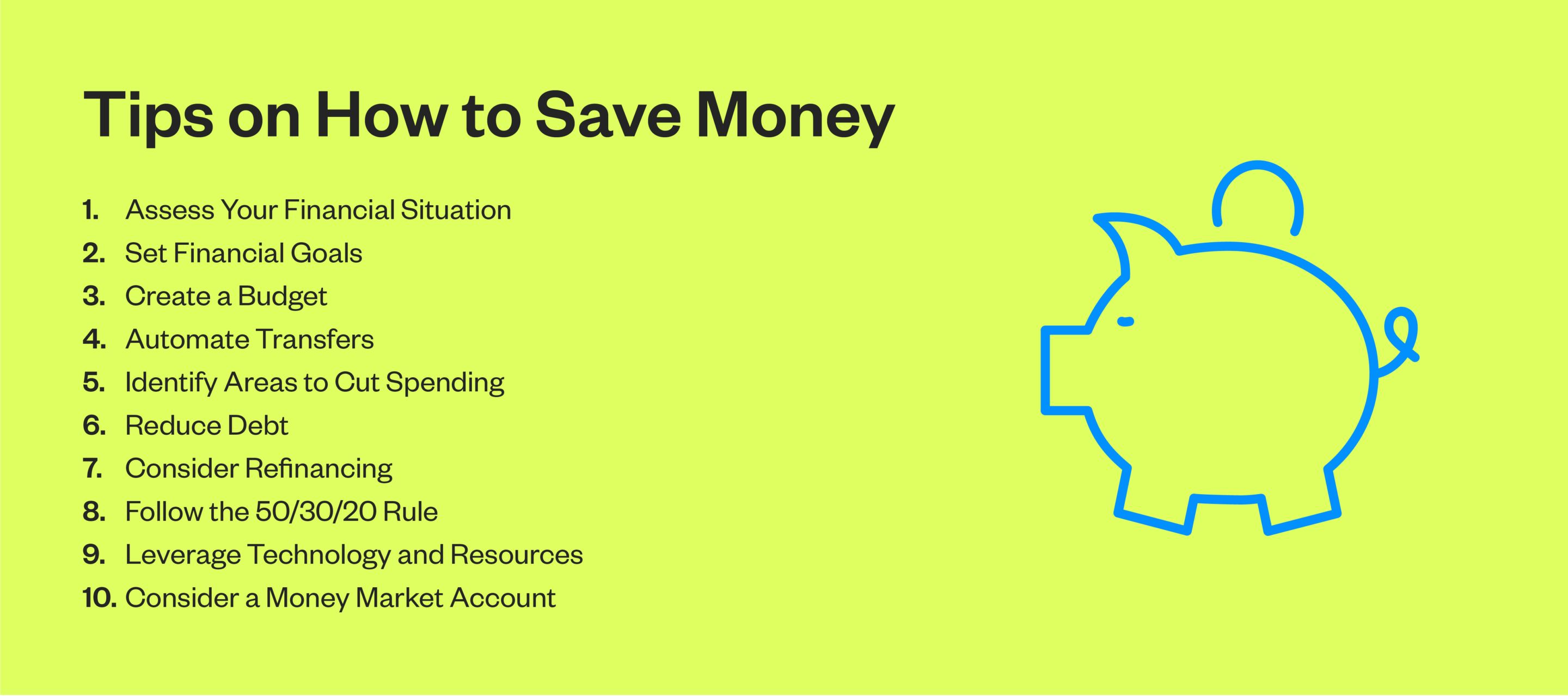
A budget is not a restrictive financial straitjacket; rather, it is a powerful tool that provides clarity and control over your money. It’s a roadmap that outlines your anticipated income and expenditures over a set period, typically a month. Start by listing all your sources of income. Then, meticulously categorize all your expenses. Common budgeting methods include the 50/30/20 rule (50% for needs, 30% for wants, 20% for savings and debt repayment), zero-based budgeting (where every dollar is assigned a job), or simply tracking all inflows and outflows. The key is to choose a method you can stick with consistently. A well-crafted budget illuminates areas where you might be overspending and highlights opportunities to redirect funds towards savings.
Tracking Your Spending
Many people underestimate their discretionary spending because they don’t actively track it. From daily coffees to impulse online purchases, small expenses can quickly compound. Implement a system for tracking every dollar you spend. This could involve using a spreadsheet, a budgeting app, or even simply reviewing your bank and credit card statements at the end of each week. The act of tracking itself often creates an awareness that naturally leads to more mindful spending choices. When you see exactly where your money goes, it becomes much easier to identify areas for reduction.
Differentiating Needs vs. Wants
A critical step in effective saving is learning to distinguish between needs and wants. Needs are essential for survival and basic living: housing, utilities, groceries, transportation to work, and essential healthcare. Wants are discretionary items that improve your quality of life but are not strictly necessary: dining out, entertainment subscriptions, new gadgets, designer clothing, and vacations. While there’s nothing inherently wrong with wants, a conscious differentiation allows you to prioritize spending. When faced with a choice, ask yourself: Is this truly a need, or is it a want I can defer or eliminate to boost my savings? This mental framework empowers you to make intentional spending decisions aligned with your savings goals.
Strategic Approaches to Reducing Expenses
Once you have a clear picture of your financial flow, the next step is to actively reduce your outflow. This involves both small, consistent adjustments and larger, strategic shifts in your spending habits.
Cutting Discretionary Spending
This is often the easiest place to start finding extra money. Review your tracking data and budget for areas that fall under “wants.” Can you reduce the frequency of dining out or ordering takeout? Are there subscription services you no longer use or could consolidate? Can you find free or lower-cost alternatives for entertainment? Even small cuts, like brewing coffee at home instead of buying it daily, can accumulate significant savings over time. Consider a “no-spend” challenge for a week or month to reset your habits and highlight non-essential expenses.
Optimizing Fixed Costs
While often perceived as immutable, fixed costs can sometimes be negotiated or adjusted. Review your insurance policies (auto, home, health) to see if you can find better rates or bundles. Could you refinance a loan (mortgage, student, auto) at a lower interest rate? Are there opportunities to reduce utility bills through energy conservation or by shopping for better providers? Even seemingly minor adjustments to fixed costs, because they recur monthly, can free up substantial funds annually for savings. It requires proactive research and negotiation but offers long-term benefits.
Smart Shopping and Negotiation
Become a savvy consumer. Before making a purchase, especially for larger items, compare prices from multiple vendors. Utilize sales, discounts, and loyalty programs effectively. Challenge yourself to avoid impulse purchases by implementing a 24-hour rule: if you want something non-essential, wait a day before buying it. Often, the desire passes. Furthermore, don’t be afraid to negotiate prices, particularly for services or larger purchases. Many companies have flexibility, and asking for a better deal can often yield results. Buying generic brands for household staples and groceries can also lead to considerable savings without sacrificing quality.
Automating Your Savings for Success
One of the most powerful strategies for consistent saving is to remove the decision-making process from your hands. Automation makes saving effortless and reliable.
Setting Up Automatic Transfers
The simplest and most effective way to save is to pay yourself first. Set up an automatic transfer from your checking account to a dedicated savings account (or investment account, once a basic emergency fund is established) to occur shortly after each payday. Treat this transfer as a non-negotiable expense, just like rent or a loan payment. Start with a manageable amount, even if it’s small, and gradually increase it as your budget allows. This method ensures that a portion of your income is saved before you have a chance to spend it.

The ‘Pay Yourself First’ Principle
This principle is the cornerstone of successful personal finance. Instead of saving what’s left over after expenses (which is often nothing), you prioritize saving. When your paycheck arrives, the first allocation of funds goes to your savings goals. This shifts saving from a reactive, optional activity to a proactive, mandatory one. It cultivates financial discipline and ensures consistent progress towards your objectives, regardless of day-to-day spending fluctuations.
Utilizing Savings Tools and Apps
Leverage technology to your advantage. Many banks offer features like round-up programs (where debit card purchases are rounded to the nearest dollar and the difference is transferred to savings) or sub-accounts for different savings goals. Various personal finance apps can also help you automate savings, track progress, and even invest small amounts passively. Explore these tools to find ones that align with your saving style and make the process more engaging and less manual.
Debt Management and Its Impact on Savings
High-interest debt can be a significant impediment to building savings. Every dollar spent on interest payments is a dollar that cannot be saved or invested. Therefore, strategic debt management is a crucial component of a holistic savings plan.
Prioritizing High-Interest Debt
Focus on paying down debts with the highest interest rates first, such as credit card balances or personal loans. The “debt snowball” and “debt avalanche” methods are popular strategies. The debt avalanche prioritizes debts by interest rate (highest first), saving you the most money in interest over time. The debt snowball focuses on paying off the smallest balance first for psychological momentum. Choose the method that best suits your motivation. Reducing high-interest debt not only frees up more cash flow but also prevents those funds from being eaten away by interest charges, allowing more money to be redirected to savings.
Strategies for Debt Reduction
Beyond prioritization, actively seek ways to reduce your debt. Consider balance transfers to lower-interest credit cards (if you can pay it off before the promotional period ends). Explore debt consolidation loans if you can secure a lower overall interest rate and simplify payments. Avoid taking on new debt while actively working to reduce existing obligations. Every payment above the minimum helps accelerate your path to debt freedom, which in turn accelerates your capacity to save.
Avoiding New Debt Pitfalls
Once you’ve made progress on existing debt, it’s vital to prevent accumulating new debt, especially for depreciating assets or discretionary spending. Practice financial discipline by living within your means and using cash or debit for purchases whenever possible. If using credit cards, aim to pay the full balance every month to avoid interest charges. A robust emergency fund, which is a key savings goal, also serves as a crucial buffer, preventing you from needing to resort to high-interest debt when unexpected expenses arise.
Maximizing Your Savings Potential
Once foundational habits are established, you can refine your approach to optimize your savings and ensure they are working for you.
Emergency Funds: Your Financial Safety Net
One of the most critical savings goals is building an emergency fund. This fund should ideally cover 3 to 6 months’ worth of essential living expenses (rent/mortgage, utilities, groceries, transportation). Keep this money in an easily accessible, high-yield savings account, separate from your regular checking account. An emergency fund acts as a buffer against job loss, medical emergencies, or unexpected home/auto repairs, preventing you from falling into debt or derailing your other financial goals. Prioritize building this fund before focusing on other long-term savings or investments.
Setting Specific Financial Goals
Saving without a clear purpose can feel aimless. Define specific, measurable, achievable, relevant, and time-bound (SMART) financial goals. Do you want to save $10,000 for a down payment in two years? Or accumulate $5,000 for a new car in 18 months? Breaking down larger goals into smaller, monthly savings targets makes them less daunting and provides clear motivation. Regularly review your progress towards these goals to stay on track.
Exploring Additional Income Streams
While reducing expenses is vital, increasing your income simultaneously can significantly accelerate your savings. Consider a side hustle, freelance work, or monetizing a hobby. Even a small increase in income, when consistently channeled into savings, can make a substantial difference over time. Review your skills and interests to identify potential opportunities to earn extra money, whether it’s through online platforms, consulting, or part-time work.

Reviewing and Adjusting Your Plan
Saving money is not a one-time event; it’s an ongoing process. Life circumstances change, incomes fluctuate, and goals evolve. Make it a habit to review your budget and savings plan regularly – at least quarterly, if not monthly. Assess what’s working and what isn’t. Adjust your savings targets, spending categories, and debt repayment strategies as needed. Flexibility and adaptability are key to maintaining a robust and effective savings plan that evolves with your life.
aViewFromTheCave is a participant in the Amazon Services LLC Associates Program, an affiliate advertising program designed to provide a means for sites to earn advertising fees by advertising and linking to Amazon.com. Amazon, the Amazon logo, AmazonSupply, and the AmazonSupply logo are trademarks of Amazon.com, Inc. or its affiliates. As an Amazon Associate we earn affiliate commissions from qualifying purchases.