
The daily closing price of the Dow Jones Industrial Average (DJIA) is far more than a mere numerical update; it’s a critical financial beacon, reflecting the pulse of the American economy and setting the tone for countless investment decisions. For seasoned investors, financial advisors, and even casual observers, yesterday’s Dow close isn’t just a historical data point; it’s a starting gun for today’s market, a piece of a larger puzzle that informs strategies, influences sentiment, and helps shape the financial narrative. Understanding its significance requires delving beyond the headline number to grasp the underlying mechanisms, influencing factors, and the broader implications for personal finance and investing.
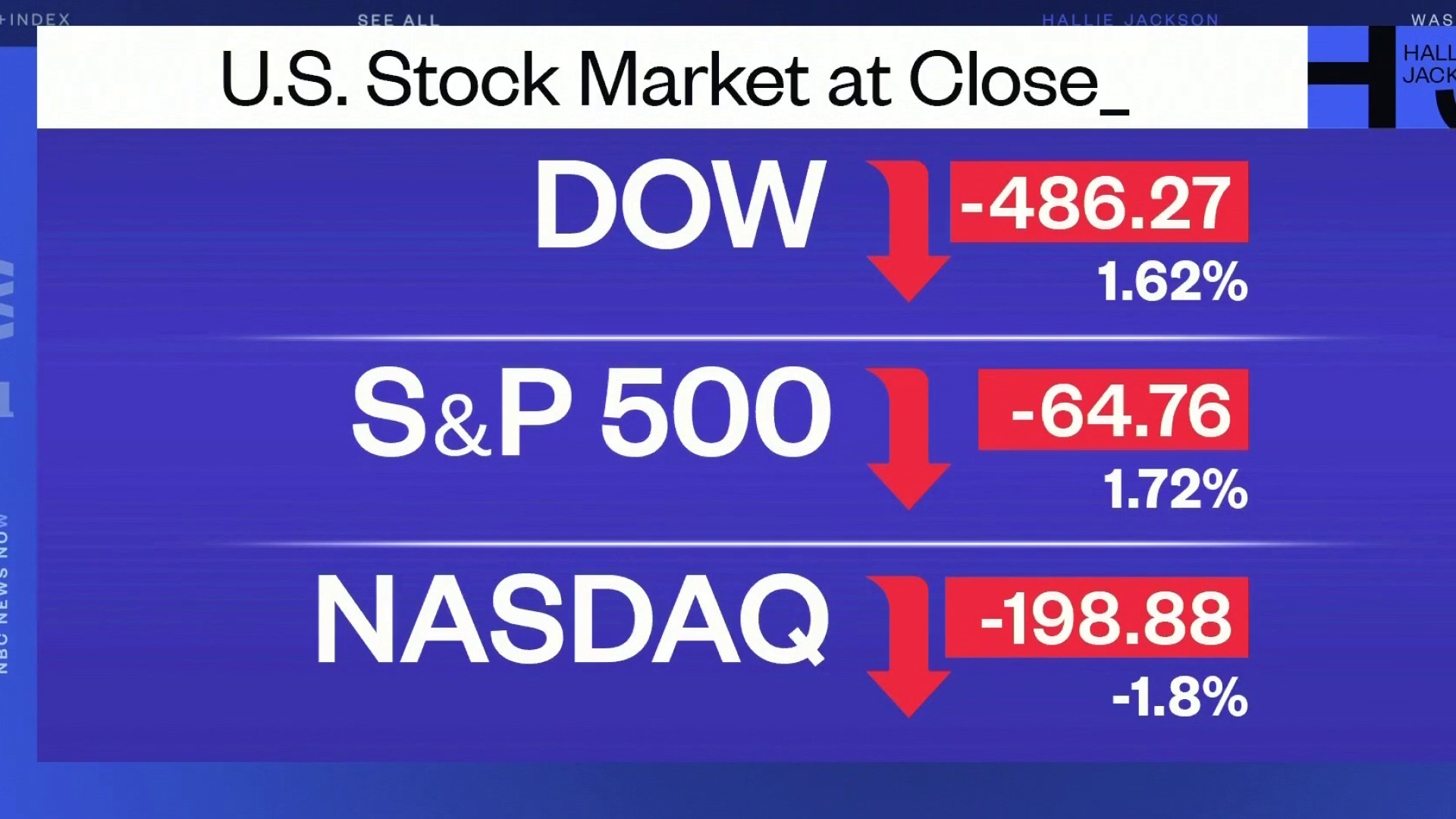
Decoding the Dow’s Daily Movement: More Than Just a Number
The pursuit of yesterday’s Dow close is a ritual for millions, driven by a need to understand market momentum and its potential impact on personal wealth. But what exactly are we looking at, and why does its daily fluctuation command such attention?
What is the Dow Jones Industrial Average (DJIA)?
The Dow Jones Industrial Average, often simply referred to as “the Dow,” is one of the oldest and most frequently cited stock market indices in the world. Established in 1896 by Charles Dow, editor of The Wall Street Journal and co-founder of Dow Jones & Company, it was initially designed to serve as a proxy for the broader U.S. industrial sector. Today, the DJIA comprises 30 large, publicly-owned companies traded on the NASDAQ and the New York Stock Exchange. These aren’t necessarily the largest companies by market capitalization, nor are they strictly “industrial” anymore, but rather represent a diverse cross-section of influential sectors, including technology, finance, healthcare, and consumer goods. Its selection criteria emphasize blue-chip companies with a strong track record of growth and profitability, making it a bellwether for the overall health of the U.S. stock market and, by extension, the economy. Unlike market-cap-weighted indices like the S&P 500, the Dow is price-weighted, meaning stocks with higher share prices have a greater impact on the index’s value. This unique weighting methodology, while sometimes debated for its representativeness, nonetheless provides a widely accepted snapshot of market sentiment.
Why Yesterday’s Close Matters
Yesterday’s closing price of the Dow is a critical data point for several reasons. Firstly, it offers an immediate, tangible measure of market performance over the preceding trading session. A significant upswing might signal robust corporate earnings or positive economic news, instilling investor confidence. Conversely, a sharp decline could indicate prevailing anxieties about inflation, interest rates, geopolitical instability, or disappointing corporate outlooks, potentially prompting a rush to sell. For active traders, yesterday’s close establishes crucial support and resistance levels, informing entry and exit points for their strategies. For long-term investors, while daily fluctuations are generally less critical, consistent trends over several days or weeks, as reflected in the sequence of closing prices, can highlight shifts in market direction that warrant attention. Furthermore, media outlets widely report the Dow’s performance, shaping public perception and influencing broader economic discussions. A strong close often sparks optimism, while a weak close can fuel pessimism, affecting consumer spending, business investment, and overall economic activity.
Accessing Real-time and Historical Data
In the digital age, finding the Dow’s closing price, whether from yesterday or decades ago, is remarkably straightforward. Reputable financial news websites like The Wall Street Journal, Bloomberg, Reuters, Yahoo Finance, and Google Finance provide real-time updates during trading hours and consolidate closing prices shortly after the market shuts at 4:00 PM EST. These platforms often include detailed charts showing daily, weekly, monthly, and yearly performance, alongside news articles explaining the factors behind the movements. Brokerage accounts also offer comprehensive market data, enabling investors to track their portfolios against the Dow’s performance. For historical data, most financial data providers offer extensive archives, allowing researchers and investors to analyze long-term trends, identify cyclical patterns, and backtest investment strategies. The accessibility of this information empowers individuals to stay informed and make data-driven decisions, reducing reliance on anecdotal evidence or outdated reports.
The Forces Shaping Yesterday’s Close: A Market Tapestry
The Dow’s daily performance is a complex interplay of numerous domestic and international factors, each contributing to the market’s collective mood and ultimately determining its closing value. Understanding these drivers is essential for contextualizing yesterday’s numbers and anticipating future movements.
Economic Indicators and Their Impact
Macroeconomic data plays a pivotal role in swaying market sentiment. Key indicators such as Gross Domestic Product (GDP) growth, inflation rates (Consumer Price Index, Producer Price Index), employment figures (non-farm payrolls, unemployment rate), manufacturing data (ISM Purchasing Managers’ Index), and consumer confidence surveys provide insights into the health of the economy. Strong GDP growth or positive employment reports typically buoy the market, signaling a robust economic environment favorable for corporate profits. Conversely, surging inflation might trigger concerns about rising interest rates, which can increase borrowing costs for businesses and dampen consumer spending, often leading to market pullbacks. Central bank decisions, particularly those from the Federal Reserve regarding interest rates and monetary policy, are perhaps the most potent economic drivers, directly influencing the cost of capital and the attractiveness of equity investments versus fixed-income alternatives. Traders and investors meticulously scrutinize these releases, often reacting within minutes of their publication.
Corporate Earnings and Sector Performance
While the Dow represents 30 companies, their collective health is paramount. Quarterly earnings reports from these constituent companies, as well as from other major corporations, can significantly influence the Dow’s trajectory. Strong revenue growth, unexpected profit beats, or optimistic forward guidance typically send individual stock prices soaring and contribute positively to the index. Conversely, earnings misses, revised-down forecasts, or signs of slowing demand can trigger sell-offs. Beyond individual company performance, broader sector trends are also critical. For instance, if the technology sector, heavily represented by giants like Apple and Microsoft in the Dow, experiences a surge due to innovation or strong demand, it can significantly lift the entire index. Conversely, headwinds facing the financial sector, perhaps due to regulatory changes or a downturn in lending, can exert downward pressure. Understanding the specific sector weightings within the Dow helps in appreciating which areas are driving or dragging its daily performance.
Geopolitical Events and Global Market Interconnections
In an increasingly interconnected world, geopolitical developments far beyond U.S. borders can send ripples through the Dow. Major international events such as armed conflicts, trade wars, diplomatic tensions, significant policy shifts in major economies (e.g., China, Europe), and even natural disasters in critical regions can introduce uncertainty and volatility. For example, tariffs imposed by one country on another can disrupt global supply chains, increase costs for companies, and ultimately impact their profitability and stock valuations. Political instability in oil-producing regions can lead to spikes in crude oil prices, affecting transportation costs and consumer energy expenses, thus influencing inflation and corporate margins across various sectors. The interconnectedness means that a crisis in one part of the world can trigger a flight to safety, where investors divest from riskier assets like equities and flock to perceived safe havens, leading to a global market downturn that includes the Dow.
Investor Sentiment and Market Psychology
Beyond the tangible data and events, the elusive yet powerful force of investor sentiment often plays a significant role in determining yesterday’s close. Market psychology, driven by fear and greed, herd mentality, and confidence levels, can amplify or dampen the effects of fundamental news. Positive news can trigger a “buy the rumor, sell the news” scenario, or conversely, strong momentum can lead to sustained buying irrespective of immediate fundamentals. Negative news, on the other hand, can spark panic selling, even if the underlying economic conditions are sound. Indicators like the CBOE Volatility Index (VIX), often called the “fear index,” reflect market expectations of near-term volatility and can provide clues about prevailing sentiment. Social media and financial news cycles can rapidly spread sentiment, sometimes leading to irrational exuberance or undue pessimism that can temporarily decouple market movements from economic realities.
Beyond the Headline: Interpreting the Dow’s Trajectory
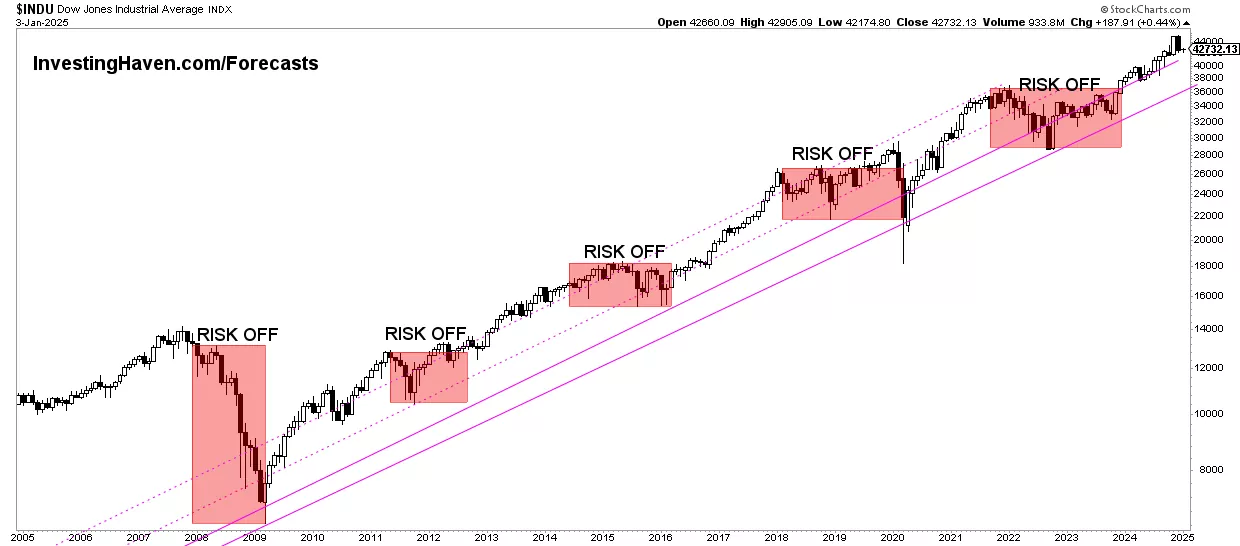
Simply knowing yesterday’s closing number is the first step. The true value lies in understanding what that number signifies within a broader context, distinguishing between transient noise and meaningful signals.
Short-Term Volatility vs. Long-Term Trends
One of the most crucial lessons for any investor is to differentiate between short-term market volatility and long-term investment trends. The Dow can experience significant daily swings—up hundreds of points one day, down hundreds the next—due to a confluence of immediate news, algorithmic trading, and shifting sentiment. Reacting emotionally to these daily fluctuations can be detrimental to long-term financial goals. A single day’s close, even if dramatic, rarely dictates the long-term health of the economy or the trajectory of quality companies. Instead, investors should focus on consistent patterns over weeks, months, or years. Is the Dow generally trending upwards over a multi-year period, reflecting economic growth and corporate innovation? Or is it entering a sustained bear market, suggesting fundamental economic challenges? A single “red” day after a long bull run is often just a healthy correction, not a signal to abandon ship. Conversely, a single “green” day in a bear market doesn’t signify a full recovery.
The Dow as an Economic Barometer
While not a perfect measure, the Dow is widely considered a significant barometer for the U.S. economy. When the Dow consistently rises over time, it often correlates with a growing economy, indicating that its constituent companies are profitable, employment is strong, and consumer spending is robust. Conversely, sustained declines can signal an impending or ongoing recession, as investors anticipate reduced corporate earnings and economic contraction. However, it’s important to remember that the stock market is a forward-looking mechanism. It often discounts future events, reacting to expectations rather than current realities. This means the Dow might begin to decline before a recession is officially declared, or it might start to recover even when economic data still looks bleak, as investors anticipate a future turnaround. Therefore, while a useful indicator, it should be viewed alongside other economic data points rather than as the sole determinant of economic health.
Diversification and Portfolio Resilience
Over-reliance on the Dow’s performance as the sole indicator for one’s portfolio can be a dangerous trap. While the Dow is a significant index, it represents only 30 companies. A truly resilient investment portfolio is diversified across various asset classes (stocks, bonds, real estate), geographies, sectors, and company sizes. This diversification helps mitigate the risk associated with any single company, sector, or even a single index. For instance, if the Dow-heavy large-cap U.S. stocks are underperforming, a well-diversified portfolio might be cushioned by positive returns from international stocks, small-cap companies, or fixed-income investments. Yesterday’s Dow close, therefore, should be seen as one data point among many when assessing the health of one’s own investment strategy, which ideally is constructed to withstand the inevitable ups and downs of any single market segment.
Strategies for Navigating Market Swings
Understanding yesterday’s Dow close is a starting point; developing sound investment strategies to respond to, or rather, not overreact to, market movements is the crucial next step for financial success.
The Importance of a Long-Term Investment Horizon
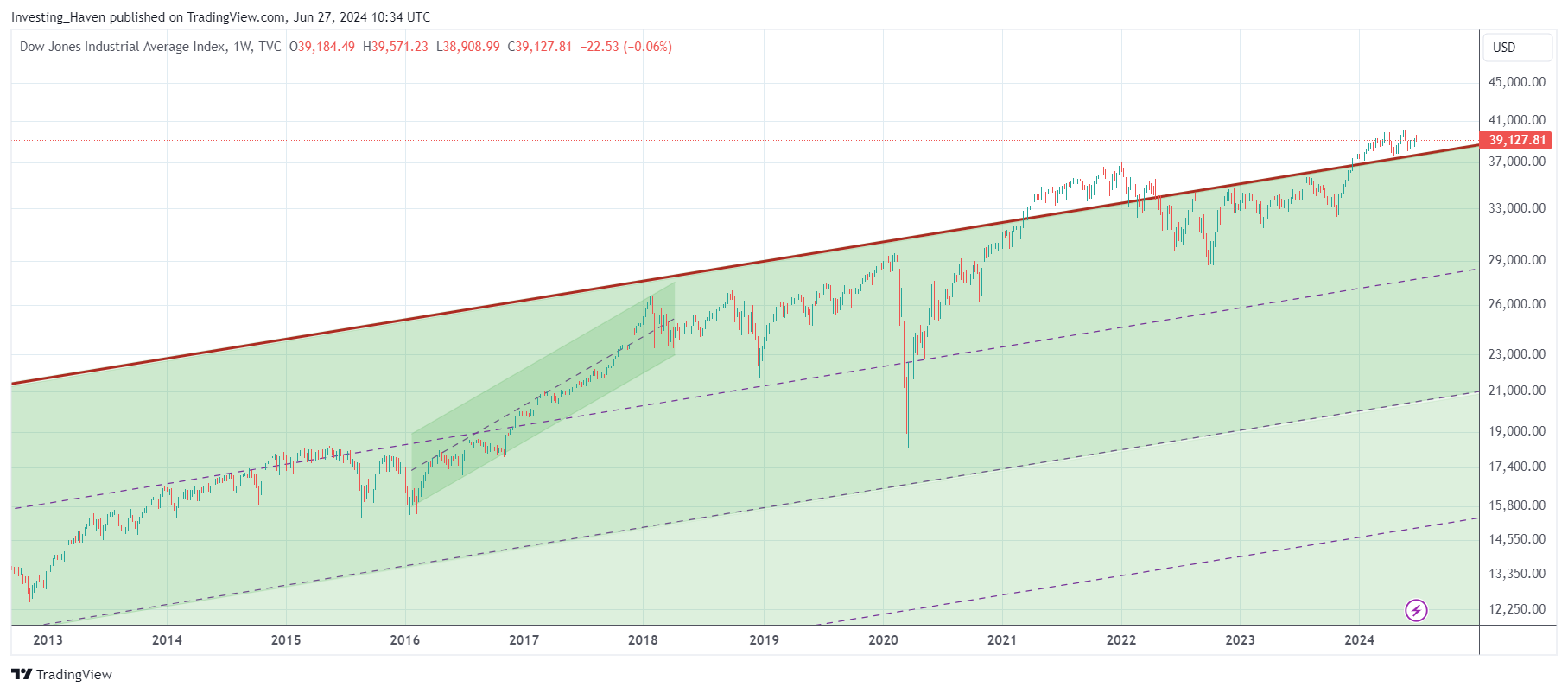
Perhaps the single most effective strategy for managing market volatility, as reflected in daily Dow movements, is adopting a long-term investment horizon. For investors saving for retirement, a child’s education, or other distant financial goals, daily market gyrations are largely irrelevant. Historical data overwhelmingly demonstrates that equity markets tend to trend upwards over extended periods, despite numerous corrections, bear markets, and economic crises. By focusing on decades rather than days, investors can ride out the inevitable downturns, allowing the power of compounding to work its magic. A sharp drop in the Dow yesterday might be unsettling, but for a 30-year investor, it often presents a buying opportunity rather than a reason to sell. Patience and discipline are paramount, overriding the temptation to make impulsive decisions based on short-term market noise.
Dollar-Cost Averaging and Disciplined Investing
Dollar-cost averaging (DCA) is a powerful strategy that mitigates the risk of buying at market peaks and selling at market troughs. This approach involves investing a fixed amount of money at regular intervals (e.g., monthly contributions to a retirement account), regardless of the Dow’s performance or individual stock prices. When the market is high, your fixed contribution buys fewer shares; when the market is low, it buys more shares. Over time, this averages out your purchase price, reducing the impact of volatility. When yesterday’s Dow close was down, a DCA strategy effectively means you’re buying assets “on sale.” This disciplined approach removes emotion from investing, ensuring consistent participation in the market and preventing the common pitfall of trying to time the market, which is notoriously difficult even for professionals.
Consulting Financial Professionals
While understanding market basics is empowering, navigating the complexities of investing and financial planning often benefits from expert guidance. Financial advisors can help individuals define their financial goals, assess their risk tolerance, construct diversified portfolios, and develop strategies tailored to their specific circumstances. They can provide an objective perspective, helping clients avoid emotional decisions based on daily market headlines, like yesterday’s Dow close. A good advisor will also help with broader financial planning aspects, including tax efficiency, estate planning, and retirement income strategies, ensuring that market performance is integrated into a holistic financial picture. For those feeling overwhelmed by market fluctuations or unsure how to interpret economic signals, professional advice can be an invaluable asset.
The Future of Market Analysis and Personal Investing
The landscape of financial information and investment tools is continuously evolving, offering new ways to interpret yesterday’s Dow close and make informed decisions for tomorrow.
Leveraging Financial Tools and Platforms
Technological advancements have democratized access to sophisticated financial analysis tools once reserved for institutional investors. Today, individual investors can utilize advanced charting software, algorithmic analysis platforms, robo-advisors, and AI-powered investment research tools. Robo-advisors, for instance, can automatically rebalance portfolios based on pre-set risk parameters, reducing the need for constant vigilance over market movements. Predictive analytics, increasingly powered by machine learning, can process vast amounts of data—including news sentiment, economic indicators, and historical price movements—to generate insights that might influence future market behavior. These tools empower investors to move beyond merely observing yesterday’s Dow close to actively analyzing its context and potential implications for their portfolios, often with greater efficiency and objectivity.
Continuous Learning and Adapting
The financial markets are dynamic, constantly shaped by new technologies, evolving geopolitical landscapes, and shifting economic paradigms. Therefore, continuous learning is not just beneficial but essential for long-term investment success. Staying informed about new financial products (e.g., ETFs, cryptocurrencies), understanding the implications of emerging economic theories, and adapting to changes in regulatory environments are crucial. Yesterday’s Dow close might have been influenced by factors that didn’t exist a decade ago. A commitment to ongoing financial education—through reputable news sources, books, courses, and engaging with financial communities—ensures that investors can interpret market signals with greater nuance and adjust their strategies effectively. This adaptability allows investors to remain resilient and capitalize on new opportunities, ensuring that their financial journey is not just reactive but proactively aligned with the evolving global financial ecosystem.
In conclusion, “where did the Dow close yesterday?” is a question that opens the door to a deeper understanding of market dynamics, economic health, and effective personal finance strategies. By moving beyond the simple number to explore its underlying drivers, interpret its significance within broader trends, and employ disciplined investment practices, individuals can harness this daily market update as a powerful tool for informed decision-making and long-term wealth creation.
aViewFromTheCave is a participant in the Amazon Services LLC Associates Program, an affiliate advertising program designed to provide a means for sites to earn advertising fees by advertising and linking to Amazon.com. Amazon, the Amazon logo, AmazonSupply, and the AmazonSupply logo are trademarks of Amazon.com, Inc. or its affiliates. As an Amazon Associate we earn affiliate commissions from qualifying purchases.