
For both seasoned investors and curious newcomers, understanding when the stock market opens and closes is far more than a trivial detail; it is a fundamental aspect of navigating the financial world effectively. The opening and closing bells of major exchanges around the globe mark periods of intense activity, significant price movements, and critical information dissemination. For anyone engaged in personal finance, investing, or even business finance, a comprehensive grasp of market hours, including pre-market and after-hours trading, is essential for strategic decision-making, risk management, and capitalizing on opportunities.
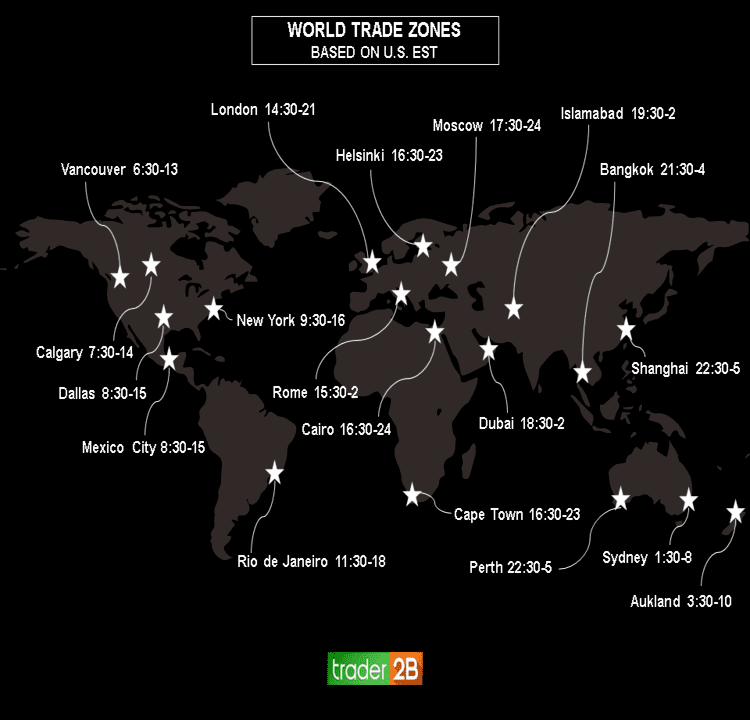
This article delves into the intricacies of stock market operating hours, exploring not just the standard schedules but also the extended trading sessions that have become increasingly prevalent. We’ll examine the strategic implications of these timings, the challenges posed by global interconnectivity, and practical approaches to optimize your investment strategy around the rhythmic pulse of the financial markets. By demystifying the “when,” we aim to equip you with the knowledge to approach your investment journey with greater precision and confidence within the Money category.
The Core Mechanics: Standard Stock Market Operating Hours
The traditional trading day, characterized by specific opening and closing times, remains the backbone of the global stock market. These set hours are designed to concentrate liquidity, facilitate price discovery, and provide a structured environment for buying and selling securities. However, “when the stock market opens” is not a monolithic concept; it varies significantly across different regions and exchanges, reflecting local business cultures, time zones, and regulatory frameworks.
North American Powerhouses: NYSE and Nasdaq Schedules
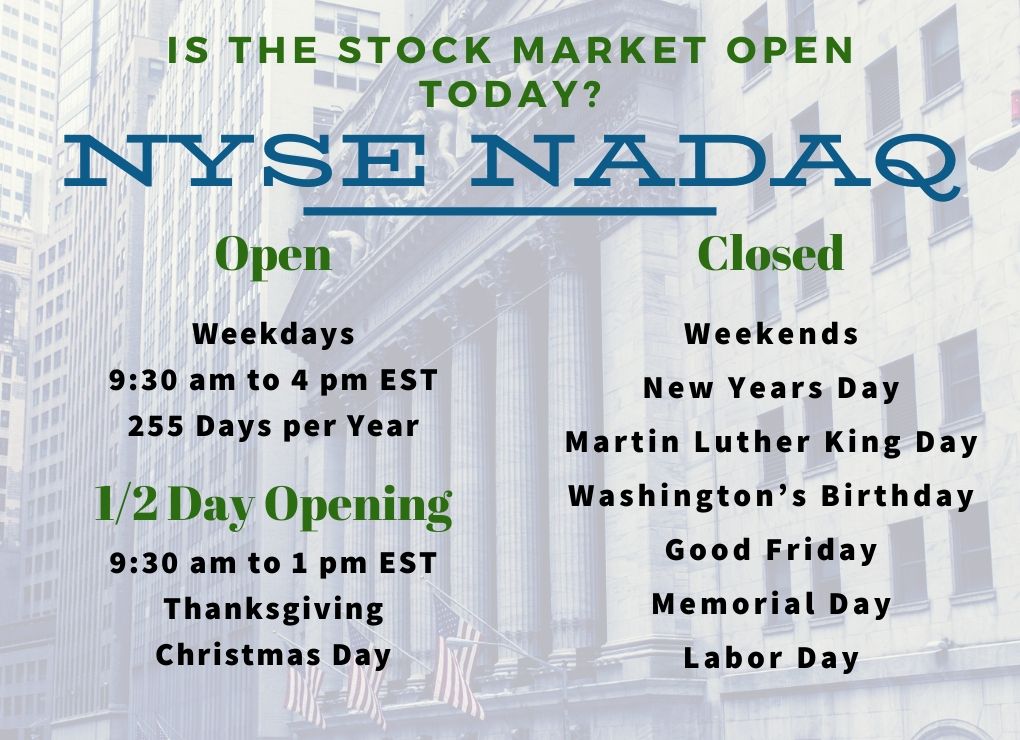
In the United States, the two primary stock exchanges, the New York Stock Exchange (NYSE) and the Nasdaq Stock Market, operate on a consistent schedule. Standard trading hours for both exchanges are from 9:30 AM to 4:00 PM Eastern Time (ET), Monday through Friday. This 6.5-hour window is typically when the vast majority of trading volume occurs, characterized by high liquidity and generally tighter bid-ask spreads. These hours are crucial for U.S. investors, as major economic news, corporate earnings reports, and geopolitical events often trigger significant price reactions during this period. Understanding this core timeframe is foundational for anyone involved in U.S. equities, whether directly trading stocks, investing in ETFs, or managing mutual funds tied to these markets. The rhythm of these hours dictates the daily pulse of American capitalism, influencing everything from individual retirement accounts to multi-billion dollar institutional portfolios.
European Financial Hubs: Opening Bells Across the Continent
Europe’s financial landscape is a mosaic of major exchanges, each with its own operating hours, reflecting the diverse economies and time zones within the continent.
- London Stock Exchange (LSE): A global financial powerhouse, the LSE operates from 8:00 AM to 4:30 PM Greenwich Mean Time (GMT), Monday through Friday. Its early start often provides a precursor to U.S. market sentiment.
- Euronext (Paris, Amsterdam, Brussels, Lisbon): This pan-European exchange group typically runs from 9:00 AM to 5:30 PM Central European Time (CET).
- Deutsche Börse (Frankfurt): The primary exchange in Germany, it trades from 9:00 AM to 5:30 PM CET.
- SIX Swiss Exchange (Zurich): Operating from 9:00 AM to 5:30 PM CET.
The staggered opening and closing times across Europe mean that trading activity can effectively shift from one time zone to another throughout the European business day. Investors monitoring global markets often pay close attention to the LSE’s opening as a bellwether, given London’s status as a major international financial center. The overlap between European and U.S. market hours, typically from 9:30 AM ET (2:30 PM GMT/3:30 PM CET) to 4:00 PM ET (9:00 PM GMT/10:00 PM CET), is a period of heightened global trading activity, where market sentiment can quickly converge or diverge.
Asia-Pacific Markets: Capturing the Early Wave
The Asia-Pacific region, with its diverse economies and significant influence on global supply chains and technology, represents the earliest wave of trading activity each day.
- Tokyo Stock Exchange (TSE): One of the largest in Asia, the TSE operates from 9:00 AM to 3:00 PM Japan Standard Time (JST), with a lunch break from 11:30 AM to 12:30 PM.
- Shanghai Stock Exchange (SSE) & Shenzhen Stock Exchange (SZSE): China’s main exchanges trade from 9:30 AM to 3:00 PM China Standard Time (CST), also with a lunch break from 11:30 AM to 1:00 PM.
- Hong Kong Stock Exchange (HKEX): A critical gateway to China, the HKEX operates from 9:30 AM to 4:00 PM Hong Kong Time (HKT), with a lunch break from 12:00 PM to 1:00 PM.
- Australian Securities Exchange (ASX): Trading in Sydney runs from 10:00 AM to 4:00 PM Australian Eastern Standard Time (AEST).
The Asia-Pacific markets are often the first to react to overnight news from the U.S. and Europe, setting an early tone for global market sentiment. Their schedules mean that by the time European markets open, Asian trading is typically well underway or concluding, creating a continuous flow of information and price discovery across different time zones. For investors with global portfolios, understanding these hours is crucial for anticipating market movements and managing exposure.
Understanding Market Holidays and Early Closures
Beyond the standard Monday-Friday schedule, stock markets observe a range of national holidays, during which they remain closed. These can include public holidays like Christmas, New Year’s Day, and national independence days. Additionally, some exchanges may have “early close” days, often preceding major holidays, where trading concludes earlier than usual (e.g., 1:00 PM ET on the NYSE/Nasdaq on certain days). It is imperative for investors to consult the official calendars of the exchanges relevant to their holdings, as unexpected closures or modified hours can impact trading strategies, settlement cycles, and access to capital. Brokerage firms typically provide these calendars as part of their investor resources.
Beyond the Bell: Pre-Market and After-Hours Trading Explained
While standard market hours define the core trading day, the advent of electronic trading platforms has significantly extended the timeframe during which investors can buy and sell securities. Pre-market and after-hours trading sessions allow for activity outside the traditional 9:30 AM to 4:00 PM ET window for U.S. markets, and similar extensions exist in other global financial centers. These extended hours, while offering flexibility, come with their own set of characteristics and risks that investors must understand.
The Rationale and Mechanics of Extended Trading Sessions
Extended trading sessions primarily serve to bridge the gap between global market movements and to allow investors to react promptly to news released outside of regular hours. For example, a major corporate earnings announcement or a significant geopolitical development might occur after the 4:00 PM ET close or before the 9:30 AM ET open. Pre-market trading in the U.S. typically runs from 4:00 AM to 9:30 AM ET, while after-hours trading extends from 4:00 PM to 8:00 PM ET. These sessions are facilitated by Electronic Communication Networks (ECNs) rather than the traditional exchange floor. ECNs are automated systems that match buy and sell orders electronically, enabling continuous trading. The rationale is clear: provide investors with the flexibility to act on information without waiting for the next standard market open. This can be particularly appealing for active traders or those managing risk based on fast-breaking news.
Opportunities and Increased Risks in Off-Hours
Extended trading offers distinct opportunities, such as the chance to react immediately to news, potentially getting ahead of broader market movements. If a company announces positive earnings after hours, an investor could buy shares before the next day’s open, potentially benefiting from an anticipated price surge. Conversely, selling shares quickly after negative news could mitigate losses.
However, these opportunities are accompanied by increased risks. The most significant concern is lower liquidity. With fewer participants trading, the volume of buy and sell orders is significantly reduced compared to standard hours. This lower liquidity can lead to:
- Wider Bid-Ask Spreads: The difference between the highest price a buyer is willing to pay (bid) and the lowest price a seller is willing to accept (ask) can be much larger, making it more expensive to execute trades.
- Increased Volatility: Small orders can have a disproportionately large impact on stock prices, leading to sudden and significant price swings.
- Price Discrepancies: The price at which a stock trades during extended hours may differ significantly from its opening price during standard hours, potentially leading to “gap up” or “gap down” scenarios.
- Limited Order Types: Some brokerage firms may restrict the types of orders available during extended hours (e.g., only limit orders are often allowed, ensuring a specific price execution).
The Role of Electronic Communication Networks (ECNs)
ECNs are pivotal to extended-hours trading. Unlike traditional exchanges where human specialists or market makers facilitate trades, ECNs are fully automated systems that match compatible buy and sell orders. They essentially create an electronic marketplace accessible outside of regular exchange hours. Major ECNs include Arca, Island, and BATS, among others. When you place a pre-market or after-hours order through your brokerage, it is routed through one of these ECNs. While efficient, the fragmented nature of ECNs means that liquidity can be spread across multiple venues, contributing to the challenges mentioned above. It’s also important to note that not all stocks are actively traded in extended sessions; typically, only large-cap, highly liquid stocks see substantial activity.
How Extended Hours Impact Different Investor Profiles
The impact of extended hours varies significantly depending on an investor’s profile:
- Day Traders/Active Investors: For these individuals, extended hours can be a crucial hunting ground for short-term opportunities, especially around major news events. However, the higher volatility and lower liquidity demand sophisticated strategies and robust risk management.
- Long-Term Investors: Those focused on long-term growth or value investing may find less direct utility in extended hours. While monitoring price movements is always wise, reacting impulsively to after-hours swings based on limited information can be counterproductive to a long-term strategy. For them, understanding how extended hours affect the next day’s open is more relevant.
- Institutional Investors: Large institutions often use extended hours to adjust positions based on global market shifts or to execute large block trades with minimal market impact, though they too must contend with liquidity constraints.
Regardless of profile, all investors engaging in extended-hours trading must be aware of their brokerage’s specific rules and limitations, including order types, fees, and the availability of real-time data.
Why Timing Matters: The Strategic Implications of Market Hours
The specific timing of stock market operations is not merely a logistical detail; it holds profound strategic implications for investors, influencing everything from price discovery and volatility to the effective deployment of capital. Recognizing “when the stock market opens” means understanding the unique dynamics that characterize different periods of the trading day and leveraging this knowledge for more informed decision-making.
Volatility and Liquidity: The Dynamics of Opening and Closing Bells
The opening and closing minutes of a standard trading session are often characterized by heightened volatility and increased liquidity.
- The Opening Bell: At market open, there’s a surge of activity as investors react to overnight news, pre-market trading activity, and various pending orders that have accumulated. This influx of buy and sell orders often leads to significant price movements in the first 15-30 minutes. Stocks can “gap up” or “gap down” relative to their previous close, creating opportunities for rapid profits but also posing substantial risks. Liquidity is typically high, as many participants enter the market simultaneously, but the rapid price changes can make execution challenging at desired levels.
- The Closing Bell: Similar dynamics occur as the market approaches its close. Traders look to unwind positions, fulfill daily targets, or adjust portfolios based on the day’s events. The last hour of trading, often dubbed “the power hour,” can also see elevated volatility and trading volume as market participants square up their books before the market closes for the day. Liquidity remains robust, but swift price movements are common.
For strategic investors, these periods can be critical. Day traders might specifically target these volatile windows, while longer-term investors might use them to gauge overall market sentiment or execute trades when liquidity is highest, but with caution regarding price swings.
Information Asymmetry and News Dissemination
Market hours directly impact the flow and impact of information. Major economic reports (e.g., GDP, inflation, unemployment data), central bank announcements, and corporate earnings reports are frequently scheduled for release outside of standard market hours, often before the open or after the close. This strategic timing is intended to give investors time to digest the information without immediately triggering market pandemonium.
However, the period directly following such releases, especially at the market open, often sees a rush to price in the new information. This can lead to information asymmetry, where some investors might gain or process critical information faster than others. Understanding when key data will be released (e.g., U.S. economic data often comes out at 8:30 AM ET) allows investors to anticipate market reactions and prepare their strategies, whether it’s setting limit orders, monitoring news feeds, or simply observing initial market responses before committing capital.
Crafting Trading Strategies Around Peak Activity
Different trading strategies are optimized for specific market hours:
- Opening Range Breakouts: Traders might look for stocks that make significant moves shortly after the open, attempting to ride the momentum.
- Fade the Open: Conversely, some strategies bet on a reversal of the initial market move, anticipating that early overreactions will correct themselves.
- Mid-Day Lull: The middle hours of the trading day (roughly 11:00 AM to 2:00 PM ET in the U.S.) often see reduced volatility and tighter trading ranges. This can be suitable for strategies that rely on less frantic price action or for executing larger trades with less market impact.
- Closing Strategies: Investors might place trades near the close to capture end-of-day price adjustments or to position themselves for overnight news.
The key is to match your strategy and risk tolerance to the characteristic volatility and liquidity of each part of the trading day. Ignorance of these patterns can lead to suboptimal execution or unexpected losses.
The Psychological Impact of Market Openings
The “when the stock market opens” moment carries a significant psychological weight. The anticipation leading up to the opening bell, followed by the initial flurry of activity, can fuel both fear and greed. Large price swings at the open can trigger emotional reactions, leading to impulsive buying or selling. Understanding these psychological tendencies is crucial for maintaining discipline. Savvy investors often take a step back during the most volatile periods, allowing the market to find its footing before making significant moves. The collective sentiment at the open can often set the tone for the entire day, making it a critical window for assessing broader market mood.
Global Interconnectivity: Managing Time Zones and Overnight Risk
In today’s interconnected financial world, “when the stock market opens” is a constantly rolling phenomenon, with exchanges in different time zones opening and closing throughout the 24-hour cycle. This global relay of trading activity creates both opportunities and challenges for investors, particularly concerning time zone management and the inherent risks associated with overnight market developments.
The Ripple Effect: How One Market Impacts Another
The global stock markets are not isolated silos; they are intricately linked, creating a continuous chain of influence. What happens in Asian markets overnight often impacts the sentiment and opening direction of European markets, which in turn can set the stage for North American trading. For example:
- Asian Markets React First: News breaking after the U.S. market closes (e.g., a major tech company’s earnings report or new economic data from China) will first be digested and reflected in the prices of Asian stocks.
- European Markets Carry the Torch: As European markets open, they incorporate the overnight sentiment from Asia and the U.S., adding their own regional economic data and corporate news into the mix.
- U.S. Markets Anchor Global Activity: When U.S. markets open, they become the focal point, often incorporating all preceding global movements. The size and influence of the U.S. market mean its performance can significantly sway global sentiment.
This “ripple effect” means that investors cannot solely focus on their domestic market hours. A crucial piece of information emerging from Tokyo or London could dictate the performance of a stock in New York, even before its market opens. Monitoring key global indices and news feeds throughout the 24-hour cycle has become a necessity for serious investors.
Overcoming Time Zone Challenges for International Portfolios
For investors with international portfolios or those investing in foreign-listed companies, managing different time zones is a practical necessity. This involves:
- Maintaining a Global Market Calendar: Tracking the opening and closing times, as well as holidays, for all relevant exchanges. Many online financial platforms offer customizable global market clocks.
- Brokerage Access: Ensuring your brokerage platform provides access to international exchanges and allows for trading in different currencies, potentially with extended hours support for foreign markets.
- Understanding Settlement Cycles: Different exchanges have different settlement periods (e.g., T+2, meaning trade date plus two business days), which can be impacted by international holidays and time zone differences.
- Currency Exchange Rates: Trading across borders inherently involves currency conversions, which can introduce additional volatility and costs. Monitoring foreign exchange markets during relevant trading hours is essential.
Successfully navigating time zones means more than just knowing “when the stock market opens”; it involves a holistic approach to logistics, information gathering, and risk assessment across multiple jurisdictions.
Addressing Overnight Risk and Gap Openings
Overnight risk refers to the risk of significant price changes occurring while the market you are invested in is closed. During these hours, news (political, economic, corporate) can emerge that fundamentally alters the perceived value of an asset. When the market reopens, these overnight developments can lead to a “gap opening,” where the opening price is significantly higher or lower than the previous day’s close, without any trading occurring in between.
- Mitigation Strategies: Investors can employ various strategies to manage overnight risk:
- Stop-Loss Orders: While not foolproof, stop-loss orders can limit potential losses if a stock gaps down significantly. However, they may execute at the gap price, not your specified stop.
- Portfolio Diversification: Spreading investments across different assets and geographies can cushion the blow of adverse overnight news affecting a single market or sector.
- Hedging: Advanced investors might use options or futures to hedge against potential adverse price movements.
- Reducing Exposure: For highly volatile assets, some investors may choose to reduce their position before the close if significant news is anticipated overnight.
Understanding the potential for overnight gaps is crucial for managing expectations and protecting capital. It underscores the continuous nature of market forces, even when a specific exchange is closed.
Leveraging Global Market Data for Informed Decisions
The constant flow of information from global markets provides a wealth of data for informed decision-making. Investors can leverage:
- Asian Market Performance: Observing the performance of major Asian indices (e.g., Nikkei 225, Hang Seng) can offer early insights into global risk sentiment.
- European Economic Indicators: Data releases from the Eurozone or the UK can signal broader economic trends that will eventually affect U.S. and other markets.
- Futures Markets: Futures contracts (e.g., S&P 500 E-mini futures) trade nearly 24 hours a day and can serve as a real-time indicator of sentiment for upcoming market openings, offering a valuable peek into how the “main” market might react.
By continuously monitoring these global indicators and understanding their interdependencies, investors can develop a more robust and responsive investment strategy, moving beyond a narrow focus on local market hours to embrace the full scope of the 24/7 financial world.
Practical Strategies for Leveraging Market Openings
Navigating the financial markets successfully requires more than just knowing “when the stock market opens”; it demands a strategic approach that integrates this knowledge into daily trading and long-term investment decisions. By understanding the rhythms and nuances of market hours, investors can optimize their actions, manage risks, and enhance their potential for financial growth within the money sector.
Tools and Resources for Tracking Global Market Hours
Staying informed about the opening and closing times of various exchanges, including holidays and early closures, is paramount. Fortunately, a plethora of tools and resources are available:
- Online Financial Portals: Websites like Bloomberg, Reuters, Yahoo Finance, and Investing.com offer global market calendars, real-time quotes, and news updates. Many allow users to customize watchlists to track specific assets and their respective market hours.
- Brokerage Platforms: Most reputable brokerage firms provide direct access to market hour information for the exchanges they support. Some even offer built-in global market clocks or alerts for relevant opening/closing times.
- Financial News Apps: Mobile applications dedicated to financial news can provide push notifications for market openings, major news events, and real-time market data.
- Time Zone Converters: Simple online tools can help you convert market hours to your local time, preventing missed opportunities or misplaced trades.
- Exchange Websites: For definitive information, always refer to the official websites of the stock exchanges you are interested in (e.g., NYSE, Nasdaq, LSE, TSE).
Leveraging these resources ensures that you are always operating with accurate and timely information, an essential component of sound financial decision-making.
Adapting Your Investment Approach to Market Rhythms
The optimal time for action depends heavily on your investment style and goals:
- Day Traders: For active day traders, the first and last hours of the market day are often the most fertile ground due to increased volatility and volume. They might focus on strategies like “opening range breakouts” or “fade the open” where rapid price movements present opportunities. However, this also demands tight risk management and quick decision-making.
- Swing Traders: Those holding positions for a few days or weeks might use the market open to confirm trends or exit positions based on overnight news, but generally avoid the most volatile minutes if their strategy isn’t explicitly built around them.
- Long-Term Investors: For buy-and-hold investors, the precise timing of market open is less critical. Their focus is on the fundamental value of an asset over months or years. They might place limit orders during less volatile mid-day periods to ensure optimal entry/exit prices, avoiding the frenzy of the open or close.
- Global Investors: These individuals must adopt a 24-hour mindset, monitoring Asian and European markets to anticipate how U.S. markets might react. They might structure their trading days to align with the active hours of specific global markets relevant to their portfolio.
The key is to align your personal finance strategy with the inherent characteristics of different market hours, rather than letting the market dictate your actions impulsively.
The Importance of Risk Management at Market Open
Given the heightened volatility and potential for significant price gaps at market open, robust risk management is non-negotiable.
- Avoid Blind Entries/Exits: Do not rush into trades immediately at the open without allowing the market to settle and show its direction. The initial few minutes can be very choppy and prone to “head fakes.”
- Use Limit Orders: When placing trades, especially during volatile periods, use limit orders rather than market orders. A limit order guarantees your execution price (or better) but does not guarantee execution. A market order guarantees execution but not the price, which can lead to unexpected slippage during volatile opens.
- Set Realistic Stop-Losses: For positions held overnight, understand that stop-loss orders may not protect you from a significant gap down. If a stock opens below your stop-loss, your order will execute at the first available price, which could be much lower. This is part of the overnight risk.
- Position Sizing: Consider reducing your position size when trading around market openings if you are particularly sensitive to volatility. Smaller positions mean smaller potential losses from adverse movements.
- Emotional Control: The market open can be exhilarating or terrifying. Stick to your pre-defined trading plan and avoid making impulsive decisions driven by fear of missing out (FOMO) or panic.
Effective risk management during market openings is about preparation, discipline, and a clear understanding of the tools and their limitations.
Continuous Learning in a 24/7 Financial World
The financial world is dynamic, with market structures, trading technologies, and global influences constantly evolving. What was true about market openings a decade ago might not fully apply today. The rise of algorithmic trading, high-frequency trading (HFT), and the increasing interconnectedness of global economies mean that the nuances of “when the stock market opens” are continuously shifting.
Therefore, continuous learning is not just beneficial; it’s essential. Stay updated on:
- Exchange Rule Changes: Regulatory bodies and exchanges occasionally modify trading hours or rules.
- Technological Advancements: New trading platforms or order types can change market dynamics.
- Global Economic Shifts: Major economic or geopolitical events can alter how different markets interact at their open.
By actively engaging with financial news, market analysis, and educational resources, investors can maintain an insightful and adaptive approach to market openings, ensuring their strategies remain relevant and effective in a perpetually moving global financial landscape. Knowing “when the stock market opens” is merely the starting point; understanding its deeper implications and continuously refining your approach is the path to smarter, more effective investing.
aViewFromTheCave is a participant in the Amazon Services LLC Associates Program, an affiliate advertising program designed to provide a means for sites to earn advertising fees by advertising and linking to Amazon.com. Amazon, the Amazon logo, AmazonSupply, and the AmazonSupply logo are trademarks of Amazon.com, Inc. or its affiliates. As an Amazon Associate we earn affiliate commissions from qualifying purchases.