
The closing bell of the New York stock market holds significant weight for investors worldwide, signaling the end of standard trading and a temporary pause in the live valuation of publicly traded companies. Understanding not only the precise closing time but also the dynamics surrounding it is crucial for effective investment strategy, risk management, and overall financial literacy. The primary stock exchanges in New York, the New York Stock Exchange (NYSE) and Nasdaq, operate on a consistent schedule that dictates the daily rhythm of global finance.
Understanding Standard Trading Hours
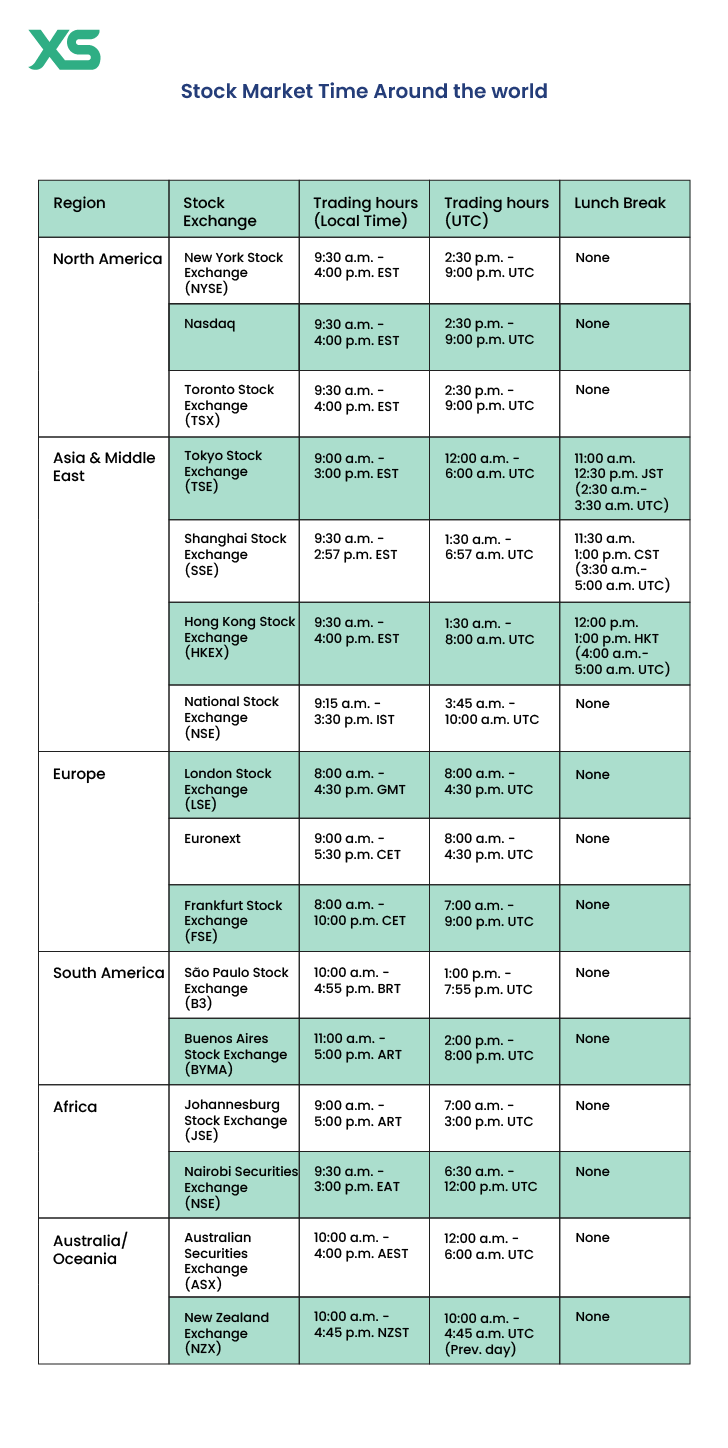
The standard trading session for both the New York Stock Exchange (NYSE) and the Nasdaq Stock Market officially runs from 9:30 AM Eastern Time (ET) to 4:00 PM ET, Monday through Friday. This six-and-a-half-hour window is when the vast majority of trading volume occurs, driven by institutional investors, professional traders, and retail participants reacting to economic news, corporate announcements, and market sentiment. The regularity of these hours provides a framework for price discovery and liquidity, crucial elements for an efficient market.
The NYSE and NASDAQ
While both exchanges adhere to the same trading schedule, they cater to different types of companies and employ distinct trading mechanisms. The NYSE, often referred to as “The Big Board,” is known for its auction-based trading floor and lists many of the world’s largest and oldest companies. Nasdaq, on the other hand, is a fully electronic exchange, primarily listing technology and growth-oriented companies. Despite their operational differences, their synchronous trading hours ensure a unified market environment during the standard session, allowing investors to trade a vast array of equities under the same time constraints. The closing of both markets at 4:00 PM ET simultaneously freezes the official daily closing prices for thousands of stocks, which serve as benchmarks for performance evaluation and portfolio calculations until the next opening bell.
Eastern Time Zone Significance
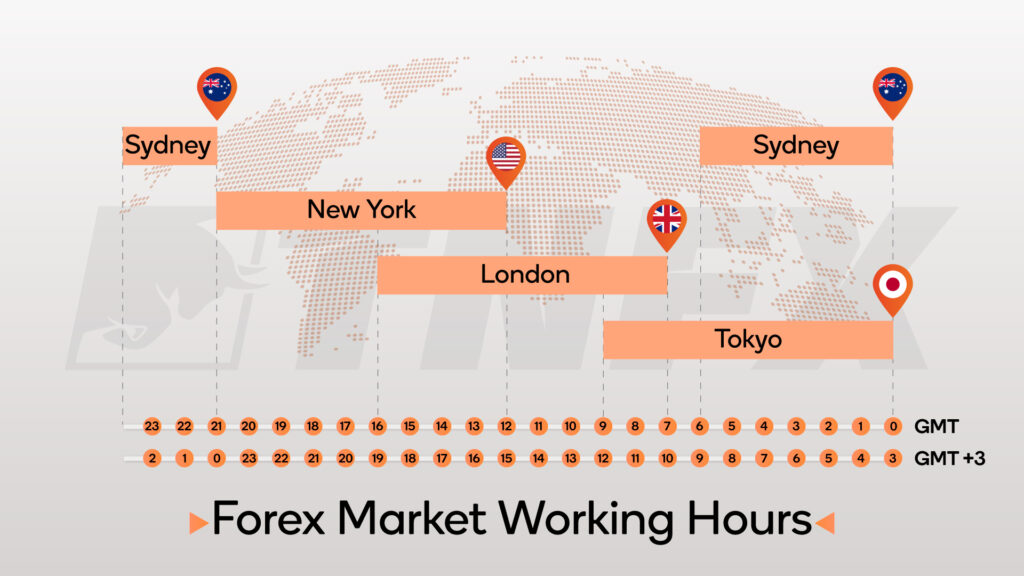
The choice of Eastern Time (ET) as the benchmark for U.S. financial markets has historical roots in New York City’s emergence as a global financial hub. This time zone, shared by many major financial institutions and regulatory bodies, provides a common reference point for domestic and international investors. For traders and investors operating in different time zones, accurately converting 4:00 PM ET to their local time is a critical, yet sometimes overlooked, aspect of market participation. For instance, an investor in London would see the New York market close at 9:00 PM GMT (during standard time, adjusted for daylight saving), while a trader in Hong Kong would experience the close early the next morning. This global reach means that market close in New York can trigger reactions or set the tone for markets that are just opening or are already well into their trading day in other parts of the world.
Weekends and Holidays
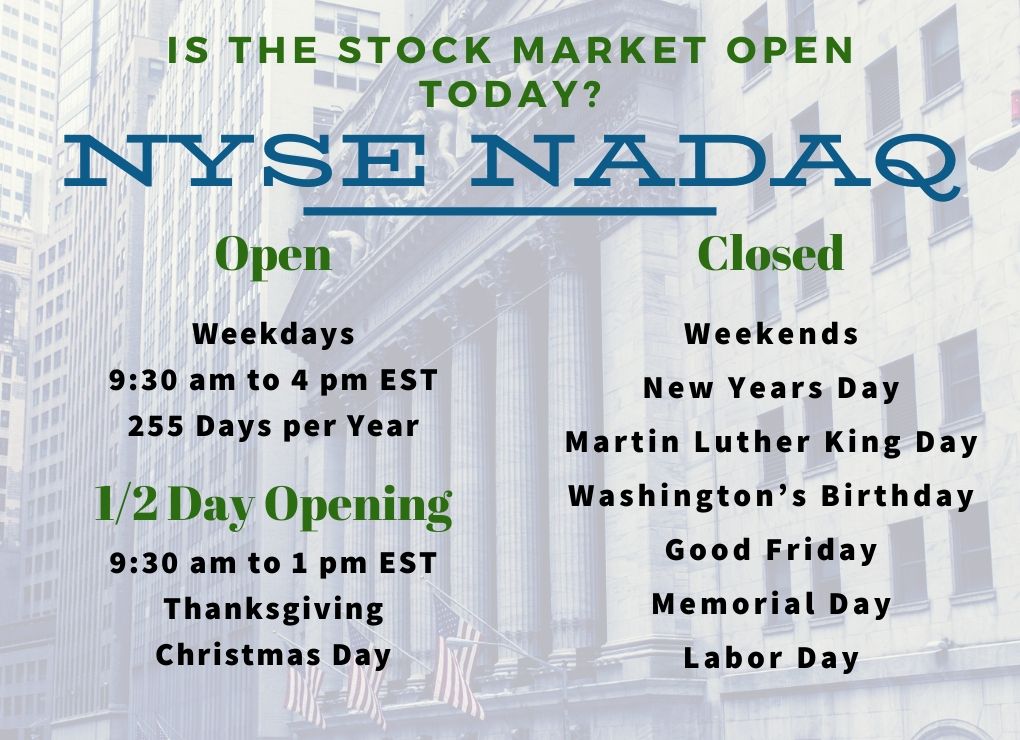
Beyond the daily 4:00 PM ET close, investors must also be aware of full-day market closures. Both the NYSE and Nasdaq observe all U.S. federal holidays. These include New Year’s Day, Martin Luther King, Jr. Day, Presidents’ Day, Good Friday, Memorial Day, Juneteenth National Independence Day, Independence Day, Labor Day, Thanksgiving Day, and Christmas Day. On certain holidays, such as the day after Thanksgiving (Black Friday) or Christmas Eve when it falls on a weekday, the markets may have an early close, typically at 1:00 PM ET. These full-day and early closures are critical for investors to note, as they represent periods when no trading can occur, potentially leading to significant price gaps at the next opening if major news breaks during the off-market period. Checking the official holiday schedule published by the exchanges and the Securities Industry and Financial Markets Association (SIFMA) annually is a best practice for all market participants.
Beyond the Bell: Pre-Market and After-Hours Trading
While 4:00 PM ET marks the end of standard trading, the market’s activity doesn’t entirely cease. Pre-market and after-hours trading sessions allow investors to place trades outside the regular 9:30 AM to 4:00 PM window. These extended hours provide flexibility but also come with a unique set of considerations and risks that fundamentally differ from the standard session.
Opportunity and Risk in Extended Sessions
The primary advantage of extended hours trading is the ability to react quickly to news that breaks before the market opens or after it closes. Companies frequently release earnings reports, merger announcements, or other significant news items outside of regular trading hours to allow investors time to digest the information without immediate market frenzy. This can present opportunities for investors to buy or sell shares based on fresh information, potentially before the broader market reacts. However, these opportunities are accompanied by heightened risks. The electronic nature of extended-hours trading means that orders are processed directly without the centralized auction system of the NYSE trading floor, leading to different market dynamics.
Volatility and Liquidity Considerations
A major characteristic of pre-market and after-hours sessions is significantly lower trading volume compared to regular hours. This reduced liquidity means there are fewer buyers and sellers, which can lead to wider bid-ask spreads – the difference between the highest price a buyer is willing to pay and the lowest price a seller is willing to accept. Wider spreads can increase transaction costs and make it harder to execute large orders without impacting the price. Furthermore, low liquidity often correlates with increased price volatility. A relatively small trade can have a disproportionately large impact on a stock’s price, leading to rapid and unpredictable price swings. Investors trading during these hours must be particularly vigilant and understand that the prices observed may not accurately reflect the stock’s value once the regular session begins. Limit orders, which specify the maximum or minimum price at which an investor is willing to trade, are often recommended over market orders during extended hours to mitigate these risks.
Accessing Extended Hours Trading
Most retail brokerage firms offer access to pre-market and after-hours trading, though the specific hours may vary slightly by broker. Typically, pre-market trading can start as early as 4:00 AM ET and run until the market opens at 9:30 AM ET. After-hours trading usually commences immediately after the 4:00 PM ET close and can extend until 8:00 PM ET. To participate, investors often need to explicitly enable extended-hours trading permissions within their brokerage account and understand the specific order types available. It’s crucial for investors to familiarize themselves with their broker’s terms and conditions for extended-hours trading, including any specific order routing or execution policies, as these can impact the success and cost of their trades.
The Impact of Market Close on Investors
The sounding of the 4:00 PM ET closing bell doesn’t just signify the end of trading; it triggers a cascade of processes and implications that affect everything from order execution to overnight risk management and strategic portfolio planning. For astute investors, understanding these post-close dynamics is as important as monitoring live market action.
Order Execution and Settlement
Any market order placed close to or at the 4:00 PM ET closing bell will typically be executed at the closing price. If an order is submitted slightly after the close, it will usually be queued for the next trading session. The settlement of trades, the process by which ownership is transferred and funds are exchanged, traditionally follows a “T+2” schedule, meaning it occurs two business days after the trade date. So, a trade executed on Monday will officially settle on Wednesday. This settlement period, while largely automated for retail investors, is critical for institutional operations and can impact capital availability and margin requirements, particularly in large-scale transactions.
Market Sentiment and Overnight Risk
When the market closes, active price discovery pauses, but news cycles and global events continue. Any significant economic data, geopolitical developments, or corporate announcements released between 4:00 PM ET and 9:30 AM ET the next day can heavily influence market sentiment. This creates “overnight risk” – the uncertainty that a stock’s price might significantly gap up or down at the next open, driven by off-hours news. For investors holding positions, particularly speculative ones, this overnight period can be a source of anxiety. It underscores the importance of staying informed about relevant news even when the markets are closed and considering how such information might affect their portfolio. Hedging strategies or reducing exposure before the close are common tactics employed by professional traders to mitigate this risk.
Strategic Implications for Portfolio Management
The market close provides a natural pause for portfolio re-evaluation. Many investors use the end of the trading day to review their positions, analyze daily performance, and plan for the next session. For long-term investors, the closing price becomes a key data point for tracking performance against benchmarks and making adjustments based on their investment thesis. Short-term traders, on the other hand, might employ specific “end-of-day” strategies, such as closing out positions to avoid overnight risk or taking advantage of last-minute price movements. The 4:00 PM ET close also signals the end of the fiscal trading day for many financial institutions, impacting how they mark their books, calculate daily profits and losses, and manage capital requirements. Understanding these implications allows investors to align their strategies with the market’s operational rhythm.
Key Factors Influencing Market Hours and Closures
While standard trading hours are largely immutable, several factors can influence them or lead to exceptional closures. These elements are primarily external to the day-to-day trading activity but are critical for investors to monitor for comprehensive market understanding.
Economic Calendar and Data Releases
Major economic indicators, such as inflation reports, employment data, or Federal Reserve announcements, are often scheduled for release either before market open (e.g., 8:30 AM ET) or occasionally during the trading day, with some influential reports released around 10:00 AM ET. While these don’t typically alter the 4:00 PM ET close, they can create significant volatility leading up to and immediately following their release. Investors often adjust their positions or trading strategies in anticipation of these releases, recognizing their potential to rapidly shift market sentiment and stock prices. Understanding the economic calendar is therefore an integral part of planning one’s trading week and managing potential market reactions.
Geopolitical Events and Market Responses
Rarely, but profoundly, major geopolitical events can influence market hours. Historically, severe national emergencies, acts of terrorism, or widespread natural disasters have led to market closures or early dismissals to ensure market stability and investor safety. While such events are infrequent, they highlight the flexibility of regulatory bodies like the SEC and the exchanges themselves to respond to extraordinary circumstances. These closures are not arbitrary; they are typically enacted to prevent panic selling, allow for an orderly assessment of events, and maintain the integrity of the financial system. For investors, monitoring global news and understanding the potential for such disruptions is part of a holistic risk management approach.
Regulatory Frameworks and Exchange Operations
The Securities and Exchange Commission (SEC) and various self-regulatory organizations like FINRA, along with the exchanges themselves (NYSE and Nasdaq), establish and enforce the rules governing market operations, including trading hours. These regulatory bodies ensure fair and orderly markets. Changes to trading hours, while rare, would originate from these entities, often in response to technological advancements, market structure reviews, or significant economic shifts. For instance, circuit breakers, which temporarily halt trading across the market during extreme downward movements, are a regulatory mechanism designed to curb panic selling and allow investors to reassess conditions, rather than shortening the market day directly. The robustness of these regulatory frameworks is fundamental to maintaining investor confidence and the efficient functioning of the New York stock market.
Tools and Resources for Tracking Market Hours
In today’s interconnected financial world, numerous tools and resources are available to help investors stay informed about market hours, holidays, and any potential disruptions. Leveraging these can be invaluable for consistent and informed participation in the financial markets.
Financial News Platforms
Leading financial news outlets like Bloomberg, Reuters, The Wall Street Journal, CNBC, and Yahoo Finance are essential resources. They not only report on daily market activity but also publish official holiday schedules, announce early closures, and provide real-time updates on any unexpected market halts or extensions. Subscribing to their newsletters or setting up news alerts can ensure investors receive critical information promptly.
Brokerage Firm Features
Most online brokerage platforms offer integrated tools that display current market status (open/closed), upcoming holiday schedules, and even specific pre-market and after-hours trading availability. Many also provide customizable alerts for market open/close times, ensuring that investors are aware of the trading windows relevant to their strategies. Utilizing these built-in features simplifies the process of staying informed directly within one’s trading environment.
Economic Calendars and Apps
Specialized economic calendars, often provided by financial data providers or available as standalone apps, meticulously list market holidays, early closures, and the release times of significant economic data. These tools are indispensable for investors who need to plan their trading around key events and ensure they are aware of any non-standard market hours. Popular examples include Investing.com’s economic calendar or those integrated into professional trading platforms. By consulting these resources regularly, investors can effectively manage their time and exposure around the nuances of the New York stock market’s operational schedule.
aViewFromTheCave is a participant in the Amazon Services LLC Associates Program, an affiliate advertising program designed to provide a means for sites to earn advertising fees by advertising and linking to Amazon.com. Amazon, the Amazon logo, AmazonSupply, and the AmazonSupply logo are trademarks of Amazon.com, Inc. or its affiliates. As an Amazon Associate we earn affiliate commissions from qualifying purchases.